Relaxation Spaces: The Importance of Clutter-Free Environments for Well-Being
Creating a Sanctuary for Peace
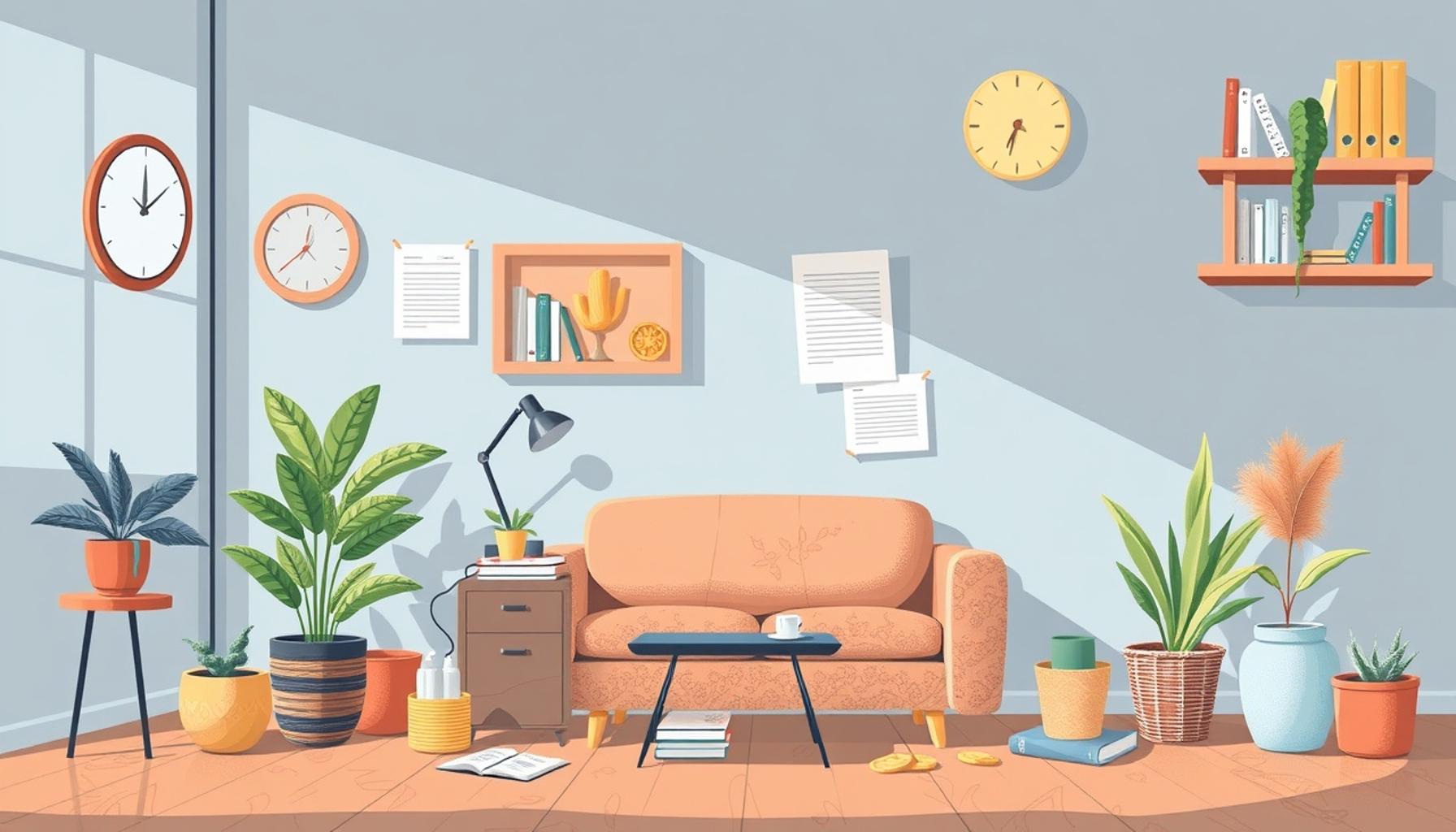
In today’s fast-paced world, the need for relaxation spaces has never been more evident. Amid busy schedules and constant notifications, a clutter-free environment emerges as a vital antidote to stress. Understanding the significance of these serene areas can lead to improved well-being and a more balanced life.
The Benefits of Clarity and Calm
Decluttering isn’t just about tidiness; it’s about fostering a sense of tranquility. Here are key benefits of having a clutter-free environment:
- Reduced Stress: A clear space contributes to a clear mind. When you remove physical clutter, you also eliminate mental distractions, allowing your brain to focus on what truly matters.
- Enhanced Focus: Fewer distractions allow for better concentration. Research has shown that individuals who work in organized spaces are often more productive, highlighting the link between environmental order and efficiency.
- Improved Mood: Organized spaces can uplift your emotional state. For example, a study from the University of California found that people who live in cluttered homes frequently report feelings of anxiety and depression. The reverse is equally true; a tidy environment can foster joy and contentment.
Moreover, studies indicate that a clean environment can significantly impact mental health. The American Psychological Association notes that environments heavily influence human emotions and can either promote relaxation or heighten stress levels. Recognizing the connection between your space and your mind is crucial in cultivating a personal sanctuary for relaxation.
Designing Your Ideal Relaxation Space
Creating your own relaxation space involves thoughtful design and simple strategies that reflect your unique personality while providing a refuge from daily pressures. Consider incorporating:
- Natural elements, such as plants and sunlight. Incorporating greenery can improve air quality and create a sense of connection to nature, which is proven to reduce stress. Studies suggest having houseplants might even lower anxiety levels and increase feelings of calm.
- Aromatherapy with calming scents. Scents like lavender, chamomile, and sandalwood not only create a soothing atmosphere but are also backed by research showing that they can significantly lower heart rates and alleviate stress.
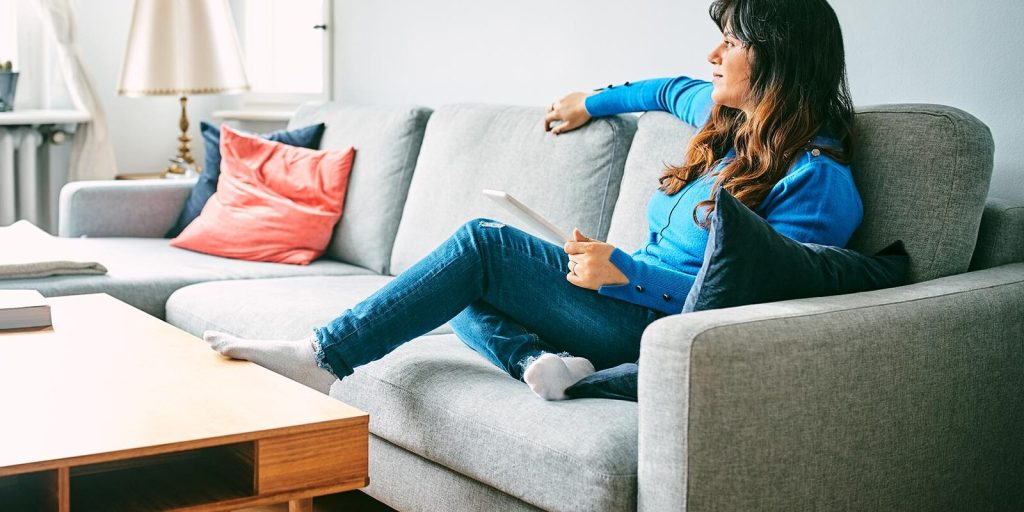
- Comfortable and functional furniture. Think about pieces that invite relaxation, such as oversized chairs or cushy sofas that you can sink into. The right furniture can make a world of difference, allowing you to enjoy your space fully.
Every detail matters when creating an environment that promotes peace and wellness. From color schemes to the types of textiles you choose, each element contributes to the overall feeling of serenity. The journey toward a better life starts with the spaces we inhabit, fostering not only relaxation but also a deeper connection to ourselves and our surroundings.
DISCOVER MORE: Click here to learn about intentional design
The Impact of Clutter on Mental Health
Exploring the effects of a clutter-free environment on psychological well-being reveals a strong correlation between disorganization and mental health challenges. A multitude of studies, including recent research from the University of California, illustrate how the presence of clutter can elevate stress hormone levels, such as cortisol, in individuals. Elevated cortisol not only contributes to feelings of anxiety but is also linked to chronic health conditions, including heart disease and depression. When our surroundings are disorganized, it can make relaxation elusive, further exacerbating stress levels and leading to chronic feelings of worry and discontent.
Clutter: A Barrier to Relaxation
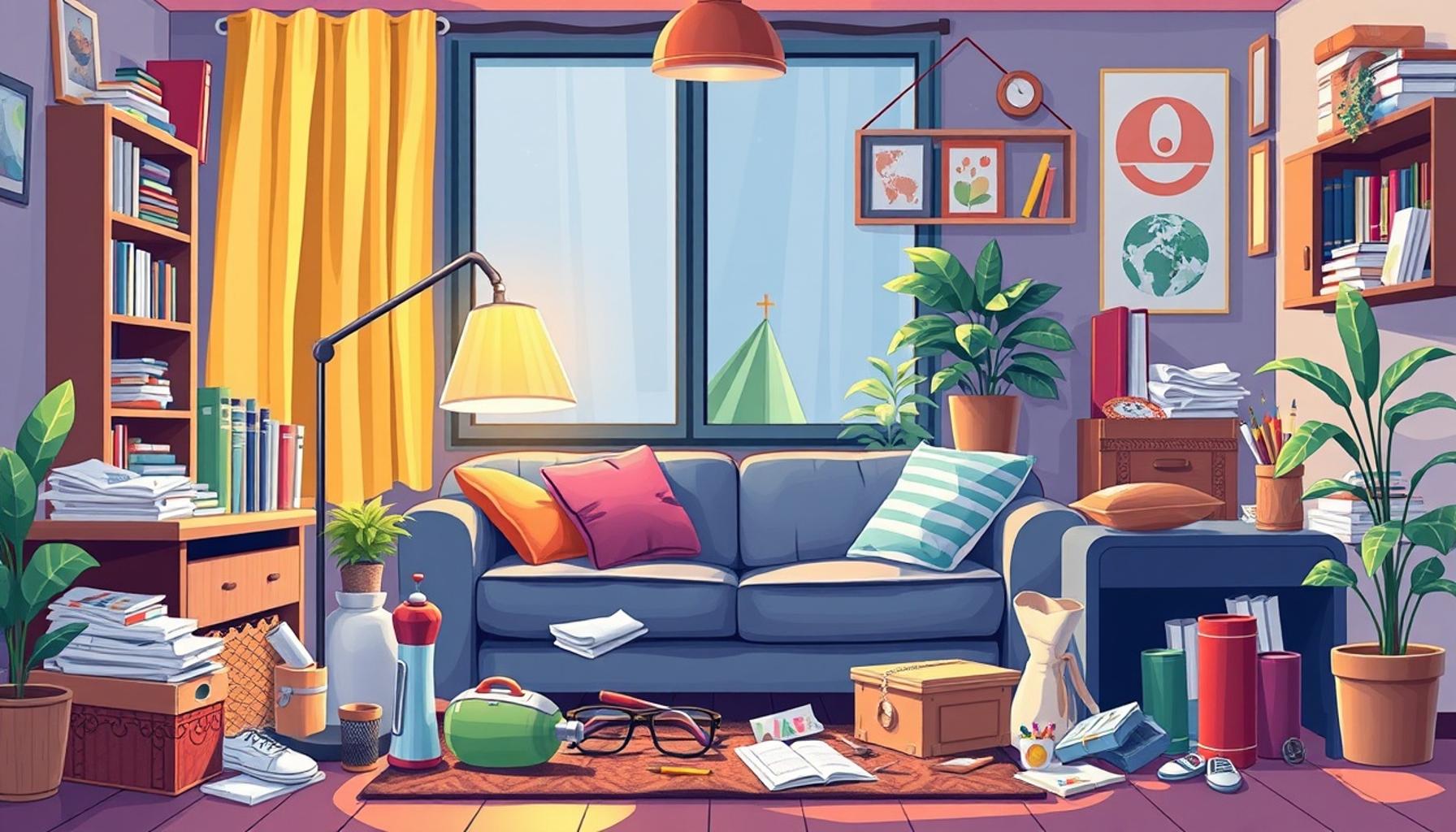
The impact of clutter goes beyond simple aesthetics; it acts as a persistent distraction that can influence our mental states. Even if we are not consciously aware of it, clutter creates an environment where our brains must process excessive stimuli. Consequently, it can lead to cognitive overload, making it challenging to focus or unwind. A pivotal study published in the *Personality and Social Psychology Bulletin* found that participants living in cluttered environments reported significantly higher levels of tension and anxiety compared to those in neat, organized spaces.
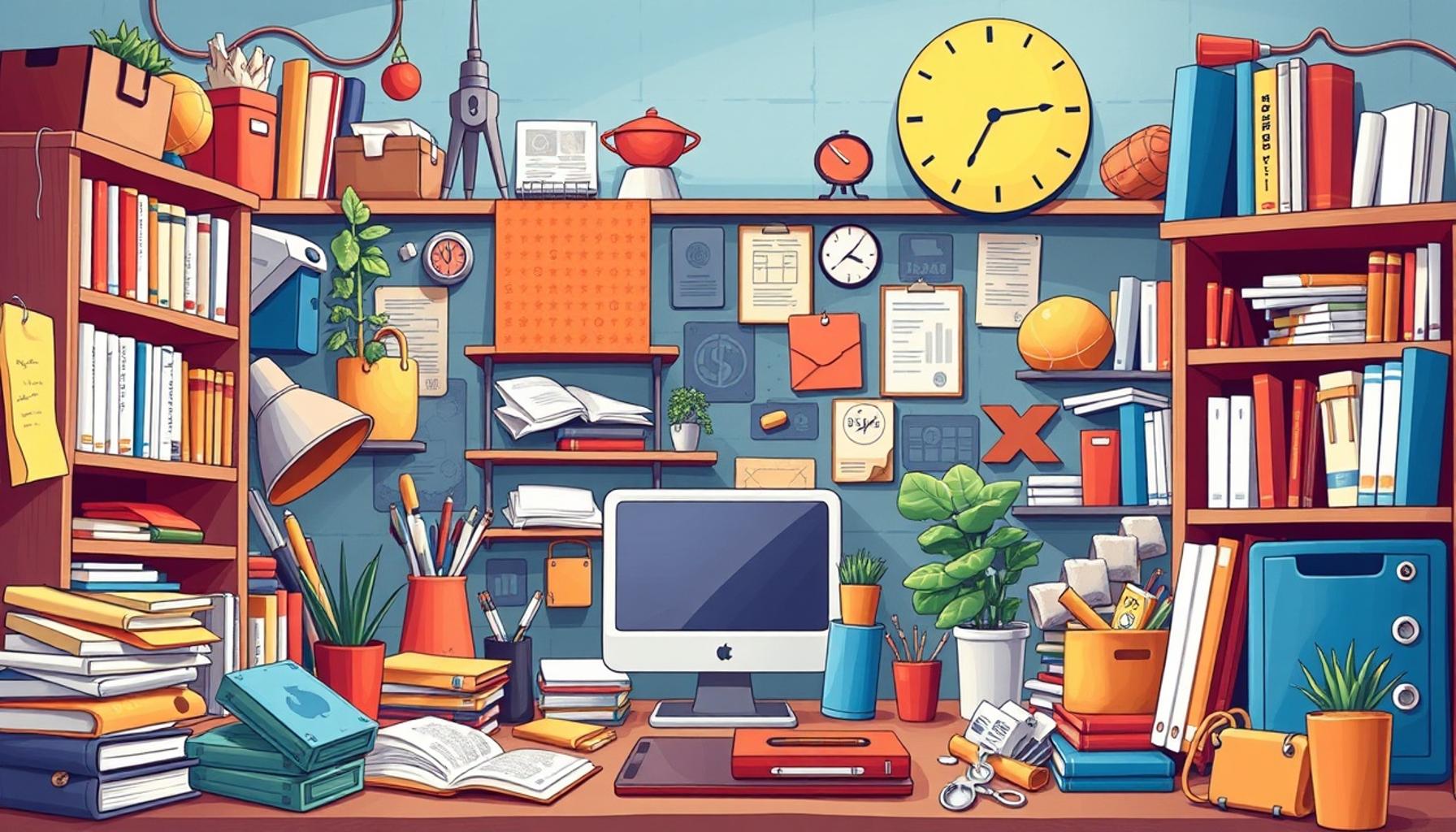
To further illustrate, think about a crowded workspace. Papers stacked high, unused office supplies scattered everywhere, and a general disarray can lead to frustration and hinder productivity. In contrast, a tidy desk allows for clear thinking and an enhanced ability to concentrate. The cumulative evidence reinforces the understanding that relaxation spaces must be purposefully curated. Each object within a space should serve a purpose or bring joy, creating an atmosphere conducive to tranquility.
Creating an Inviting Atmosphere
Transforming your environment into a calming oasis may seem daunting, but implementing small changes can result in a significant difference. Here are practical steps to reimagine your relaxation space:
- Prioritize Organization: Set aside a specific time each week to declutter areas in your home. By systematically tackling one space at a time, you can create a sense of accomplishment and reduce overwhelm.
- Limit Sensory Overload: Opt for calming decor that nurtures serenity. Soft colors like pastel blues or muted greens have been shown to evoke peace, while clashing patterns can heighten anxiety. Choosing artwork or decorations that reflect nature can also create a sense of harmony.
- Incorporate Calmness Tools: Enhance your relaxation experience by adding elements such as soft lighting, a comfortable chair, soothing music, or a sound machine that plays ambient nature sounds. These simple touchpoints can significantly contribute to a calming atmosphere.
Each of these recommendations can play a crucial role in elevating your overall relaxation experience. The premise is straightforward: cultivating a peaceful space fosters a tranquil mind, ultimately influencing emotional well-being in a positive direction. While the journey to create an organized haven may require time and patience, the substantial benefits—both mental and physical—are undeniably worth the effort. With a clutter-free environment, one can step towards a more harmonious life, paving the way for enhanced focus, creativity, and a profound sense of peace.
Understanding the Impact of Clutter on Mental Health
In today’s fast-paced world, the relevance of clutter-free environments cannot be overstated. Research indicates that clutter in our living spaces can lead to increased levels of stress and anxiety. When our surroundings are disorganized, our mind tends to mirror that chaos, which can lead to a decreased ability to focus and process information effectively. By creating relaxation spaces, we are not only enhancing our physical surroundings but also investing in our mental well-being.
Designing Your Relaxation Space
To truly benefit from clutter-free environments, it’s essential to thoughtfully design your relaxation space. Utilizing calming colors, natural light, and minimal decor can significantly elevate the overall ambiance. Consider integrating elements such as plants or serene artwork to create a sensory-friendly experience that promotes tranquility. Ultimately, a well-designed relaxation space not only offers an escape but also nurtures the mind and body connection.
Embracing Minimalism
Adopting a minimalist approach in your relaxation spaces can lead to profound advantages. Minimalism encourages us to prioritize items that truly add value to our lives, helping to foster a sense of peace and clarity. It’s about more than just aesthetics; it’s about crafting an environment that reflects who we are while eliminating distractions. This practice can encourage mindfulness and support our journey toward emotional balance.
The Role of Nature in Clutter-Free Spaces
Integrating nature into our relaxation areas is another vital aspect of promoting well-being. Studies have shown that exposure to natural elements, such as plants, water features, or even natural light, can significantly enhance our mood and reduce stress levels. It provides a means of reconnecting with the environment, ultimately making our spaces more inviting and conducive to relaxation.
Creating a Routine in Your Relaxation Space
Finally, to fully harness the potential of your clutter-free environment, it’s essential to build a routine that fosters relaxation. Whether it’s a morning meditation session or an evening reading ritual, consistency is key in reinforcing the benefits of your space. By continually associating your relaxation area with peace and restoration, you empower yourself to better manage stress and cultivate a healthier lifestyle.
| Category | Advantages |
|---|---|
| Mental Clarity | Clutter-free environments reduce distraction and improve focus. |
| Emotional Stability | Having a serene space can enhance mood and lower anxiety levels. |
DISCOVER MORE: Click here to learn about the power of intentional design
Designing Clutter-Free Relaxation Spaces
Creating clutter-free relaxation spaces involves more than just tidying up; it’s about crafting environments that nourish both the body and mind. A well-thought-out design can dramatically shift our emotional landscape, facilitating feelings of calm and openness. To understand the full impact of environmental design on well-being, let’s delve into spatial organization, functionality, and aesthetic choices that influence relaxation.
The Role of Functional Design
Functional design is the foundation of any worthwhile relaxation space. This means tailoring your environment to fit your personal needs and activities. For example, a reading nook designed with built-in shelves can minimize visual clutter while providing easy access to your favorite books. According to a study conducted by the American Psychological Association, having a designated space for relaxation can help individuals delineate their work and leisure, ultimately improving mental resilience.
Consider the layout of the space. Using furniture that serves dual purposes, such as ottomans with storage or foldable tables, can reduce clutter while maximizing room usage. Additionally, ensuring that pathways are clear not only creates a safe environment but also contributes to a feeling of spaciousness. Research shows that individuals have heightened feelings of comfort and well-being in spaces that allow free movement, reinforcing the need for thoughtful spatial arrangements.
Color Psychology and Aesthetic Choices
The colors in our relaxation spaces play a crucial role in setting the mood and contributing to mental well-being. Color psychology suggests that hues can influence emotions and behavior. For instance, blue tones often promote tranquility, while yellow shades can stimulate feelings of happiness. Meanwhile, earthy tones like browns and greens can ground us, making them perfect for relaxation settings.
Incorporating natural elements, such as indoor plants or natural light, can further amplify the soothing qualities of a space. According to research published by *Environmental Science & Technology*, exposure to nature, even in small doses, can significantly lower stress levels and boost overall happiness. Thus, filling your relaxation space with well-placed greenery or utilizing sunlight can truly curate an ambiance that fosters inner peace.
Technology’s Double-Edged Sword
While technological advancements provide conveniences that can enhance our lives, they can also add to the clutter and distraction in our spaces. Implementing tech in our relaxation areas requires a thoughtful approach. For example, consider utilizing apps that guide meditation or promote mindfulness without overloading your senses with notifications. By intentionally using technology to support relaxation — rather than detract from it — you can balance the equation.
Moreover, decluttering your digital devices is equally essential. Just like physical space, a disorganized digital environment can evoke stress and inhibit relaxation. Organizing files and reducing the number of apps can mirror the calmness achieved in one’s physical surroundings, contributing to a more holistic sense of well-being.
Creating an inviting, clutter-free relaxation space is not merely an aesthetic pursuit; it is a deeply impactful decision that can significantly influence our mental health and emotional state. By focusing on functionality, aesthetics, and the smart integration of technology, we set ourselves up for an enriching experience that encourages unwinding, mindfulness, and peace of mind.
DISCOVER MORE: Click here for tips on maintaining a clutter-free home
Conclusion
In an increasingly fast-paced world, the significance of clutter-free relaxation spaces cannot be understated. As we’ve explored, these thoughtfully designed environments go beyond mere aesthetics; they can be pivotal in fostering our overall well-being. By prioritizing functional design, we can create spaces that cater to our individual needs while minimizing distractions. The inclusion of calming colors and natural elements emerges as a powerful tool for setting the mood, promoting tranquility, and enhancing emotional stability.
Moreover, as technology becomes an inextricable part of our lives, a deliberate approach to its integration within our relaxation environments is essential. By leveraging technology to support rather than hinder relaxation, we can effectively maintain harmony in our spaces. Moreover, decluttering digital realms mirrors the peacefulness achieved in physical surroundings, emphasizing the holistic nature of our well-being.
Ultimately, the creation of a clutter-free relaxation environment represents an investment in our mental health. By consciously designing spaces that allow us to unwind, breathe, and reflect, we equip ourselves with the tools necessary to handle life’s complexities. As you embark on your personal journey toward crafting an inviting sanctuary, consider the profound impact these decisions can have on both your daily routine and long-term emotional health. Embrace the power of a clutter-free relaxation space, and unlock the potential for a rejuvenated and balanced life.
Related posts:
Digital Minimalism: Creating an Organized Virtual Environment Free of Distractions
How to Create Clutter-Free Spaces: Practical Tips for a Minimalist Lifestyle
How to Incorporate Minimalism in Decor: Creating Cozy and Clutter-Free Spaces
How to Create an Efficient Organization System to Keep Spaces Always Clutter-Free
The Emotional Impact of Organized Environments: Psychological Benefits of Clutter-Free Spaces
Minimalism and Sustainability: How to Keep Spaces Organized with Less Consumption

Linda Carter is a writer and organization expert specializing in minimalism and personal organization. With extensive experience helping individuals create clutter-free, functional spaces and adopt mindful habits, Linda shares her knowledge on our platform. Her goal is to empower readers with practical advice and strategies to simplify their lives, stay organized, and achieve a sense of calm and balance in their daily routines.