Creating Minimalist Workspaces: Tips for Optimizing Efficiency in Home Office Environments
The Importance of a Minimalist Workspace
In today’s fast-paced world, distractions can hinder our ability to work effectively and efficiently. The rise of remote work has brought to light the necessity of a well-organized workspace, especially in a home environment where interruptions are prevalent. Transitioning to a minimalist workspace may be the solution many are searching for to enhance productivity. By stripping away excess, a minimalist setup allows individuals to focus solely on what truly matters.
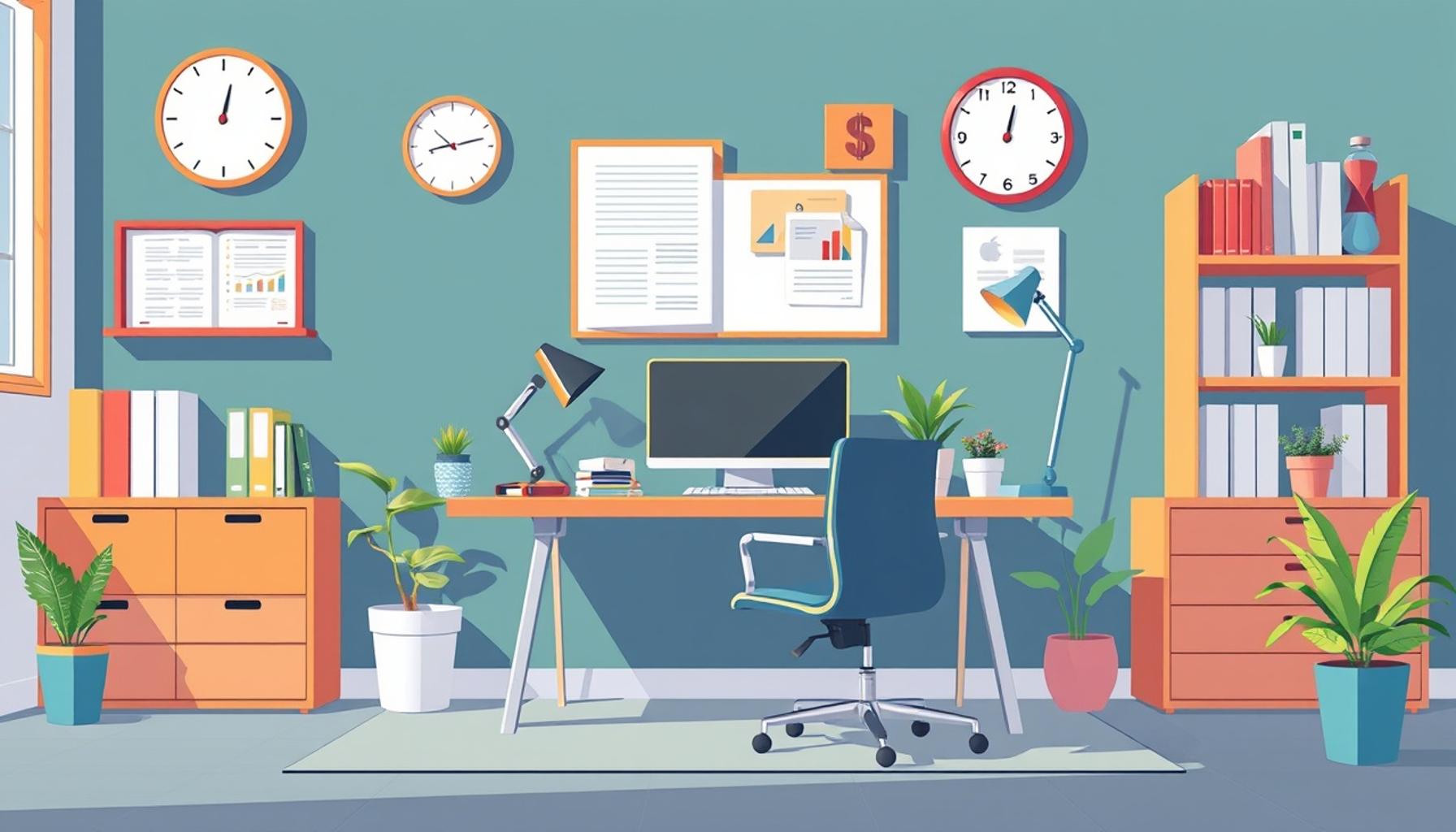
A minimalist approach emphasizes simplicity, functionality, and organization. This method not only declutters one’s physical space but also helps in clearing mental clutter. Implementing minimalism means evaluating each item in your workspace and determining its utility. Items that do not serve a clear purpose or contribute to your work should be removed; this act of decluttering significantly reduces distractions. For instance, rather than having a multitude of decorative items, consider keeping only a few that inspire you or positively contribute to your workflow.
Key Elements of Minimalism in the Workspace
- Functional furniture: Opt for furniture that serves multiple purposes—such as a desk that includes built-in storage. This not only saves space but also minimizes the visual clutter that can lead to decreased focus.
- Neutral color palette: Colors play a pivotal role in setting the mood of a workspace. Calming tones like soft grays, whites, and blues can significantly enhance concentration and create a serene working environment.
Beyond aesthetics, minimalism is about forging an atmosphere that supports your work habits. Research indicates that individuals working in clean, organized environments report higher productivity and lower stress levels. A study by the Princeton University Neuroscience Institute found that clutter can actually restrict the brain’s ability to focus, thereby affecting how effectively we work.
Benefits of Embracing Minimalism
With the growing trend of remote work, optimizing your home office environment is more crucial than ever. By applying minimalist principles, you can experience a range of benefits, such as:
- Improved focus: A decluttered workspace reduces distractions, leading to enhanced concentration on tasks at hand.
- Efficiency: An organized environment means you spend less time searching for essential tools and resources, allowing for quicker task execution.
- Increased creativity: A tranquil workspace can inspire innovative ideas and out-of-the-box thinking, essential for problem-solving and project development.
If you’re eager to revamp your workspace and unlock your full potential, it’s time to consider how minimalism can be effectively integrated into your home office. From practical tips on selecting functional furniture to adopting a neutral color palette, the journey towards a minimalist workspace is filled with opportunities for transformation. Embrace these changes, and you may find yourself not just working harder, but smarter.
DISCOVER MORE: Click here to learn how simple living enhances your mental well-being
Strategies for Designing Your Minimalist Workspace
Creating an effective minimalist workspace requires intentional planning and design. The process begins with evaluating your existing setup and considering what aspects hinder your productivity. Below are several strategies that can help you design a workspace that is not only tidy but also tailored to your work needs.
1. Assess Your Needs
Before you dive into decluttering, take a moment to understand the specific tasks you perform regularly. This can vary from remote meetings to creative brainstorming sessions. By identifying your core activities, you can tailor your workspace around supporting those functions. Are you working primarily on a computer? Consider how many monitors you truly need. Do you require ample writing space? Ensure that your desk can accommodate a notebook or sketchpad without overwhelming the surface.
2. Declutter with Purpose
The essence of minimalism is in intentionality. As you begin decluttering your workspace, use the one-year rule: If you haven’t used an item in the past year, it might be a candidate for removal. To simplify this process:
- Evaluate each item: Consider whether it contributes to your work or maintains a personal connection that enhances your motivation.
- Categorize items: Group items based on functionality—keep essential tools close at hand and store non-essential items away from your main workspace.
- Digitize where possible: Manuals, notes, and reference materials can often be scanned and stored digitally, freeing up precious space.
3. Optimize Your Layout
Once you’ve decluttered, the next step is to optimize your layout. An ideal workspace layout encourages workflow and minimizes unnecessary movements. For example, keep frequently used items within arm’s reach to avoid interruptions. This not only makes your work more efficient, but it also reduces mental fatigue by allowing you to maintain your focus. Structure your workspace into zones: a dedicated area for your computer, another for writing or brainstorming, and perhaps even a small relaxation nook to step away from your tasks, which can help reset your mind during long work sessions.
4. Incorporate Natural Elements
Minimalism doesn’t mean sacrificing comfort or warmth in your workspace. Integrating natural elements—like plants, natural light, or simple decorative pieces—can enhance the atmosphere without contributing to clutter. Studies have shown that being surrounded by greenery can improve mood and productivity, making it a simple addition that offers significant returns.
By applying these strategies to your home office, you can shift towards creating a minimalist workspace that not only looks great but also fosters a productive environment. Each small change you make contributes to a larger goal: enhancing your efficiency and comfort as you navigate the challenges of remote work. Ultimately, the journey to a refined workspace is about discovering what works best for you, empowering you to thrive in your professional life from the comfort of your home.
| Category | Details |
|---|---|
| Space Optimization | Utilizing vertical storage and compact furniture can effectively maximize available space. |
| Reduced Distractions | A minimalist approach fosters a focused environment, decreasing visual clutter that hinders productivity. |
| Efficiency in Design | Simple, clean lines in office decor encourage streamlined workflows and support mental clarity. |
| Mental Wellbeing | A decluttered workspace can significantly reduce stress and promote a sense of calm during work hours. |
In the pursuit of an efficient and well-organized home office, adopting a minimalist approach is invaluable. By focusing on space optimization, you’re not merely reducing clutter but also ensuring that every item serves a purpose, ultimately boosting productivity. Incorporating practical furniture that prioritizes accessibility can lead to significant improvements in workflow. Moreover, a reduced distractions environment is paramount for maintaining concentration—minimalist workspaces contribute to a focus-friendly ambiance, filled with only the essentials needed for task completion.Furthermore, efficiency in design can transform the look and feel of your home office. Clean lines and neutral colours contribute to a distraction-free zone that promotes creativity and encourages more in-depth focus on tasks. Lastly, there’s a notable impact on mental wellbeing; maintaining a neat environment can facilitate less stress and a serene atmosphere, conducive to productivity and creativity. With these principles in mind, explore how you can transform your workspace into a minimalist haven that enhances your overall work experience.
DISCOVER MORE: Click here for tips on organizing your space and mind
Maximizing Functionality through Minimalist Design
When it comes to creating minimalist workspaces, functionality should be at the forefront of your design decisions. A clean and organized environment doesn’t just look pleasing; it can also significantly enhance your efficiency and overall well-being. Let’s explore additional strategies that delve deeper into maximizing the functionality of your workspace while adhering to minimalist principles.
5. Choose Multi-functional Furniture
The right furniture can make or break your minimalist workspace. Opt for multi-functional pieces that serve more than one purpose, helping mitigate clutter while maximizing utility. For example, a desk that doubles as a bookshelf allows you to keep essential books and materials within reach while eliminating the need for additional shelving. Similarly, consider chairs that come with built-in storage for materials you use less frequently, which can help maintain a clean visual line and reduce distractions.
6. Leverage Technology for Efficiency
In the age of technology, embracing tools that promote efficiency can be incredibly beneficial for your minimalist workspace. Utilize apps and digital tools designed to enhance productivity, such as task management software like Trello or Asana, which can help you stay organized without the need for physical notes or reminders. Consider investing in a noise-canceling headset to reinforce focus during work hours. Additionally, carrying out functional upgrades like using a wireless charging station can streamline your device management, reducing cable clutter and fostering a neater appearance.
7. Create a Minimalist Color Palette
The color scheme of your workspace can impact your mood and productivity. Adopting a minimalist color palette centered around neutral tones such as whites, grays, and earthy hues can evoke calmness and clarity. Incorporate a few splashes of color through artwork or plants, ensuring not to overwhelm the sense of space. Research indicates that cohesive color schemes can enhance focus and eliminate fatigue, presenting a compelling reason to consider how you design your workspace.
8. Establish a Routine with Designated Spaces
Another vital aspect of a minimalist workspace is the establishment of a work routine that complements your layout. Designating specific areas in your workspace for particular tasks can create mental associations that improve focus. For example, maintain a distinct area for meetings, a corner for brainstorming, and another dedicated solely to administrative tasks. This zoning approach allows you to mentally segregate functions, making it easier to transition between tasks without losing momentum.
9. Incorporate Minimalist Decor
While it’s essential to keep your workspace as clutter-free as possible, the inclusion of minimalist decor can enhance its aesthetic without compromising functionality. Opt for simple, clean lines in decorative items. A single piece of artwork or an elegant clock can serve as a statement while adding personality to the space. Be mindful of the details you include, as they should reinforce the principles of minimalism: simplicity, functionality, and intentionality.
With these additional strategies, the pursuit of a minimalist workspace becomes more achievable. By focusing on functional design choices, you create an environment that not only supports your work but also enriches your overall experience within your home office. Embracing minimalism in your workspace is not merely about reducing physical clutter; it’s about crafting a curated environment that promotes clarity, focus, and, ultimately, success in your professional endeavors.
DISCOVER MORE: Click here to learn about the impact of spatial efficiency on mental well-being
Conclusion: Embrace Minimalism for a Productive Home Office
In conclusion, the journey to creating minimalist workspaces can profoundly impact your efficiency and overall well-being in your home office environment. By prioritizing functionality and implementing smart design choices, the clutter that often hinders productivity can be transformed into a serene and supportive workspace. From incorporating multi-functional furniture to leveraging technology that streamlines tasks, every decision you make can contribute to an atmosphere that fosters focus and creativity.
Moreover, being intentional about your color palette and minimalist décor will infuse your workspace with a sense of calm while keeping distractions at bay. Establishing clear routines and designated spaces can further enhance productivity, allowing you to transition seamlessly between tasks. As you curate your workspace, remember that minimalism is more than just an aesthetic; it represents a lifestyle choice that champions simplicity, clarity, and purpose.
As remote work continues to reshape the landscape of professional environments, exploring these minimalist strategies will not only optimize your productivity but also enhance your experience within your home office. Harness the power of a balanced workspace, and you’ll undoubtedly reap the rewards of increased creativity, better focus, and a healthier work-life integration. Embrace minimalism, and watch as it transforms not just your workspace but your entire approach to work.
Related posts:
The influence of spatial efficiency on creating relaxation and meditation environments in minimalist...
Maximizing Small Spaces: Minimalist Organization Strategies for Urban Apartments
The Art of Decluttering: How Space Efficiency Enhances Your Minimalist Lifestyle
Vertical Living: Using Wall Space for Storage and Organization in Minimalist Design
Vertical storage tips to optimize space in minimalist kitchens
Smart Furniture Choices: Selecting Pieces that Promote Space Efficiency in a Minimalist Home

Beatriz Johnson is a seasoned minimalist and writer with a passion for simplifying the complexities of personal organization and decluttering. With over a decade of experience in the field, she specializes in topics like minimalist living, efficient organization strategies, and creating intentional spaces. Through her work, Beatriz empowers readers to make mindful decisions about their belongings, streamline their lives, and embrace a more organized and fulfilling lifestyle.