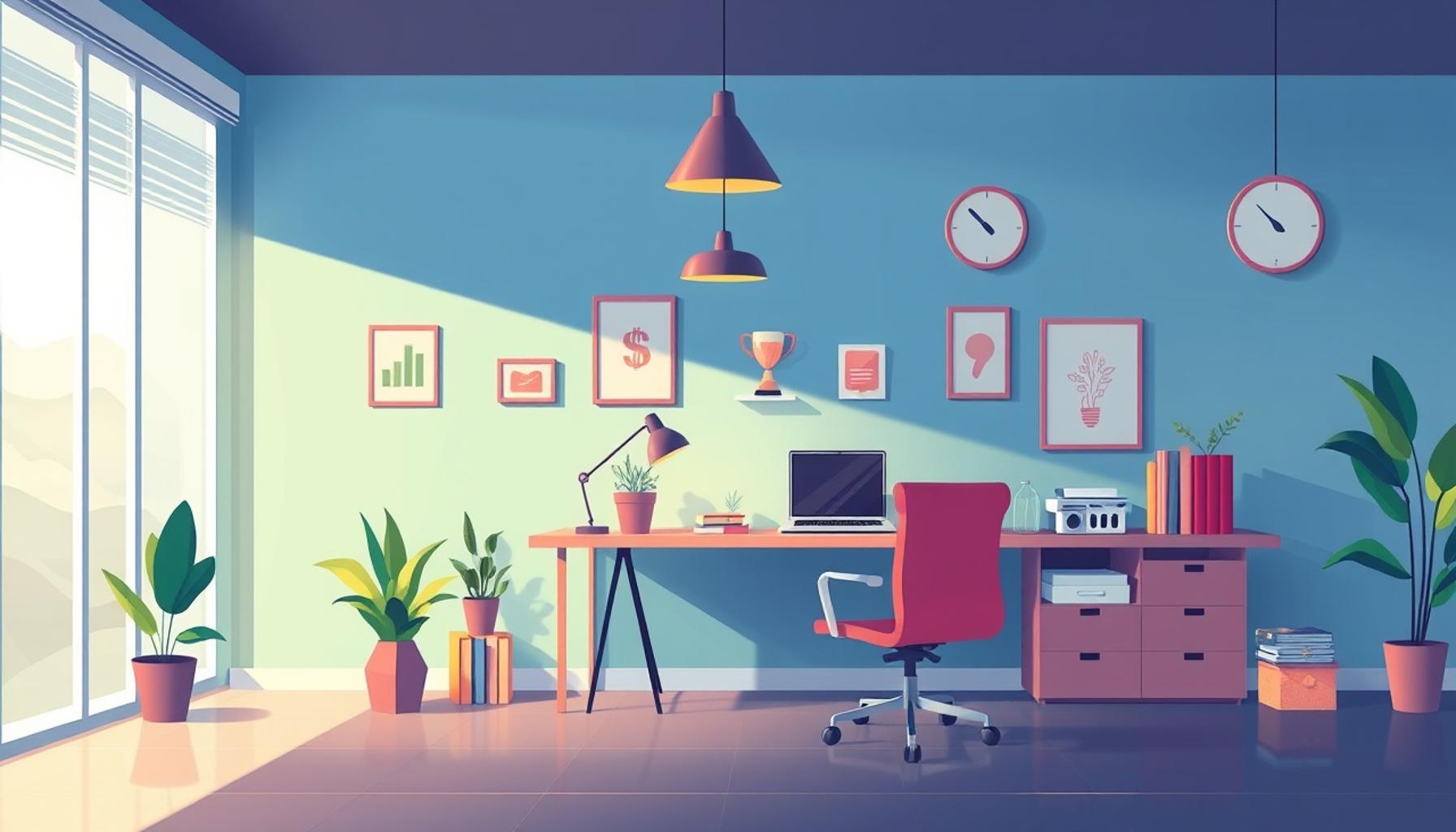
The Art of Letting Go: How to Reduce Physical Belongings to Increase Spatial Efficiency

Embrace the Power of Minimalism
In a world overflowing with possessions, the struggle to find space is a common challenge. How can we simplify our lives and create an environment that promotes peace and productivity? The secret lies in the art of letting go.
Reducing physical belongings can lead to transformative benefits, including:
- Enhanced spatial efficiency: Maximizing available space in your home or office can lead to a more functional environment. For example, a well-organized kitchen can streamline meal preparation and make cooking a more enjoyable experience.
- Improved mental clarity: A decluttered space fosters a decluttered mind. Research has shown that clutter can increase stress and distraction, whereas a minimalist environment can enhance focus and creativity.
- Increased mobility: With fewer belongings, it becomes easier to rearrange your living space or relocate when necessary. This flexibility can be particularly beneficial for those who move frequently, especially millennials who often transition between jobs and cities.
For many, the journey toward minimalism begins with a single question: What do I truly need? This inquiry can spark an insightful evaluation of personal values, triggering a shift in how we perceive material possessions. It’s not just about getting rid of things; it’s about understanding what we truly cherish and preserving those items that add value to our lives. For instance, a simple photograph can hold more significance than a closet full of unworn clothes.
As you explore the concept of letting go, consider the following strategies to streamline your belongings:
- Start small: Tackle one room or a single category at a time. This could mean starting with your closet, assessing clothing you haven’t worn in months, or your living room, where you can evaluate decor items that contribute to your aesthetic.
- Implement the one-year rule: If you haven’t used it in a year, consider letting it go. This rule applies not only to clothing but also to kitchen gadgets and tools. If you have a bread maker that has collected dust, perhaps it’s time to find it a new home.
- Seek emotional connections: Keep items that hold sentimental value and inspire joy. A handmade gift from a family member or souvenirs from memorable vacations may warrant a space in your home, while items that don’t invoke any positive feelings may not.
Join us on this journey of transformation as we uncover practical tips and insights designed to help you reduce physical clutter and enhance your spatial efficiency. Embracing minimalism not only impacts your physical environment but can lead to a more mindful, intentional way of living.
Through minimalism, you may discover the empowerment that comes with clarity and purpose, allowing you to focus on what truly matters in your life.
LEARN MORE: Click here to discover effective routines
Implement Proven Strategies to Declutter Your Life
The art of letting go can seem daunting, especially in a culture that often equates worth with material possessions. However, implementing effective strategies can ease the transition to a more minimalist lifestyle. Begin by acknowledging that decluttering is not just about reducing the number of items you own; it’s about enhancing your spatial efficiency and creating a sanctuary where you can thrive both mentally and physically.
One of the most effective techniques to start your decluttering journey is to embrace the concept of a decluttering challenge. This can take the form of the “30-Day Declutter Challenge,” where you eliminate one item on the first day, two items on the second day, and so forth. By the end of the month, you might have found *over 400* items to release. This method not only makes the process manageable but also allows for gradual progress without feeling overwhelmed.
Another popular approach is the KonMari Method, developed by tidying expert Marie Kondo. This method emphasizes the importance of keeping items that “spark joy.” Instead of focusing on what to toss out, Kondo encourages individuals to examine their belongings through the lens of joy and gratitude. This shift in mindset can make decision-making easier and more emotionally fulfilling. Therefore, as you review your possessions, ask yourself whether each item contributes positively to your life.
Consider also the importance of establishing designated spaces for your belongings. When everything has a home, it’s easier to maintain order and resist the urge to accumulate more. Implementing proper organization systems—like storage bins, labels, or even digital organization for files and documents—can streamline the way you interact with your physical space. This structure helps minimize chaos, allowing the room to serve its intended purpose effectively.
Engage in Sustainable Practices
As you embark on your decluttering journey, it’s important to engage in sustainable practices for the items you choose to let go. Instead of tossing everything in the trash, consider alternatives that can benefit others:
- Donate items in good condition to local charities or thrift stores. This not only declutters your space but also supports your community.
- Recycle electronics and materials that can be repurposed, which helps in reducing landfill waste.
- Sell items online through platforms such as eBay or Craigslist, making some extra cash while decluttering.
By adopting these sustainable methods, you not only clear your space but also contribute positively to the environment and your community. Your journey of letting go is not just about making room in your home; it’s about making room in your life for what truly matters.
As we continue to explore the art of letting go, remember that it is a process—a journey rather than a race. With each step, you will find increased spatial efficiency, improved mental clarity, and ultimately, a lifestyle that reflects your values and priorities. Embracing minimalism opens the door to a more intentional existence, liberating you from the weight of physical possessions.
| Category | Advantages |
|---|---|
| Less Clutter | Promotes mental clarity and focus, allowing for a peaceful living environment. |
| Increased Space | Maximizes the usability of living areas, making homes feel more spacious and inviting. |
| Improved Organization | Streamlines daily routines by providing easier access to essential items. |
| Enhanced Aesthetic | Creates a visually appealing environment that fosters relaxation and well-being. |
| Sustainability | Encourages mindful consumption by reducing waste and promoting eco-friendly practices. |
Through understanding these advantages, individuals can appreciate how reducing physical belongings reflects not just on living space, but on overall quality of life. For deeper insights and practical techniques to apply these principles in your daily routine, continue to explore the art of letting go and its impact on enhancing spatial efficiency.
DIVE DEEPER: Click here to discover more about cultivating presence
Transform Your Mindset and Experience the Liberation of Minimalism
As you delve deeper into the art of letting go, it’s essential to understand that minimalism transcends mere physical space. The key to sustaining a decluttered life is to transform your mindset—shifting your perspective from attachment to liberation. This fundamental change can constitute the crux of a more fulfilling lifestyle that prioritizes experiences over possessions.
Start by cultivating a mindfulness practice. Mindfulness encourages you to live in the present, making it easier to prioritize what truly matters. This practice can aid in recognizing emotional triggers that compel you to hold onto unnecessary items. Instead of knee-jerk reactions driven by nostalgia or fear of missing out, challenge yourself to ask important questions: Does this item serve a purpose in my current life? Does it enrich my daily experiences? By doing so, you’ll develop the ability to make informed decisions that align with your values.
Moreover, consider adopting the principle of one-in-one-out. For every new item you bring into your space, commit to letting go of an existing piece. This principle reinforces mindful consumption and helps curb stockpiling tendencies. By integrating this practice into your routine, you maintain a balance that fosters an atmosphere where only the essentials remain.
Seek Inspiration from Successful Minimalists
Another way to bolster your decluttering journey is to seek inspiration from those who have successfully embraced a minimalist lifestyle. Countless blogs, documentaries, and podcasts are dedicated to stories of individuals who have downsized significantly and experienced profound transformations. For instance, the popular documentary *Minimalism: A Documentary About the Important Things*, showcases various minimalists who share their lives and insights about what it means to live with less. Their experiences can offer powerful motivation and practical tips that resonate with your journey.
Add to this the concept of digital decluttering, which is often overlooked but equally important. With our lives increasingly intertwined with technology, clutter isn’t only a physical issue; it can also manifest digitally. Spend time organizing your files, unsubscribing from unused email newsletters, and deleting apps that no longer serve you. This effort can relieve digital distractions and result in more focused engagement with your activities.
Finally, implement seasonal decluttering as a periodic check-in with your belongings. Set aside a few hours every few months to reevaluate your possessions. This practice can reinforce the habit of letting go and ensure that the clutter doesn’t sneak back into your life. Seasonal decluttering can provide gentle reminders to assess the purpose and usefulness of items, enabling continuous reinvention of your living spaces.
Overall, combining emotional awareness with practical strategies will enhance your progress toward a more spatially efficient life. As you release what no longer serves you, you’ll uncover the dimensions of your space and your mind, ultimately paving the way for a lifestyle abundant in clarity and intention. Embracing minimalism isn’t just a trend—it’s a transformative journey that allows individuals to prioritize what genuinely enhances their lives, creating an enriching environment where potential thrives.
DIVE DEEPER: Click here to learn more
Embrace the Freedom of Letting Go
In conclusion, the journey of letting go is not merely about reducing physical belongings; it is a profound practice that nurtures mental clarity and emotional resilience. By adopting a mindful approach to your possessions, you’re not just decluttering your home—you are liberating your life from the constraints of excess. Creating a spatially efficient environment enhances not only the aesthetic of your surroundings but also cultivates a sense of peace and purpose that is often lost in the chaos of consumerism.
The transformation begins with a shift in focus, turning attention to what truly enriches your existence. Each item you retain should resonate with your values and enhance your daily experience. The principles discussed, such as the one-in-one-out rule, serve as powerful tools to maintain this balance and guard against future clutter. Drawing inspiration from those who have thrived in minimalist lifestyles can further ignite your passion for this journey, providing tested strategies to deepen your practice.
It’s essential to recognize that this process is ongoing. Regular seasonal decluttering and addressing digital clutter can ensure your space remains a haven rather than a source of stress. By embedding these practices into your life, you create a cycle of continuous reinvention, unveiling new dimensions of both your physical space and your inner self. Remember, the art of letting go is a lifelong journey—one that leads to the liberation of the mind and heart, revealing an enriching life filled with intentionality and tranquility.
Related posts:
How spatial efficiency can transform small apartments into functional homes
The Psychology of Minimalism: How Space Efficiency Affects Mental Clarity and Focus
Vertical storage tips to optimize space in minimalist kitchens
Maximizing Small Spaces: Minimalist Organization Strategies for Urban Apartments
How the choice of multifunctional furniture can enhance spatial efficiency in minimalist homes
Smart Furniture Choices: Selecting Pieces that Promote Space Efficiency in a Minimalist Home

Beatriz Johnson is a seasoned minimalist and writer with a passion for simplifying the complexities of personal organization and decluttering. With over a decade of experience in the field, she specializes in topics like minimalist living, efficient organization strategies, and creating intentional spaces. Through her work, Beatriz empowers readers to make mindful decisions about their belongings, streamline their lives, and embrace a more organized and fulfilling lifestyle.