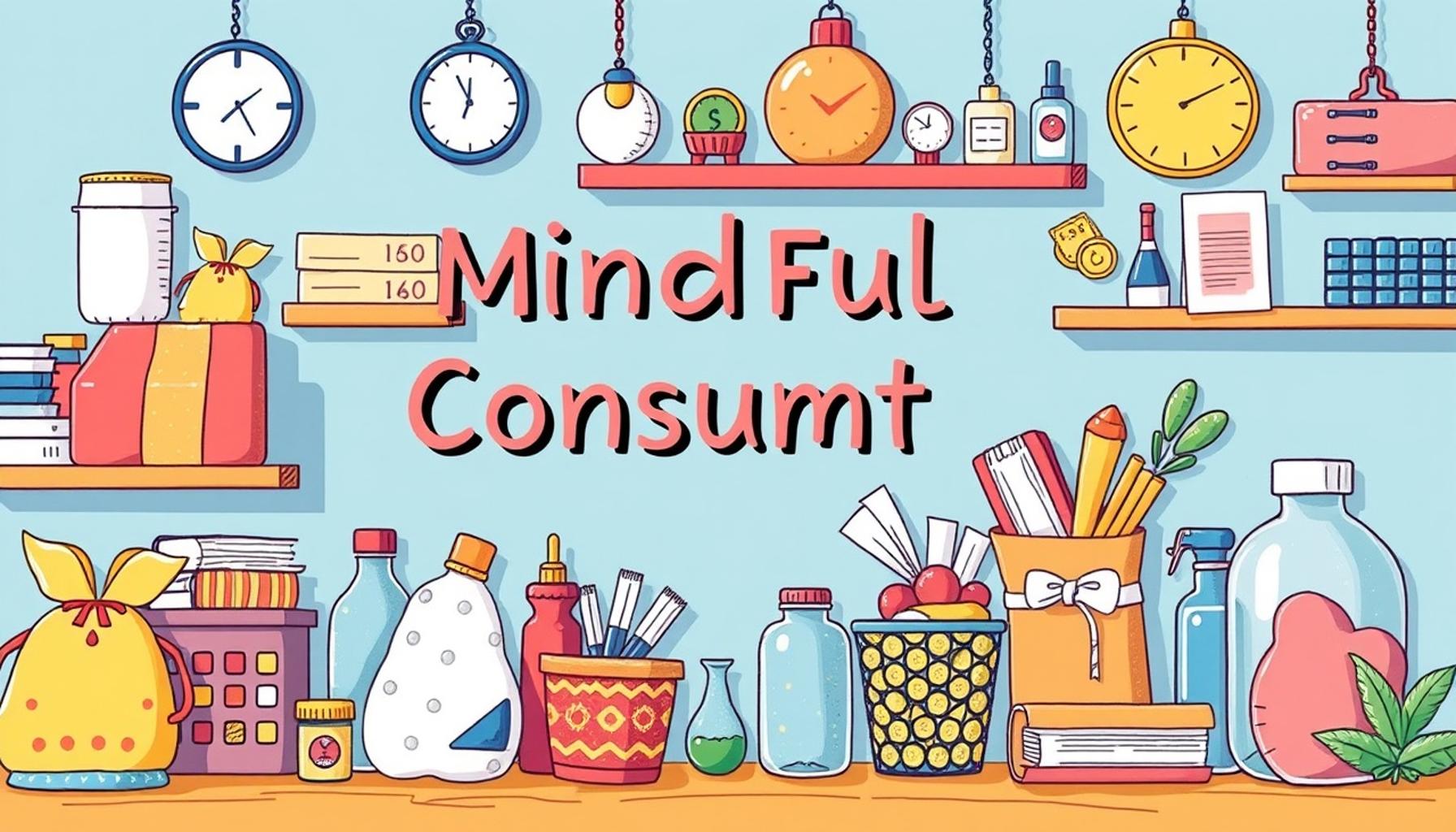
Personal Organization and Conscious Consumption: Creating Spaces that Reflect Our True Needs

The Importance of Personal Organization and Conscious Consumption
In today’s fast-paced society, where the latest technology and consumer goods are perpetually marketed to us, the need for personal organization and conscious consumption has reached a critical juncture. Individuals across the United States are frequently overwhelmed by the surplus of items in their lives, both materially and mentally. This chaos leads many to yearn for environments that resonate with their core values and genuine needs, prompting a movement towards simpler, more intentional living.
To effectively navigate this journey, it’s essential to embrace several pivotal aspects that can significantly transform our lives:
- Intentional Living: Intentional living involves developing habits that are deliberately designed to enhance our overall well-being. This can manifest through daily practices such as mindfulness meditation, journaling, or sustainable living choices like cycling to work instead of driving. By embracing intentional living, individuals can better align their actions with their personal values and aspirations.
- Mindful Consumption: Mindful consumption requires careful consideration of the items we allow into our lives. This means asking questions like, “Does this item serve a purpose?” or “Will this contribute positively to my life?” For instance, instead of impulsively purchasing the latest fashion trends, a more mindful approach might involve seeking out local artisans or second-hand shops, which not only reduces clutter but also supports local economies.
- Effective Organization: Effective organization goes hand-in-hand with intentional living and mindful consumption. This includes creating functional systematized spaces that are both practical and visually appealing. For example, utilizing vertical space with shelves, baskets for tidy organization, or decluttering personal items can create a more serene environment that boosts productivity and reduces stress.
Regardless of whether you are a busy professional juggling meetings, a student navigating academic pressures, or a family member managing household duties, cultivating an environment that promotes both clarity and productivity is crucial. Experts advocate foundational steps such as intentionally decluttering one’s space, utilizing storage solutions creatively, and engaging in conscious purchasing that emphasizes quality over quantity. Each of these initiatives contributes to creating a harmonious balance between our physical surroundings and our mental states.
The journey towards simplified living is an enriching experience that extends beyond just optimizing tangible spaces; it cultivates mental tranquility and clarity. As individuals simplify their lives, they often discover not only their personal space improving but also a newfound peace of mind. Taking the time to explore the transformative potential of personal organization and conscious consumption could lead to living environments that are vibrant reflections of our deepest truths and aspirations.
Embracing this quest for balance may require initial effort, but the outcomes—both materially and psychologically—are undoubtedly worth it. Join us in this exploration, and perhaps you will uncover a lifestyle that truly resonates with who you are.
Understanding the Foundations of Personal Organization
Personal organization is more than just tidying up or implementing a cleaning schedule; it embodies a holistic approach to establishing order and clarity in our physical and mental realms. By effectively managing our surroundings, we can create spaces that serve our true needs, increasing our overall quality of life. One approach is to examine the psychological and emotional impacts of disorganization on our daily routines.
Research has shown that clutter not only affects our physical space but also contributes to increased stress levels, decreased productivity, and difficulties in focus. When we surround ourselves with excessive items—be it in our homes, offices, or even digital spaces—we inadvertently create an atmosphere laden with distractions. This phenomenon is often referred to as “environmental overload.” To combat this, we must embark on a focused journey toward personal organization, where we prioritize clarity, function, and simplicity.
Strategies for Effective Personal Organization
To achieve a well-organized environment, consider implementing several actionable strategies:
- Declutter Regularly: Schedule a regular decluttering session, where you evaluate each item’s necessity. Ask yourself, “Do I use this regularly?” or “Does it bring me joy?” This process can enable you to part with items that no longer serve a purpose in your life, making space for what truly matters.
- Establish Zones: Create designated zones for different activities within your living or working spaces. For example, maintain a clutter-free workspace, a relaxation area, and a designated spot for hobbies. This separation can enhance focus and productivity.
- Use Storage Solutions: Invest in functional storage options, such as bins, shelves, and organizers, to maximize space efficiency. Vertical storage can be particularly effective in smaller environments. This will help you keep items accessible while reducing surface clutter.
- Embrace Minimalism: Adopting a minimalist philosophy can aid in the simplification of your space. This involves consciously choosing to keep only those items that have genuine value or utility, thus creating a more serene and inviting environment.
- Digital Organization: In an age where digital clutter can be just as overwhelming as its physical counterpart, apply similar organizational principles to your digital devices. Regularly delete unnecessary files, organize important documents into folders, and utilize productivity apps to help keep your digital life streamlined.
As we implement these strategies, we begin to cultivate an environment that mirrors our needs—enhancing our mental clarity, fostering creativity, and improving our productivity. Achieving personal organization also paves the way for conscious consumption, as we create spaces that encourage mindful interactions with our belongings. By thoughtfully evaluating what we allow into our lives, we can further reinforce the balance between the items we cherish and our overarching lifestyle goals.
Ultimately, personal organization is an ongoing journey rather than a destination. It encourages continuous reflection on our priorities and values, guiding us towards a lifestyle that is not only functional but nourishing to our overall well-being. As we delve deeper into this exploration, we can unearth the fundamental elements required to establish a living space that genuinely supports who we are.
| Benefits | Conscious Consumption |
|---|---|
| Enhances productivity | Encourages mindful purchasing decisions |
| Reduces stress | Promotes sustainability and ethical practices |
The journey towards personal organization and conscious consumption opens up a realm of benefits that not only impact our daily lives but also our environmental footprint. For instance, a well-organized space enhances productivity, allowing individuals to focus better on tasks and manage time effectively. This organization fosters an environment where clutter is minimized, leading to reduced stress levels. As people embrace organizing principles, they often find themselves making conscious decisions about purchases, reflecting a deeper understanding of their true needs.Moreover, conscious consumption cultivates mindfulness in buying habits. This approach encourages consumers to evaluate the sustainability and ethics behind products, contributing to a healthier planet. Choosing to purchase items that align with one’s values also cultivates a sense of purpose, bridging the gap between personal well-being and global responsibility. This synergy encourages individuals to invest in their environment, creating spaces that genuinely reflect their aspirations and values.
The Link between Conscious Consumption and Personal Organization
As we strive to create spaces that reflect our true needs, the role of conscious consumption becomes increasingly significant. In a world where consumerism often dictates our choices, cultivating awareness about what we bring into our lives can lead to a profound transformation in how we live. Conscious consumption is about making intentional decisions surrounding our purchases, prioritizing quality over quantity, and understanding the long-term impact of these choices on our personal environments.
The synergy between personal organization and conscious consumption is evident. When we deliberately select items that align with our values, we not only enhance our living spaces but also cultivate a clearer sense of purpose. For instance, consider the implications of purchasing eco-friendly, sustainable products. Not only do these choices contribute to a healthier planet, but they often come with a minimalist aesthetic that inherently promotes organization. High-quality, durable items typically reduce the need for frequent replacements, minimizing clutter and maximizing the utility of each product.
Mindful Shopping Habits
To facilitate a lifestyle anchored in conscious consumption, several practices can be integrated into your shopping habits:
- Assess Your Needs: Before making a purchase, evaluate if the item addresses a genuine need. This prevents impulse buys that contribute to overwhelming clutter and keeps your space aligned with your values.
- Research Products: Conduct thorough research on products. Look for brands that prioritize sustainability, ethical production, and minimal environmental impact. This aligns your purchases with a more conscientious lifestyle.
- Invest in Quality: Opt for fewer, high-quality items rather than multiple low-quality products. While the initial investment may be higher, durable items often lead to cost savings and reduced waste in the long run.
- Adopt a One-In-One-Out Rule: When bringing new items into your home, consider removing an equal number of items. This principle helps maintain organization and prevents unnecessary accumulation.
These mindful shopping habits contribute to a more refined selection of belongings, which in turn supports a more organized living space. When we cherish and thoughtfully curate our possessions, we foster an environment rich in meaning and intention.
The Psychological Benefits of a Conscious Lifestyle
Engaging in conscious consumption not only affects our physical spaces but also has profound psychological and emotional benefits. A study conducted by the American Psychological Association suggests that individuals who practice mindfulness—particularly in their consumption habits—experience lower levels of stress and greater overall satisfaction with life. This is largely due to the clarity that comes from ensuring our environments and possessions reflect our genuine preferences and priorities.
By consciously deciding what we allow into our lives, we reduce feelings of overwhelm, creating room for tranquility and rejuvenation. Much like an artist curating a gallery, each item we choose can be seen as a reflection of our identity, aspirations, and environments we wish to cultivate.
Consequently, as we delve deeper into the interconnectedness of personal organization and conscious consumption, it becomes clear that the act of decluttering extends beyond mere physical spaces. It embodies a commitment to creating an authentic self-expression in our environments, leading to a well-balanced and purposeful lifestyle that invites creativity, calmness, and an increased sense of fulfillment.
Conclusion: Harmonizing Spaces Through Mindfulness
In a world increasingly dominated by materialism, the concepts of personal organization and conscious consumption offer a pathway to not only reclaim our physical spaces but also redefine our identities. As we reflect on our genuine needs and values, the integration of these two principles becomes vital in curating environments that serve us well. By making intentional choices about what we consume and how we organize, we foster spaces that resonate with authenticity and purpose.
It is essential to recognize that the benefits of this mindful approach extend beyond aesthetics; they permeate our overall well-being. Studies indicate that organized, thoughtfully curated spaces can significantly reduce stress levels and enhance life satisfaction. This correlation suggests that when we embrace conscious consumption, we invite tranquility and clarity into our lives, allowing us the mental space to be more creative and fulfilled.
Moreover, as we commit to assessing our needs, researching sustainable options, and valuing quality over quantity, we become advocates for a more sustainable lifestyle. This shift in mindset not only empowers us as consumers but also encourages a collective move towards mindful living, which is increasingly necessary in today’s society.
In conclusion, achieving a harmonious lifestyle demands an understanding of the intricate interplay between personal organization and conscious consumption. By thoughtfully engaging with these practices, we can craft spaces that truly reflect our needs while nurturing our well-being and the world around us. It’s time to embrace this mindful journey—one where our environments become not just a backdrop to our lives, but a profound expression of who we are and strive to be.