The Art of Letting Go: How to Simplify Your Life Through Minimalism
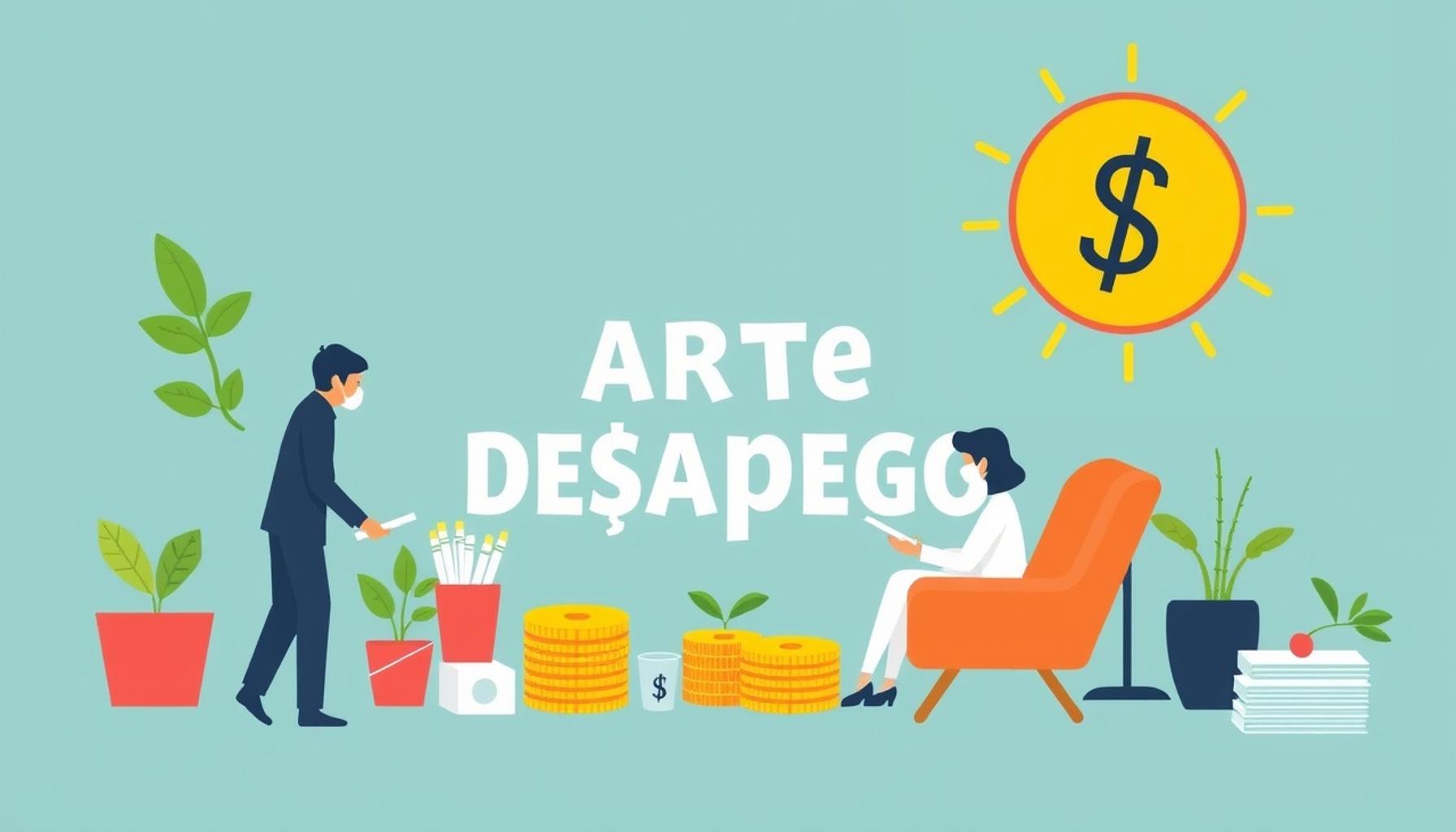
The Journey to Simplicity
In a world filled with constant stimulation and overwhelming choices, the concept of minimalism emerges as a breath of fresh air. Many people yearn for a simpler existence, yet struggle to identify where to start or how to let go of what they deem essential. This is where the transformative power of letting go comes into play. Minimalism invites us to redefine our relationship with the material world, prompting us to prioritize our mental and emotional well-being over the accumulation of possessions.
What Minimalism Offers
- Clarity: By removing clutter, both physically and mentally, you can clear space for what truly matters. This might mean decluttering your home, workspace, or even your digital environment, such as an overflowing email inbox. Imagine walking into a clean, organized room where each item serves a purpose, and you’ll instantly understand how clarity can enhance your focus and productivity.
- Freedom: Letting go of possessions can lead to a newfound sense of liberation and empowerment. The act of shedding unnecessary items, whether it’s old furniture or clothing you haven’t worn in years, frees you from the burden of ownership and maintenance. Many advocates of minimalism report feelings of lightness and more time to pursue passions and hobbies that enrich their lives.
- Focus: A minimalist lifestyle encourages prioritizing experiences over objects. Instead of spending money on material goods, many minimalists invest in travel, education, or special events with loved ones. This shift often leads to deeper connections and memories that outlast any physical possession.
Yet, defining what to release is often the biggest challenge. Homeowners, particularly in urban centers, frequently grapple with the following questions:
- Which items hold sentimental value, and which can be let go?
- What truly serves a purpose in daily life, and what is merely taking up space?
- How can you differentiate between need and want, especially in a consumer-driven society?
The journey to minimalism is often personal and unique to each individual. In major cities such as New York and San Francisco, residents are increasingly embracing the minimalist trend, often sharing their transformations on social media platforms. From tiny homes to capsule wardrobes, countless individuals across the United States have experienced a profound shift in their happiness and productivity by adopting this lifestyle.
As we delve deeper into the art of letting go, you’ll discover that minimalism is more than a trend; it’s a lifestyle choice that can radically enhance well-being. By embracing this philosophy, you can unlock the potential for a more meaningful, intentional life. Ready to explore how to simplify your life? Let’s embark on this enlightening journey together, drawing inspiration from those who have found joy through simplicity.
Understanding What to Let Go
As you embark on your journey towards minimalism, one of the first steps is to reassess your belongings and determine what truly adds value to your life. Letting go, in this context, is not merely about discarding items but about making intentional choices that align with your values and goals. To facilitate this decision-making process, it is essential to ask yourself a few key questions that can illuminate the path to simplicity:
- Does it serve a purpose? When evaluating an item, consider how often you use it. If it has not been touched in the last year, it might be time to reassess its place in your life.
- Does it spark joy? Inspired by Marie Kondo’s famous mantra, reflect on whether the object brings you happiness or satisfaction. If it doesn’t, perhaps it deserves a kinder farewell.
- Can it benefit someone else? Items you no longer need may be of great value to others. Consider donating or selling them, giving a new life to these items while simultaneously decluttering your space.
- Am I holding onto it due to societal pressure? In today’s consumer culture, feelings of obligation can lead to unnecessary clutter. Evaluate whether your attachment is driven by external expectations.
These questions serve as a guide to help you navigate the emotional landscape of decluttering. Remember, the goal of minimalism is not to achieve perfection, but to cultivate an environment that reflects your true self. It is important to approach this journey gradually; start small by focusing on a specific area of your home, like a closet or a single room, before expanding to larger spaces.
Yet, one might wonder, how can giving up physical belongings foster a more meaningful life? Research suggests that mental well-being is closely tied to physical space. Clutter can lead to stress and distraction, making it harder to focus on what matters most. According to a study conducted by the Princeton University Neuroscience Institute, excessive clutter can impair our ability to concentrate and process information. By adopting a minimalist approach, not only can you alleviate stress but also cultivate greater mental clarity, allowing for improved decision-making and creativity.
Additionally, minimalism often leads to financial freedom. By consciously choosing to buy less and invest in quality over quantity, individuals frequently find themselves with more disposable income. The principles of minimalism encourage a shift from mindless consumption to thoughtful purchasing, paving the way to a more financially stable and sustainable lifestyle.
As we delve deeper into the art of letting go, it becomes clear that this practice is not solely about giving up material possessions; it is an empowering journey towards creating a life enriched by intention and purpose. The path to simplicity is a transformative experience that, when embraced, can lead to profound changes in how we interact with our environment and ourselves.
| Feature | Benefits |
|---|---|
| Clutter Reduction | Decreases stress and creates a more tranquil living space. |
| Focus on Essentials | Enhances productivity by prioritizing what truly matters to you. |
| Financial Freedom | Reduces unnecessary spending, allowing for savings and investment in meaningful experiences. |
Adopting the principles of minimalism can be a transformative endeavor, enabling an individual to focus not merely on the physical aspects of life but also on mental clarity. By engaging in a deliberate process of letting go, individuals discover the profound impact of freeing oneself from material possessions. This shift in perspective often results in an array of benefits—from heightened emotional well-being to cultivating deeper relationships.Incorporating minimalist strategies encourages a mindset shift, promoting the value of simplicity. For instance, focusing on experiences over possessions can lead to richer, more meaningful interactions. This approach also fosters an environment conducive to reflection, facilitating personal growth through a clearer lens. To truly embrace minimalism, it’s essential to start small, assessing one’s belongings—this journey is less about deprivation and more about intentional choices that enrich life. The path to understanding the art of letting go encompasses both tangible and intangible realms, inviting an exploration of what matters most.
The Transformative Impact of Minimalism on Relationships
As we progress in our understanding of minimalism, it is imperative to recognize its profound impact not only on our physical spaces but also on our interpersonal relationships. When we embrace a simplified lifestyle, we often find that we have more time and emotional energy to invest in the connections that matter most. It leads to a sense of freedom that can enhance communication and deepen bonds.
One of the core tenets of minimalism is the idea of quality over quantity. This concept translates beautifully in the context of relationships. The time and energy saved from managing material possessions can be redirected to nurturing those bonds that bring genuine joy and fulfillment. Rather than attending numerous social events or maintaining a vast network of acquaintances, minimalism encourages focusing on a few close relationships—those that enrich our lives and foster mutual growth.
Creating Space for Authenticity
Minimalism paves the way for authenticity in our interactions. With fewer material distractions, we can engage more genuinely in conversations and experiences. When you choose to let go of excess, you naturally prioritize what aligns with your true self. This authenticity often opens up deeper conversations and vulnerabilities between friends and family, strengthening the fabric of your relationships.
- Sharing Experiences: Engaging in shared experiences, such as natural outings or community service, often fosters stronger connections than extravagant gifts or lavish parties. Minimalism encourages individuals to seek the richness of life experiences over material goods.
- Encouraging Collaborations: When burdens related to possessions are minimized, there is more room for collaborative endeavors, be it working on a project with friends or volunteering. This collective growth can enrich relationships significantly.
- Improved Communication: Less clutter often equates to less mental noise. A less distracted mind can lead to better communication, where participants in a conversation are fully engaged and present.
Minimalism’s Ripple Effect on Well-being
Moreover, adopting a minimalist lifestyle can have a ripple effect on community involvement and emotional well-being. Many individuals who simplify their lives report feeling a stronger connection to their community as they become more attuned to local needs and initiatives. This engagement often leads to increased empathy and a sense of belonging, further enhancing emotional health.
In addition to strengthening personal relationships, minimalism holds the potential to shift societal norms around consumerism. As more people embrace a refined approach to living, there is an emerging emphasis on sustainability and responsible consumption. This movement not only cultivates a healthier relationship with the planet but encourages interdependence and collaboration among community members striving for similar goals.
A Practical and Financial Perspective
From a practical standpoint, minimalism can lead to significant financial benefit. With the conscious decision to buy less, individuals often find themselves accumulating savings that can be directed toward experiences or investments that align with their core values. The funds saved from unnecessary purchases can pave the way for adventures, education, or even a down payment on a home. In the United States, investing in experiences rather than goods is increasingly recognized as a pathway to happiness and fulfillment.
As you navigate your journey toward letting go, consider the multi-dimensional impacts of minimalism not only on your space but also extending to your relationships and community involvement. This lifestyle choice ultimately empowers you to forge a life centered around what truly matters, fostering greater joy, connection, and purpose.
Embracing Minimalism: A Pathway to a Fulfilling Life
In conclusion, the art of letting go through minimalism is not merely about decluttering physical spaces; it is a profound lifestyle shift that encompasses emotional, relational, and practical dimensions. By consciously choosing to simplify our lives, we unlock the potential to cultivate deeper relationships, engage authentically with others, and find a renewed sense of purpose. As we prioritize quality over quantity, we create room for meaningful interactions that can transform the essence of our connections with family and friends.
Moreover, minimalism has a far-reaching impact on our emotional well-being. As we detach from the relentless pursuit of material possessions, we open ourselves to a more enriching, experience-driven life, which often leads to enhanced community involvement and a stronger sense of belonging. The financial benefits further amplify this shift, allowing individuals to redirect resources towards experiences and priorities that resonate with their core values.
Ultimately, adopting a minimalist approach invites you to reflect on what truly matters. It encourages exploration into aspects of life that bring joy and fulfillment outside the confines of consumerism. As this movement grows across the United States, it fosters a collective shift towards sustainability and compassion, bridging gaps within communities. By embracing minimalism and the art of letting go, you not only simplify your existence but also embark on a transformative journey toward a more intentional, connected, and gratifying life. In the end, remember that less truly can be more—more space for joy, more room for love, and a deeper connection to ourselves and those around us.