Boost Memory Skills with Image Association Games Training Guide
Enhancing Cognitive Abilities
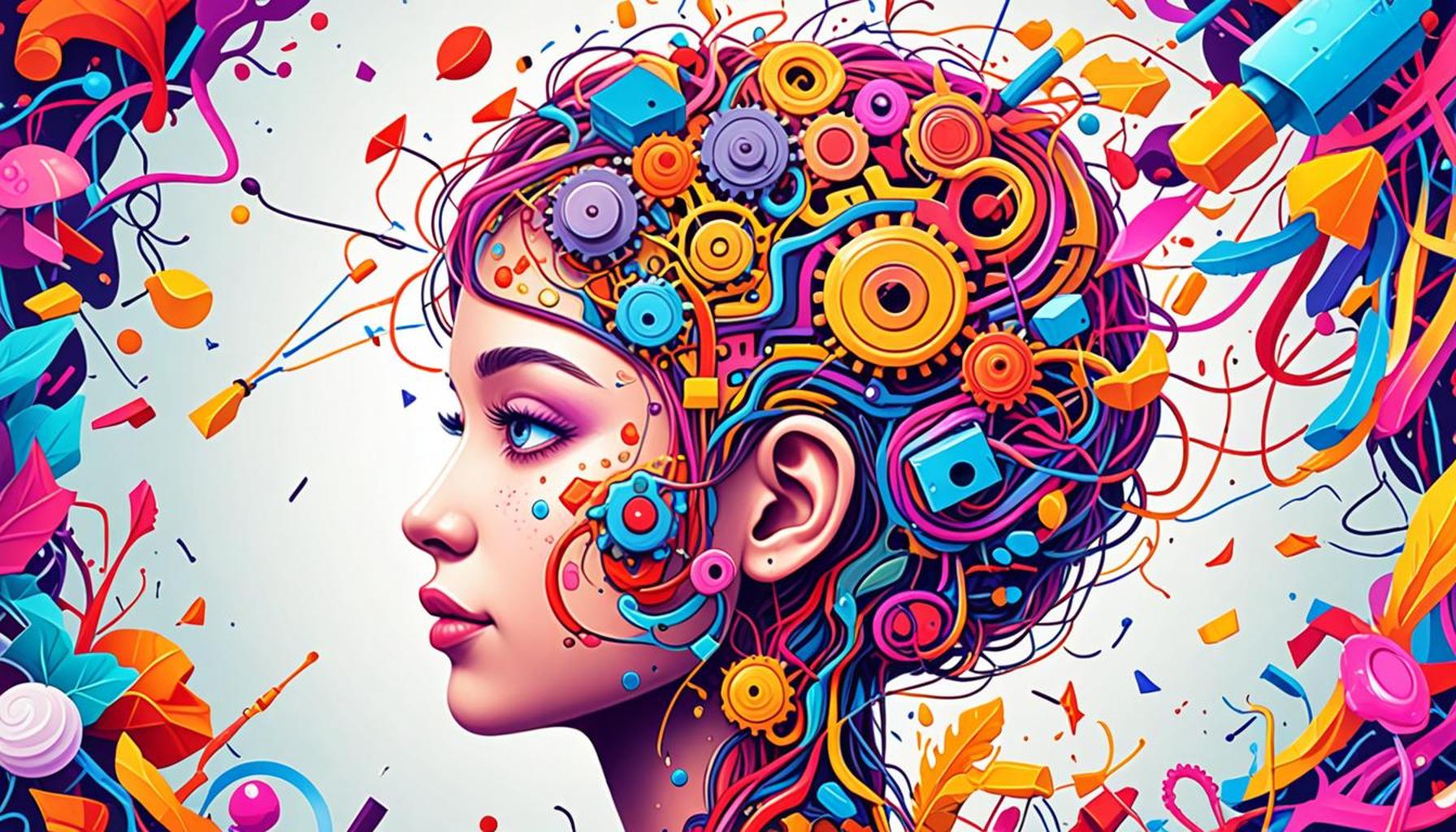
In an age where cognitive health is increasingly prioritized, memory enhancement has emerged as a vital focus for individuals of all ages. Engaging in mind games and memory puzzles, such as image association games, not only fosters mental agility but also combats age-related decline in memory. These interactive tools challenge your brain while making learning enjoyable and effective.
The Power of Image Association
Image association games leverage the brain’s natural ability to remember images better than words. By linking concepts through visuals, players can achieve quicker recall and better retention of information. This method is particularly effective for:
- Improving memory recall
- Strengthening cognitive connections
- Increasing overall brain health
Your Next Steps
As you explore the fascinating world of memory training, we’ll guide you through the Top 5 image association games that stand out for enhancing memory skills. Prepare to delve into innovative tools that can transform how you challenge and train your mind.
LEARN MORE: This related article may interest you
Top 5 Games to Train Your Memory with Image Association
Memory training has always been crucial in enhancing cognitive skills, and one of the most popular methods is using games that involve image association. Such games are not only effective but also provide entertainment, making them an enticing choice for people of all ages. They challenge players to connect images, thereby improving memory retention, recall, and general cognitive abilities. In this article, we delve into the top five games that are specially designed to boost your memory through image association, ranked from less effective to most beneficial.
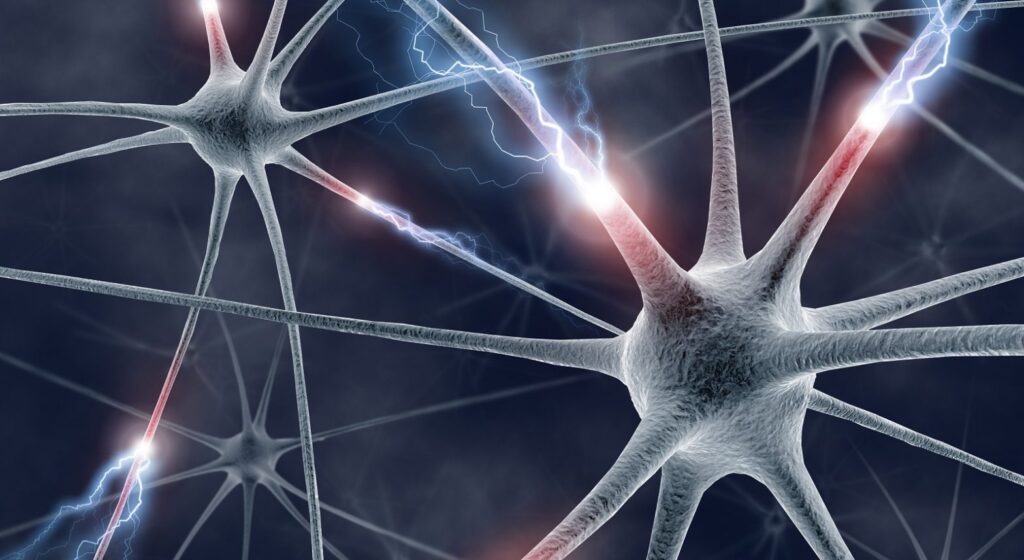
5. Memory Matching Cards
The classic game of Memory Matching Cards serves as an excellent entry point for beginners. Known also as Concentration, this game involves a set of cards with paired images, which are shuffled and placed face down in a grid format. The primary goal for players is to flip over two cards at a time, with the objective of finding all the matching pairs through memory and observation.
This game’s simplicity lends itself well to various settings, from family gatherings to classrooms, and can be tailored to different difficulty levels by altering the number of cards or the complexity of the images involved.
Pros:
- Simple rules make it easy to learn and accessible to players of all ages.
- Adaptability: Can be made more challenging for advanced players with more cards or intricate images.
- Social interaction: Often played in groups, which fosters communication and team bonding, indirectly supporting cognitive growth.
4. Picture Sequencing Games
Picture sequencing games are another fantastic tool for enhancing memory. Players are given a jumbled set of images which they must arrange in the correct order. Often these images form a narrative or depict steps in a process, such as making a sandwich or planting a seed. Successfully arranging the images requires logical thinking, memory, and attention to detail.
The nature of these games makes them highly versatile. They can be educational, teaching lessons on history or science, for example, or purely entertaining, featuring beloved stories or themes from pop culture.
Pros:
- Visual-spatial reasoning: Enhances spatial awareness and the ability to visualize the placement of items.
- Critical thinking: Encourages players to think logically and solve problems via narrative reconstruction.
- Thematic variety: Can be customized to suit educational purposes or entertainment, catering to a broad audience.
3. Spot the Difference
Spot the Difference games present players with two seemingly identical images, prompting them to find the subtle differences between them. This game is well-known for enhancing observational skills and memory recall, as players must meticulously compare details and remember them.
Playing this game can be incredibly satisfying as it trains the brain to pay attention to fine details and improve concentration, skills that are invaluable in academia and professional settings alike.
Pros:
- Attention to detail: Sharpens the player’s ability to spot even the smallest inconsistencies in visuals.
- Improved concentration: Requires and thereby develops the ability to focus for extended periods.
- Flexibility: Can be enjoyed solo or in groups, providing opportunities for both quiet concentration and competitive fun.
2. Pictionary
Pictionary combines creativity with memory enhancement, as players draw illustrations to represent prompt words while teammates guess what the images depict. Connecting words to specific images is an excellent way to improve cognitive associations and memory retention.
This game thrives in a group setting, encouraging players to exercise their creativity and quick thinking. It also provides a platform for enhancing verbal and non-verbal communication skills, making it a lively and enriching experience.
Pros:
- Fosters creativity: Encourages players to express ideas visually.
- Communication skills: Enhances the ability to convey thoughts through both drawings and spoken clues.
- Teamwork: Requires collaboration and understanding between team members to succeed.
1. Memory Palaces (Loci Method)
The technique at the pinnacle of memory-enhancing games is the powerful and ancient method of Memory Palaces, also known as the Loci Method. This technique involves associating images with specific locations within a familiar environment, such as your home or your daily commute route.
By mentally placing items, names, or concepts within these locations, individuals create vivid and personalized memory maps that significantly bolster recall. This method is renowned for its effectiveness in improving long-term memory retention and can be applied across various learning contexts, from mastering academic subjects to remembering essential lists.
Pros:
- Long-term memory enhancement: Effectively strengthens memory retention over time.
- Creative visualization: Involves vivid and imaginative engagement with content.
- Versatility: Can be adapted to a wide range of educational or personal memory challenges.
In conclusion, each of these games provides unique advantages in enhancing memory through image association. Whether embracing the classic simplicity of Memory Matching Cards, navigating the intricate paths of Memory Palaces, or exploring any game in between, these engaging activities promise to sharpen your memory and uplift your cognitive skills. Whether enjoying a group dynamic or finding solace in solitary play, start this exciting journey today to discover the power of enhanced memory!
| Category | Key Features |
|---|---|
| Cognitive Enhancement | Games focusing on image association encourage neuroplasticity, enhancing the brain’s ability to form new connections. |
| Improved Concentration | Such games demand attention to detail, allowing players to hone their focus and minimize distractions in everyday tasks. |
| Memory Retention | These games reinforce visual memory through repeated practice, significantly boosting long-term memory retention. |
| Fun & Engagement | Image association games combine entertainment with learning, making the practice of memory training enjoyable and appealing. |
Building on the idea of interactive memory training, image association games serve not just to entertain but also to present a solid foundation for cognitive growth. They are remarkably beneficial for individuals of all ages, from children developing their cognitive skills to adults seeking to maintain their mental sharpness. From another perspective, the methodology these games employ – matching images and recalling their locations – has been backed by extensive research that highlights the importance of visual cues in memory formation. This approach taps into the brain’s innate ability to remember images more readily than abstract information, making it a practical tool for those looking to bolster their memory.As players engage with such games, they undoubtedly discover that the act of playing is inherently rewarding. They experience a sense of accomplishment as they progress through levels, along with the cognitive benefits that naturally come from repeated practice. Moreover, these games can be tailored to suit different skill levels, ensuring that they remain challenging yet achievable. Expanding the scope of traditional memory training, image association games merge fun with education, representing an innovative way to engage with mental fitness practices. As they continue to evolve, new technologies such as augmented reality could introduce even more immersive experiences, further enhancing their effectiveness and appeal. By adopting an active approach to maintaining brain health through engaging and enjoyable methods, players not only forge stronger neural connections but also embrace a lifestyle that values cognitive resilience and agility. The versatility of these games ensures that memory training does not have to be a tedious task but rather an engaging adventure worth exploring.
RECOMMENDED: Check out this similar article
Frequently Asked Questions about Training Memory with Image Association Games
What are image association games, and how do they help improve memory?
Image association games involve matching images, symbols, or patterns to enhance cognitive abilities. These games stimulate the brain’s visual memory and recognition systems, making them an effective tool for boosting mental acuity. Studies have shown that regular engagement with such games can lead to improved memory retention and quicker recall abilities by creating strong neural connections.
Can anyone benefit from playing image association games?
Absolutely! Image association games are designed for people of all ages, from children developing cognitive skills to adults looking to maintain mental sharpness. These games are particularly beneficial for older adults as a fun way to engage their brains and potentially delay cognitive decline. Optimizing the difficulty level to match individual capability ensures continued cognitive development and interest.
Are there specific types of image association games recommended for memory enhancement?
There are various types, ranging from simple matching games for toddlers to complex pattern recognition games for adults. Games like Memory Match or Concentration help reinforce memory through practice. For a more challenging experience, puzzles like jigsaw puzzles or spot-the-difference games promote meticulous observation and lateral thinking, leading to comprehensive cognitive improvements.
How frequently should one play these games to see noticeable improvement?
While there is no universal rule, consistency is key. Engaging with the games a few times a week can lead to noticeable progress in cognitive function over time. Regular practice not only helps keep the brain active but also progressively challenges it to adapt to new levels of difficulty, fostering continuous improvement.
Can image association games be used in formal education or therapy settings?
Yes, these games are increasingly being incorporated into educational curricula and therapeutic practices. In schools, they aid in developing critical thinking and memory skills among students. In therapy settings, particularly for patients with memory impairments or cognitive disorders, these games serve as a fun and interactive way to support rehabilitation and enhance mental wellness.
YOU MAY ALSO LIKE: Read this other article
Unlocking the Power of Memory Through Image Association Games
Training memory with image association games offers a compelling approach to enhancing cognitive abilities. Throughout this article, we’ve explored the transformative impact these games can have on mental acuity. The ability to connect visual stimuli with information in our minds taps into our brain’s natural preference for imagery, making learning more effective and enjoyable. Whether you are looking to improve your memory for professional reasons, educational purposes, or simply as a recreational activity, incorporating these types of games into your routine can be a game-changer.
Key Takeaways
- Visual Learning Boost: Associating images with concepts strengthens memory retention and recall efficiency.
- Enhanced Cognitive Flexibility: Regular engagement with these games can improve problem-solving skills and the ability to adapt to new tasks.
- Improved Long-term Memory: These games promote deeper encoding of information, aiding in long-term memory retention.
- Accessibility and Versatility: Image association games are available in various forms, ensuring accessibility for all age groups and interests.
- Enjoyment and Motivation: The playful nature of these games fosters motivation and a positive attitude towards memory training, making the process less daunting.
Overall, image association games not only train memory but also stimulate creative thinking and mental agility. In our fast-paced world, where information overload is common, honing our memory skills through such interactive methods is more crucial than ever. By integrating these games into our daily lives, we not only nurture our cognitive health but also keep our minds sharp and prepared for future challenges. The journey to a more robust memory is both achievable and enjoyable; image association games provide a pathway to open the door to enhanced mental capabilities.
Related posts:
Quick Tips to Solve Complex Brain Teasers Faster and Easier
Boost Focus Attention Use Brain Teasers Effectively for Training
Boost Logical Thinking Brain Teasers Exercises for Mental Agility
How to Use Mental Challenges to Effectively Reduce Stress
Master Classic Riddles Efficient Tips for Quick Solutions
Creative Brain Teasers Strategies to Design Your Own Puzzles

Beatriz Johnson is a seasoned puzzle enthusiast and writer with a passion for unraveling the complexities of mind games and brain teasers. With over a decade of experience in the world of puzzles, she specializes in topics like logic games, riddles, and strategic challenges. Through her work, Beatriz empowers readers to sharpen their problem-solving skills, think creatively, and stay engaged in the ever-evolving landscape of mind games and puzzles.