
Unlocking Everyday Strength with Functional Training
In today’s fast-paced world, maintaining physical fitness can often feel like a daunting task. However, functional training offers a solution by integrating strength-building exercises into daily activities. This innovative approach focuses on movements that mimic everyday tasks, making it relevant and accessible for everyone. With an emphasis on real-life application, functional training equips individuals with the strength and resilience needed to navigate daily challenges with ease.
Functional training enhances strength, balance, and coordination through exercises that target multiple muscle groups. Here are some key features that make it appealing:
- Real-world application: Functional training emphasizes movements like squats, lunges, and pushes, which directly translate to daily tasks such as climbing stairs, lifting groceries, or even playing with children. For instance, performing a squat can prepare you for lifting heavy objects or getting up from a low chair without strain.
- Improves overall health: Regular practice can lead to better posture, reduced risk of injury, and enhanced athletic performance. As a holistic approach to fitness, functional training not only focuses on strength but also improves flexibility and endurance, contributing to a higher quality of life.
- Adaptability: One of the most significant benefits of functional training is its adaptability to suit any fitness level. Whether you’re a seasoned athlete or a beginner, exercises can be modified in intensity or complexity, ensuring inclusivity. For example, a novice can perform a modified plank on their knees while more advanced practitioners can transition to a full plank, allowing everyone to progress at their own pace.
One of the greatest advantages of incorporating functional training into your routine is its emphasis on core stability. A strong core not only supports physical strength but also contributes to better balance and coordination, essential for everyday activities. Engaging in workouts that focus on the core helps reduce the likelihood of injuries, particularly for those who spend long hours sitting at desks, which is common in many American jobs.
As you explore ways to enhance your fitness journey, consider this informative guide a gateway to integrating functional training techniques for improved strength in everyday life. From the gym enthusiast to the casual mover, there’s something here for everyone looking to elevate their fitness game. Embracing functional training may not only lead to enhanced physical capabilities but also foster a sense of empowerment, encouraging a lifestyle that values movement and strength in daily endeavors.
In summary, functional training represents a practical and engaging way to achieve fitness goals, focusing on the body’s natural movements. For those interested in discovering more, countless resources, including local classes and online programs, are available to assist in your functional training journey.
DISCOVER MORE: Click here to uncover the benefits of periodization
Choosing the Right Functional Training Exercises
When incorporating functional training into your routine, it’s crucial to select exercises that align with your everyday movements and personal goals. This method of training is all about replicating the tasks you perform daily, which can include lifting, bending, pushing, and pulling. To help you get started, here are some effective functional training exercises that will enhance your strength and improve your overall functionality:
- Squats: This fundamental movement mimics sitting down and standing up. It targets your legs, core, and even engages your back. To practice, stand with your feet shoulder-width apart, lower your body as if you were sitting back into a chair, and drive through your heels to return to the standing position.
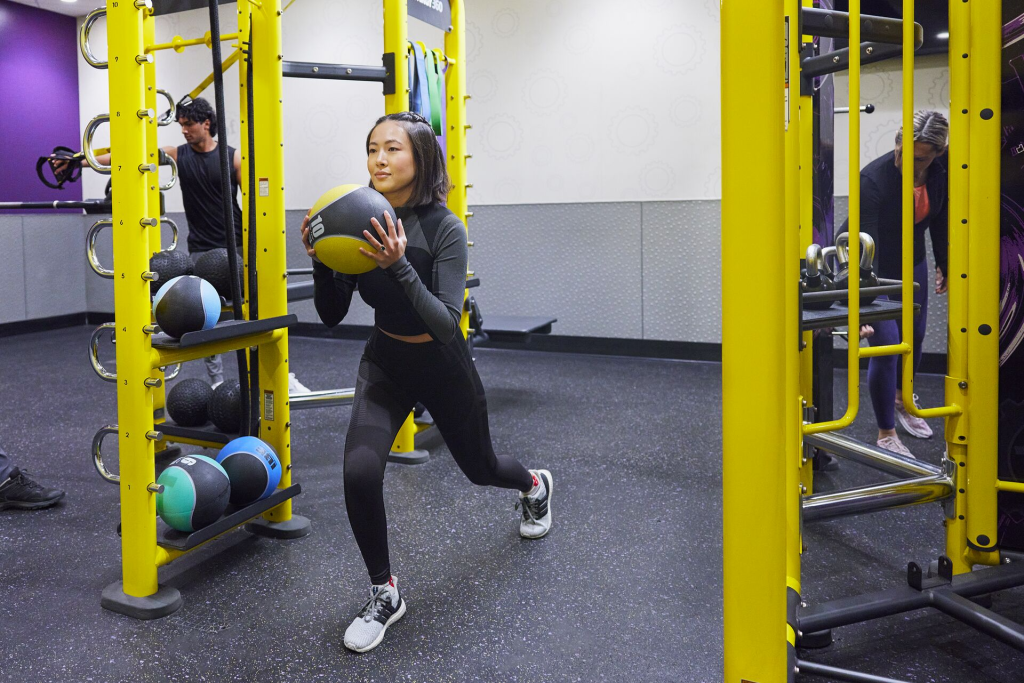
- Lunges: Lunges improve lower body strength and mimic how we walk or climb stairs. You can perform forward lunges, backward lunges, or lateral lunges to engage different muscle groups while also enhancing balance and coordination.
- Push-ups: A staple in many workouts, push-ups work the chest, shoulders, and arms while requiring core stability. You can modify them by changing hand positions or elevating your body at different angles to adjust the intensity.
- Planks: These are excellent for building core strength, vital for maintaining proper posture and preventing injuries. By holding a plank position, you engage multiple muscle groups, creating a strong foundation for all types of movement.
- Deadlifts: While more advanced, deadlifts mimic the action of picking up heavy objects. This exercise strengthens the posterior chain, which includes your hamstrings, glutes, and lower back. Concentrating on form is crucial to avoid injury.
These exercises can easily be incorporated into your daily workouts. A comprehensive functional training routine may include circuits combining some of the exercises listed above, allowing you to experience a full-body workout while enhancing your everyday strength.
Beyond physical benefits, functional training also plays a significant role in mental well-being. Engaging in exercises that allow you to feel effective and prepared for daily tasks can boost confidence and foster a positive mindset. When you experience tangible improvements in your strength and abilities, it can lead to a more active lifestyle overall.
As you consider adding functional training techniques into your regimen, remember that progression is key. Start with lighter weights or bodyweight exercises and gradually increase the intensity. If you’re unsure where to start, local fitness classes or online programs designed around functional training can provide guidance and structure to your journey.
| Category | Key Techniques |
|---|---|
| Bodyweight Exercises | Utilizes one’s own weight for resistance, enhancing control and strength. |
| Engagement of Core Muscles | Promotes stability and balance, decreasing the risk of injury during daily activities. |
Engaging in functional training can provide substantial benefits for everyday life. For instance, incorporating bodyweight exercises not only enhances strength but also cultivates essential motor skills, such as coordination and agility. This type of training mimics real-life activities, ensuring that your workouts translate into improved performance in daily tasks. Another crucial aspect of functional training is the emphasis on core engagement. Strengthening your core muscles is essential for maintaining stability and preventing injuries, especially as one ages. By focusing on the core, individuals can improve their posture, lower back health, and overall performance in various physical activities. As you incorporate these techniques into your routine, consider exploring diverse options such as kettlebells, resistance bands, and stability balls, which serve to enhance your functional strength further.
DISCOVER MORE: Click here to dive deeper into periodization
Integrating Functional Training into Your Weekly Schedule
Now that you have a foundational understanding of effective functional training exercises, the next step is to incorporate them seamlessly into your weekly routine. Establishing a consistent schedule will not only help you build strength but also make functional training a natural part of your lifestyle. Here’s how to approach integrating functional training effectively:
- Design a Balanced Schedule: Aim for a mix of functional training, cardiovascular exercise, and flexibility workouts throughout the week. For instance, consider dedicating three days to functional training, two to cardio, and one day to stretching or yoga. This balance ensures you’re not only building strength but also aiding endurance and overall fitness.
- Utilize Short Workouts: Many fear that incorporating strength training requires long hours at the gym. However, functional training can be achieved in shorter workouts, often lasting only 30 minutes. The emphasis should be on the quality of exercises rather than the duration. High-intensity interval training (HIIT) is an effective strategy within functional training, maximizing your time while enhancing overall strength.
- Incorporate Functional Movements Throughout the Day: Real-life applications of workouts are crucial. Consider performing squats while waiting for your coffee to brew or lunges as you walk the dog. This not only reinforces the functional aspect but also keeps you active throughout the day, reinforcing strength without a dedicated workout session.
- Set Specific Goals: Define what you want to achieve with your functional training. Whether it’s improving your endurance for recreational sports or increasing strength to make daily tasks easier—having clear goals will guide your choice of exercises and keep you motivated.
The Importance of Proper Form and Progression
While performing functional training exercises, safety and form should be paramount. Without proper technique, the risk of injury significantly increases, and the desired benefits diminish. Make sure to:
- Focus on Your Posture: Proper alignment is critical in functional movements. Ensure your knees don’t extend beyond your toes during squats, and maintain straight lines in your back during deadlifts.
- Engage the Core: A strong core is essential in stabilizing your body during any functional movement. Make it a habit to engage your core muscles not just during training but throughout daily activities.
- Gradually Increase Resistance: Once you feel comfortable with a particular exercise, gradually add more weight or increase rep counts. This progressive overload is vital in continuing to challenge your muscles, thereby promoting growth and increased strength.
Community Support and Resources
Engaging with a community or finding resources can add actionable support to your functional training journey. Local gyms or studios often offer classes focused on functional training techniques. You can also find a wealth of online resources, including instructional videos, workout apps, and forums where you can connect with others sharing similar fitness goals.
Moreover, consider hiring a personal trainer at least for a few sessions. They can provide professional insights into your form and create personalized programs suited to your fitness level and objectives, making your journey not only safer but also more effective.
With proper scheduling, commitment to form, and a supportive network, integrating functional training into your routine does not have to be daunting. Instead, it can become an exciting and empowering part of your fitness lifestyle, paving the way toward greater strength, stability, and overall well-being.
DISCOVER MORE: Click here to learn about periodization in weight training
Conclusion: Empowering Your Strength Journey
Incorporating functional training into your daily routine is not merely an exercise choice; it’s a transformative lifestyle change that can significantly enhance your everyday strength and functionality. By focusing on movements that mimic real-life activities, you seamlessly build strength that translates to improved performance in daily tasks, athletic pursuits, and overall physical well-being. Moreover, the versatility of functional training allows you to engage in shorter, more efficient workouts that fit even the busiest schedules, ensuring that fitness becomes an accessible aspect of your life.
With a solid understanding of key exercises, a commitment to maintaining proper form, and a network of support, you can craft a personal training experience that is both practical and powerful. Establishing achievable goals tailored to your needs will further motivate you, creating a sense of accomplishment after each session. As you embark on this journey, do not underestimate the value of community—whether online or in-person, connecting with others can enhance your progress and introduce you to new ideas and techniques.
As you move forward, remember that integrating functional training is about more than just lifting weights; it’s about cultivating a lifestyle that prioritizes strength, resilience, and the ability to tackle everyday challenges with confidence. So take the first steps, stay curious in your learning, and watch as functional training evolves into an exhilarating and enriching aspect of your health journey.
Related posts:
Utilizing Compound Exercises: Techniques for Efficiently Building Total Body Strength
Periodization Techniques: How to Plan Your Training for Sustainable Results
The Role of Proper Form in Weight Training: Techniques to Prevent Injury and Enhance Performance
The Science of Progressive Overload: Techniques to Enhance Muscle Growth
Supersets Training: Maximizing Results with Efficient Exercise Combinations
High-Intensity Training: How to Incorporate HIIT into Your Gym Routine

Linda Carter is a writer and organization expert specializing in minimalism and personal organization. With extensive experience helping individuals create clutter-free, functional spaces and adopt mindful habits, Linda shares her knowledge on our platform. Her goal is to empower readers with practical advice and strategies to simplify their lives, stay organized, and achieve a sense of calm and balance in their daily routines.