
The Importance of Maintaining Gym Equipment
In any fitness facility, maintaining gym equipment is a fundamental aspect of ensuring a safe and effective workout environment. Regular upkeep not only extends the life of machines but also effectively minimizes the risk of injuries among users. Neglecting maintenance can result in equipment malfunctions, posing potential hazards that may lead to serious accidents.
Imagine stepping onto a treadmill that suddenly stops mid-run or a weight machine that seems to have a stuck mechanism. Such malfunctions can cause more than just discomfort; they can lead to serious injuries. In addition to the physical repercussions, the financial burden of repairing faulty equipment can be significant. Negligence in maintenance can ultimately damage a gym’s reputation, leading to decreased membership retention and engagement.
To further comprehend the importance of gym equipment maintenance, consider the following points:
- Equipment Lifespan: Regular maintenance can effectively double the life of your gym machines. For instance, lubricating moving parts, tightening loose bolts, and replacing worn-out cables can prevent major breakdowns and costly replacements.
- Injury Prevention: Well-maintained devices significantly reduce the risk of accidents. A study by the National Institute for Occupational Safety and Health emphasized that proper upkeep decreases incidences of mechanical failure during workouts, promoting a safer fitness experience.
- User Satisfaction: Clean and fully functional equipment encourages gym members to return consistently and fosters a positive atmosphere. A recent survey indicated that gyms with visibly maintained equipment had higher satisfaction ratings and better membership retention rates.
Interestingly, gym equipment maintenance is not just a one-time task; it is an ongoing responsibility that requires regular attention. In the United States, gyms often observe stark contrasts in user experiences based on equipment condition. Facilities that prioritize regular inspections and maintenance tend to adhere to safety standards and comply with industry regulations, promoting an environment conducive to exercise and well-being.
Furthermore, implementing a structured maintenance schedule—such as daily inspections, weekly deep cleaning, and monthly professional servicing—can go a long way in keeping equipment in peak condition. Keeping a logbook detailing maintenance activities not only aids in tracking the state of the machines but also serves as a reference for compliance with health and safety regulations.
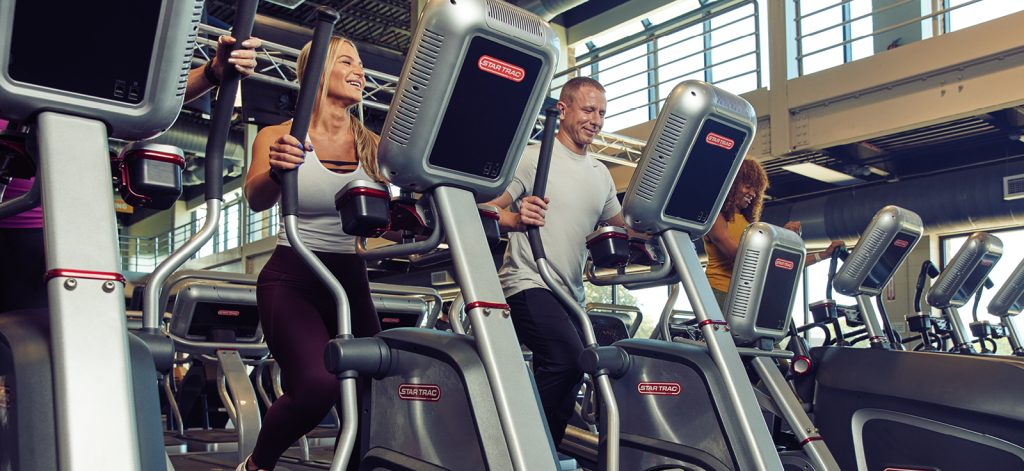
By prioritizing effective maintenance, gym owners and operators can safeguard their clientele while fostering a thriving fitness community. Explore how systematic equipment upkeep can contribute to a safer, more enjoyable workout environment, ultimately leading to a healthier lifestyle for all.
DISCOVER MORE: Click here for expert nutrition tips
Understanding the Risks of Neglected Equipment
When it comes to fitness centers and gyms, the importance of maintaining gym equipment for safety cannot be overstated. An alarming number of gym injuries can be traced back to improperly maintained machines. According to a report by the National Safety Council, approximately 30,000 injuries occur each year in the United States from exercise-related incidents, many of which are tied to malfunctioning equipment. Therefore, a proactive maintenance strategy is vital not just for the longevity of the equipment but also for the well-being of the gym’s patrons.
Proper maintenance not only ensures safety but also enhances performance. Treadmills, for example, require regular belt adjustments and lubrication to operate smoothly. If these tasks are overlooked, runners can experience unexpected jolts or friction, increasing the risk of falls. Similarly, weight machines need to be regularly inspected for loose components or frayed cables; failure to address these issues can transform a simple workout into a hazardous situation.
- Increased Risk of Injury: A study conducted by the American Journal of Sports Medicine highlighted that gyms lacking routine maintenance reported a higher incidence of injuries compared to those that adhered to strict upkeep protocols.
- Cost of Negligence: The financial ramifications of injuries caused by faulty equipment can be steep, ranging from medical expenses to potential lawsuits. A single incident can cost a gym thousands of dollars and significant damage to its reputation.
- Legal Responsibilities: Fitness centers are legally obligated to provide a safe environment for their patrons. Failure to uphold this responsibility can lead to costly litigation and, in extreme cases, the closure of the facility.
Furthermore, proper equipment maintenance can significantly influence the overall atmosphere of a gym. When members observe a dedication to safety, they feel valued and are more likely to engage with the facility consistently. In contrast, worn or faulty equipment can create an unsettling experience that discourages users from returning. According to a Fitness Industry Association study, gyms that prioritize well-maintained equipment report better customer satisfaction and retention rates, which ultimately contribute to long-term success.
To avoid the pitfalls associated with neglecting gym equipment, operators should establish a clear maintenance schedule. This plan should include daily checks to ensure machines are functioning correctly, weekly cleaning routines to prevent build-up of dust and grime, and monthly professional maintenance to address any underlying issues that typical janitorial tasks might miss. For many fitness facilities, investing in a dedicated technician or maintenance team could be a wise choice as it guarantees that equipment is in peak condition at all times.
In conclusion, the importance of maintaining gym equipment transcends the notion of simply extending the lifespan of the machines; it is all about protecting members, preserving financial resources, and fostering a supportive community centered on health and wellness. As the fitness industry continues to evolve, prioritizing equipment safety will be a crucial factor in defining the user experience.
The Importance of Maintaining Gym Equipment for Safety
When it comes to fitness facilities, whether a commercial gym or a home workout space, the state of gym equipment is paramount to ensuring not only optimal performance but also the safety of users. Proper maintenance plays a crucial role in preventing accidents and injuries that can arise from worn or malfunctioning equipment. Regular checks can identify issues like loose screws, frayed cables, or worn-out pads, which can compromise the user experience and increase risk. For example, a treadmill with a malfunctioning belt can lead to serious accidents, highlighting the necessity of regular inspections. This practice not only prolongs equipment lifespan but also enhances user confidence in the gym environment.Moreover, maintaining gym equipment aligns with industry standards and regulations. Facilities that prioritize upkeep are more likely to attract new members who prioritize their safety and well-being. As gym operators invest in training staff for routine inspection and repairs, they foster an environment of attentiveness and responsibility. In addition to safety, a well-maintained gym setup can improve overall operational efficiency. Equipment that is regularly serviced operates more smoothly and quietly, creating a better atmosphere for both users and staff. One cannot underestimate the importance of user education on equipment use and maintenance as well. Providing guidance on proper usage can empower individuals to respect gym apparatus and report potential issues promptly, ensuring that safety remains a communal responsibility.To visualize the advantages of maintaining gym equipment, consider the following table:
| Maintenance Aspect | Significance |
|---|---|
| Safety Inspections | Identifying hazards before they escalate. |
| User Education | Encouraging correct use to minimize misuse accidents. |
By focusing on these critical aspects, gym operators can create a safer, more efficient environment that promotes a positive fitness culture. Engaging users in the maintenance dialogue ensures a collective approach to safety and enhances the overall fitness experience.
DISCOVER MORE: Click here to learn about the differences
Implementing Effective Maintenance Strategies
To ensure that gym equipment remains safe and functional, implementing effective maintenance strategies is essential. A well-structured plan not only preserves the physical integrity of the machinery but also directly impacts user safety and satisfaction. Regular training for staff on maintenance protocols can make a significant difference. Staff members should be educated on the specific requirements of each type of equipment, including common issues and appropriate remedies.
One cannot underestimate the role of user feedback in a comprehensive maintenance strategy. Fitness centers should encourage members to report any irregularities they experience while using machines. A simple suggestion box or even a dedicated digital feedback system can empower users to play an active role in the upkeep of their gym. When members know their observations are valued, they tend to remain more engaged in facility wellness.
- Technological Integration: With advancements in technology, many gyms are utilizing software programs to monitor equipment health. These systems can schedule and track maintenance tasks, alerting staff to upcoming servicing needs or identifying machines that may not be performing optimally. This proactive approach can drastically reduce the risk of injury and equipment failure.
- Safety Inspections: Regular safety inspections are a crucial component in maintaining equipment integrity. It is advisable to adopt a comprehensive checklist that includes checks for electrical components, structural stability, and mechanical functioning. By adhering to a stringent inspection regime, gym operators can catch potential problems before they escalate into serious hazards.
- Manufacturer Guidelines: Adhering to the manufacturer’s maintenance recommendations cannot be overstated. Each piece of gym equipment typically comes with specific care instructions, detailing the required routine checks and servicing frequencies. Ignoring these guidelines can lead to premature wear and create unsafe conditions for users.
The role of personal trainers in this maintenance ecosystem is equally crucial. Equipped with knowledge about the machines, trainers should be proactive in educating their clients about proper usage. Clients often rely on trainers to demonstrate safe practices, and this rapport can extend to making sure machines are returned in a proper state. Trainers can also act as a bridge between the gym staff and members, facilitating timely reporting of equipment issues.
Furthermore, ongoing investment in gym equipment is necessary for long-term safety. Operators should allocate a budget specifically for equipment upgrades and replacements as technology evolves. Older machines may require more frequent maintenance and more financial resources to keep them safe, whereas newer models often come with enhanced safety features and warranties that protect against unforeseen failures. The initial higher price of new equipment can, in fact, result in cost savings by reducing injuries and maintenance needs down the line.
Thus, a cooperative effort between gym operators, staff, and patrons lays the groundwork for an effective maintenance culture. This culture not only promotes a safer gym environment but significantly enhances the overall experience for everyone involved. As the fitness journey is often a shared endeavor, safety must be prioritized to foster a community dedicated to health, progress, and well-being.
DIVE DEEPER: Click here to enhance your workout techniques
Conclusion: Prioritizing Safety Through Effective Equipment Maintenance
In conclusion, the importance of maintaining gym equipment for safety cannot be overstated. Regular upkeep and prompt repairs are essential not only to prolong the lifespan of machines but also to ensure a safe workout environment for all users. With the potential for injuries looming over poorly maintained equipment, a proactive approach must be taken by gym operators and staff to implement robust maintenance strategies.
By embracing technological integration and utilizing software to monitor equipment health, fitness facilities can maintain a high standard of safety and performance. Furthermore, establishing channels for user feedback not only fosters a sense of community among gym-goers but also aids in the timely identification of issues that might otherwise go unnoticed. The collaboration between personal trainers and gym staff enhances this maintenance culture, ensuring that users are adequately educated on equipment usage and safety practices.
Ultimately, investing in modern equipment and adhering to manufacturer guidelines allows gyms to stay ahead of the curve. Not only does this reduce the likelihood of accidents, but it also demonstrates a commitment to the health and well-being of patrons. As fitness enthusiasts continue to prioritize their health journeys, facilities must prioritize safety through diligent equipment maintenance. In doing so, they establish a foundation of trust and reliability that keeps members engaged and coming back, all while promoting a culture dedicated to fitness and safety.
Related posts:
Functional Training Equipment: What You Need to Know
How to Choose the Right Fitness Equipment for Your Workout Goals
Trends in Home Workout Equipment: What's Hot in 2024
Cardio Equipment: How to Choose the Best for Your Goals
Comparison of Weight Training Equipment: Free Weights vs. Machines
The Benefits of Investing in High-Quality Fitness Equipment for Long-Term Gains

Linda Carter is a writer and organization expert specializing in minimalism and personal organization. With extensive experience helping individuals create clutter-free, functional spaces and adopt mindful habits, Linda shares her knowledge on our platform. Her goal is to empower readers with practical advice and strategies to simplify their lives, stay organized, and achieve a sense of calm and balance in their daily routines.