
The Importance of Ergonomics in Fitness Equipment
In today’s dynamic fitness landscape, the interaction between individuals and gym equipment is critical for achieving optimal performance and minimizing the risk of injury. The science of ergonomics, which focuses on designing equipment that fits the user’s body dimensions, capabilities, and limitations, is essential in creating a safer and more effective workout environment. Understanding the role of ergonomics in fitness not only enhances user experience but also significantly contributes to injury prevention.
Proper Equipment Design
Gym machines should cater to a diverse range of body types and fitness levels. For instance, machines like treadmills and stationary bikes are often designed to adapt to different users through features such as adjustable seat height and console alignment. This inclusivity enhances user comfort while promoting an effective workout. Equipment that does not accommodate various body sizes may lead to poor posture during exercises, ultimately resulting in discomfort or injury.
Adjustable Features
Flexibility in equipment design is a hallmark of effective ergonomics. Equipment with adjustable settings allows users to customize their workouts to their specific needs. For example, a weight bench with varying incline angles enables users to target different muscle groups while maintaining proper body alignment. Similarly, adjustable resistance on machines helps in gradually increasing load, making it easier for beginners to start their journey while allowing experienced users to push their limits. Such adaptable features are vital as they reduce the risk of strain and enhance overall workout effectiveness.
Biomechanical Considerations
Proper ergonomics also involves ensuring that gym equipment promotes natural body movement patterns. Equipment that aligns with the body’s biomechanics can help diminish the likelihood of injury. For example, a leg press machine designed with the user’s natural thigh trajectory in mind allows for a safer experience that mimics the natural motion of squatting. On the contrary, machines that force unnatural angles or excessive range of motion can be detrimental, leading to long-term injuries for both casual users and serious athletes alike.
Understanding the relationship between ergonomically designed equipment and user safety is important as the fitness industry continues to evolve. As gym-goers become more aware of these principles, they are better equipped to make informed choices about their workouts. By embracing the right equipment, enthusiasts can not only amplify the effectiveness of their exercise routines but also foster an environment that promotes safety and longevity in physical activity. Dive deeper into the aspects of ergonomics in fitness to uncover how these principles can dramatically enhance your workout experience and prevent injuries.
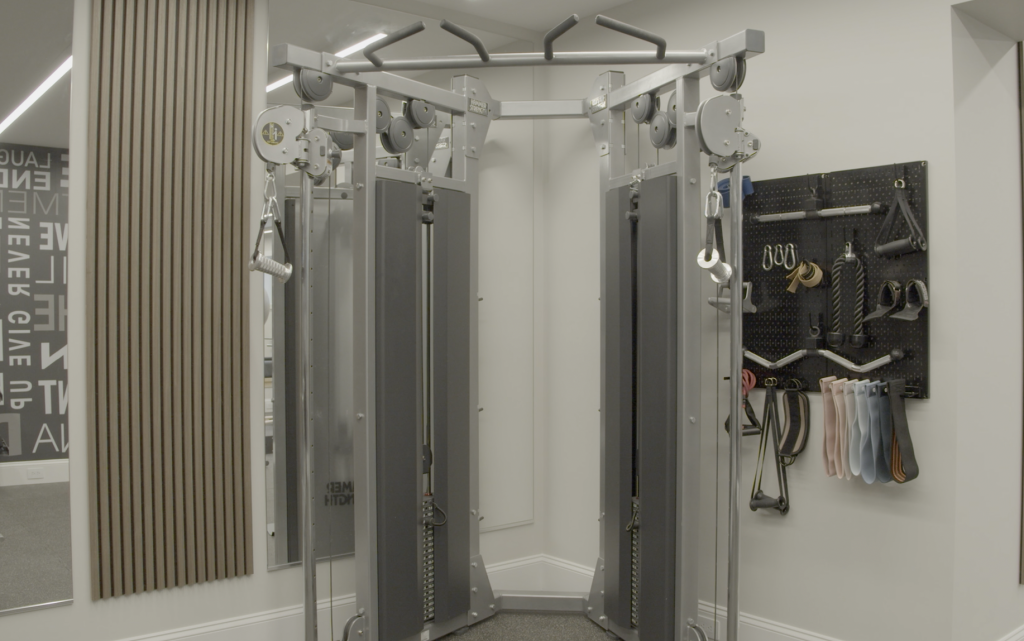
DIVE DEEPER: Click here to uncover the secrets of compound exercises
How Ergonomics Enhances Safety in the Gym
As fitness enthusiasts strive to reach their goals, the importance of choosing ergonomically designed gym equipment cannot be overstated. Understanding how well-constructed equipment contributes to injury prevention can be the difference between achieving fitness milestones and being sidelined by discomfort or injuries. When considering gym equipment, several key factors come into play that underscore the significance of ergonomics.
Ergonomic Assessments
Conducting ergonomic assessments is an essential step for gyms looking to optimize user safety. These assessments analyze how different body sizes, shapes, and movements interact with the equipment in use. Key points in these evaluations include:
- Body Positioning: Ensuring that users maintain a neutral spine and comfortable joint angles.
- Range of Motion: Evaluating how the equipment allows for natural body movements without forcing excessive extension or compression.
- Effort and Force: Considering the physical demands placed on users and how the equipment distributes these forces throughout the body.
By focusing on these elements, gym owners can select equipment that aligns with the physiological needs of a variety of users. Proper ergonomic assessments lead to equipment that promotes safe usage, ultimately reducing the risk of repetitive stress injuries and acute injuries during workouts.
Injury Trends in Fitness
Recent studies highlight alarming trends in gym-related injuries, particularly among novice users taking their first steps into the fitness world. According to the National Center for Biotechnology Information, improper equipment use is one of the leading causes of injuries in gyms. Common injuries include:
- Shoulder strains from improper bench pressing techniques
- Knee injuries from incorrect squat depths on leg machines
- Lower back pain from using machines without appropriate adjustment
The overwhelming need for effective ergonomics in gym equipment becomes clear when understanding that most of these injuries could be prevented. When gym-goers have access to properly designed equipment that is easy to adjust and aligns with their body’s mechanics, the likelihood of these injuries diminishes significantly.
The Fitness Industry’s Response
The fitness industry is actively responding to the growing awareness of ergonomic considerations. With the rise of specialized fitness facilities and custom-tailored workouts, gym equipment manufacturers are prioritizing user-centric design principles. Innovative products that focus on user comfort and safety are becoming standard offerings. This includes:
- Smart equipment that provides real-time feedback on posture and technique
- Modular machines that can be adjusted for different users within seconds
- Interactive training programs that educate users on proper usage
With these advancements, the movement towards embracing ergonomics in gym equipment is not just a trend but a necessary evolution aimed at enhancing the safety and performance of users.
As more individuals embark on their fitness journeys, understanding how ergonomic principles contribute to injury prevention is paramount. By advocating for and utilizing ergonomically designed gym equipment, everyone can enjoy a safer and more effective workout experience.
The Importance of Ergonomics in Gym Equipment for Injury Prevention
When it comes to maintaining fitness and overall wellness, understanding ergonomics in gym equipment is crucial. Ergonomics refers to the design of equipment that maximizes efficiency while minimizing discomfort and risk of injury. The right ergonomic equipment can transform a rigorous workout into a safe and effective experience. Let’s explore some of the key advantages of incorporating ergonomically designed gym equipment into your fitness routine:
| Advantages | Description |
|---|---|
| Reduced Risk of Injury | Ergonomically designed equipment supports the body’s natural movements, significantly lowering the likelihood of strains and injuries during workouts. |
| Enhanced Comfort | The use of ergonomics in gym equipment ensures that users experience less discomfort, enabling longer and more effective workout sessions. |
| Improved Performance | With better fit and support, ergonomic equipment allows users to execute exercises correctly, optimizing the effectiveness of their workouts. |
| Long-Term Health Benefits | Investing in ergonomic gym equipment promotes not just immediate fitness goals but also long-term health and vitality. |
In conclusion, the advantages of incorporating ergonomics into your gym routine extend beyond mere comfort; they are essential for safeguarding your health and enhancing your overall fitness journey. Embracing ergonomic principles in gym design can lead to improved performance and a more sustainable workout lifestyle. As the fitness industry evolves, understanding these principles becomes increasingly vital for every gym-goer.
DIVE DEEPER: Click here to learn about progressive overload techniques
Ergonomics and User Experience in Fitness
The concept of ergonomics extends beyond mere injury prevention; it significantly enhances the overall user experience within the gym. Engaging with ergonomically designed equipment can transform the way individuals perceive their workouts. When gym-goers feel comfortable and safe, they are more likely to persist with their fitness regimens, ultimately leading to improved outcomes. This correlation between ergonomics and user experience can be broken down into several crucial components.
Comfort and Productivity
First and foremost, comfort plays a vital role in workout efficiency. Equipment that is ergonomically designed takes into account the natural contours of the human body. For instance, machines with padded grips that conform to the hand and adjustable seats that promote proper posture prevent unnecessary strain during use.
When users are comfortable, they can maintain focus on their exercise routines, free from distractions caused by discomfort or improper alignment. Studies have shown that discomfort during workouts can decrease the likelihood of individuals completing their sessions. A study published in the Journal of Sports Medicine indicated that the perceived exertion of exercisers utilizing ergonomically designed equipment is notably lower compared to those using traditional equipment. This points to the dual benefit of ergonomics: not only does it mitigate injury risks, but it also enhances overall productivity.
The Psychological Impact of Ergonomics
The psychological aspect of training should not be overlooked either. Equipment that prioritizes ergonomics can boost user confidence, especially for beginners. When individuals feel that they are using safe and supportive equipment, they are more inclined to push their limits, experiment with new exercises, and stay committed to their fitness goals. Increased self-efficacy, the belief in one’s capabilities, is often seen in users who consistently engage with ergonomically friendly equipment.
The Role of Education and Guidance
Alongside ergonomics, education plays a crucial role in maximizing safety and efficacy. Gyms that invest in educating their patrons about how to effectively and safely use their equipment are more likely to see successful injury prevention outcomes. This involves:
- Staff Training: Gym staff must be well-versed in equipment setup, adjustments, and proper usage demonstrations, creating a culture of safety.
- Workshops and Classes: Offering periodic workshops that demonstrate proper techniques aligned with the equipment’s ergonomic features can empower users.
- Online Resources: Providing access to instructional videos and articles that outline the advantages of using ergonomic equipment can enhance understanding.
For example, a gym that emphasizes the importance of adjusting the seat height on stationary bikes can significantly reduce the risk of knee strain among users. This simple adjustment, when highlighted through educational means, can lead to a safer workout experience.
Research and Development in Ergonomics
As the demand for safety in fitness continues to rise, there is an increasing emphasis on research and development in ergonomic design. Manufacturers are investing in cutting-edge technologies that not only refine the physical aspects of gym equipment but also integrate features that enhance user feedback and safety. For instance, biomechanics research is often cited as a driving force behind innovations in exercise machines that promote healthier workout patterns.
The result is a new wave of fitness equipment that combines traditional exercises with smart technology. This blend of ergonomics and tech can provide real-time coaching on form, alerting users if they are at risk of injury due to poor movements or positions. Thus, advances in both ergonomics and technology are fostering an environment where injury prevention becomes a shared responsibility among equipment manufacturers, gym owners, and end users.
DISCOVER MORE: Click here to learn about supersetting techniques
Conclusion: Emphasizing Ergonomics for a Safer Fitness Journey
In conclusion, the importance of ergonomics in gym equipment cannot be overstated when it comes to injury prevention and enhancing overall workout experience. As we have explored, ergonomically designed equipment not only prioritizes the physical comfort and safety of users but also significantly boosts their confidence and motivation in pursuing fitness goals. By taking into account the natural movements of the body, such equipment reduces the risk of injuries that arise from improper alignment and strain.
Moreover, the integration of educational programs within gyms serves to further reinforce the benefits of ergonomic design. Providing users with the knowledge to adjust and use equipment properly fosters a culture of safety and empowerment. As users grow more familiar with the equipment, they are more likely to engage effectively, ultimately leading to greater fitness success.
Looking ahead, the continuous investment in research and development within the field of ergonomics is likely to yield innovative solutions that will enhance both safety and user satisfaction. With advancements in technology, we can anticipate a future where smart equipment provides real-time feedback on body mechanics, thereby proactively addressing potential injury risks.
Ultimately, promoting the importance of ergonomics in gym equipment is not just a matter of enhancing individual workouts; it’s a commitment to creating a safer, more inclusive fitness environment for all. Whether you are a seasoned athlete or just beginning your fitness journey, understanding and advocating for ergonomics can lead to a healthier and more enjoyable experience within the realm of fitness.
Related posts:
Comparison of Weight Training Equipment: Free Weights vs. Machines
Top 5 Essential Fitness Equipment for Beginners in Weight Training
Trends in Home Workout Equipment: What's Hot in 2024
The Evolution of Home Gym Equipment: Trends and Innovations
The Importance of Maintaining Gym Equipment for Safety
High-Intensity Training Equipment: Benefits and Best Options

Linda Carter is a writer and organization expert specializing in minimalism and personal organization. With extensive experience helping individuals create clutter-free, functional spaces and adopt mindful habits, Linda shares her knowledge on our platform. Her goal is to empower readers with practical advice and strategies to simplify their lives, stay organized, and achieve a sense of calm and balance in their daily routines.