
Exploring the Distinction Between Strength and Hypertrophy Training
In the realm of fitness, enthusiasts often find themselves at a crossroads, pondering which training method—strength training or hypertrophy training—will yield the best results for their personal fitness goals. While both approaches are rooted in the science of muscle development, they serve distinct purposes and offer unique benefits. Understanding the nuances of these two methodologies can empower individuals to tailor their workouts to align with their specific aspirations.
Strength training primarily concentrates on increasing the maximum amount of force a muscle can exert. This can involve lifting heavy weights for fewer repetitions, typically in the range of 1 to 5 reps per set. The primary goal is to enhance overall power and endurance. For example, Olympic weightlifters and powerlifters typically engage in strength training to perform astonishing feats, such as deadlifting over 800 pounds. Notably, this approach often includes compound movements like squats, deadlifts, and bench presses, allowing multiple muscle groups to engage simultaneously, thereby fostering functional strength for everyday activities.
On the other hand, hypertrophy training zeroes in on increasing the size of muscle fibers, usually employing lighter weights and a higher number of repetitions, typically in the range of 6 to 12 per set. The purpose here is to promote muscle growth, or hypertrophy, which is particularly appealing for bodybuilders and fitness enthusiasts aiming for a more muscular physique. Common exercises include dumbbell curls, tricep extensions, and leg presses. These exercises not only enhance the aesthetic appearance of muscles but also improve muscular endurance, which can be beneficial in activities that require prolonged effort.
Both strength and hypertrophy training play crucial roles in muscle development, yet the choice between them largely depends on individual fitness goals. For example, a rugby player might emphasize strength training to gain the explosive power needed to tackle opponents, while a fitness model may prioritize hypertrophy to achieve the desired muscle definition for photo shoots.
The upcoming sections will delve further into each training method, covering:
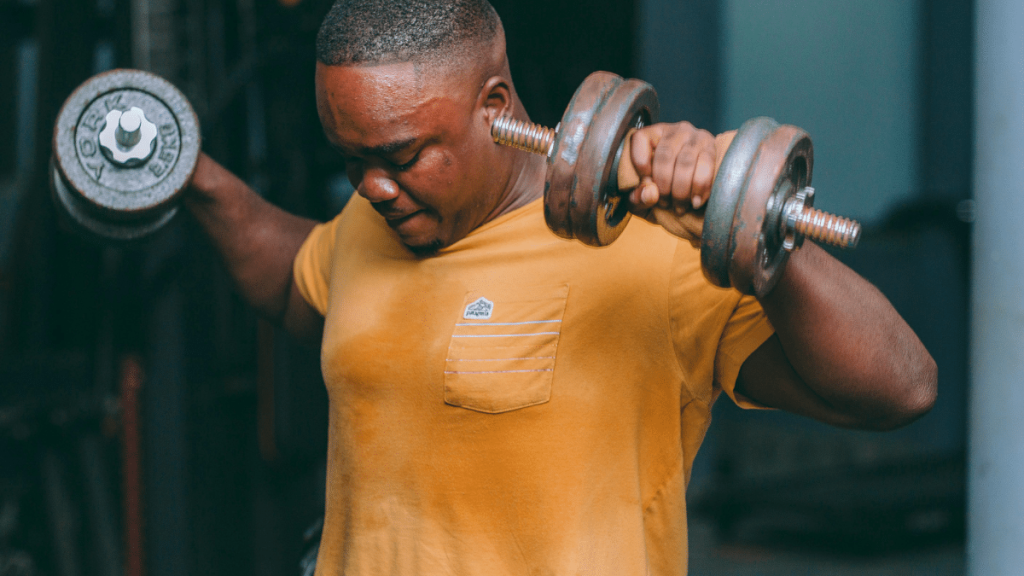
- Specific workouts tailored for maximizing strength gains versus muscle size.
- The underlying science that governs muscle adaptation to these training techniques.
- Insights from real-life athletes who embody the principles of strength and hypertrophy training.
By comprehensively examining these aspects, you will be better equipped to make informed decisions about your training approach, ultimately paving the way for a more effective and rewarding muscle growth journey. Prepare to uncover valuable strategies that can transform your fitness regimen and help you reach your ultimate fitness goals!
DON’T MISS: Click here for vital safety tips
Understanding Strength Training for Maximum Force Output
To fully grasp the effectiveness of strength training, it’s essential to delve into the principles behind it. As mentioned, strength training focuses on maximizing the force a muscle can exert, utilizing heavy weights and low repetitions. This method stimulates the nervous system, enhancing its efficiency and allowing the lifter to handle heavier loads over time. Compound movements, which form the cornerstone of strength training, engage multiple muscle groups and are particularly effective in developing overall power.
Notably, weightlifting techniques such as the squat, deadlift, and bench press are prominent within the strength training paradigm. These movements not only build significant muscle mass but also improve coordination, balance, and stability, crucial elements for athletic performance. When performed consistently, these lifts can lead to profound neuromuscular adaptations, meaning that your muscles become more adept at firing simultaneously, ultimately increasing strength outputs.
In addition to physical improvements, strength training can foster mental resilience. Lifting heavy weights requires discipline, focus, and a robust mindset, as athletes often confront and overcome self-imposed limits. Many athletes swear that breaking personal records leads to psychological benefits, such as enhanced confidence and a sense of achievement.
Investigating Hypertrophy Training for Muscle Size
Conversely, hypertrophy training is primarily centered around muscle growth aesthetics. The approach requires systematic workouts designed to fatigue the muscles sufficiently to promote cellular growth. While heavy compound lifts are common, the key differentiator in hypertrophy training lies in the volume and intensity of the workouts. The ideal rep range for hypertrophy typically falls between 6 to 12 reps, using moderate weights to ensure muscles experience significant time under tension.
Understanding the physiological aspect of hypertrophy is essential as well. The body responds to resistance training through muscle fiber damage and micro-tears, subsequently leading to repair and growth phases. This process is influenced by metabolic stress and muscle tension, both of which are intricately woven into the fabric of hypertrophy training. Exercises like dumbbell curls, tricep extensions, and leg presses are vital as they emphasize isolation movements, allowing individuals to target specific muscle groups and promote growth without disproportionately exhausting other areas.
Which Approach Should You Choose?
Considering the distinct objectives of strength and hypertrophy training, it’s crucial to assess your personal goals when choosing a program. Whether you lean toward building raw power or sculpting a muscular physique, both training methods offer valuable benefits. In addition, the integration of both approaches can often yield hybrid results, maximizing muscle growth while simultaneously building strength.
- If your aim is to increase overall athletic performance, prioritize strength training.
- If your focus is on achieving a specific aesthetic, lean towards hypertrophy training.
- To enjoy a balanced approach, combine elements of both methods in your regimen.
As you progress on your fitness journey, reflecting on your goals and desired outcomes will help guide your training strategies. Stay tuned as we delve into workouts specifically designed to optimize strength gains and hypertrophy, alongside expert insights on maximizing muscle growth effectively.
| Training Type | Key Characteristics |
|---|---|
| Strength Training | Focuses on lifting heavy weights for lower repetitions, often incorporating compound exercises. |
| Hypertrophy Training | Targets muscle size with moderate weights and higher repetitions, emphasizing muscle fatigue. |
| Muscle Adaptation | Strength training tends to prioritize neural adaptations, while hypertrophy training focuses on muscle fiber growth. |
| Recovery | Strength training may require longer recovery periods due to the intensity level, whereas hypertrophy workouts can be more frequent. |
When diving deeper into the nuances of these two methodologies, it’s crucial to understand their respective physiologies. Strength training enhances your body’s ability to exert force, cultivating both muscle coordination and efficiency in energy use. In contrast, hypertrophy training is built on the principle of creating micro-tears in muscles—leading to muscle growth during the recovery phase. Studies suggest that while both forms contribute to muscle development, they do so via different pathways. For readers considering which method aligns with their fitness goals, it’s compelling to look at the specific adaptations each training style offers, making for a thoughtful investigation into personal health and performance. This exploration reveals not only the mechanics of muscle growth but invites individuals to assess their workout preferences based on desired outcomes, ensuring that their training regime is both effective and enjoyable.
LEARN MORE: Click here to enhance your training knowledge
Determining the Right Approach: Tailoring Your Training
As you navigate the landscape of strength training vs. hypertrophy training, understanding your individual body and how it responds to different styles of workout is key. Muscle growth and strength enhancement don’t occur in a vacuum; they are influenced by genetics, nutrition, recovery, and your specific training stimulus. For instance, some individuals may find their bodies are more responsive to hypertrophy training due to pre-existing muscle fiber composition, which can dictate greater efficiency in muscle growth from higher-volume workouts.
Furthermore, research suggests that different muscle fiber types play a significant role in how one should train. The body comprises two primary muscle fibers: Type I (slow-twitch) and Type II (fast-twitch). Type I fibers are geared more towards endurance and are less prone to growth, while Type II fibers respond better to heavy lifting and exhibit greater potential for hypertrophy. For those looking to capitalize on their inherent strengths, engaging in a combination of both training modalities may yield the most efficient path to success.
A Closer Look at Nutrition and Recovery
The effectiveness of both training methods heavily depends on effective nutrition and adequate recovery. A well-designed diet plays a critical role in muscle growth, providing the necessary macronutrients to fuel your workouts and facilitate recovery. Protein intake, in particular, is paramount for both hypertrophy and strength training, as it aids in muscle repair and growth. Experts recommend consuming approximately 1.6 to 2.2 grams of protein per kilogram of body weight daily to maximize muscle protein synthesis.
Equally important is recovery, which is often overlooked but is vital for optimizing muscle growth. Studies have shown that muscle repair and growth predominantly occur during rest periods after workouts, which can last anywhere from 24 to 72 hours, depending on the intensity and volume of training. Adequate sleep and recovery days are essential components of any effective training program, allowing microtears in the muscle fibers to heal and grow larger.
Science Behind Periodization and Progression
Incorporating periodization into your training routine can enhance your results, whether you are focusing on strength or hypertrophy. Periodization is the systematic planning of athletic training, essentially breaking training programs into cycles that vary intensity and volume to yield more consistent results over time. For strength trainers, this could mean cycling between phases of low-rep heavy lifting and high-rep accessory work to increase both strength and muscle size.
For hypertrophy, a progressive overload principle is paramount, where the focus is on continually challenging the muscles by increasing weights, reps, or changing exercises to prevent plateaus. The principle of progressive overload ensures that the muscles are taken out of their comfort zones, allowing for ongoing growth and adaptation.
Popular Hybrid Training Techniques
Merging strength and hypertrophy training can unleash untapped potential, and many fitness enthusiasts are turning to hybrid training techniques. One of the most popular methods involves incorporating elements from both approaches into a single workout session. For example, one might begin their session with compound strength lifts, followed by accessory hypertrophy movements targeting specific areas for further engagement and growth.
Other innovative methods such as German Volume Training or the 5/3/1 program advocate for a balanced approach that maintains high intensity while covering sufficient volume for hypertrophy. These training programs can be beneficial for those who want to maximize their results without committing entirely to one methodology.
Ultimately, understanding your body’s unique response to different training regimens, alongside proper nutrition, recovery protocols, and even creative hybrid approaches, can lead to effective muscle growth. Exploring these varied methods will empower you to make informed decisions tailored to your personal fitness goals.
DISCOVER MORE: Click here to uncover the best cardio equipment for your fitness journey
Conclusion: Finding Your Optimal Training Strategy
In the quest for muscle growth, the debate between strength training and hypertrophy training presents varying pathways to success. Each method offers unique benefits tailored to specific goals, and understanding where your individual preferences and physical responses lie can make all the difference. Whether you aim to increase raw strength or enhance muscle size, both training styles play crucial roles in your development.
Moreover, let’s not forget the critical components of nutrition and recovery, which are foundational for maximizing the benefits of whichever training style you choose. With a proper diet rich in protein and an emphasis on recovery practices, your body will be better equipped to leverage the advantages of both strength and hypertrophy training. Embracing a holistic approach that incorporates periodization and progressive overload will facilitate lasting results, regardless of your focus.
As fitness enthusiasts increasingly adopt hybrid training techniques, the lines between strength and hypertrophy continue to blur. This trend encourages a personalized approach, allowing individuals to tap into the strengths of both methodologies. Ultimately, there is no one-size-fits-all answer to the question of which training method reigns supreme for muscle growth. Instead, the best approach reflects your personal goals, training background, and body’s unique responses. By staying informed and adaptable, you can chart your own course towards effective muscle growth and strength gains in a way that is both fulfilling and empowering.
Related posts:
Periodization Strategies to Maximize Muscle Growth
Effects of High-Intensity Interval Training (HIIT) on Muscle Growth
The Influence of Sleep on Muscle Recovery and Growth
Strength Training Strategies for Different Body Types
The Importance of Nutrition in Maximizing Muscle Growth
The Role of Rest and Recovery in Muscle Development

Linda Carter is a writer and organization expert specializing in minimalism and personal organization. With extensive experience helping individuals create clutter-free, functional spaces and adopt mindful habits, Linda shares her knowledge on our platform. Her goal is to empower readers with practical advice and strategies to simplify their lives, stay organized, and achieve a sense of calm and balance in their daily routines.