
The Road to Recovery
Returning to exercise after an injury can feel overwhelming. However, it’s essential to understand that this journey is not just about getting back on your feet; it’s about doing so safely and effectively. With the right rehabilitation training programs, individuals can transition smoothly from recovery to full activity, ensuring both physical and psychological readiness.
Assessment of Injury
The first step in any rehabilitation program is the assessment of the injury. This process involves not only identifying the specific injury but also understanding its severity and the impact it has on overall function. For example, a sprained ankle may require different rehabilitation strategies compared to a torn ligament in the knee. An accurate assessment typically involves a thorough physical examination by a healthcare professional, which may include diagnostic imaging like X-rays or MRIs. This foundational understanding is crucial as it guides the development of a focused and effective rehabilitation strategy.
Customized Exercise Regimen
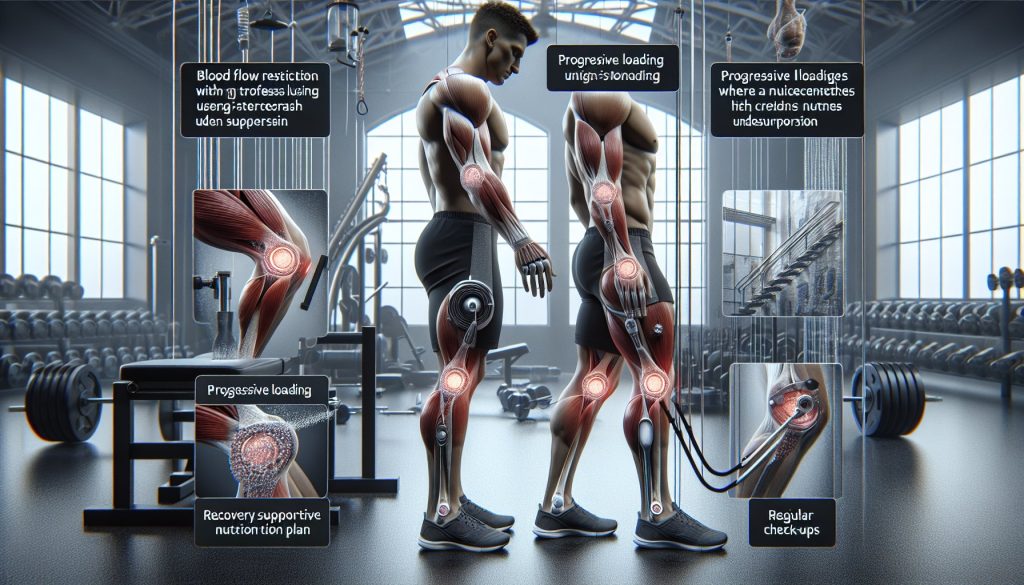
Once the injury has been assessed, the creation of a customized exercise regimen is essential. This tailored plan is designed to gradually increase in intensity and complexity based on individual capabilities and recovery progress. It typically includes a balance of strength training, flexibility exercises, and endurance-building activities. For instance, someone recovering from a shoulder injury may start with simple stretching exercises before progressing to resistance training that focuses on the muscles surrounding the shoulder joint. This gradual approach helps in rebuilding strength while minimizing the risk of re-injury.
Monitoring Progress
To ensure that individuals are on the right track, monitoring progress through regular evaluations is necessary. This could be done through follow-up appointments with a healthcare provider or physical therapist, where adjustments to the training regimen are made based on feedback and observed capabilities. By tracking milestones such as increased range of motion or improved strength, individuals can experience a sense of accomplishment that fuels motivation, which is a critical aspect of recovery.
Importance of Education
Incorporating educational resources into the rehabilitation process can significantly enhance recovery outcomes. This may include workshops on proper exercise techniques, materials on recognizing the signs of overexertion, and strategies to maintain motivation throughout the recovery journey. Consequently, both patients and trainers benefit from improved knowledge, which fosters a proactive approach to injury management.
Communication with Healthcare Professionals
Effective communication with healthcare professionals cannot be overstated. Establishing a clear line of dialogue ensures that rehabilitation goals are aligned with medical advice. This also allows for any complications or concerns to be addressed in real-time, which is crucial for a successful recovery.
Resources Available in the United States
In the United States, numerous organizations and clinics provide specialized rehabilitation programs tailored to help people safely return to their favorite physical activities. For example, the American Physical Therapy Association offers resources and referrals that help individuals find qualified therapists and structured rehabilitation programs in their area. These programs not only support recovery but may also improve overall athletic performance when returning to sports or exercise.
In conclusion, understanding and implementing effective rehabilitation training programs is critical for anyone looking to recover from an injury. By following these guidelines, individuals can navigate their recovery journey in a safe and informed manner, ultimately leading to a successful return to their physical activities.
DISCOVER: Click here to learn more about the importance of rest and recovery!
Building a Foundation for Recovery
Rehabilitation training programs are crucial in facilitating a safe return to exercise after an injury. Understanding the necessary components can significantly streamline this process. By focusing on specific strategies, individuals can enhance their recovery while reducing the risk of future injuries. Here are some pivotal strategies to consider.
Gradual Return to Activity
A gradual return to activity is fundamental in rehabilitation training. Jumping back into high-intensity workouts too soon can lead to setbacks. Instead, a phased approach should be adopted, often following the RICE protocol: Rest, Ice, Compression, and Elevation, particularly in the early days post-injury. Progressing through stages allows individuals to regain strength and mobility before re-engaging in their usual exercises.
- Initial Phase: Focus on gentle movements and stretches to regain mobility.
- Intermediate Phase: Introduce resistance training and low-impact activities, such as swimming or cycling.
- Final Phase: Gradually incorporate higher-intensity exercises, ensuring proper warm-ups and cool-downs.
Incorporating Functional Movements
Integrating functional movements into rehabilitation is vital. These movements mimic everyday activities and help restore natural movement patterns. For example, exercises like squats, lunges, and balance training not only target specific muscle groups but also promote coordination and stability. This approach not only aids physical recovery but also boosts confidence as individuals regain their ability to perform daily tasks and re-engage in sports.
Utilizing Technology and Tools
In recent years, the use of technology and tools in rehabilitation training has expanded significantly. Wearable devices, such as fitness trackers and smartwatches, provide real-time data on movement and progress. These tools help individuals monitor their recovery and keep them accountable. Additionally, apps designed for rehabilitation can guide users through exercises, tracking adherence and offering modifications to match their current capabilities.
Psychological Support
Addressing the psychological aspect of recovery is equally as important as the physical component. Injuries can lead to feelings of anxiety, fear of re-injury, and frustration. Engaging with a psychologist or counselor who specializes in sports psychology can provide the necessary support. Techniques such as visualization and positive affirmations can be employed to enhance mental resilience, helping individuals manage stress and return to exercise with renewed confidence.
As recovery progresses, it’s crucial to celebrate achievements, no matter how small. Recognizing milestones encourages continued motivation and reinforces the desire to succeed.
In summary, developing a strong foundation for rehabilitation training programs involves a comprehensive approach that includes gradual re-engagement with activities, incorporation of functional movements, leveraging technology, and psychological support. These strategies not only facilitate a safe return to exercise but also contribute to long-term well-being and performance enhancement.
| Category | Details |
|---|---|
| Personalized Training Plans | Tailored regimens addressing individual recovery needs enhance the chances of a safe return to exercise. |
| Supervision and Support | Professional guidance from therapists or trainers helps prevent injuries during rehabilitation exercises. |
Understanding the intricacies of rehabilitation training programs can significantly influence an individual’s journey back to fitness. These programs often emphasize the importance of personalized training plans, which are meticulously designed to suit unique recovery needs. This tailored approach not only accounts for the nature of each participant’s injury but also adapts to their specific health conditions and personal goals, vastly improving their transition back to regular exercise routines. Moreover, these programs facilitate supervision and support by experienced professionals, including physical therapists and certified trainers. Their expertise offers an essential layer of safety, ensuring exercises are performed correctly and minimizing the risk of re-injury. This expert guidance fosters confidence in participants as they embark on their fitness resurgence, making the process not only safer but also more effective. By incorporating the latest research and recommended practices, rehabilitation training programs serve as a pivotal conduit for effectively reintroducing individuals to exercise, underlining the significance of a structured and supportive environment.
DISCOVER MORE: Click here to learn how wearables are reshaping fitness equipment
Enhancing Recovery through Structured Support
Creating a robust framework within rehabilitation training programs is vital for individuals recovering from injuries. Not only does it facilitate a safe return to exercise, but it also encourages long-term engagement in physical activity. Establishing a multi-faceted support system can significantly enhance recovery outcomes. Here are additional strategies to consider as part of this structured approach.
Collaboration with Healthcare Professionals
Maintaining a strong line of communication with healthcare professionals is integral to a successful rehabilitation journey. Collaboration between physical therapists, physicians, and trainers ensures that all aspects of an individual’s recovery are addressed. Tailoring a program to fit specific injuries and personal goals leads to more effective outcomes. Regular follow-ups and adjustments to the rehabilitation plan based on progress can prevent setbacks and aid in a more thorough recovery.
- Regular Consultations: Schedule periodic sessions with healthcare providers to monitor progress.
- Interdisciplinary Approach: Foster communication between different professionals to create a holistic recovery strategy.
- Customized Plans: Evaluate and modify rehabilitation exercises based on individual pain responses and recovery milestones.
Focus on Core Stability and Mobility
A strong emphasis on core stability and mobility can enhance overall fitness and prevent future injuries. Core exercises, such as planks and stability ball workouts, strengthen the muscles that support the spine and pelvis. These foundational exercises should be paired with mobility work to maintain flexibility and functional movement. Incorporating yoga or Pilates can provide effective methods to improve both core strength and overall mobility, making it easier to transition back to more demanding activities.
Setting Realistic Goals
Establishing realistic goals is essential to maintaining motivation during rehabilitation. Goals should be SMART: Specific, Measurable, Achievable, Relevant, and Time-bound. This clear framework helps individuals focus on what they want to accomplish without feeling overwhelmed. For instance, setting a goal to walk for 15 minutes without pain within two weeks provides a tangible target, encouraging consistent effort and improvement.
Creating a Supportive Environment
The recovery process can be daunting, and having a supportive environment plays a critical role in reintegration into exercise routines. Surrounding oneself with positive influences—whether through friends, family, or support groups—can foster a culture of motivation and accountability. Group exercise classes or local sports clubs that welcome individuals of all fitness levels also create a sense of community, making the journey less isolating.
Nutritional Considerations
Nutrition is a fundamental aspect of the rehabilitation process and should not be overlooked. A balanced diet rich in anti-inflammatory foods—such as fruits, vegetables, whole grains, and lean proteins—can enhance healing. Ensuring adequate hydration and possibly integrating supplements like omega-3 fatty acids may also provide additional support. Consulting with a registered dietitian can help individuals align their dietary habits with their rehabilitation goals, fueling both recovery and performance.
Through integrating these strategies—collaborative healthcare, core stability, realistic goal-setting, supportive environments, and nutritional considerations—individuals can navigate their rehabilitation training programs effectively, setting the stage for a safe and sustainable return to exercise. By prioritizing these essential components, one can promote long-lasting health and physical resilience.
DISCOVER MORE: Click here to uncover the myths of strength training
Conclusion: Empowering Your Path to Recovery
In summary, rehabilitation training programs play a crucial role in ensuring a safe and effective return to exercise following an injury. By embracing a holistic approach that incorporates dynamic strategies—ranging from collaborative healthcare practices to focusing on core stability, setting achievable goals, nurturing a supportive environment, and considering nutritional aspects—individuals can significantly enhance their recovery experiences. These elements not only support physical healing but also foster mental resilience and motivation, allowing individuals to regain confidence in their bodies.
Moreover, recognizing that recovery is a personal journey underscores the importance of individualized plans tailored to unique circumstances and goals. The integration of regular assessments and modifications will ensure that rehabilitation efforts remain aligned with personal progress, minimizing the risk of re-injury and maximizing physical potential.
As you embark on or continue your rehabilitation journey, remember that patience and persistence are your allies. Embracing a proactive and informed approach will pave the way for lasting physical activity habits that contribute not only to a successful return to exercise but also to a renewed commitment to overall health and wellness. Join supportive communities, remain open to learning, and empower yourself to thrive post-injury. Your future self will thank you.
Related posts:
Circuit Training: Benefits and Structure of an Effective Program
The Importance of Variety in Weight Training Programs to Avoid Plateaus
Integrating Functional Training into Weight Training Programs: Benefits and Structure
Personalized Training Programs: How to Create a Plan that Meets Your Needs
Training Programs for Women: Focus on Strength and Muscle Growth
The Evolution of Strength Training Programs: Trends and Innovations

Linda Carter is a writer and organization expert specializing in minimalism and personal organization. With extensive experience helping individuals create clutter-free, functional spaces and adopt mindful habits, Linda shares her knowledge on our platform. Her goal is to empower readers with practical advice and strategies to simplify their lives, stay organized, and achieve a sense of calm and balance in their daily routines.