
Understanding the Essentials of Recovery Techniques
Athletes and fitness enthusiasts alike understand that intense training can lead to wear and tear on muscles, making recovery an essential part of any regimen. In this quest for optimal performance, stretching and foam rolling emerge as two remarkably effective recovery techniques. These practices not only alleviate soreness but also enhance flexibility and facilitate overall muscle health.
Why should you incorporate these techniques into your training routine? Here are a few key reasons:
- Improves Flexibility: Regular stretching increases the range of motion in your joints. This is crucial for athletes across various sports. For example, a runner can enhance stride length and efficiency, while a weightlifter can improve their lifting form, reducing the risk of injury.
- Reduces Muscle Soreness: Foam rolling can alleviate delayed onset muscle soreness (DOMS), which often occurs after rigorous exercise. Studies have shown that foam rolling helps break down muscle knots and trigger points, promoting faster recovery and allowing athletes to train harder and more frequently.
- Enhances Blood Circulation: Both methods promote better blood flow, leading to quicker recovery. Enhanced circulation delivers vital nutrients to muscles while flushing out lactic acid, a byproduct of intense workouts. This is especially noticeable in endurance athletes who require quick recovery between training sessions.
Despite their simplicity, the benefits of stretching and foam rolling are profound. Practicing these techniques does not require expensive equipment or specialized knowledge; even beginners can efficiently integrate them into their routines. For instance, spending just ten minutes a day on stretching and foam rolling can yield significant benefits over time, improving overall athletic performance.
Stretching increases flexibility but also encourages mindfulness and relaxation. Techniques like static stretching hold a position for a period, while dynamic stretching involves active movements to enhance mobility. On the other hand, foam rolling employs a cylindrical piece of foam to apply pressure on muscles, similar to a deep tissue massage, focusing on areas that feel tight or sore.
Whether you are a seasoned athlete or just starting your fitness journey, knowing how to implement these techniques can propel you towards your goals. There are various resources available, including instructional videos and classes, to guide you in mastering your stretching and foam rolling routines.
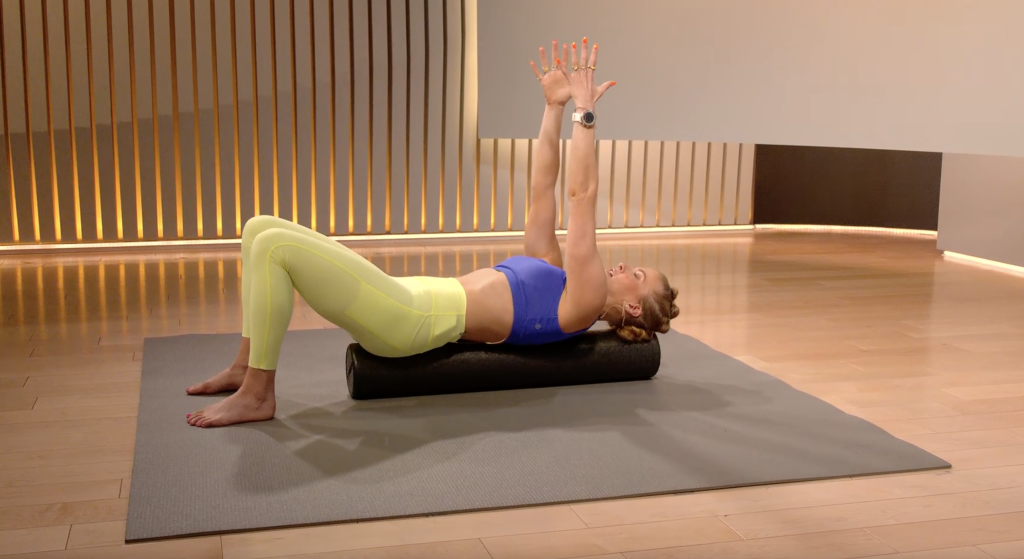
This article delves into the science behind these recovery methods and their significant role in enhancing training performance. Discover how understanding and incorporating the right approach can redefine your fitness experience and unlock a new level of potential.
DISCOVER MORE: Click here for versatile workout techniques
Stretching: The Key to Enhancing Flexibility and Reducing Injury Risk
Stretching is a fundamental part of any athlete’s training routine, serving as a bridge between intense workouts and effective recovery. With various techniques available, understanding how stretching contributes to improved performance is essential. From athletes to weekend warriors, engaging in a regular stretching regimen can lead to noticeable benefits.
One of the most significant advantages of stretching is its ability to improve flexibility. Increased flexibility plays a vital role in optimizing athletic performance across different sports. For example, a football player can achieve greater agility through enhanced hip and leg flexibility, while a swimmer may experience improved stroke efficiency by increasing shoulder mobility. Such enhancements reduce the risk of injury, as flexible muscles endure external stresses better during high-impact activities.
Moreover, stretching can be categorized into two primary types: static stretching and dynamic stretching. Static stretching involves holding a position for a specific duration, typically around 15-30 seconds. This technique is exemplary for improving flexibility but is best utilized post-workout to assist in recovery. Dynamic stretching, on the other hand, incorporates movement to prepare the muscles for activity. This form elevates heart rate and increases blood flow, making it highly effective in warm-up routines prior to training.
Incorporating both forms of stretching can lead to substantial gains, particularly when it comes to performance and recovery. Athletes can benefit greatly by including a variety of stretches targeted toward specific muscle groups. Here’s a list of effective stretching techniques to consider:
- Hamstring Stretch: Essential for runners and cyclists, this stretch targets the back of the thigh, improving leg flexibility.
- Quadriceps Stretch: Holding your foot towards your glutes stretches the front of the thigh, aiding activities that require knee flexion.
- Shoulder Stretch: This increases flexibility in the shoulders, crucial for swimmers and throwers, allowing for a broader range of motion.
- Hip Flexor Stretch: Improves agility and posture, especially important for athletes involved in jumping or sprinting.
The Advantages of Foam Rolling for Muscle Recovery
While stretching lays the groundwork for flexibility and injury prevention, foam rolling takes recovery a step further by releasing muscle tension and promoting soreness relief. Utilizing a foam roller can mimic the effects of deep tissue massage, offering athletes a non-invasive way to enhance recovery and maintain muscle health.
The science behind foam rolling lies in its ability to decrease muscle tightness by stimulating myofascial release. This technique not only helps alleviate delayed onset muscle soreness (DOMS) but also encourages circulation by improving blood flow to the affected areas. With the enhanced blood flow comes a more efficient delivery of nutrients critical for muscle recovery, ultimately allowing athletes to return to training quicker and more effectively.
In conclusion, both stretching and foam rolling play vital roles in recovery techniques, paving the way for better training performance. By understanding and implementing these strategies, athletes can significantly enhance their physical capabilities while reducing the chances of injury. As you explore these options, consider how a holistic approach to recovery can redefine your fitness routine and elevate your athletic journey.
Understanding the Benefits of Stretching
Stretching has long been praised for its ability to enhance flexibility and range of motion. One of the most significant advantages is its role in injury prevention. By improving muscle elasticity and joint mobility, athletes can reduce the risk of strains and sprains. Furthermore, regular stretching can lead to better muscle performance. When muscles are more flexible, they can generate force more efficiently, which translates into improved athletic performance.
The Science Behind Foam Rolling
Foam rolling is especially gaining traction as a popular recovery technique among fitness enthusiasts. This method involves using a foam roller to apply pressure to specific body parts, helping release muscle knots and tension. Research suggests that foam rolling can enhance circulation, aiding in the removal of metabolic waste products and improving nutrient delivery to tissues. This not only assists in muscle recovery but also contributes to reduced soreness after workouts.
Combining Techniques for Optimal Recovery
The combination of stretching and foam rolling offers a comprehensive approach to recovery. Together, they can create a vital recovery protocol that aids in muscle relaxation and overall performance gains. Athletes who integrate these methods into their routine report improved flexibility, reduced muscle fatigue, and accelerated recovery timelines. This synergy enhances the overall training experience, allowing individuals to train harder while minimizing injury.
| Category | Benefits |
|---|---|
| Stretching | Enhances flexibility, reduces injury risk, and improves muscle performance. |
| Foam Rolling | Aids in muscle recovery, improves circulation, and alleviates soreness. |
Incorporating both stretching and foam rolling into your training regimen can lead to improved results and better overall wellness, making it essential for any serious athlete or fitness enthusiast.
DON’T MISS: Click here to learn more about nutrition’s role in muscle growth
Combining Stretching and Foam Rolling for Optimal Recovery
While stretching and foam rolling each possess unique advantages, their combined application offers a comprehensive strategy for effective recovery from training. The synergy between these two techniques can amplify their benefits, ensuring that athletes recover faster and continue to optimize their performance.
After an intense workout, the muscles may experience tension and tightness, which is where foam rolling becomes invaluable. Utilizing a foam roller post-workout helps to narrow down on sore areas, releasing knots and helping the fascia—the connective tissue that surrounds muscles—to relax. A study published in the Journal of Sports Rehabilitation highlights that athletes who incorporated foam rolling into their routines reported a lower perception of soreness compared to those who didn’t utilize this technique.
Furthermore, when combined with stretching exercises, foam rolling can significantly enhance flexibility. For instance, rolling out the quadriceps followed by a static quadriceps stretch can facilitate a greater range of muscle elongation. In a vibrant athletic community like the United States, where sports like basketball and soccer demand not only strength but also fluid mobility, the benefits of this combination cannot be overstated. An increased flexibility achieved through such methods can lead to enhanced athletic performance, allowing for more explosive movements and increased agility.
Foam Rolling Techniques to Enhance Recovery
There are various techniques to effectively use a foam roller for recovery. Here’s a selection that can be integrated into an athlete’s routine:
- Upper Back Roll: Position the foam roller under your upper back and roll gently up and down to relieve tension caused by hunching over in sports like cycling or swimming.
- Calf Roll: Lean against a wall or surface while rolling your calves to alleviate tightness often experienced after running or jumping.
- IT Band Roll: Lie on your side with the foam roller underneath your outer thigh, rolling up and down to release the tension that builds in the iliotibial band, common for runners and cyclists.
- Glute Roll: Sitting on the foam roller and rolling over the glute muscles can help relieve tightness, especially beneficial for athletes focused on lower body performance.
Incorporating these targeted foam rolling techniques with stretching routines can lead to a remarkable recovery process. Moreover, many athletes have found success integrating these techniques with modern technology. Devices like vibrating foam rollers have appeared on the market, offering deeper penetration into muscles and facilitating more effective recovery sessions.
Scientific Perspective on Integrating Both Techniques
The scientific community continues to explore the relationship between these recovery methods. Research indicates that integrating stretching after foam rolling can provide the best results for muscle recovery and flexibility improvement. A study in the International Journal of Sports Physical Therapy found that participants who performed foam rolling followed by static stretching experienced significantly reduced muscle soreness and improved flexibility than those who only engaged in one of the practices.
By approaching recovery with a combination of stretching and foam rolling techniques, athletes are not only promoting recovery but also building a stronger foundation for their ongoing training regimen. A dynamic system that emphasizes flexibility improvements and muscle relaxation can define an athlete’s resilience during performance, underscoring the importance of these recovery techniques in training. The growing awareness around the necessity of such practices highlights how they are not merely optional but crucial components of a successful athletic career.
DISCOVER MORE: Click here to dive deeper
Conclusion
In the realm of athletic performance, the integration of recovery techniques such as stretching and foam rolling has emerged as a cornerstone for success. As we have explored, both practices offer significant benefits that go beyond mere muscle relaxation, playing a crucial role in enhancing flexibility, reducing soreness, and improving overall training outcomes. The compelling evidence from various studies, including findings from the Journal of Sports Rehabilitation and the International Journal of Sports Physical Therapy, underscores the necessity of these techniques in the recovery process.
When athletes embrace a holistic recovery routine that combines targeted foam rolling with structured stretching, they not only expedite their recovery times but also pave the way for improved performance in their respective sports. In sports environments that emphasize agility and explosive movement—like basketball or soccer—the implications of enhanced flexibility and reduced muscle tension are invaluable. Moreover, modern advancements such as vibrating foam rollers exemplify how technology is amplifying traditional recovery methods, offering athletes even deeper muscle engagement and relief.
Ultimately, as the athletic community increasingly recognizes the significant role of recovery in training, stretching and foam rolling will remain critical components of a successful regimen. For athletes looking to optimize their performance and longevity in competitive settings, prioritizing these techniques is not merely advisable; it is essential. By investing time in comprehensive recovery strategies, athletes can expect to see a transition not just in their physical abilities, but in their mental resilience and overall health, establishing a truly balanced approach to training.
Related posts:
Utilizing Compound Exercises: Techniques for Efficiently Building Total Body Strength
High-Intensity Training: How to Incorporate HIIT into Your Gym Routine
The Benefits of Supersetting: Techniques to Boost Your Workout Efficiency
High-Intensity Interval Training (HIIT): Maximizing Results in Minimal Time
Exploring the Benefits of Periodization in Weight Training: Techniques for Long-Term Progress
The Role of Proper Form in Weight Training: Techniques to Prevent Injury and Enhance Performance

Linda Carter is a writer and organization expert specializing in minimalism and personal organization. With extensive experience helping individuals create clutter-free, functional spaces and adopt mindful habits, Linda shares her knowledge on our platform. Her goal is to empower readers with practical advice and strategies to simplify their lives, stay organized, and achieve a sense of calm and balance in their daily routines.