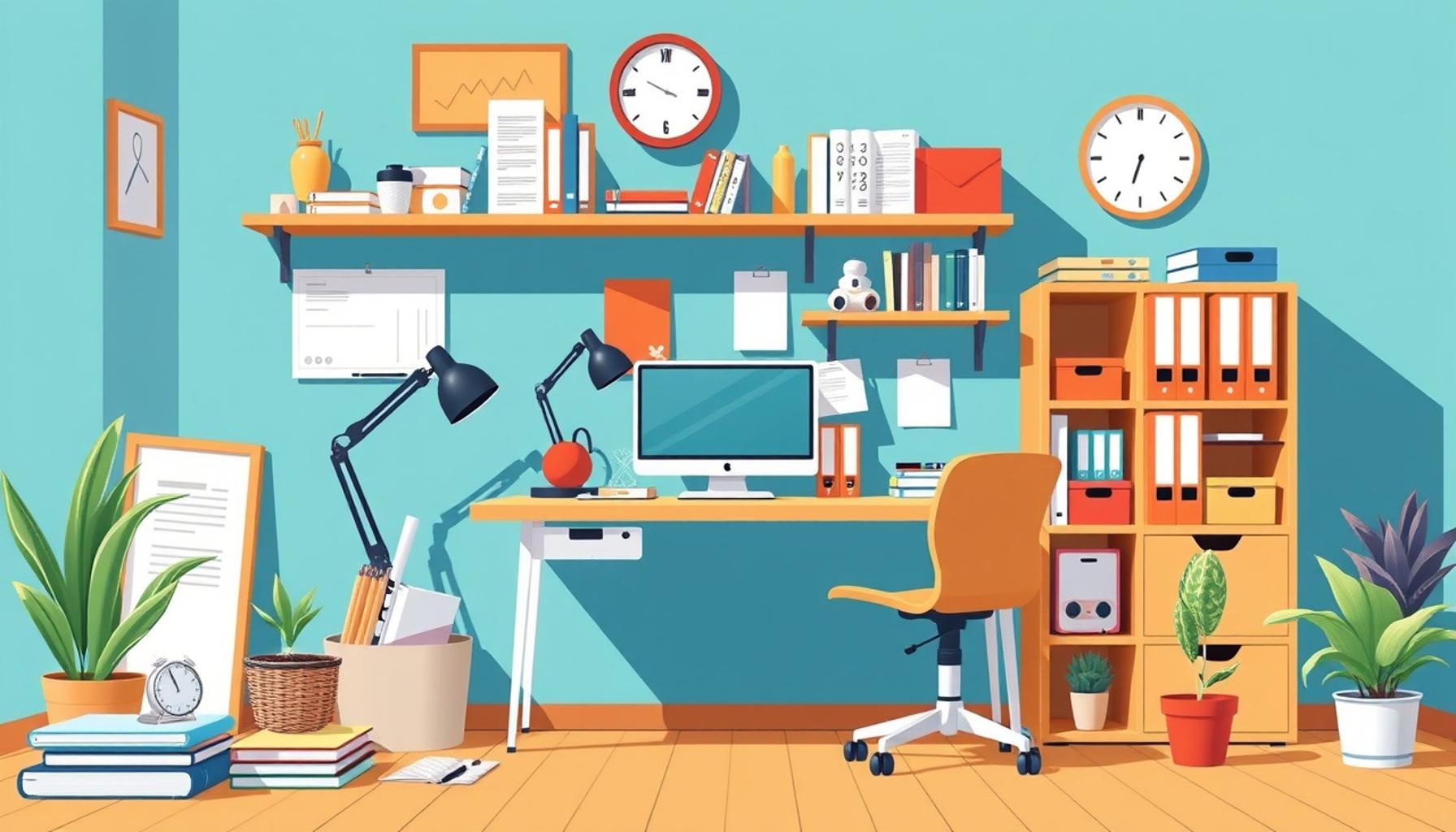
The importance of lighting in spatial efficiency in minimalist homes

The Role of Lighting in Minimalist Design
In the realm of interior design, the significance of efficient use of space cannot be overstated, especially within minimalist aesthetics. While many focus on selecting the right furniture and colors to foster an open atmosphere, the often-overlooked element of lighting plays a crucial role in shaping not just the look, but the feel of minimalist spaces. By harnessing appropriate lighting, even the most confined areas can be transformed into expansive and welcoming havens.
To fully appreciate the impact of lighting in minimalist homes, let’s explore some key aspects:
- Natural Light: Utilizing natural light is fundamental to achieving a sense of openness. Large windows, skylights, and unobstructed sight lines contribute to a seamless flow between indoors and outdoors. For example, a minimalist living room with floor-to-ceiling windows not only invites sunlight but frames the surrounding landscape, effectively extending the perception of space beyond the walls.
- Layered Lighting: A well-thought-out combination of ambient, task, and accent lighting provides depth and dimension to a room. Ambient lighting serves as the base layer, creating an overall glow, while task lighting focuses on specific areas, like reading nooks or kitchen counters. Accent lighting can highlight artwork or architectural features. For instance, integrated recessed lights in a minimalist kitchen can be complemented by stylish pendant lights above the dining area, ensuring functionality without sacrificing design elegance.
- Color Temperature: The color temperature of light significantly influences the atmosphere of a space. Warm tones, typically around 2700K to 3000K, evoke feelings of comfort and relaxation, making spaces feel more inviting. In contrast, cooler tones of around 4000K can enhance focus, which is particularly effective in home offices. By adjusting lighting options to suit different activities or times of day, homeowners can modulate their spaces according to their needs.
When lighting is implemented thoughtfully, it can seamlessly integrate with minimalistic aesthetics, leading to multiple benefits:
- Enhancement of Architectural Features: Skillfully placed light sources can accentuate the simplicity and beauty of structural elements like beams, arches, and even furniture. For instance, downlighting can draw attention to an elegantly designed bookshelf.
- Improved Mood: The psychological effects of lighting shouldn’t be underestimated. Effective lighting can significantly influence emotional well-being, with brighter spaces often boosting mood and productivity. A well-lit workspace, for example, can lead to increased focus and motivation.
- Increased Functionality: Properly lit areas ensure enhanced functionality, especially important in a minimalist design, where every element must serve a purpose. Bright, clear lighting in kitchens can streamline meal prep activities, while subtle indirect lighting in bedrooms can create a tranquil oasis at the end of the day.
As such, exploring the relationship between light and space in minimalist design not only defines the character of a room but also optimizes spatial efficiency. Whether you are redesigning your living area or constructing a new home, understanding this connection can inspire innovative design ideas that enrich our experience of space while supporting a minimalist philosophy.
DISCOVER MORE: Click here to optimize your workspace
Maximizing Space Through Thoughtful Lighting Choices
As the minimalist movement continues to inspire homeowners to embrace simplicity and functionality, lighting emerges as a pivotal player in the quest for spatial efficiency. In spaces where every inch counts, the right lighting can create an illusion of spaciousness, expand the boundaries of rooms, and foster a sense of harmony. Embracing the principle of “less is more,” minimalist homes can utilize strategic lighting solutions to enhance both the aesthetic appeal and the practical use of space.
A fundamental aspect of optimizing spatial efficiency lies in the ability to manipulate perception through light. Natural light, as discussed earlier, paves the way for expansive feel; however, artificial lighting also plays a significant role. Effective use of lighting can make small areas feel larger and more open. Here are key strategies to achieve this:
- Light and Reflection: Reflective surfaces such as mirrors, glass furniture, and polished finishes can amplify the effect of lighting. By bouncing light around, these elements create a brighter atmosphere and enhance the sense of volume within a space. For instance, placing a large mirror opposite a window allows for natural light to fill the room while giving a sense of depth.
- Vertical Lighting: Utilizing vertical lighting elements such as wall sconces can draw the eye up, emphasizing height and creating an impression of larger vertical space. This technique not only enhances the ambiance but also contributes to an airy feel, which is essential for minimizing cramped appearances in smaller homes.
- Smart Lighting Design: In the age of technology, smart lighting solutions can adapt based on user preferences, automatically adjusting brightness and color temperature according to time of day and occupancy. By seamlessly integrating these adaptive systems, homeowners can highlight important areas without cluttering their space with excessive fixtures.
Additionally, understanding the placement of light fixtures can greatly influence spatial efficiency. Strategic placement can eliminate shadowy corners that may otherwise make a room feel confined. A well-placed chandelier can serve as a focal point in a dining area, while recessed lights can provide unobtrusive yet effective illumination throughout the space.
Complementing these techniques is the consideration of task lighting, which addresses specific needs without overwhelming a minimalist design. For instance, a neatly designed desk lamp can facilitate focused work without detracting from the room’s clean lines. By ensuring each piece has a defined purpose, homeowners reinforce the minimalist philosophy that prioritizes functionality.
Finally, as we navigate the various dimensions of lighting in minimalist spaces, it’s vital to remember the emotional resonance carried through light. Homes bathed in natural or well-engineered artificial light can boost mood, promote well-being, and enhance productivity. Recognizing this connection is key to not only achieving aesthetic satisfaction but also enriching the overall living experience.
As we explore further into how light serves as both an aesthetic tool and functional necessity, it becomes clear that the integration of effective lighting solutions is central to achieving spatial efficiency in minimalist homes.
| Category | Key Features / Benefits |
|---|---|
| Natural Light Utilization | Harnessing natural light maximizes spatial perception, making rooms appear larger and more inviting. |
| Efficient Space Planning | Strategically placed lighting fixtures create visual boundaries, enhancing spatial efficiency within minimalist design. |
| Ambiance Control | Lighting also allows homeowners to set the right mood, making spaces feel cozy or expansive based on personal preference. |
| Sustainability | Using LED lights and maximizing daylight reduces energy consumption, aligning with minimalist principles of sustainable living. |
In minimalist homes, where every square foot counts, the role of lighting goes beyond mere illumination. It becomes a key player in enhancing both aesthetics and functionality. By maximizing natural light, homeowners can create an illusion of spaciousness, making interiors far more appealing. The thoughtful placement of lighting not only delineates areas but also fosters a sense of cohesion among various spaces, allowing them to feel more interconnected.Controlled lighting can seamlessly transition a room from a vibrant workspace to a serene retreat, illustrating the transformative power of light. Moreover, the adoption of energy-efficient lighting solutions underscores a modern approach to sustainability, further elevating the appeal of minimalist living. As one explores the impact of light on spatial efficiency, it becomes clear that it is an essential element that encapsulates both beauty and practicality.
DON’T MISS: Click here to discover space-saving tips!
The Role of Color Temperature and Layered Lighting
While the placement and type of light fixtures are crucial, the color temperature of lighting cannot be overlooked. The Kelvin scale, which measures light’s color temperature, projects various emotional responses based on hues. For instance, cooler lights (5000K to 6500K) mimic daylight and can make spaces feel more energetic and spacious. In contrast, warmer lights (2700K to 3000K) instill a cozy ambiance, perfect for creating inviting smaller areas. Homeowners should consider using adjustable LED lights to alternate between these temperatures depending on the required mood, enhancing the flexibility of minimalist spaces.
Moreover, the concept of layered lighting can transform a simple minimalist home into a sophisticated haven of comfort and efficiency. By employing ambient, task, and accent lighting, homeowners can create versatile atmospheres that adapt to various activities and times of day. Ambient lighting, such as recessed ceiling lights or floor lamps, provides general illumination, setting the overall tone of the space. Task lighting, like reading lamps or under-cabinet lights, focuses on specific activities, while accent lighting brings attention to cherished décor or artwork.
In minimalist designs, every piece counts. Therefore, implementing a flexible lighting plan allows homeowners to adjust lighting levels throughout the day. For example, dimmers can be installed on main fixtures, providing the ability to set the right ambiance for occasions—be it a lively dinner party or a tranquil evening at home. This not only caters to individual preferences but also reinforces the minimalist approach by minimizing the number of fixture types within a home, cultivating a streamlined look.
Natural Elements and Sustainable Lighting Options
As environmental consciousness rises, incorporating sustainable lighting solutions into minimalist homes is an appealing trend. Using energy-efficient LED bulbs not only reduces electricity consumption but also extends the lifespan of light fixtures, creating a lower impact on the environment. Additionally, solar-powered lights can allow homeowners to utilize outdoor spaces efficiently. These installations enhance the openness and connectivity of indoor and outdoor areas, a key characteristic of minimalist design.
Furthermore, embracing natural materials can enhance the aesthetic appeal of lighting. Fixtures made of reclaimed wood or bamboo add warmth and organic texture to a space while emphasizing a commitment to sustainable living. Such choices resonate with the minimalist philosophy, as they prioritize quality and longevity over quantity.
Emphasizing Minimalism Through Decorative Lighting
Simplicity in lighting design aligns perfectly with the minimalist ethos. Striking a balance between decorative and functional lighting can amplify a room’s character without overwhelming it. Choosing sculptural pendant lights or geometrically designed floor lamps can serve as focal points while providing adequate illumination. These pieces become artful statements rather than mere fixtures, creating a dialogue between form and function.
Ultimately, the thoughtful integration of lighting elements—whether through color temperature, layered designs, or sustainable options—enriches the spatial efficiency of minimalist homes. By mastering the interplay of light and space, homeowners can not only augment the aesthetic quality of their residences but also enhance their overall livability and experience.
DIVE DEEPER: Click here for minimalist techniques to streamline your day
Conclusion: Illuminating the Essence of Minimalist Living
As we have explored, lighting plays a vital role in enhancing spatial efficiency within minimalist homes. By strategically selecting the type, placement, and color temperature of lighting fixtures, homeowners can transform even the most compact spaces into efficient sanctuaries of light and comfort. The careful consideration of cooling versus warming hues, along with the implementation of layered lighting strategies, demonstrates how intentional lighting choices can elevate functionality and aesthetic appeal.
Employing sustainable lighting solutions further strengthens the ethos of minimalism, marrying environmental responsibility with beauty. By opting for energy-efficient LED bulbs and natural materials, homeowners not only contribute to sustainability but also create welcoming atmospheres that resonate with the essence of their living spaces. The fusion of decorative lighting with functional purpose exemplifies how a few well-placed fixtures can create visual narratives that enhance a minimalist design.
Ultimately, the importance of lighting in minimalist homes cannot be overstated; it is both a practical necessity and an art form that determines the ambiance and spatial perception of a space. As you embark on your journey to foster minimalist living, consider the profound impact that thoughtful lighting can have on your home. By embracing this dynamic element, you will enhance your living experience, invigorate your surroundings, and truly embody the harmony that minimalist design strives to achieve.