The Art of Letting Go: How Minimalism Can Transform Your Relationship with Objects
Discovering Minimalism
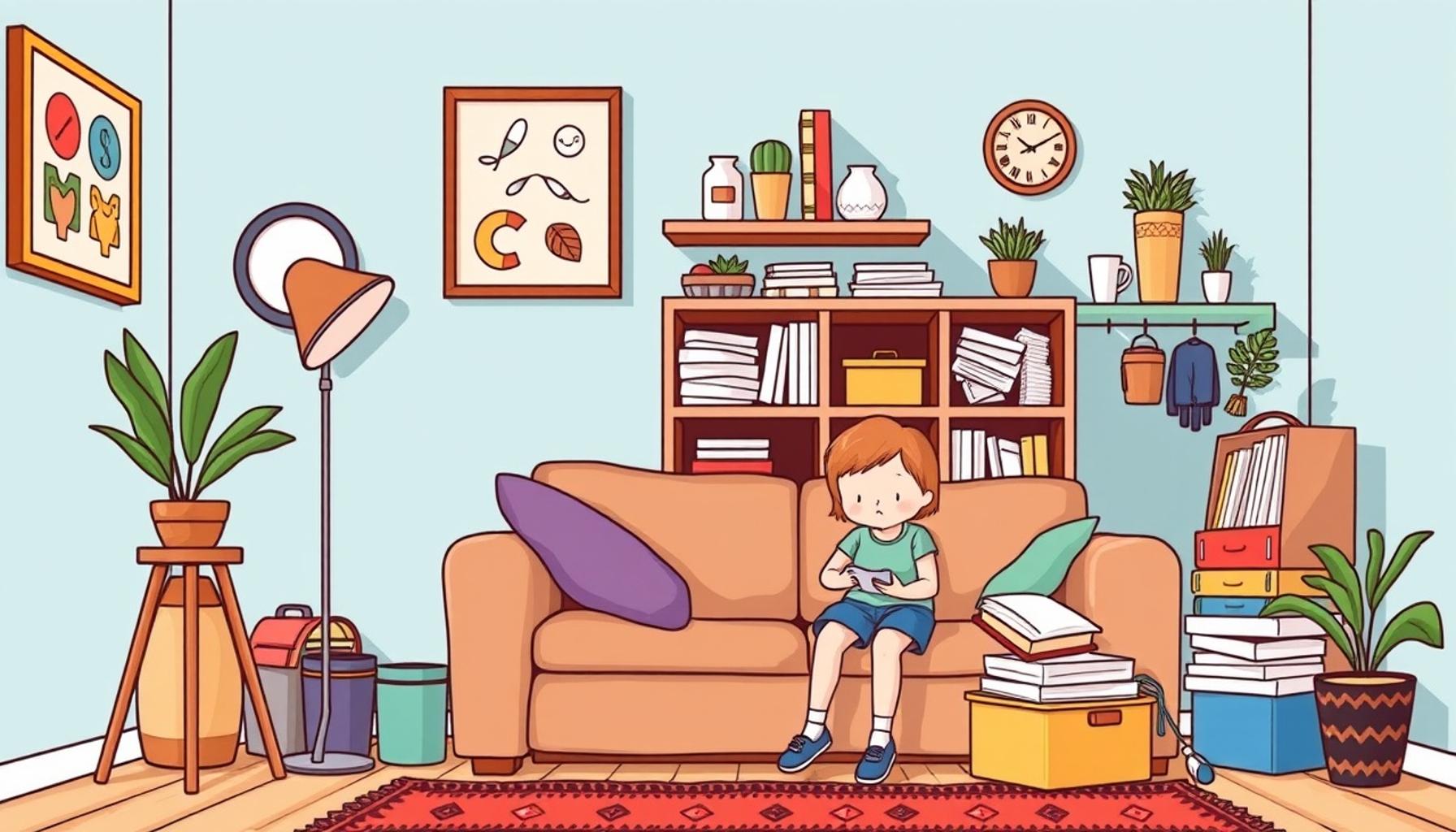
In a world filled with consumerism, the idea of minimalism offers a refreshing perspective on our connection to physical belongings. As we accumulate more objects, the weight of our possessions can become overwhelming. Embracing minimalism invites us to see the beauty in simplicity and encourages a less cluttered lifestyle.
What is Minimalism?
Minimalism is a lifestyle choice focused on reducing excess and cherishing what truly matters. It involves several key components:
- Assessing the importance of personal items: This means taking a hard look at what you own and determining what truly adds value to your life. For instance, a collection of books may hold sentimental value, while a stack of old magazines may just be clutter.
- Creating a space that fosters peace: Minimalism advocates for clear, clean environments, suggesting that the aesthetics of space can influence mental well-being. A decluttered home can act as a sanctuary, leaving room for creativity and relaxation.
- Encouraging mindful consumption: Letting go of the “throwaway culture” encourages individuals to consider their purchases carefully. Before buying a new item, one might ask, “Will this enhance my life?” This practice can significantly reduce consumer waste.
By adopting a minimalist mindset, we learn to redefine our relationship with objects and prioritize experiences over material possessions. A minimalist might choose to spend time traveling or taking up a new hobby rather than accumulating the latest electronics, deriving joy from life experiences instead of physical goods.
The Benefits of Letting Go
Letting go of unnecessary items can yield significant benefits, including:
- Enhanced mental clarity: A decluttered environment can lead to a more organized mind. Individuals often notice that their mental load decreases when they spend less time managing and worrying about their belongings.
- Greater focus on personal growth: Minimalism encourages self-reflection and can help individuals discover their true passions and interests, free from the distractions created by excess belongings.
- Reduced anxiety and stress: Many find that a more streamlined environment leads to smaller distractions, therefore resulting in a greater sense of calm and control in daily life.
These transformative changes can lead to a more fulfilling life, where we appreciate what we own rather than feel burdened by it. In fact, research suggests that living with less can contribute to overall happiness and life satisfaction. Minimalism challenges us to rethink conventional norms around ownership, urging us to explore what it means to live with less.
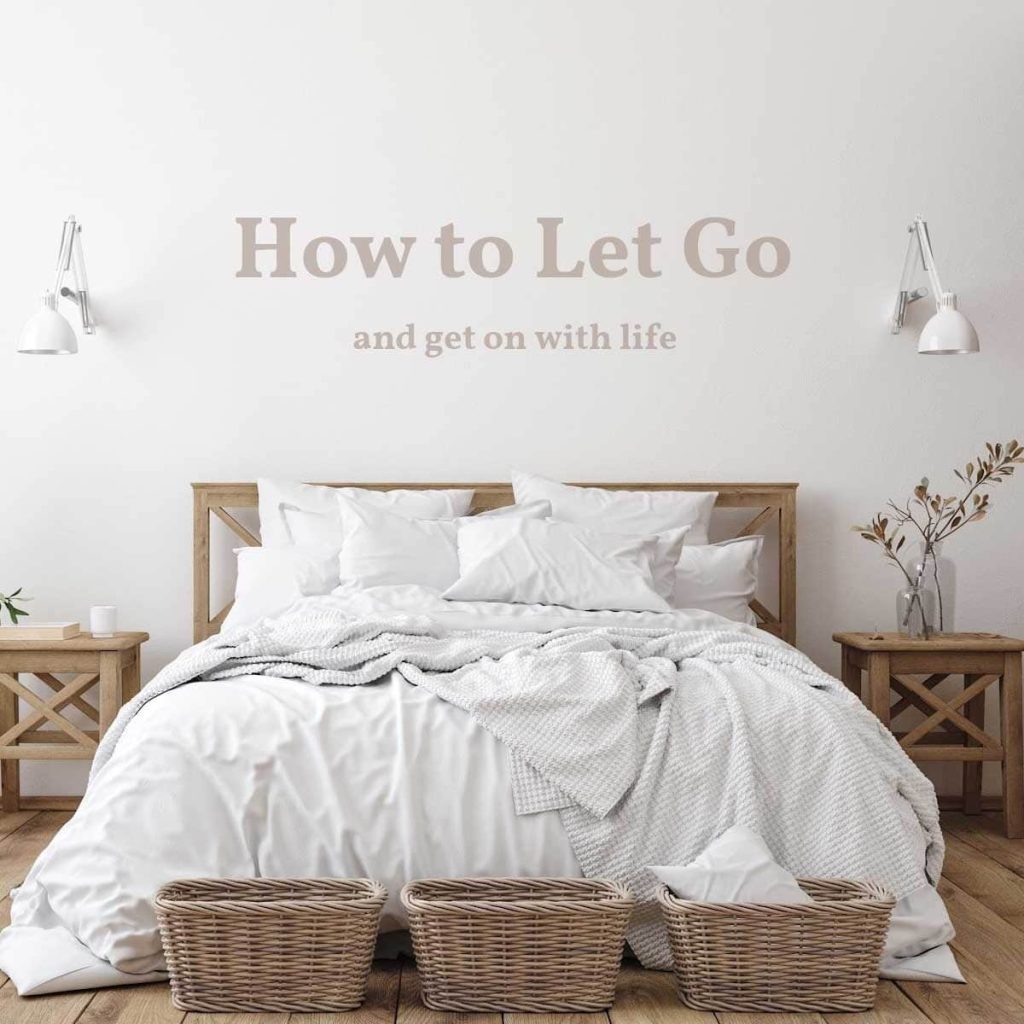
The journey of letting go may very well be the pathway to a more enriching existence. As we clear our physical spaces, we often find ourselves uncovering emotional ties that no longer serve us, paving the way for personal growth and a more meaningful engagement with life.
EXPLORE MORE: Click here to delve deeper
The Emotional Liberation of Letting Go
For many, the act of letting go can feel daunting, especially when it comes to cherished objects. However, embracing minimalism can help individuals navigate these emotional challenges. At its core, minimalism is not solely about physical possessions; it is also about addressing the feelings, memories, and desires that these objects can evoke. Understanding this emotional connection is critical to transforming our relationship with belongings.
Understanding Attachment to Objects
Humans naturally form attachments to objects for various reasons—sentimentality, memories, or even social status. Items may represent milestones, such as graduation diplomas, wedding gifts, or travel souvenirs, creating an emotional bond that feels insurmountable when considering their disposal. Nonetheless, it’s essential to differentiate between objects that genuinely contribute to our lives and those that merely clutter our emotional and physical spaces.
- Nostalgic value: Items that remind us of significant life events often carry emotional weight. However, it’s vital to ask ourselves whether we need to keep every memento to honor those memories. A single framed photograph may suffice to evoke cherished feelings.
- Social expectations: Some possessions may be kept due to societal pressures or the desire to portray a particular lifestyle. Minimalism challenges this norm, encouraging individuals to reflect on their genuine values rather than adhering to cultural trends.
- Fear of loss: The anxiety of letting go can stem from a fear of losing a piece of our identity. Realizing that our essence does not rely on material possessions often leads to a liberating sense of freedom.
Each of these attachments plays a role in our decision to keep or discard items. Recognizing these emotional ties is the first step towards a more mindful approach to ownership, allowing us to embrace the art of letting go.
Strategies for Letting Go
While the concept of minimalism can be appealing, the process of decluttering is both an art and a science. Here are some strategies that can assist in effectively letting go of objects:
- The one-year rule: If you haven’t used or worn an item in the past year, it may be time to reconsider its place in your life.
- Sentimental categories: Start with less emotionally charged belongings, such as clothing or kitchen utensils, to build your decluttering skills before tackling more sentimental items.
- Gratitude practice: As you prepare to part with belongings, take a moment to acknowledge their role in your life before letting them go. A simple thank you can add a layer of closure to the process.
Through these methods, individuals can effectively navigate the emotional landscape associated with letting go, ultimately leading to a decluttered life that celebrates meaningful experiences over excessive possessions. This conscious decision to prioritize the essential over the trivial allows us to breathe a little easier, inviting new experiences and opportunities into our lives.
The Power of Minimalism in Relationships
Minimalism extends far beyond decluttering physical space; it promotes a transformative approach to our emotional and psychological ties with belongings. By embracing minimalism, individuals often find themselves questioning their attachments to objects, realizing that meaning can be derived from experiences rather than possessions. This shift can lead to profound changes within personal relationships, as it encourages a more intentional lifestyle focused on what truly matters.One of the most compelling aspects of minimalism is its ability to alleviate the burden of excess. In a world inundated with consumerism, people can feel overwhelmed, leading to stress and anxiety. The practice of letting go of unnecessary items creates space—not just physically, but mentally and emotionally as well. This newfound clarity can enhance not just personal effectiveness but also improve interactions with loved ones. When individuals prioritize meaningful connections over materialistic pursuits, relationships flourish.Minimalism also promotes sustainability and mindfulness. By choosing to invest in quality items that are both functional and meaningful, individuals contribute to reducing waste. This environmentally conscious mindset resonates with others who value sustainability, fostering a shared commitment to responsible living. Advocating minimalism often sparks engaging conversations, leading to stronger couplings and community ties.Ultimately, the act of letting go liberates one from past burdens. As people learn to part with objects that no longer serve them, they unlock potential pathways for growth, inviting new experiences and cultivating a life rich in purpose and fulfillment. Embracing minimalism can significantly alter not just our relationship with objects, but also the very fabric of our relationships with others.
| Advantages | Positive Impact |
|---|---|
| Enhanced Clarity | Frees mental space for meaningful thoughts and relationships. |
| Improved Relationships | Focus shifts from ownership to connection, enriching interactions. |
The journey of minimalism reveals not only the personal benefits of shedding the unnecessary but also highlights the deeper connections forged through shared values and experiences.
DISCOVER MORE: Click here to learn about minimalist design
Redefining Value in a Consumer Society
Living in a consumer-driven society often blurs the lines between necessity and desire. The constant influx of advertisements, social media influencers, and peer comparisons can lead us to mistakenly equate our worth with our belongings. By adopting minimalism, we can begin to redefine what we consider valuable, shifting focus away from materialism and towards experiences that enrich our lives. This redefinition not only alleviates the physical burden of excess but also fosters a healthier mindset regarding personal identity and self-worth.
Experience Over Possessions
Research highlights a fascinating phenomenon: people often derive more satisfaction from experiences than from material possessions. A study published in the journal Psychological Science indicates that experiences tend to bring lasting happiness, whereas material objects lead to fleeting joy. When we prioritize experiences over the accumulation of items, we create memories that not only enhance our emotional well-being but also serve to strengthen our relationships with others.
- Creating meaningful connections: Experiences, such as travel, shared dinners, or outdoor adventures, foster connections with loved ones. Minimalism encourages us to invest in these moments rather than in physical items that ultimately fade in significance.
- Personal growth: Engaging in new activities and experiences often leads to personal development. A focus on experiences can push you out of your comfort zone, sparking curiosity and a zest for life that physical objects simply cannot ignite.
- Memories over materialism: By letting go of physical possessions, we create space for memories that hold greater value. Capturing moments through photography or journal entries can preserve the joy of experiences without the weight of tangible belongings.
Mindfulness in Consumption
Minimalism invites us to become more mindful consumers. Each purchasing decision can be viewed as an opportunity to reflect on our true needs and values. By practicing mindfulness, we learn to pause before acquiring new items, which can significantly impact our financial stability and emotional health. This approach also aligns with the principles of sustainable living, emphasizing the importance of making conscious choices for both ourselves and the environment.
- Evaluating purchases: The next time you contemplate a purchase, consider its long-term benefit versus its immediate satisfaction. Ask yourself if it enhances your life or merely adds to clutter.
- Supporting local economies: Minimalism can extend beyond individual habits to encompass broader communities. Prioritizing local businesses not only aligns with mindful consumption but also nurtures personal connections and a sense of community.
- Learning to say no: Decluttering encourages us to establish boundaries. Whether it’s politely turning down physical gifts or rejecting impulse purchases, saying no cultivates a sense of empowerment and intentionality.
Ultimately, minimizing the emotional and physical clutter in our lives reshapes our perspective and relationship with objects. As we learn to embrace a philosophy that values experiences and meaningful connections over mere ownership, we open the door to a more fulfilling, purposeful existence. Navigating this path allows for deeper self-discovery and connection with the world around us, illustrating that the art of letting go is about gaining so much more in return.
DISCOVER MORE: Click here to delve deeper
Embracing Freedom Through Minimalism
As we reflect on the transformative journey of minimalism, it becomes clear that letting go is not merely an act of decluttering but a profound shift in how we engage with the world around us. By prioritizing experiences over possessions, we unlock a pathway to genuine happiness, as research repeatedly shows that memories foster a deeper connection with life than material items ever can. This shift not only alters our emotional landscape but also enhances our social ties, nurturing our relationships in meaningful ways.
Moreover, minimalism encourages a mindset rooted in mindful consumption. The ability to pause and evaluate our purchases allows us to align our choices with our core values, ultimately leading to greater satisfaction and reduced financial strain. In a society that continuously bombards us with enticing advertisements, learning to say no is an empowering act that can reshape our identity and priorities.
As you consider embarking on this minimalist journey, remember that the process is as important as the end goal. Each step taken towards reducing clutter—both physical and emotional—allows for a richer, more intentional life. In essence, the art of letting go reflects a powerful opportunity for self-discovery and growth, reminding us that what we gain in freedom, connection, and clarity far outweighs the temporary comfort of material goods. Embrace this journey, and witness how minimalism can transform not just your space, but your entire existence.
Related posts:
The Influence of Minimalist Interior Design on Creating Functional and Clutter-Free Spaces
How to Create Clutter-Free Spaces: Practical Tips for a Minimalist Lifestyle
The Emotional Impact of Organized Environments: Psychological Benefits of Clutter-Free Spaces
Relaxation Spaces: The Importance of Clutter-Free Environments for Well-Being
How to Create an Efficient Organization System to Keep Spaces Always Clutter-Free
Minimalism and Sustainability: How to Keep Spaces Organized with Less Consumption

Linda Carter is a writer and organization expert specializing in minimalism and personal organization. With extensive experience helping individuals create clutter-free, functional spaces and adopt mindful habits, Linda shares her knowledge on our platform. Her goal is to empower readers with practical advice and strategies to simplify their lives, stay organized, and achieve a sense of calm and balance in their daily routines.