Unveiling the Emotional Side of Clutter: How Reducing Disorder Impacts Our Personal Relationships
The Hidden Burden of Clutter on Emotional Well-Being
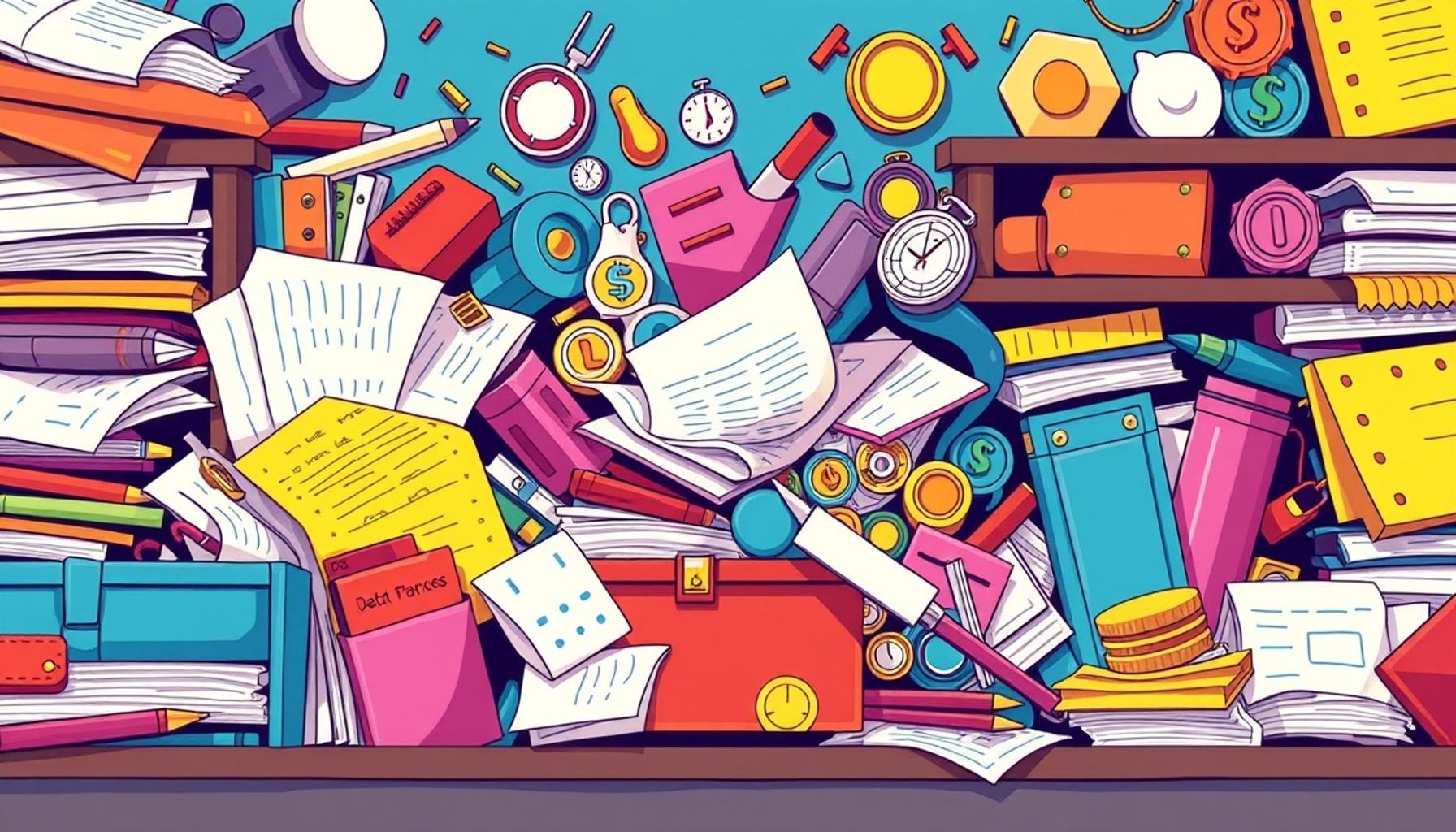
In our fast-paced world, clutter often becomes an invisible burden. It accumulates in our homes and minds, shaping how we interact with ourselves and others. Many overlook the profound emotional effects that disorder has on personal relationships. Unbeknownst to many, the environment we inhabit can significantly shape our emotional landscapes, influencing everything from our stress levels to our ability to communicate with loved ones.
How does clutter influence our emotional well-being? Consider these key points:
- Stress and Anxiety: A disorganized space can trigger feelings of overwhelm. Research shows that visual chaos competes for our attention, leading to cognitive overload. For instance, a study from UCLA indicated that women with cluttered homes experience elevated cortisol levels, a hormone associated with stress. This can create a cycle where clutter not only induces anxiety but also makes it harder for individuals to focus on tasks, exacerbating the problem.
- Communication Breakdowns: Clutter may inhibit open communication between partners or family members. For example, in a shared living space, if one partner has a different threshold for messiness than the other, this divergence can culminate in arguments or feelings of resentment. Often, the focus on the mess overshadows the root issues that need addressing, leading to a further breakdown in communication.
- Reduced Quality Time: A chaotic environment can deter gatherings or shared activities. Imagine planning a family game night but hesitating due to an untidy living room. The clutter not only inhibits feelings of welcome and warmth but can also foster a sense of shame or embarrassment when inviting friends over. This withdrawal can diminish the meaningful connections that often bring joy and fulfillment.
Furthermore, the emotional ties to our belongings often complicate matters. Clutter can represent past experiences, memories, or even unresolved issues. This connection can lead to:
- Attachment Paradox: Items may evoke joy yet simultaneously cause distress. For instance, a box of childhood toys can spark nostalgia but also a painful reminder of lost innocence or missed opportunities, making it challenging to decide what to keep and what to let go.
- Conflict Escalation: Disagreements may arise over differing views on what should be kept or discarded. When one person sees a sentimental value in an object, while another perceives it as mere junk, tension can easily escalate, turning what might be a simple decluttering session into a battleground.
- Overall Mood Influence: An untidy space can severely impact one’s mental state and those around them. Psychological studies suggest that environmental factors profoundly influence mood; thus, a clean, organized space can foster positivity, whereas clutter can breed feelings of helplessness and frustration.
Exploring these connections is essential for cultivating healthier relationships. Delving into the emotional side of clutter can illuminate paths to healing and harmony. By addressing both the physical and emotional aspects of our belongings, individuals can foster a more peaceful living environment, leading to improved mental health and stronger relationships. Ultimately, understanding the interplay between clutter and emotions not only enhances personal well-being but also nurtures the bonds we share with others, allowing us to create spaces that are not merely lived in but are truly home.
DISCOVER MORE: Click here to dive deeper
The Ripple Effects of Clutter on Relationships
The effects of clutter extend far beyond the boundaries of physical space, weaving themselves into the fabric of our personal relationships. When we allow disorder to invade our homes, we inadvertently allow it to seep into our emotional lives, causing unforeseen turmoil in our connections with those we care about. Understanding this dynamic can be crucial in addressing both the clutter and the complications it brings to our lives.
One of the most significant emotional consequences of clutter is how it shapes our perceptions of our partners, family members, and friends. The innate discomfort that arises from a disorganized environment can lead to:
- Heightened Frustration: Constantly encountering piles of belongings can generate irritability and impatience. The accumulated mess often distracts individuals, making them less present during interactions with loved ones, as they may obsess over the disorder rather than engage meaningfully.
- Guilt and Shame: The presence of clutter can create feelings of guilt for both the clutter accumulators and those who share their space. Individuals may feel embarrassed about the state of their home, leading to avoidance of social interactions and a reluctance to invite guests over. This barrier can prevent the forging of deeper connections, as shared experiences are noticeably diminished.
- Loss of Intimacy: Clutter can impede emotional closeness between partners. For instance, if one partner treasures minimalism while the other prefers a more eclectic mix of items, this divergence can lead to feelings of alienation. As the clutter grows, so can the emotional distance, fostering resentment and a lack of understanding.
Moreover, the process of decluttering can itself trigger a gamut of emotions. As individuals begin to sift through their belongings, they may face:
- Overwhelm: The sheer act of sorting through accumulated items can provoke anxiety, as memories tied to these possessions may emerge, complicating the decision-making process about what to keep or discard.
- Reluctance to Let Go: Many individuals find it challenging to part with items attributed to personal significance, fearing the loss of memories or their connection to loved ones. This attachment can stall the decluttering process, even in the face of emotional distress, hindering progress.
- Empowerment and Relief: Despite the challenges, successfully reducing clutter can yield a sense of accomplishment and freedom. The release of physical items can symbolize letting go of emotional burdens, leading to improved mental clarity and a renewed sense of hope in one’s personal life.
These emotional responses highlight a critical realization: addressing clutter is not merely about tidying up but rather engaging in a journey toward emotional and relational clarity. As we explore the emotional side of clutter, it becomes evident that the act of reducing disorder can profoundly impact our ability to connect, communicate, and ultimately thrive in our personal relationships.
| Category | Impact |
|---|---|
| Emotional Clarity | Reducing clutter can enhance focus and mental clarity. |
| Improved Relationships | Less clutter fosters open communication and connection among family members. |
| Stress Reduction | Decluttering can lower anxiety levels, creating a peaceful home environment. |
| Sense of Accomplishment | Achieving a decluttered space boosts self-esteem and personal satisfaction. |
The emotional repercussions of clutter are often overlooked, yet they can significantly shape personal relationships. By addressing the chaos that resides in our physical spaces, we can unlock potential transformations in how we connect with others. The emotional clarity that arises from a tidy environment not only aids in reducing distractions but also allows for deeper contemplation and connection with loved ones. Additionally, improved relationships become evident as families find unity in a clutter-free home, promoting open communication and fostering an atmosphere where relational bonds can flourish. It is also noteworthy that the act of decluttering serves a dual purpose—lowering stress levels and creating a sanctuary where peace prevails, thus allowing for a more nurturing space for relationships to grow. The psychological impact of seeing a clean and organized home can instill a sense of accomplishment, providing individuals with the motivation to maintain those changes and further cultivate an enriching environment for themselves and those around them.
DISCOVER MORE: Click here for minimalist organization tips
The Connection Between Clutter and Communication
As the layers of clutter accumulate, they not only affect our emotional state but significantly influence how we communicate with our loved ones. Communication breakdowns often arise in cluttered environments due to both verbal and non-verbal cues being obscured by the chaotic visuals surrounding us. The distraction of disorder can lead to misunderstandings and misinterpretations, which can escalate conflicts and hinder problem-solving abilities.
For instance, when arguments arise over household chores or responsibilities, the presence of clutter may exacerbate feelings of resentment. A partner who feels overwhelmed by disorganization may perceive their spouse as unsupportive or careless, igniting further discord. Their frustration in managing clutter can be misdirected towards their partner, who may not even realize their neglecting the home has caused distress. This cycle of blame and resentment highlights the paradox where the clutter itself becomes a barrier to intimacy and open communication.
Additionally, non-verbal cues, such as body language and facial expressions, can be significantly altered in chaotic environments. When surrounded by disorder, individuals may appear more withdrawn or distracted, which can lead to assumptions that they are disinterested or disengaged. This miscommunication can spiral, creating a ripple effect on relationships. For example, a partner who feels unseen may engage in passive-aggressive behaviors, further complicating communication and the emotional bond they share.
Children, Clutter, and Emotional Development
The impact of clutter on emotional relationships is not limited to adults. Children, too, are affected by their environment in profound ways. A home clouded with disorder can lead to feelings of anxiety and insecurity in young ones, stunting their emotional development. In such settings, children may struggle to express themselves or cope with their feelings, as clutter can signal an unstructured and chaotic emotional landscape.
Research has indicated that children raised in organized spaces tend to showcase better emotional regulation and social skills. These children often learn the importance of maintaining an orderly environment, which fosters a sense of responsibility and independence. Conversely, in homes overwhelmed by disorder, children may struggle with focus and may be less likely to develop effective coping strategies for emotional challenges.
Furthermore, when parents engage in decluttering processes, they model important life skills for their children. It provides an opportunity for discussions about emotions, attachment to belongings, and the act of making choices about what to keep and what to let go. This not only creates a healthier emotional environment but also encourages a culture of open dialogue within the family about feelings and relationships.
Transformative Potential of Decluttering on Relationships
Ultimately, recognizing the emotional side of clutter is the first step towards enacting positive changes within our relationships. Engaging in decluttering as a shared activity can serve as a bonding experience that promotes collaboration and understanding. As couples or families work together to simplify their environment, they simultaneously open channels of communication that may have been stifled by clutter.
This journey of decluttering can also spark deeper conversations about values, aspirations, and personal space, leading to mutual respect and understanding. Open dialogues surrounding clutter not only alleviate the burden of physical piles but strengthen the emotional ties that bind us, reinforcing the essence of supportive relationships. Thus, by addressing clutter, we might find ourselves on a path toward healing and deeper connection, unveiling the true transformative potential behind reducing disorder within our lives.
DISCOVER MORE: Click here to enhance your productivity
Conclusion
As we delve into the intricate relationship between clutter and our emotions, it becomes evident that reducing disorder can profoundly impact our personal relationships. Clutter is not merely a physical entity; it embodies the stress, distractions, and emotional baggage we carry. By acknowledging its influence, we can take actionable steps toward cultivating a harmonious home environment that nurtures connection among family members and friends.
Through the shared experience of decluttering, individuals and families have the unique opportunity to promote collaboration and communication. This journey fosters deeper conversations about emotional well-being, leading to increased transparency and understanding. Moreover, as we simplify our surroundings, we create space not only for physical items but also for emotional closeness, paving the way for healthier interactions and reduced conflict.
It is important to recognize that the emotional ramifications of clutter can also have lasting effects, particularly on children, who learn vital life skills and emotional resilience through their upbringing. By modeling effective behavior around organization and emotional expression, parents can empower their children to navigate their own relationships more successfully.
In conclusion, understanding the emotional side of clutter encourages us to re-evaluate our environments and their effects on our relationships. By committing to decluttering, we embark on a transformative path toward emotional healing, deeper connections, and an enriched life. As we peel back the layers of disorder, we unveil a clearer, more connected reality, offering us the chance to foster love, respect, and open communication within our personal relationships.