Transforming Your Home: Strategies for Keeping a Clutter-Free Space Long-Term

Creating a Serene Environment
In today’s fast-paced world, keeping a clutter-free space is more than just a trend; it’s a vital component of achieving peace of mind at home. With the ever-increasing demands on our time and attention, creating a serene environment may seem daunting. However, implementing effective strategies can transform your living space into a sanctuary of organization and calm.
Declutter Regularly
One of the most effective methods to maintain a tidy home is to declutter regularly. Scheduling time each week dedicated to revisiting specific areas in your home can make a significant impact. For instance, designate a few hours on a Saturday morning to tackle one room at a time. You can also set a timer for 15 minutes each day to focus on decluttering small areas, such as a desk or a kitchen drawer. This way, the task feels less overwhelming, and you’ll be surprised at how much you can accomplish in short bursts.
Adopt the One-In, One-Out Rule
The One-In, One-Out Rule is an insightful strategy that encourages mindful consumption. For every new item brought into your home—be it a trendy pair of shoes or the latest kitchen gadget—consider removing an existing item. This principle not only curbs unnecessary accumulation but also instills a sense of mindful ownership over your belongings. For example, if you purchase a new novel, donate an old one to your local library or a friend’s bookshelf. This practice fosters a more intentional approach to what you keep in your living environment.
Utilize Smart Storage Solutions
Investing in smart storage solutions can revolutionize your organization efforts. Consider using multi-functional furniture, such as ottomans with hidden compartments or beds with under-storage drawers. Stylish bins and labeled organizers can also help streamline your storage spaces, making it easier to locate your belongings. For example, clear plastic containers with labels for seasonal clothing, holiday decorations, or crafting supplies can simplify your tidying routine, ensuring everything has a designated space. This is particularly effective in children’s play areas, where bins encourage kids to tidy up after their fun.
Create a Dedicated Space
Assigning specific areas for each category of items is another powerful strategy to enhance organization. Create zones within your home; for instance, have a defined spot for mail adjacent to your front door, or dedicate a corner of your living room as a reading nook. By establishing these designated areas, you create a workflow that helps streamline daily activities. This can also reduce the chances of items ending up in random places, further contributing to a tidy environment.
The Psychological Benefits of Decluttering
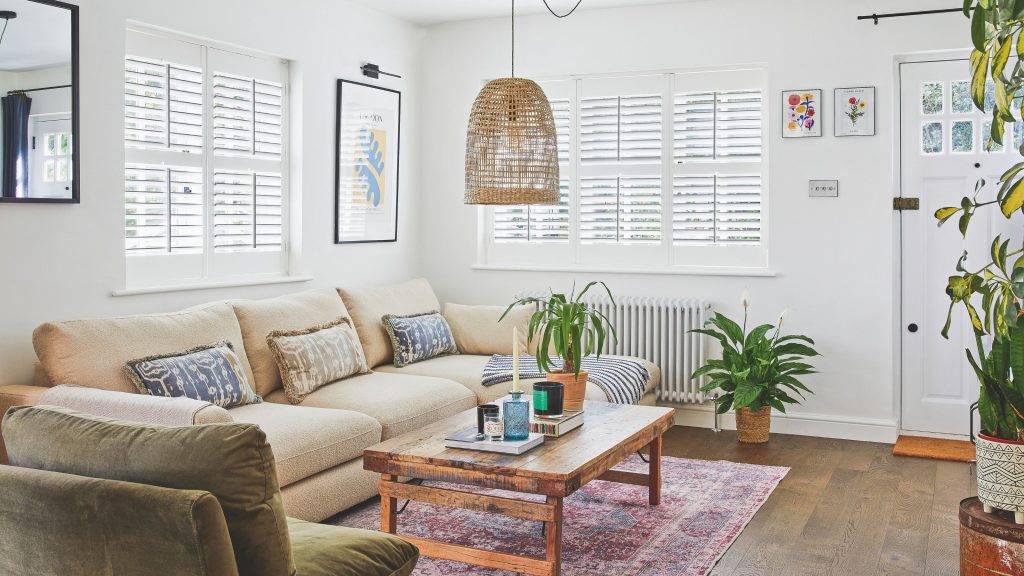
Understanding the psychological benefits of a decluttered environment can serve as motivation for these practices. Research indicates that a clutter-free home can lead to reduced stress levels and improved focus, which is especially crucial in a world filled with distractions. Moreover, a tidy space can enhance creativity and productivity, allowing you to think more clearly and engage in activities you love without the burden of chaos lurking in the background.
As you embark on this journey toward a more organized living space, remember that consistency is key to fostering lasting habits. Start small, remain patient with yourself, and take gradual steps towards creating a sanctuary that reflects peace and clarity.
Ready to dive deeper into these strategies? Let’s explore how you can implement them smoothly into your daily routine, transforming your home into a refuge of tranquility and order.
DIVE DEEPER: Click here to discover more
Practical Approaches to Decluttering
Transforming your home into a clutter-free haven is not merely an aspiration, but a journey that can lead to lasting change. The strategies discussed so far set the foundation for an organized space, but implementing practical approaches is crucial to maintaining a long-term commitment to decluttering. By embracing a few simple yet effective methods, you can create lasting habits that nurture an orderly environment.
Establish Daily Routines
Creating daily routines is an underestimated strategy that can have a profound impact on clutter management. Dedicate a few minutes each day to tidy up, whether it’s making your bed each morning or dedicating five minutes after meals to clear the dining table. Small, habitual actions will accumulate over time, transforming your home into a continuously tidy space. Consider these simple routines:
- Morning Tidy-Up: Take 10 minutes each morning to straighten up your living areas.
- Evening Reset: Spend a few moments before bed organizing any mess that has accumulated throughout the day.
- Weekly Review: At the end of each week, evaluate your routines and tackle any clutter hotspots that have emerged.
Embrace Minimalism
Adopting a minimalist approach can drastically change your perspective towards ownership and can significantly reduce clutter. Minimalism is not about deprivation; it’s about simplifying your life by keeping only the items that truly serve you or bring joy. Begin by assessing each item within your home, asking yourself the following questions:
- Does this item have a purpose?
- Does it bring me joy or enhance my life?
- How often do I use it?
This method encourages critical thinking about possessions and helps you differentiate between what is necessary and what can be let go. Not only does this foster a more serene living environment, but it can also lead to savings, as individuals often purchase based on impulse rather than need.
Reassess Your Habits
Understanding your consumption habits is key to preventing future clutter. Consider keeping a clutter journal for one month to track the items you acquire and dispose of. This exercise will reveal patterns in your purchasing behavior and decision-making processes that contribute to clutter. By recognizing triggers for unnecessary acquisitions—such as emotional spending or impulsive shopping—you can develop strategies to curb these habits. Swap retail therapy for activities that enrich your life without additional clutter, such as exercising, reading, or engaging in creative hobbies.
Seek Support from Friends or Family
Another effective strategy is involving friends or family in your decluttering endeavors. Not only can this provide motivation, but having an accountability partner can also make the process more enjoyable. Consider hosting a “clutter-taming day” where you and your loved ones tackle the mess together; you may even be able to exchange items that others can use. The sense of community can foster a more positive attitude toward decluttering and help relieve the stress associated with the process.
Implementing these practical approaches requires mindfulness and commitment but can ultimately lead to a more organized, peaceful living space. Achieving a clutter-free home doesn’t happen overnight, but with persistent effort and the right strategies, you’ll find that maintaining order becomes an integral part of your lifestyle.
When it comes to transforming your home into a clutter-free sanctuary, employing effective strategies is paramount. One crucial technique involves the principle of minimalism, which encourages individuals to evaluate what truly adds value to their lives. By continuously asking yourself whether an item is necessary, you cultivate a mindset that prioritizes quality over quantity.
Regular decluttering sessions, scheduled monthly or seasonally, will also help maintain your space. During these sessions, you can assess not only physical items but also digital clutter, such as emails and files, which often goes unnoticed. Maintaining an organized digital space contributes to an overall sense of tranquility, reinforcing the clutter-free mindset in your physical environment.
Incorporating storage solutions tailored to your home design is essential. Use decorative boxes, stylish trays, or multifunctional furniture to enhance both aesthetics and functionality. Keeping items within reach yet out of sight allows for a clean and appealing space without sacrificing accessibility.
Moreover, consider implementing a one-in-one-out strategy. For every new item brought into the home, one must be discarded. This practice not only prevents accumulation but also encourages mindfulness about purchases. Furthermore, enlist family members or housemates in the decluttering process, establishing a team effort that can lead to successful and lasting changes.
Lastly, fostering habits of accountability and routine is vital for long-term success. Setting daily or weekly rituals for tidying up can ensure that clutter does not become overwhelming. These habits, while small, compound over time to create significant transformations in your living environment.
| Category 1 | Category 2 |
|---|---|
| Minimalism | Focus on quality over quantity, keeping only valuable items |
| Decluttering Sessions | Regular assessments of physical and digital clutter |
Exploring these strategies can significantly contribute to achieving a clutter-free space and ensuring that your home remains a haven of peace and organization.
DISCOVER MORE: Click here to learn how intentional design can enhance efficiency
Creating Systems for Sustainable Organization
While daily routines and minimalism are pivotal in the journey toward a clutter-free home, creating effective organizational systems is equally crucial. These systems not only facilitate easy access to essential items but also make it easier to uphold the order you’ve worked hard to establish.
Designate Functional Storage Spaces
One of the cornerstones of maintaining a clutter-free environment is to designate specific storage spaces for all types of items within your home. Create zones where everything has a logical place—think of it as a home for your belongings. For instance:
- Living Areas: Use decorative baskets or shelves that blend with your home’s decor for everyday items like remote controls, magazines, and game controllers.
- Kitchen: Implement labeled containers for pantry staples, and consider drawer dividers to keep utensils organized.
- Closets: Use clear bins so that you can see what’s inside, and arrange clothing by color or season for easy access.
By creating these organizational systems, you allow yourself to maintain an orderly space with minimal effort. Each designated space serves as a gentle reminder to return items to their rightful locations, ultimately thwarting the cycle of clutter accumulation.
Implement the One In, One Out Rule
A vital strategy for preventing clutter is the one in, one out rule. Whenever you acquire a new item, consider it a rule that you must part with an old item. This approach encourages intentional purchasing and makes it easier to keep your space clear. For example, when buying a new pair of shoes, donate or discard a pair that you rarely wear. This principle not only helps maintain balance in your possessions but also instills a mindset focused on quality over quantity.
Utilize Technology for Organization
In this digital age, technology can play a significant role in helping keep your home clutter-free. Consider utilizing organization apps that allow you to track belongings, set reminders for decluttering sessions, or even plan out your space. Applications like Habitica or Todoist help break tasks into manageable actions, creating a gamified experience in maintaining your living areas. Many people are finding that visual tools, such as digital mood boards, can also help them visualize spaces and prevent unnecessary purchases, steering clear of future clutter.
Educate Yourself on Sustainable Consumption
Another key strategy is to educate yourself about sustainable consumption. Understanding the impact of your consumer choices can influence how you approach acquiring new items. Research environmentally-friendly products, which often come with minimal packaging and longer lifespans. From furniture made of reclaimed materials to high-quality clothing designed to last, opting for sustainable products helps reduce waste and stimulates a more conscious lifestyle. Over time, this awareness can significantly reduce the likelihood of clutter-related issues.
Employing these organizational systems and strategies requires an upfront investment of time and effort. However, the end results—a serene, efficient, and clutter-free home—are undeniably worth the endeavor. By following these methods, you will not only achieve a tidy space but enhance your overall well-being in an organized home environment.
DISCOVER MORE: Click here to uncover the benefits
Conclusion: Embracing a Clutter-Free Lifestyle
Transforming your home into a clutter-free sanctuary is more than just a one-time effort—it’s a commitment to a lifestyle that prioritizes organization and intentionality. The strategies discussed, from creating functional storage systems to implementing the one in, one out rule, provide a solid foundation for maintaining an orderly space in the long term. By designing your environment thoughtfully, you’re not only optimizing your living areas but also enhancing your overall well-being.
Furthermore, embracing technology can significantly aid in the quest for a clutter-free home. By utilizing organization apps and digital tools, you can streamline your efforts and stay accountable to your decluttering goals. Education on sustainable consumption also plays a pivotal role, guiding you toward mindful purchasing decisions that align with a clutter-free philosophy. By selecting quality items that serve multiple purposes or are built to last, you contribute not only to a cleaner home but also to a healthier planet.
Remember, the journey to a clutter-free home is ongoing. It’s about cultivating habits that harmonize with your lifestyle, ensuring that the spaces you inhabit reflect not only your style but your values. In a world that often encourages excess, choosing to embrace simplicity and order can foster peace and clarity. So, as you embark on this journey, keep in mind that your home is a canvas; it deserves to be painted with intention, thoughtfulness, and a commitment to a clutter-free existence.
Related posts:
How to Create an Efficient Organization System to Keep Spaces Always Clutter-Free
How to Incorporate Minimalism in Decor: Creating Cozy and Clutter-Free Spaces
Minimalism in Families: Strategies for Creating Clutter-Free Spaces at Home with Children
The Emotional Impact of Organized Environments: Psychological Benefits of Clutter-Free Spaces
Minimalism and Sustainability: How to Keep Spaces Organized with Less Consumption
Clutter-Free Workspaces: Boosting Productivity Through Organization

Linda Carter is a writer and organization expert specializing in minimalism and personal organization. With extensive experience helping individuals create clutter-free, functional spaces and adopt mindful habits, Linda shares her knowledge on our platform. Her goal is to empower readers with practical advice and strategies to simplify their lives, stay organized, and achieve a sense of calm and balance in their daily routines.