Clutter Reduction and Digital Life: Creating an Organized Virtual Space to Reduce Anxiety and Increase Focus
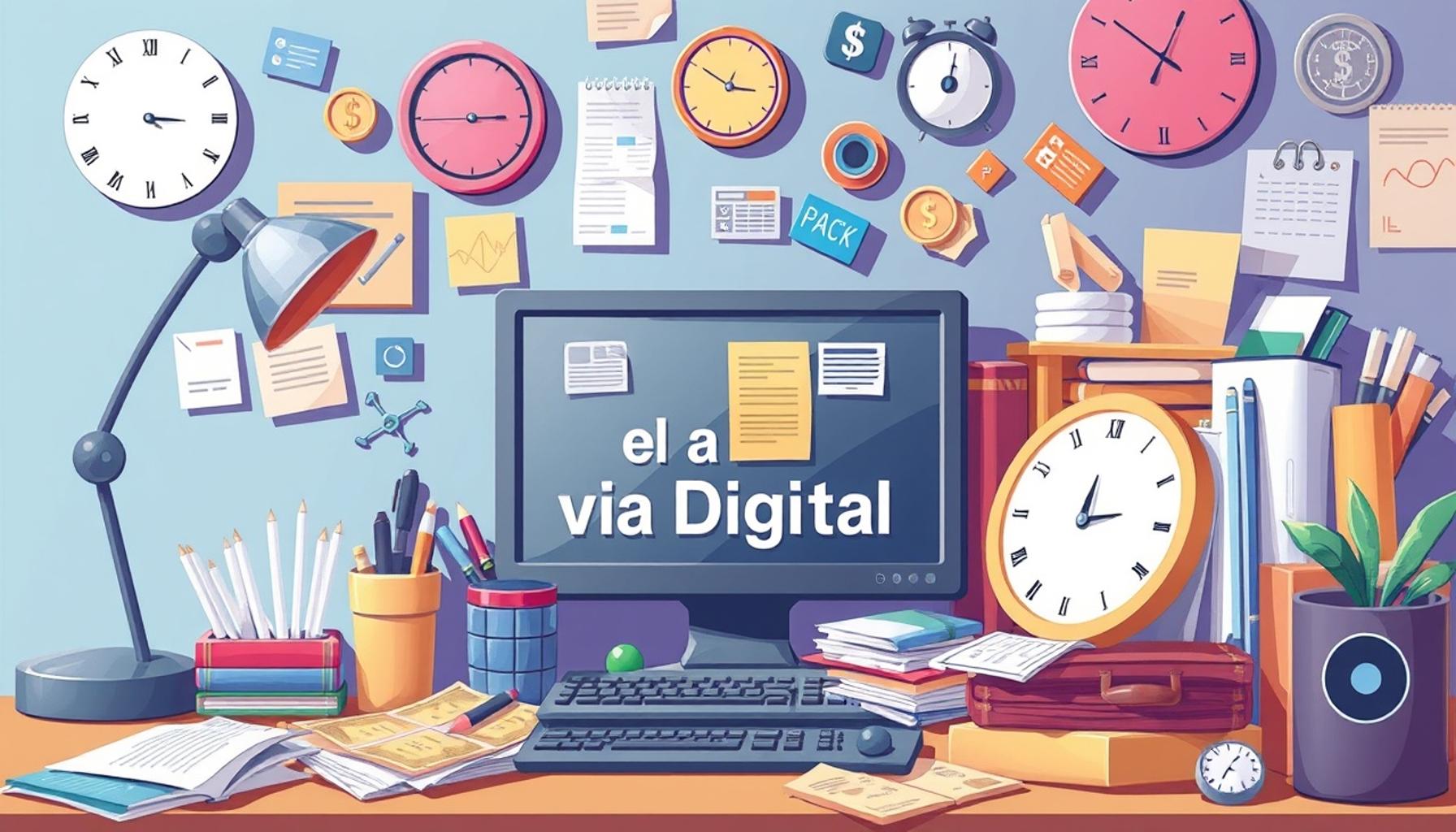
Transforming Your Digital Environment
In today’s fast-paced world, our digital lives can feel overwhelming. With endless emails, notifications, and files vying for our attention, it’s easy to succumb to digital clutter. This state of disarray can not only hinder your productivity but can also take a toll on your mental well-being. Imagine receiving a barrage of notifications throughout the day, causing constant distractions that fragment your attention. This chaos often leads to what many call “decision fatigue,” where sifting through clutter makes even simple tasks feel Herculean.
However, reducing this clutter can serve as a transformative strategy, enhancing both productivity and mental health. Falling in line with this notion, research from the University of California suggests that a disorganized digital space can lower performance levels and increase stress. In contrast, an organized virtual environment can yield significant positive effects. Here are several key benefits of a tidy digital workspace:
- Reduced Anxiety: A clutter-free digital environment minimizes distractions, fostering a sense of calm. Studies show that simply the sight of an overflowing inbox or a desktop littered with files can trigger stress responses, leading to feelings of overwhelm.
- Increased Focus: An organized space helps streamline tasks, allowing for clearer thinking and better concentration. Cognitive psychologists assert that minimizing visual clutter allows for more focused thinking. For instance, decluttering your browser bookmarks and organizing them into clearly labeled folders can save precious time when searching for resources.
- Enhanced Efficiency: Quickly locating files and emails saves time and reduces stress associated with searching. For example, using effective labeling systems and ensuring that documents are stored in identifiable folders prevents time from being wasted on endless searches.
The need for effective clutter reduction strategies is more pertinent than ever. Beyond merely feeling better about your workspace, a clean digital space can lead to better performance and satisfaction in both personal and professional arenas. For instance, businesses that enable their employees to declutter digital files report higher productivity levels and improved job satisfaction.
As you explore ways to create your own organized virtual space, consider a variety of techniques that resonate with you. Start by auditing your email subscriptions or implementing a ‘zero inbox’ strategy. Assess the documents saved on your cloud storage, keeping only what’s necessary while archiving or deleting the rest. Utilizing tools like Trello or Asana can streamline project management and ensure that all tasks are mapped out in an organized manner, reducing the perceived chaos.
This article will guide you through practical methods to declutter your digital life, offering insights that not only elevate your focus but also contribute to a healthier mindset. Embrace the journey; discover how making small changes can lead to significant improvements in your daily digital interactions. Transition from a cluttered digital environment to one that empowers you, paving the way for both productivity and peace of mind.
DISCOVER MORE: Click here to enhance your kitchen space
Assessing Digital Clutter: Understanding Its Impact
Before diving into strategies for clutter reduction, it’s essential to understand how digital clutter manifests and the impact it has on our daily lives. Digital clutter can arise from multiple sources, including excessive email subscriptions, an overwhelming number of files on your computer, and numerous apps vying for your attention on your smartphone. This disarray not only causes stress and anxiety but can disrupt our sense of control and well-being.
Research indicates that an overabundance of information can create an environment ripe for distractions. A study by the American Psychological Association found that multitasking with digital devices can lead to increased levels of stress and reduced cognitive performance. In other words, every notification that goes off and every email that pops up can fragment our attention spans, leading to feelings of frustration and diminished focus. This phenomenon is particularly relevant in the context of a work environment where the demand for constant connectivity often blurs the line between personal and professional life.
Here are some common areas to consider when evaluating your digital clutter:
- Email Overload: The average office worker receives approximately 121 emails each day. These messages can pile up quickly, transforming your inbox into an anxiety-inducing mess. This deluge often leads to ignoring important communications while being bombarded by less critical ones.
- File Organization: A cluttered file system, whether on a desktop or in cloud storage, can make it difficult to find documents when needed. Studies suggest that disorganized digital files can lead to wasted time and increased frustration, ultimately affecting productivity.
- App Overwhelm: With the average user having around 80 apps on their smartphone but only regularly using 9, it’s easy to see how app clutter can contribute to distraction. Each app serves as a portal to endless distractions, pulling our attention from what truly matters.
Recognizing the specific sources of digital clutter in your life can be the first step toward creating a more organized virtual space. By bringing awareness to these stressors, you can implement targeted strategies that lead to a greater sense of control and efficiency. Addressing email overload could involve unsubscribing from unnecessary newsletters, while organizing files might mean establishing a systematic folder structure.
Moreover, the psychological benefits of digital decluttering extend beyond the immediate task at hand. Studies suggest that individuals who engage in regular digital decluttering report feelings of increased satisfaction and mental clarity. They find themselves not just focused on the task in front of them, but also less anxious about the bigger picture, leading to a more fulfilling digital experience overall. As you embark on this journey, it’s crucial to stay patient and embrace the process, knowing that even small changes can lay the foundation for the organized virtual space you aspire to create.
| Advantage | Description |
|---|---|
| Enhanced Productivity | Organizing digital spaces can enhance focus, enabling a smoother workflow. |
| Reduced Digital Anxiety | A clutter-free digital environment minimizes distractions, leading to lower anxiety levels. |
Digital life clutter can manifest in various forms, including overflowing email inboxes, disorganized file systems, and countless apps competing for your attention. Addressing these issues can vastly transform your virtual space and psychological well-being. By systematically organizing files, creating dedicated folders, and utilizing tagging systems, you set the stage for enhanced productivity. Studies show that individuals with an organized workspace report greater energy levels and motivation, setting the tone for accomplishment.Additionally, consider the emotional impact of a cluttered space. The feeling of overwhelm can be significantly lessened when digital distractions are minimized. Less clutter translates to reduced digital anxiety, leading to clearer thoughts and improved focus. Engaging in these practices fosters a sense of control and peace, essential in today’s fast-paced digital world.
DISCOVER MORE: Click here for tips on creating a harmonious home
Strategies for Digital Clutter Reduction: Crafting Your Organized Virtual Space
Once you have assessed the sources of digital clutter in your life, the next step is to implement actionable strategies to regain control over your virtual environment. By actively engaging with these techniques, you can enhance your productivity, create mental space for creativity, and significantly reduce anxiety levels.
1. Streamline Your Email Management
Since email overload is a common issue, consider utilizing tools like inbox zero methodologies or setting specific times throughout your day for email checking. Tools such as Unroll.me allow users to easily unsubscribe from unwanted subscriptions in just a few clicks, thereby decluttering your inbox. Furthermore, filtering important emails with labels can help prioritize what needs immediate attention. Data from the National Institute of Health reinforces that streamlined communication leads to higher levels of focus, enabling a calmer and more organized work life.
2. Optimize File Organization
When tackling file organization, consider the implementation of a consistent folder structure. A useful framework might involve main categories such as “Work,” “Personal,” and “Projects,” further divided into subfolders specific to each task. A 2020 study by the University of California found that organized file systems can reduce the time spent searching for documents by 30%. In addition, make use of cloud storage solutions like Google Drive or Dropbox that enable easy access across devices, while ensuring that files are appropriately tagged and documented for instant retrieval.
3. Assess App Usage
To combat app overwhelm, take the time to evaluate your current applications. Delete those that serve minimal utility or add significant distraction. Employing app limit features or utilizing productivity apps such as Forest or StayFocusd can restrict time spent on non-essential applications. According to a 2022 survey, nearly 50% of smartphone users reported feeling less anxious after decluttering their app interface, achieving greater focus on essential tasks.
4. Digital Minimalism: A Lifestyle Choice
Adopting a philosophy of digital minimalism can be a powerful tool in your clutter reduction journey. This trend encourages individuals to examine the digital tools they use and consciously decide which ones align with their values and goals. A notable proponent, author Cal Newport, emphasizes the mental benefits of prioritizing tasks that contribute meaningfully to one’s life. Engaging with this mindset can facilitate the development of a more intentional and focused virtual space.
5. Regular Digital Decluttering
Just as physical spaces require regular tidying, the digital realm does too. Establish a routine—perhaps monthly or quarterly—dedicated solely to decluttering your digital devices. During these sessions, evaluate your email subscriptions, review and archive old files, and reassess app utility. This ensures your virtual environment remains conducive to productivity and reduces the chances for stress-inducing build-up.
By taking these steps towards clutter reduction, you create a streamlined digital experience that not only promotes focus but positively impacts your overall mental well-being. As your organized virtual space flourishes, the resulting clarity can empower you to approach challenges with renewed vigor and focus, ultimately fostering a more satisfying digital life.
DISCOVER MORE: Click here for expert tips
Concluding Thoughts: The Path to a Tranquil Digital Life
In a world where digital distractions are increasingly prevalent, the journey toward clutter reduction and the creation of an organized virtual space has never been more crucial. The strategies discussed, from effective email management to embracing digital minimalism, are not just practical tools; they represent a shift in how we interact with technology. By streamlining our digital environments, we foster a setting that minimizes anxiety and maximizes our focus.
The reality is that our virtual lives mirror our physical realities. A cluttered inbox or an overflowing app drawer can translate to a chaotic mindset, obstructing productivity and breeding stress. However, by committing to regular digital decluttering and implementing an intentional approach to our online tools, we can sculpt a virtual workspace that enhances our efficiency and well-being. Research supports that a well-organized digital life leads to significant improvements in mental clarity; studies indicate a decrease in anxiety levels for users who actively manage their digital possessions.
Furthermore, adopting a philosophy of digital minimalism empowers individuals to reflect on what truly matters, aligning their online activities with their core values. This reflection not only enriches personal satisfaction but also drives focus and fulfillment in both work and leisure. As you embark on your journey toward a more organized digital existence, remember that every small step counts. Embrace the quest for clarity and watch as your digital landscape transforms—from a source of overwhelm into a bastion of inspiration and productivity.