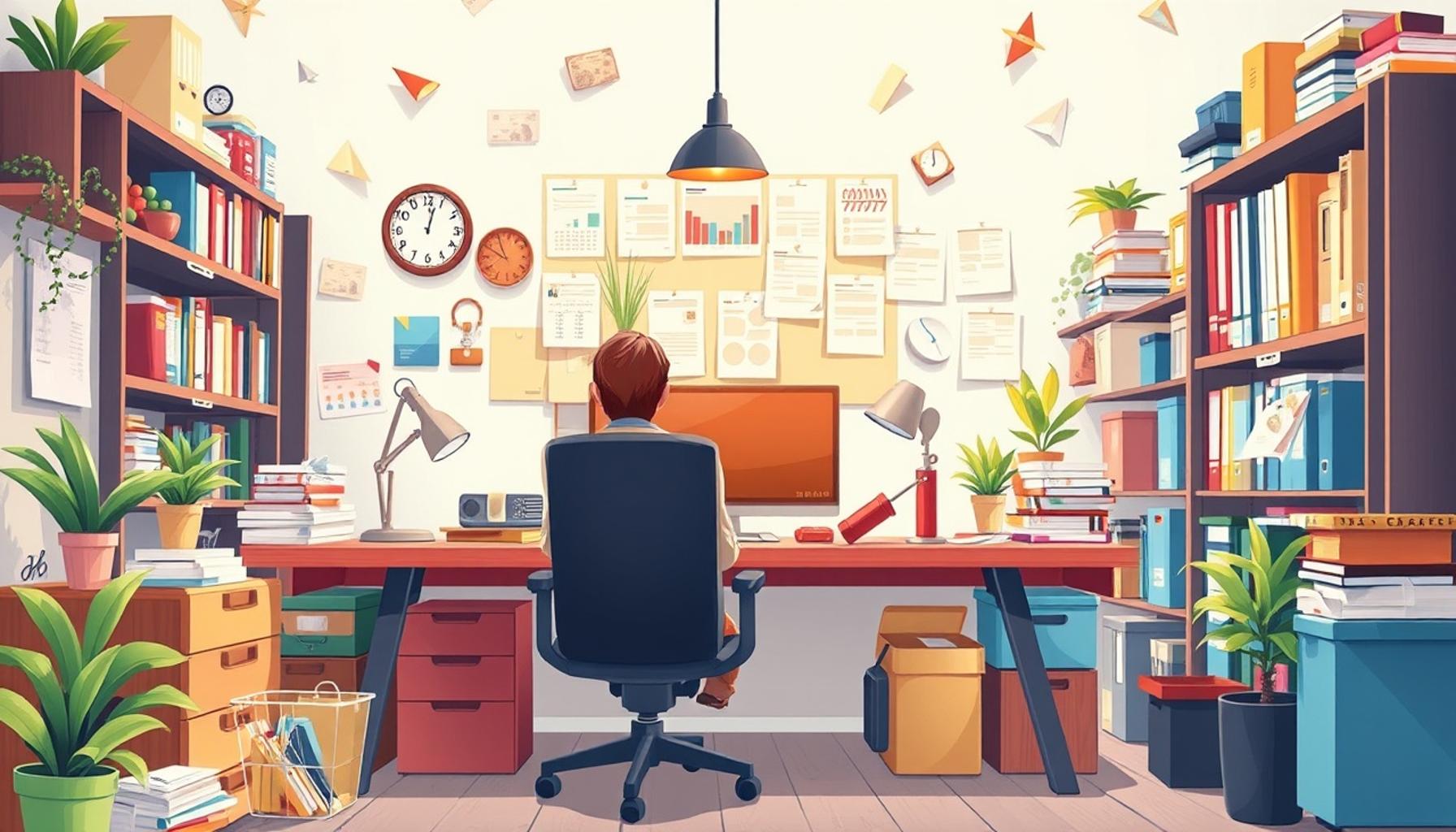
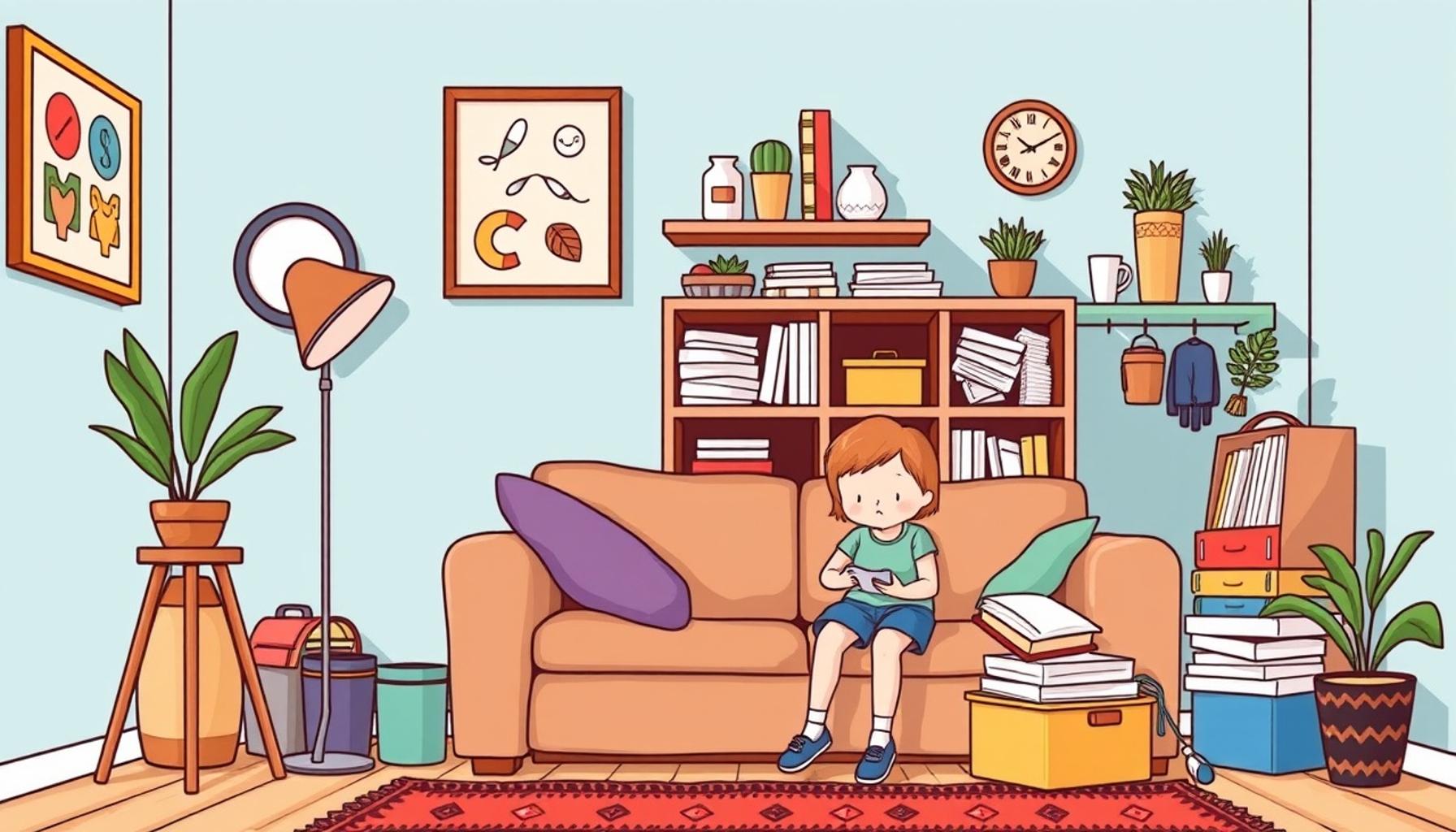
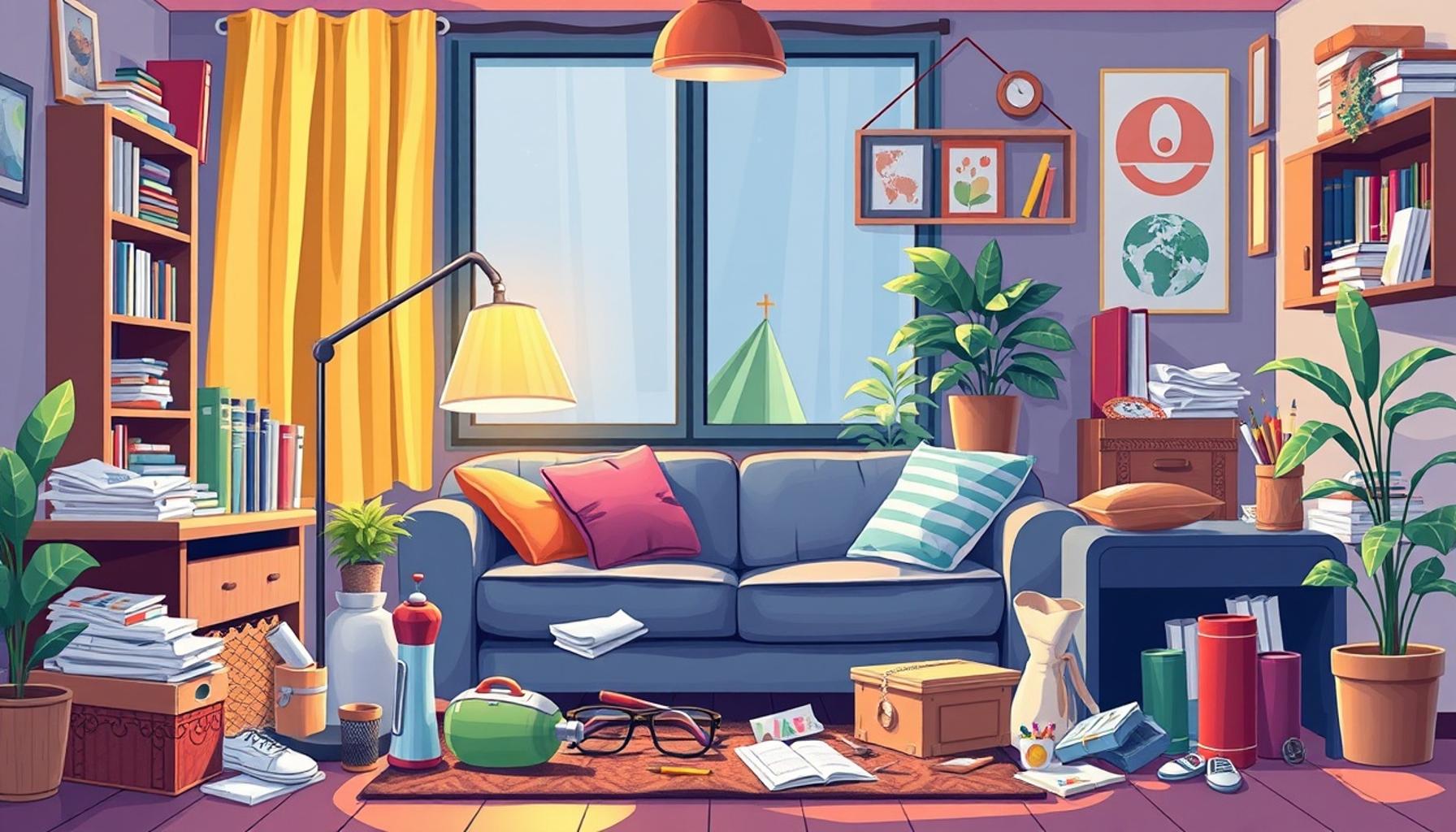
How Interior Design Influences the Creation of Clutter-Free and Functional Spaces
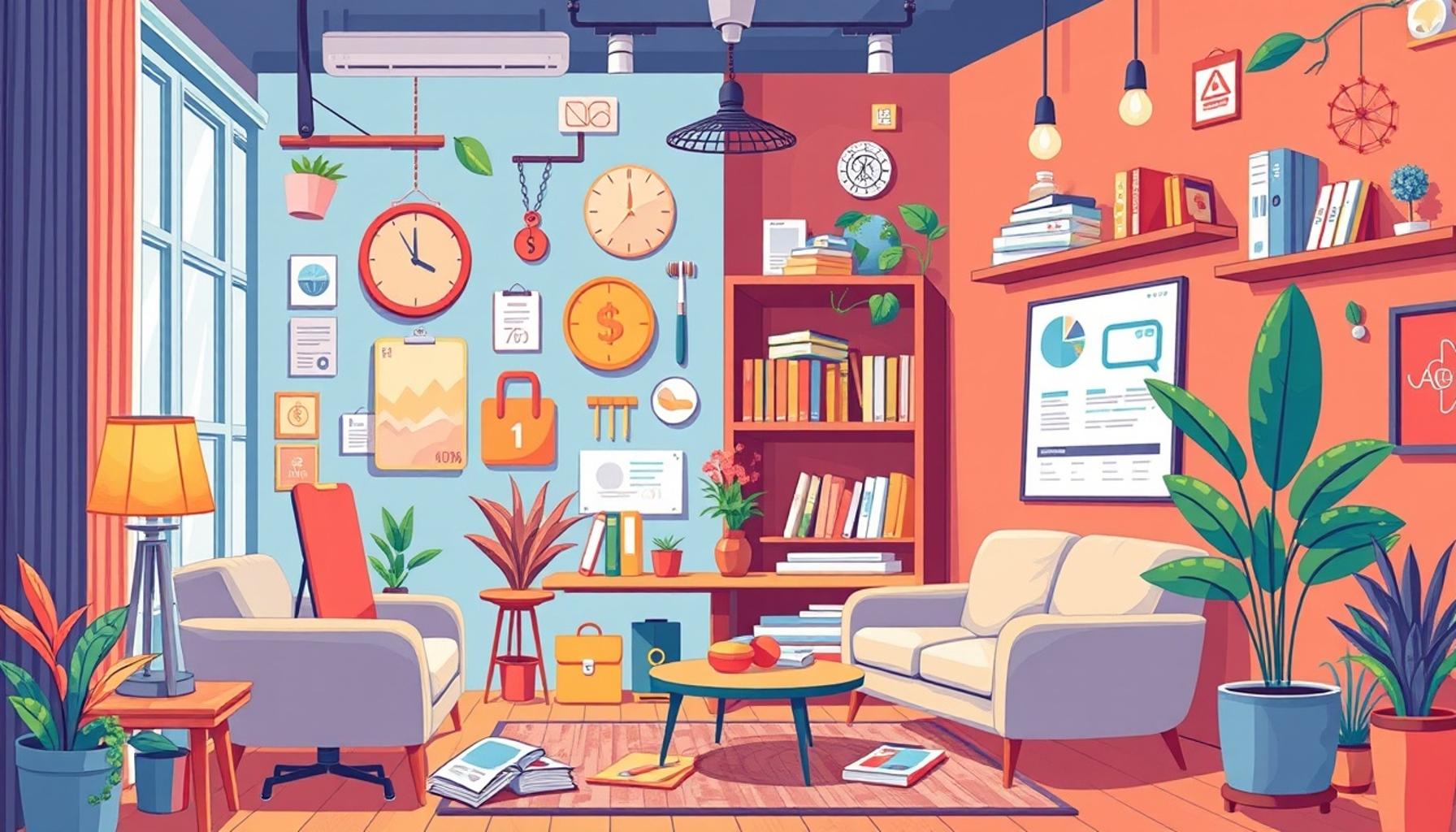
The Importance of Creating a Functional Living Space
In an era where most people are juggling work, family commitments, and social activities, the need for a clutter-free and functional living space has never been more significant. Interior design is more than just arranging furniture and selecting color palettes; it is a comprehensive approach that fuses aesthetics with practical use to enhance our daily lives. A well-designed room can boost productivity, promote relaxation, and transform the atmosphere of our homes.
Strategic Layout
One of the core elements of interior design is a strategic layout. Thoughtfully arranged furniture and decor can significantly improve the flow and accessibility of a space. For instance, in a small apartment, positioning a sofa away from the walls can create a sense of depth and openness, making the area feel larger. Utilizing layouts that facilitate easy movement, like an open floor plan, can also encourage interaction among family members or guests.
Color Schemes
The colors you choose for your interiors have a profound impact on your mood and perception of space. For example, soft blues and greens often evoke a sense of calm, perfect for a bedroom or home office, while vibrant reds or yellows can energize spaces like kitchens or living rooms. By understanding the psychology of color, you can create an environment that not only pleases the eye but also supports emotional well-being. Additionally, incorporating natural light through large windows or skylights can enhance these color effects, giving your space a vibrant soft glow during the day.
Furniture Selection
The selection of furniture plays a pivotal role in both style and functionality. Incorporating multi-functional pieces, such as sofa beds, coffee tables with storage features, or ottomans that double as seating, can drastically reduce clutter while maintaining an aesthetically pleasing environment. For instance, a console table with drawers can serve as a catch-all for items like keys and mail, helping streamline daily routines.
Embracing Minimalism and Organization
Incorporating the principles of minimalism and organization is essential for creating a harmonious living space. Embracing minimalism doesn’t mean sacrificing style; instead, it advocates for intentional design choices that serve a purpose. Smart storage solutions—like wall-mounted shelves, under-bed storage, or multifunctional furniture—enable you to keep your belongings organized while retaining a clean and open feel throughout your home. Consider integrating vertical storage in smaller spaces to maximize floor area without compromising on decor.
As you delve deeper into the world of interior design, reflect on how your choices shape your daily routines. Small adjustments, such as adding plants for air quality or reorganizing a cluttered bookshelf, can make significant impacts over time. Conversely, larger renovations might redefine the ambiance of a room entirely. Each decision—whether it’s the color of your walls or the type of furniture you choose—contributes to a space that is not only visually appealing but also pragmatically sound. Discovering methods to cultivate such environments opens doors to endless possibilities, transforming your home into a sanctuary that enhances your lifestyle.
DISCOVER MORE: Click here to dive deeper
Design Principles that Promote Clutter-Free Living
Understanding the interplay between interior design and functionality is crucial for creating a space that is not only visually appealing but also frees you from the chaos of clutter. Several key design principles can guide you in cultivating such an environment, allowing your living space to serve your lifestyle effectively while exuding charm and sophistication.
Smart Zoning
One effective method of enhancing functionality is through smart zoning. This concept involves dividing larger areas into distinct sections, each serving a specific purpose. For example, in an open concept living area, implementing a small bookshelf or a console table can visually separate the living space from the dining area. This separation can help define the function of each zone and discourage the scattering of items across your home. Utilizing rugs can also assist in demarcating these areas, making it clear where each activity should take place. When you designate specific areas for work, relaxation, and socializing, you’re inherently reducing the likelihood of clutter encroaching into spaces meant for relaxation or focus.
Incorporating Natural Elements
Bringing the outside in is another strategy that complements clutter-free design. Natural elements can infuse your space with a sense of calm and tranquility, which further promotes a less cluttered mindset. Consider incorporating decorative items such as houseplants, wooden furniture, or stone accents, which can serve dual purposes: they beautify the environment while enhancing air quality and fostering a connection to nature. Experts suggest that greenery not only elevates aesthetic appeal but can also reduce stress levels, which may encourage a more organized and decluttered mental state.
Storage Solutions That Blend with Design
Creative storage solutions are paramount in achieving a clutter-free space. Consider these options for maintaining an organized and functional environment:
- Hidden storage: Use furniture that doubles as storage, such as ottomans with compartments or beds with drawers.
- Floating shelves: These can create additional space for books and decor without taking up precious floor area.
- Storage benches: Incorporate these in entryways or mudrooms to allow for easy shoe storage and removal of outerwear.
- Drawer organizers: Utilize dividers and boxes in drawers to keep small items like office supplies or utensils sorted.
By effectively integrating these storage solutions into your design scheme, you can keep everyday items conveniently accessible, yet neatly stored away, thus maintaining a clear and functional aesthetic.
Function Over Form
As you reconsider your interior design choices, remember that function should take precedence over form. While aesthetics are undeniably essential, prioritizing usability can lead to a more satisfying and clutter-free living experience. Evaluate your current furniture and decor; do they serve a purpose or simply occupy space? Choosing items that fulfill a dual purpose, such as a stylish coffee table that also offers storage, can enhance the usability of your home while eliminating unnecessary items that contribute to clutter.
Ultimately, by understanding and applying these design principles, you can create spaces that are not only beautiful but also enhance your daily life by promoting organization and functionality. Embracing a design approach grounded in these strategies can lead you to achieve a serene atmosphere that transcends mere aesthetics.
When considering how interior design shapes our environments, it is essential to delve into the specific elements that contribute to the creation of clutter-free and functional spaces. Each design choice, whether it’s the selection of colors, materials, or the layout, plays a critical role in how we interact with our surroundings. One of the most influential factors in interior design is the concept of minimalism. This trend encourages the elimination of excess, leading to spaces that promote both calmness and functionality. A minimalist approach not only makes a space visually appealing but also simplifies daily activities by reducing distractions. Incorporating multifunctional furniture, such as ottomans with storage or coffee tables that double as workspaces, exemplifies how intentional design can enhance usability without sacrificing aesthetics.Additionally, the incorporation of natural light significantly affects the perception of space. Large windows, light-colored walls, and the strategic arrangement of mirrors can create an illusion of openness, making spaces feel less cramped. This is particularly crucial in smaller areas or urban environments, where maximizing functionality is a priority. The psychological benefits of natural light also contribute to a more pleasant atmosphere, improving mood and productivity.The integration of thoughtful storage solutions is another dimension of effective interior design. Built-in shelves, hidden compartments, and cleverly designed cabinets can help maintain a tidy environment. This not only allows for an organized space but also promotes the concept of everything having its place—an essential aspect of creating a clutter-free home. Moreover, the use of color psychology in interior design can influence how we feel in a space, further emphasizing clarity and functionality. Warmer colors tend to evoke comfort while cooler colors promote tranquility and focus. Selecting a cohesive color palette can transform the energy of a room, making it not just a place to dwell but a sanctuary for creativity and relaxation.Through the lens of these principles, it becomes evident that effective interior design does more than decorate; it actively shapes our behavior and interactions with our environments. The ongoing exploration of this topic illustrates how conscious design choices can lead to improved quality of life, prompting a deeper investigation into specific techniques and styles that can elevate our living and working spaces.
DISCOVER MORE: Click here to learn how to create a clutter-free space
Innovative Approaches to Decluttered Living
When discussing how interior design influences the establishment of clutter-free and functional spaces, it’s essential to explore innovative approaches that are gaining traction in modern homes. These contemporary solutions not only maximize space efficiency but also reflect changing lifestyles and preferences, ultimately paving the way for a more organized and inviting environment.
Light and Color: The Psychological Impact
The choice of color and lighting can significantly impact your perception of space and order. Light colors, such as whites, pastels, or soft plays of beige, tend to make spaces feel larger and more open, thus promoting a serene atmosphere conducive to minimalism. Dark colors, on the other hand, can create a cozy ambience but may make areas feel smaller and more crowded if not managed well. Combining bright walls with well-placed task lighting can help illuminate areas that are prone to clutter, thereby encouraging a sense of order.
Additionally, consider the use of natural light as a key component of your design. Strategically placing mirrors can reflect light and create an illusion of more space, making even the smallest rooms feel expansive and well-organized. Embracing the psychological aspects of colors and lighting can thus be a powerful tool in decluttering not just your physical space but also your mind.
The Minimalist Philosophy
The rise of the minimalist philosophy showcases a significant shift in how people approach their living spaces. The idea centers on reducing the number of possessions to the essentials, allowing for a greater appreciation of quality over quantity. By evaluating and eliminating unnecessary items, homeowners can create a refreshing atmosphere where everything has a purpose and a place.
Examples of minimalist design often feature functional furniture with clean lines, neutral palettes, and unobtrusive decor. By investing in high-quality, timeless pieces, individuals can maintain a clutter-free environment without compromising on style. Additionally, adopting minimalist storage solutions, such as well-designed cabinetry that blends seamlessly into the walls, can be a game-changer in managing space.
Functional Furniture Design
The trend toward functional furniture continues to transform how we think about space. Items that serve multiple purposes, such as drop-leaf tables or modular sofas, allow for flexibility and adaptability in small areas. Designers are paying more attention to creating furnishings that cater to specific needs while also being aesthetically pleasing.
- Convertible furniture: Transforming Murphy beds and expandable dining systems can aid in maximizing usability while ensuring that spaces remain tidy and uncluttered.
- Smart technology integration: Smart home features, such as wall-mounted charging stations and automated storage solutions, streamline the organization process and enhance functionality.
By incorporating furniture pieces that harmonize beauty and practicality, homeowners can maintain a space that feels curated yet functional at all times.
Community and Collaborative Spaces
Today’s design also embraces the concept of communal living, promoting spaces that invite collaboration while maintaining areas for individual use. This trend, particularly popular in urban environments, leads to the design of shared zones equipped with innovative storage solutions, such as lockers or communal shelves. These spaces allow residents or family members to temporarily house items without cluttering their private living quarters, thus optimizing both personal and shared areas.
Furthermore, community-centric layouts encourage open conversations among users about their belongings, often leading to a collective effort in maintaining a clutter-free environment. The interactive aspect of such living arrangements fosters a sense of responsibility, inspiring everyone involved to take ownership of the shared space.
By recognizing and implementing these innovative approaches, you can significantly influence the dynamics of your living space, enhancing its functionality while embracing the essence of a clutter-free life.
DISCOVER MORE: Click here to find out how to maintain a clutter-free space
Conclusion
In conclusion, interior design plays a pivotal role in the creation of clutter-free and functional spaces, balancing aesthetics with practicality to shape our living environments. As we’ve examined, the thoughtful use of light and color can enhance not only the physical dimensions of a room but also influence our mental framework surrounding organization. This emphasizes the importance of creating spaces that evoke calmness and clarity.
Moreover, the rise of the minimalist philosophy encourages a shift toward valuing simplicity and functionality over excess, enabling individuals to focus on what truly matters in their lives. Coupled with the emergence of functional furniture, these design principles offer practical solutions that adapt to modern needs while maintaining a curated appearance.
The trend towards communal living further amplifies the significance of collaborative spaces, driving communities to develop a shared sense of responsibility towards keeping these settings well-organized and inviting. As more people gravitate toward these innovations, they not only elevate their personal surroundings but also nurture environments that promote collaboration, connection, and creativity.
Ultimately, understanding the profound influence of interior design on fostering clutter-free and functional spaces invites us to rethink our approach to living. As we continue to explore these dynamic trends and implement new strategies, we pave the way for more harmonious and efficient homes, where we can thrive amidst the beauty of simplicity and functionality.
Related posts:
Digital Minimalism: Creating an Organized Virtual Environment Free of Distractions
The Impact of Clutter-Free Living on Productivity and Creativity
Transforming Your Home: Strategies for Keeping a Clutter-Free Space Long-Term
The Emotional Impact of Organized Environments: Psychological Benefits of Clutter-Free Spaces
Minimalism and Sustainability: How to Keep Spaces Organized with Less Consumption
Minimalism in Families: Strategies for Creating Clutter-Free Spaces at Home with Children

Linda Carter is a writer and organization expert specializing in minimalism and personal organization. With extensive experience helping individuals create clutter-free, functional spaces and adopt mindful habits, Linda shares her knowledge on our platform. Her goal is to empower readers with practical advice and strategies to simplify their lives, stay organized, and achieve a sense of calm and balance in their daily routines.