Intentional Design Principles for a Clutter-Free Home Environment
Creating a Calm and Organized Space
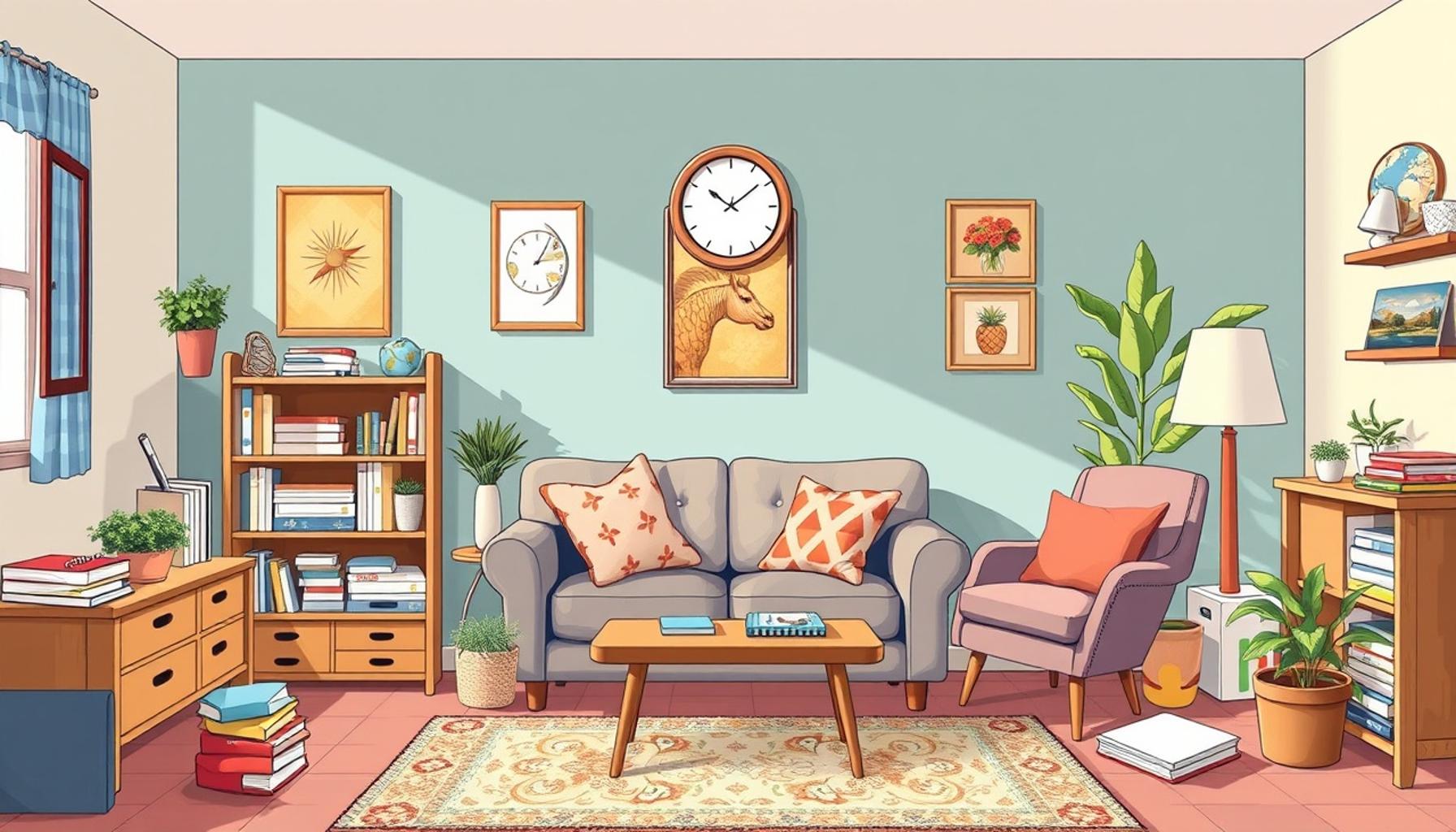
In today’s fast-paced world, a clutter-free home environment is more than just a trend; it’s a necessity for mental well-being. A cluttered space can lead to feelings of anxiety, while a well-organized home has the power to promote clarity and reduce stress. But what does it truly mean to design intentionally? Designing with intention is about creating a space that reflects personal values and needs, allowing one to thrive in an organized and peaceful environment.
As possessions multiply, pursuing intentional design principles becomes increasingly essential. Consider the following key aspects to achieve a harmonious living space:
- Functionality: Every piece in your home should serve a purpose. For instance, a sofa should not only be stylish but also comfortable for relaxation and gatherings. Think about multifunctional furniture, such as a coffee table with storage or a bed with drawers to maximize every inch of space.
- Aesthetic Appeal: Colors and materials have profound effects on mood and perception. Soft, neutral colors like blues, greens, and earth tones can create a calming atmosphere. Incorporating natural materials like wood or stone often brings a sense of warmth and connection to the outdoors, essential for creating a serene environment.
- Organization: Smart storage solutions can dramatically reduce visible clutter. Embrace vertical storage with shelves that draw the eye upward, or utilize stylish baskets and bins to organize items within easy reach. Drawer dividers and labels can keep small items neatly arranged, making it easier to find what you need.
Intentional design emphasizes making thoughtful choices daily that foster tranquility. By prioritizing simplicity and efficiency, you can transform your space into a sanctuary that encourages relaxation and focus. For example, establishing a dedicated workspace at home that is free from distractions can boost productivity and help clarify your goals.
Exploring intentional design principles opens the door to creating a home that truly works for you. To embark on this journey, start by evaluating your current possessions. Keep items that add value to your life and consider donating or discarding what no longer serves a purpose. This process not only declutters your space but also promotes a clearer mindset.
Join us as we delve into practical tips and effective strategies for cultivating a living space that reflects your unique style while promoting a clutter-free lifestyle. By integrating these principles into your daily routine, you can create an environment that nourishes your spirit and fosters an overall sense of well-being.
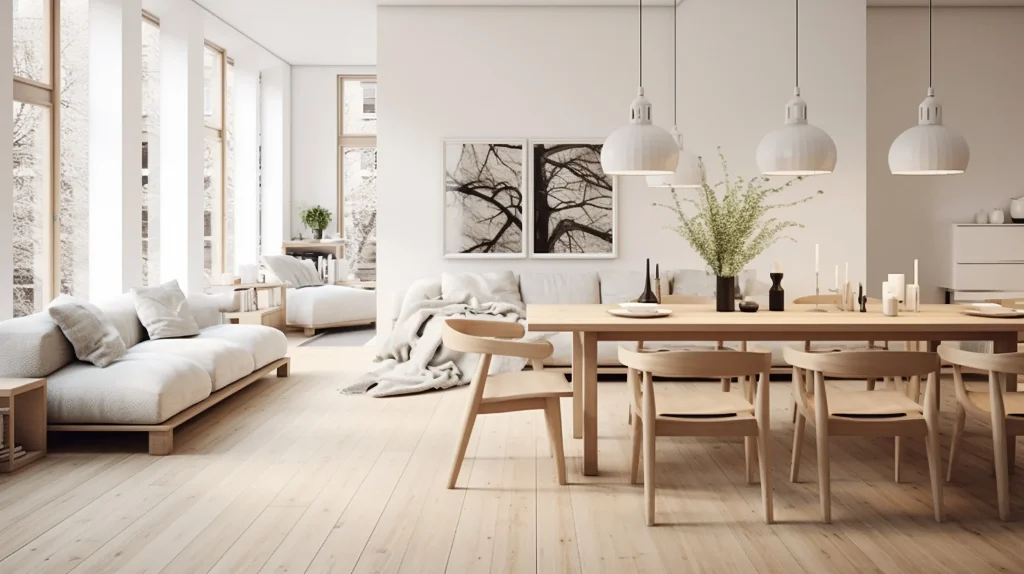
DISCOVER MORE: Click here to learn how to enhance your productivity
Key Principles of Intentional Design
Adopting intentional design principles is a transformative approach that fosters a clutter-free home environment. By focusing on specific strategies, you can curate a space that not only looks appealing but also enhances your everyday life. Below are some fundamental principles that guide the intentional design process:
- Prioritize Purpose: When it comes to home design, every choice should reflect your lifestyle and needs. Are you aiming for a peaceful retreat, a vibrant gathering space, or a multifunctional area? Each piece of furniture, decor item, or accessory should be evaluated based on its contribution to your desired atmosphere. For instance, consider incorporating a sleek console table that not only provides a surface for decorative pieces but also serves as a spot to manage incoming mail or keys.
- Embrace Minimalism: Minimalism doesn’t mean you have to sacrifice style; rather, it encourages the elimination of unnecessary items. A minimalist approach focuses on keeping only the essentials and celebrating simplicity. This might involve removing excess decor or furniture that doesn’t bring joy, allowing your home to breathe. The popular saying, “less is more,” stands true—less clutter often translates to more mental clarity.
- Design with Zones: Creating zones within your home can significantly enhance functionality and organization. By defining specific areas for activities such as reading, cooking, socializing, and working, you can avoid the feeling of chaos. For example, a cozy reading nook can be established with a comfortable chair, good lighting, and a small bookshelf, creating a dedicated space for relaxation that doesn’t intermingle with busier areas in the home.
Moreover, it’s essential to acknowledge the role of lighting in intentional design. Natural light has been shown to have psychological benefits, including improved mood and productivity. Where possible, arrange furniture to maximize sunlight exposure, and consider using mirrors strategically to reflect light throughout the space.
Attention to detail in textural variety can also add to the intentionality of your design. A balance of textures, such as soft fabrics alongside sleek metals or rustic woods, can stimulate the senses and create a welcoming atmosphere. This tactile diversity can enhance a sense of warmth and depth within your home, making it more enjoyable to inhabit.
As you integrate these principles into your home, remember that intentional design isn’t a one-time project but an ongoing journey. Regular assessments of your space and belongings help maintain a clutter-free environment that evolves with your lifestyle. In the next section, we will explore more practical strategies and tools to further streamline your home and ensure that every square foot serves a valuable purpose.
| Design Principle | Advantages |
|---|---|
| Minimalism | Promotes clarity and peace by reducing distractions in your living space. |
| Functional Organization | Enhances efficiency and accessibility, making it easier to find items when needed. |
| Natural Light | Boosts mood and productivity while creating an inviting atmosphere. |
| Personal Touch | Encourages self-expression while maintaining a cohesive and clutter-free environment. |
Implementing these intentional design principles not only transforms your home into a visually appealing space but also significantly enhances your quality of life. When you adopt minimalism, you learn to appreciate the beauty of simplicity, which fosters a sense of calm. The principle of functional organization empowers you to find what you need quickly, minimizing frustration and reducing the time spent searching for lost items.Emphasizing natural light in your home can synergistically improve both physical and mental well-being; it has been shown to uplift moods and increase focus. Additionally, adding your personal touch through carefully chosen decor allows you to create unique spaces that reflect your personality while keeping clutter at bay. Exploring these principles can pave the way towards a more organized, serene, and clutter-free home environment.
DIVE DEEPER: Click here to discover effective strategies
Leveraging Smart Storage Solutions
One of the most effective strategies in embracing intentional design principles is the use of innovative storage solutions that not only organize but also enhance the aesthetic of your home. The mantra here is to make every inch count. Think beyond traditional cupboards and shelves; consider using vertical space creatively.
- Vertical Shelving: Utilize wall space with adjustable shelving units that can accommodate books, art, and decorative items. This method not only helps in reducing clutter but also allows for a dynamic display that can be updated regularly. Companies like IKEA offer modular shelving to fit various styles and spaces, inspiring you to craft a personal library or gallery wall that captivates.
- Multi-Functional Furniture: Opt for furniture that serves multiple purposes, such as ottomans with storage, coffee tables with drawers, or beds with built-in compartments. These choices are essential for maximizing small spaces, especially in urban areas typical in places like New York or San Francisco. Incorporating such items encourages an intentional approach to furniture, where each piece is both functional and meaningful.
- Underutilized Areas: Pay attention to underused areas in your home, such as under staircases or between cabinetry. Creative solutions like under-stair drawers or a slim side table can provide hidden storage while maintaining an aesthetic atmosphere. Not only does this keep your belongings neat, but it also gives your home a polished and intentional look.
Alongside smart storage, the notion of mindful curation plays a significant role in maintaining a clutter-free space. This involves selecting items not just for their decorative value but for their emotional and practical significance. Each piece should resonate with your identity—this could mean hanging family photographs that evoke fond memories or displaying artwork that inspires creativity. Furthermore, adopting a “one in, one out” policy aids in managing new acquisitions, ensuring that every new item has a purpose and a designated spot.
Incorporating Personalization
Intentional design thrives on individual expression. Personalization goes hand-in-hand with intentionality and encourages you to surround yourself with objects that tell your story. For instance, creating a gallery wall can serve as the focal point of a room. By mixing different frames and art styles, you reflect your personality while avoiding a cluttered feel when designed thoughtfully.
Incorporating natural elements—such as plants, crystals, or wooden accents—can also contribute greatly to personalizing a space. Not only do these elements add life and color, but they also improve air quality and promote relaxation, making your home a true sanctuary. According to recent studies, incorporating greenery can reduce stress and enhance overall well-being, supporting the idea that intentional design is also beneficial for mental health.
Staying consistent with color schemes and materials across your home can reinforce a sense of coherence. Opt for a color palette that speaks to you, whether it’s calming blues and greens or vibrant yellows and reds. This eases visual chaos and creates a streamlined look, helping to maintain an organized and intentional design.
As we delve deeper into the principles of intentional design, remember that your home should reflect not just aesthetic choices but also your personal journey and aspirations. Continue to seek meaningful ways to create spaces that nurture, inspire, and uplift you each day.
DISCOVER MORE: Click here to uncover effective routines
Conclusion: Curate a Clutter-Free Oasis
In our pursuit of a serene and organized living space, embracing intentional design principles serves as a powerful strategy to cultivate a clutter-free home environment. By leveraging innovative storage solutions, practicing mindful curation, and personalizing your space, you can transform your house into a sanctuary that reflects your unique identity and lifestyle. It is essential to recognize that clutter does not simply accumulate; it often results from our choices and habits. By adopting a thoughtful approach to design—where each item is selected with purpose and passion—you can foster an atmosphere that promotes clarity and calmness.
As you engage in this journey, consider the emotional resonance of the objects you choose, integrating pieces that tell your story and inspire positive energy. The beauty of intentional design lies not only in aesthetic appeal but also in its capacity to enhance mental well-being. Incorporate elements inspired by nature, embrace multifunctional furniture, and utilize space creatively to optimize both functionality and style.
Ultimately, cultivating a clutter-free home is not merely a practical endeavor; it is a holistic lifestyle choice. Allow your environment to nurture your spirit, reflecting your aspirations and values. As you embark on this transformative path, remember that every small step towards intentional design is a stride towards a more organized, peaceful, and fulfilling life. Explore various design resources, from DIY guides to professional consultations, to continue evolving your space into an oasis of tranquility.
Related posts:
How Intentional Design Enhances Personal Organization and Mental Clarity
Intentional Design and Sustainability: Connecting Minimalism and Conscious Consumption
How Intentional Design Can Improve Personal and Organizational Efficiency
How Intentional Design Influences Our Daily Routines and Organization Habits
Intentional Design Strategies to Reduce Clutter and Enhance Mental Clarity
The Importance of Intentional Design in Creating Minimalist Spaces

Linda Carter is a writer and organization expert specializing in minimalism and personal organization. With extensive experience helping individuals create clutter-free, functional spaces and adopt mindful habits, Linda shares her knowledge on our platform. Her goal is to empower readers with practical advice and strategies to simplify their lives, stay organized, and achieve a sense of calm and balance in their daily routines.