Less is More: The Emotional and Mental Benefits of Simplified Living in Modern Life

Embracing Simplicity in a Chaotic World
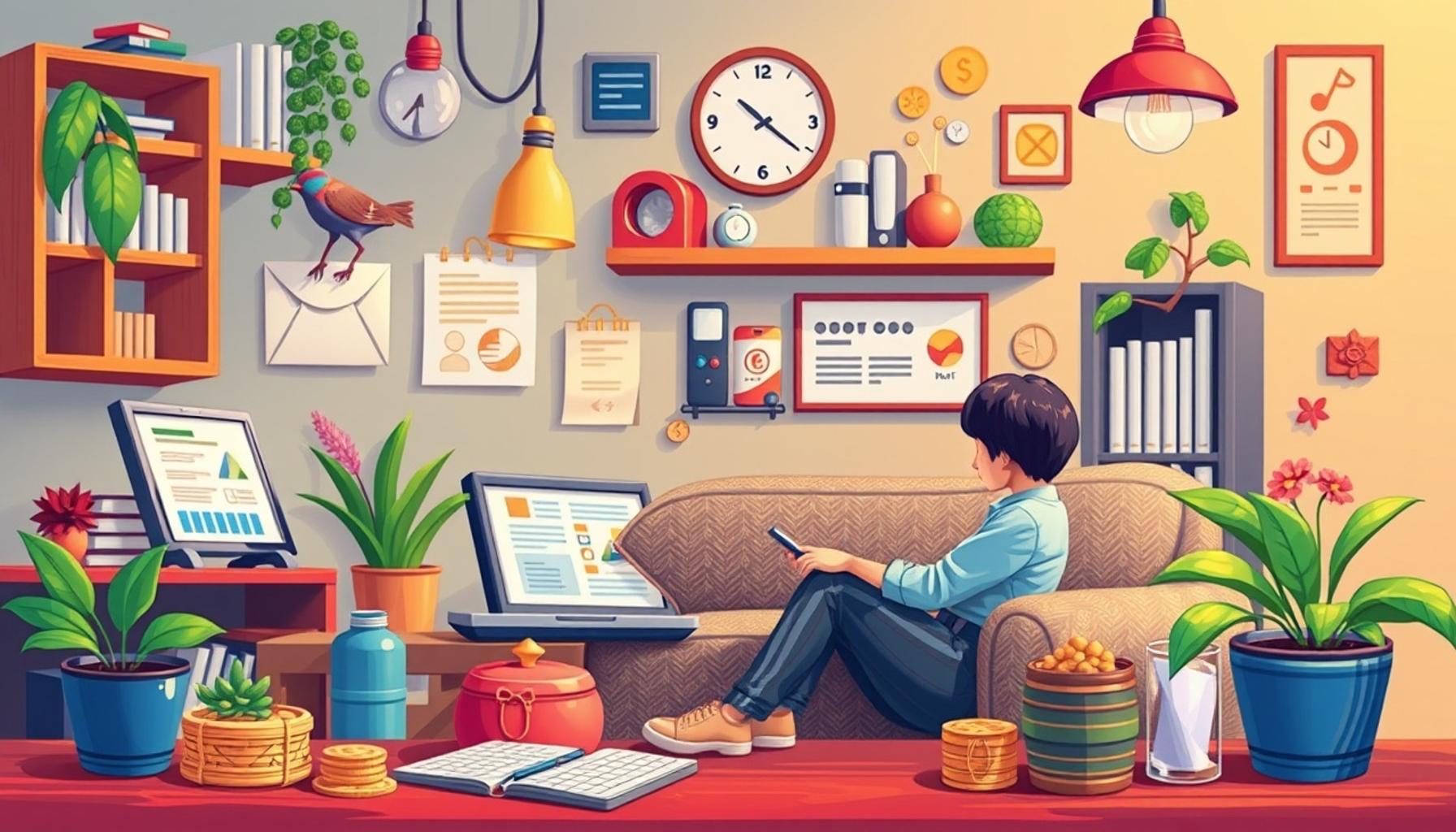
Modern life often bombards us with incessant noise and overwhelming choices. In such an environment, the concept of simplified living emerges as a beacon of clarity. Less is more not only serves as a philosophy but also as a powerful tool for enhancing our emotional and mental well-being.
Why Simplified Living?
As we navigate through our daily routines, many find themselves caught in a cycle of materialism and constant busyness. This phenomenon, often referred to as “the rat race,” can lead to feelings of dissatisfaction and emptiness. Here are some compelling reasons to consider a more simplified lifestyle:
- Reduced Stress: Less clutter in our physical space can lead to lower anxiety levels. A study from the Princeton University Neuroscience Institute revealed that clutter can interfere with the brain’s ability to focus, making it challenging to concentrate on the task at hand. By simplifying our environments, we can create a sanctuary that fosters calm and productivity.
- Enhanced Focus: Fewer distractions improve our ability to concentrate on what truly matters. Research indicates that multitasking, often spurred by the abundance of choices, can weaken cognitive performance. In a simplified setting, clarity emerges, allowing us to direct our energies towards our passions and goals without the siren call of endless notifications and options.
- Greater Satisfaction: Simplifying our lives aligns our actions with our core values, leading to a richer sense of fulfillment. Consider the growing trend of ‘experiential living’—where people prioritize enriching experiences, such as travel and time spent with loved ones, over accumulating physical goods. This shift fosters deeper connections and lasting memories.
The benefits of adopting a less-is-more philosophy are not just theoretical; they can be backed by compelling research. Findings from various psychological studies highlight positive emotional impacts:
- Improved Mental Clarity: Time spent in clean, organized spaces fosters creativity. Entrepreneurs and artists alike often note that a tidy workspace allows their imagination to flow freely, leading to innovative ideas.
- Stronger Relationships: Prioritizing quality time over material possessions enhances interpersonal bonds. An increasing number of families in the United States are embracing “screen-free Sundays” to reconnect with each other, often resulting in stronger emotional ties and more meaningful conversations.
- Greater Happiness: Emphasizing experiences over things cultivates deeper joy. Reports from the American Psychological Association stress that happiness is more effectively achieved through shared experiences than by acquiring transient material goods, underscoring a vital shift in societal values.
As we unravel the emotional and mental advantages to simplified living, it becomes evident that embracing a minimalist mindset can profoundly transform our lives. This transformation often begins by evaluating our priorities and making intentional decisions about how we spend our time and resources. Are you ready to discover how less really can mean more? Exploring this path could be the key to a more fulfilling and balanced existence.
DISCOVER MORE: Click here to uncover the secrets of simplified living

The Impact of Simplification on Well-Being
As we delve deeper into the transformative journey of simplified living, it is essential to understand how minimalism can influence not just our surroundings but also our inner lives. The act of decluttering our environments reflects a more profound change that ripples into our mental and emotional states. Simplifying our lives is not merely about reducing physical possessions; it is about creating space for greater joy, presence, and clarity.
Emotional Clarity through Simplification
The clutter in our homes is often a reflection of the clutter in our minds. Research published in the Psychological Science journal indicates that excessive possessions can lead to feelings of being overwhelmed, thereby hampering our emotional well-being. When we clear physical clutter, we simultaneously create a pathway for emotional clarity. Vibrant, uncluttered spaces facilitate a sense of peace, enabling our thoughts and emotions to flow without interruptions.
Moreover, adopting a less-is-more approach fosters a deeper understanding of our emotional ties to possessions. It allows us to assess what truly brings joy and what weighs us down. Letting go of items we no longer need can be liberating, freeing us from the sentimentality that often leads to attachment and, in turn, emotional burden. A key point for those exploring simplified living is to consider the 30-Day Minimalism Game, which challenges participants to remove a specific number of items from their lives each day for a month. This practice encourages awareness and intentionality in decision-making.
Mental Health Benefits of a Simplified Lifestyle
Research also underscores the significant connection between minimalism and mental health improvements. The practice of simplifying can reduce incidences of anxiety and depression by providing a clearer mental terrain. Here are some mental health benefits associated with simplified living:
- Increased Mindfulness: A simpler environment encourages mindfulness, allowing individuals to focus on one task at a time and be present in their interactions, contributing to higher levels of satisfaction.
- Boosted Productivity: By minimizing distractions, we can allocate our time and energy more effectively towards productive pursuits, leading to a sense of accomplishment and enthusiasm in our daily tasks.
- Lowered Decision Fatigue: Decision fatigue can drain our mental resources, making it challenging to make even minor choices. Simplifying our lives, from wardrobe decisions to daily activities, can conserve mental energy for more significant decisions.
The interplay between minimalism and mental health offers a compelling argument for embracing simplified living. Through intentional choices that emphasize quality over quantity, we find our authentic selves amidst the chaos of modernity. As we navigate this complex landscape, embracing the principle of ‘less is more’ can lead to a profound sense of well-being, guiding us towards a fulfilling existence.
The Mental Clarity Achieved Through Simplification
In our increasingly chaotic lives, the practice of reducing clutter—both physical and mental—opens avenues to clearer thought processes. Simplified living serves as an antidote to emotional overwhelm, allowing individuals to focus on what genuinely matters. By decluttering our spaces, we can also declutter our minds, leading to improved decision-making capabilities. Research shows that environments filled with excess can contribute to heightened anxiety levels, muddling the cognitive faculties necessary for mental wellness.
Enhanced Focus and Productivity
When distractions are minimized, the brain can allocate more energy and attention toward tasks at hand. Simple living fosters an atmosphere conducive to enhanced focus and productivity, as it eliminates unnecessary tangents that can derail our efforts. By implementing a system of prioritizing only essential activities, individuals are often able to accomplish more, leading to a sense of accomplishment and reducing feelings of being overwhelmed.
The Emotional Benefits of Mindfulness
Living with less often encourages a mindful approach to daily activities. With items and distractions reduced, individuals can appreciate the present moment and foster deeper connections with their surroundings and relationships. Moreover, this state of mindfulness leads to better emotional regulation, allowing individuals to respond to stress and adversity with greater resilience. Studies have shown that practicing mindfulness, often a product of simplified living, can significantly decrease symptoms of depression and anxiety.
| Category | Benefits |
|---|---|
| Mental Clarity | Provides clearer thought processes and improved decision-making. |
| Increased Productivity | Enhances focus on essential tasks, leading to greater accomplishments. |
| Emotional Regulation | Fosters a mindful approach to life, improving emotional well-being. |
By focusing on these key areas, one can harness the transformative potential of simplified living, ultimately paving the way for a more fulfilling and emotionally rewarding modern life. The journey towards minimalism enriches not only the environment around us but also the very core of our existence.
DISCOVER MORE: Click here to learn how intentional design shapes your choices
Cultivating Resilience Through Simplicity
In our fast-paced world, cultivating resilience has become more important than ever. Simplified living offers a robust platform for developing this essential quality. Resilience is the ability to bounce back from adversity, and it is often nourished in environments that promote calmness and reflection. When our lives are cluttered, both physically and mentally, it can be challenging to find that space for contemplation and growth. Simplifying our surroundings can create the emotional bandwidth needed to navigate life’s challenges with grace.
Reduction of Environmental Stressors
The spaces we inhabit can significantly impact our stress levels. A study conducted by the American Psychological Association revealed that individuals living in chaotic and cluttered environments reported higher stress levels compared to those in organized and tranquil settings. Simplifying our living and working spaces can minimize environmental stressors, leading to a more stable emotional state.
For example, individuals who embrace a minimal lifestyle often curate their environments intentionally, selecting items that bring them joy and support their well-being. This intentional curation helps in creating a sanctuary that can reduce cortisol levels, the hormone linked to stress and anxiety. Additionally, implementing features such as greenery or simplified decor can enhance feelings of relaxation and connectedness to nature, further supporting emotional health.
Social Connections and Meaningful Relationships
Another aspect of simplified living is its impact on social relationships. In a society that often equates success with material accumulation, the minimalist ethos challenges this notion by encouraging meaningful connections over superficial ones. According to a report from the Pew Research Center, nearly 82% of Americans believe that spending time with family and friends is essential to a fulfilling life. When we declutter our calendars and prioritize relationships rather than possessions, we create space for deeper and more meaningful interactions.
- Quality Time: By eliminating distractions and focusing on what matters most, individuals can foster relationships that enrich their lives. Engaging in activities that prioritize connection, such as shared meals or group outings, can lead to improved emotional health.
- Support Networks: Simplified living encourages individuals to establish robust support networks, as they learn to prioritize relationships that uplift them rather than drain their energy. These networks become sources of resilience in difficult times.
- Community Involvement: People drawn to simpler living often seek out community involvement, whether through volunteering or participating in local events. These activities can foster a sense of belonging, which is crucial for emotional stability.
The link between simplified living and enhanced social connections underscores how important it is to foster a sense of community and support system in our increasingly disconnected world. We reclaim our time and energy by shedding the unnecessary and nurturing relationships, ultimately leading to happier, more fulfilled lives.
The Role of Intentional Living
Embracing the concept of intentional living is a cornerstone of simplified living. This approach urges individuals to focus their energy on actions and decisions that resonate with their core values and beliefs. In a world overflowing with choices, this idea has taken on even greater significance, guiding people toward a more authentic life.
Intentional living involves mindfulness practices that can help us focus on the present moment. Activities such as meditation, journaling, or simply taking a walk can enhance self-awareness and gratitude, allowing us to appreciate what we have rather than concentrating on what we lack. Ultimately, when we prioritize our emotional and mental health through mindful choices, we lay the foundation for a simpler, more meaningful life, enriching our overall sense of well-being in the process.
DISCOVER MORE: Click here to dive deeper
Embracing the Journey of Simplicity
In conclusion, the philosophy of simplified living unveils a transformative pathway for individuals navigating the complexities of modern life. By prioritizing less, we unlock the potential for greater emotional resilience, reduced stress, and enhanced social connections. The deliberate act of decluttering our physical spaces not only promotes a more peaceful environment but also fosters mental clarity, providing an opportunity for self-reflection and growth.
The evidence is compelling: environments that are calm and organized contribute to lower anxiety levels and a heightened sense of well-being. Furthermore, as we shift our focus from material possessions to meaningful relationships, we cultivate social networks that bolster our emotional health. The essence of intentional living empowers us to live authentically, making choices aligned with our core values and enriching our lives.
As more individuals begin to recognize the benefits of a simplified lifestyle, we can advocate for a cultural shift that values quality over quantity—not just in our belongings, but in our interactions and experiences as well. This holistic approach invites all of us to consider: how can we simplify our lives to experience greater joy, tranquility, and fulfillment? By embracing the principle of “less is more,” we take significant steps toward living a more meaningful, connected, and emotionally rewarding existence.
Related posts:
The Impact of Simplified Living on Mental Health: Creating Spaces for Clarity
Digital Minimalism: Organizing Your Virtual Life with Simplified Living
The Influence of Simplified Living on the Digital Lifestyle: Disconnecting to Connect
Uncomplicating Space: Practical Tips for Implementing Simplified Living at Home
The Role of Simplified Living in Personal and Environmental Sustainability
How Simplified Living Can Enhance Your Productivity at Work

Linda Carter is a writer and organization expert specializing in minimalism and personal organization. With extensive experience helping individuals create clutter-free, functional spaces and adopt mindful habits, Linda shares her knowledge on our platform. Her goal is to empower readers with practical advice and strategies to simplify their lives, stay organized, and achieve a sense of calm and balance in their daily routines.