Minimalist Workspaces: The Influence of Design on Organizational Efficiency

Minimalism: A Design Revolution in Workspaces
The modern workplace is experiencing a significant transformation as organizations seek innovative ways to enhance productivity and employee well-being. At the forefront of this change is minimalist design, which emphasizes simplicity, functionality, and efficiency. This approach is not just about aesthetics; it aims to create an environment that actively supports the workers within it, leading to increased focus and improved performance.
One of the most striking features of minimalist workspaces is the emphasis on a decluttered space. By reducing physical distractions such as unnecessary furniture and excessive decor, employees can channel their energy towards their tasks. For instance, incorporating hidden storage solutions can help maintain a clean and tidy desk, resulting in diminished cognitive overload and allowing team members to concentrate better on their work.
Another critical aspect is the selection of functional furniture. Choosing ergonomic desks and chairs that adjust to individual preferences can promote comfort and support mobility. For example, sit-stand desks are gaining popularity, enabling workers to alternate between sitting and standing throughout the day, which can lead to increased energy levels and agility. Additionally, collaborative seating arrangements encourage spontaneous discussions and teamwork, essential components of a productive workplace.
Minimalist workspaces also often feature neutral color schemes. Soft tones like whites, grays, and beiges create a calming atmosphere, which has been shown to reduce stress levels among employees. These spaces often integrate greenery through plants, contributing not just to aesthetics but also promoting air quality and a sense of tranquility. Such environments can boost creativity, inspiring innovative ideas and solutions to emerge organically.
Research indicates that a well-designed minimalist workspace has the potential to significantly enhance morale and spur collaboration. Prominent tech giants like Google and Apple exemplify this approach with their open layouts that balance minimalism with functionality. These companies create environments that not only reflect modern design principles but also foster a culture of communication and innovation among teams.
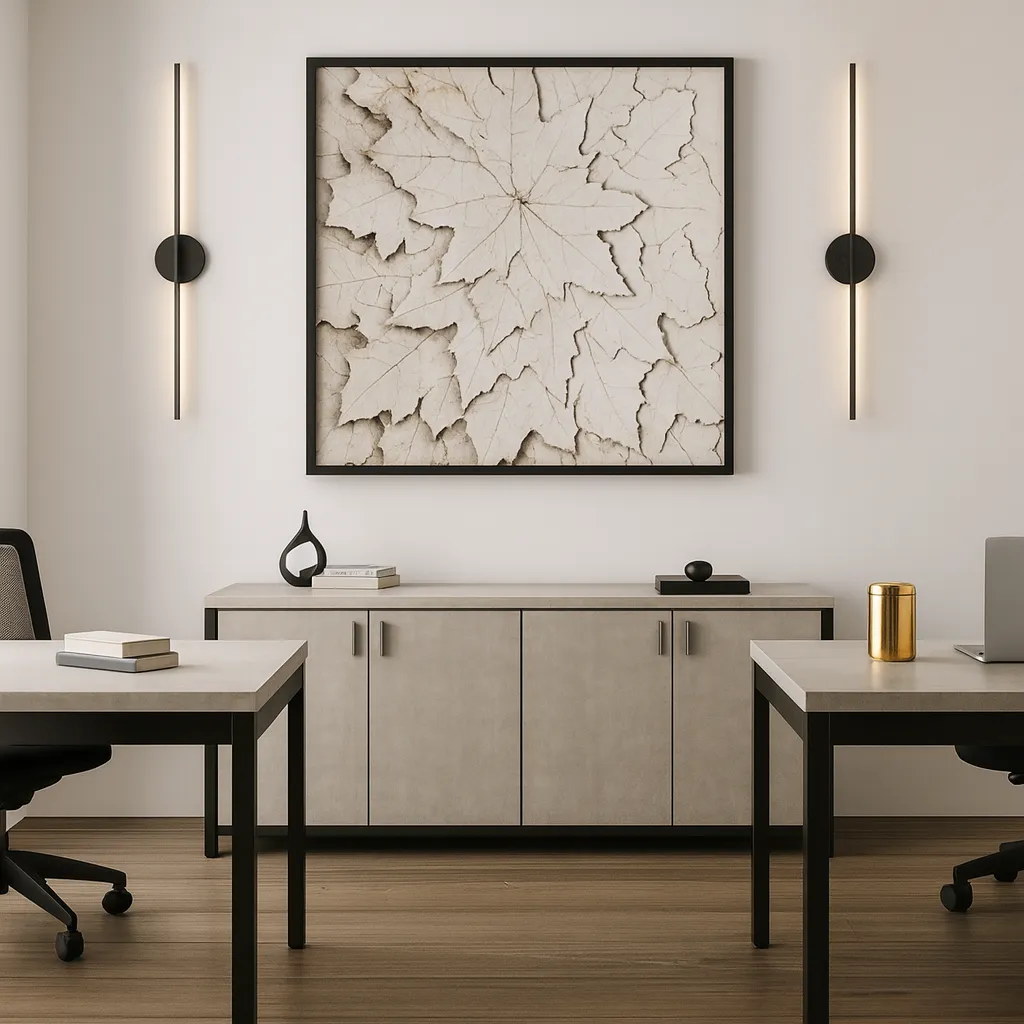
As organizations in the United States and beyond continue to seek ways to optimize their operations, understanding the influence of workspace design becomes increasingly essential. The minimalist philosophy presents a viable path toward improving productivity, encouraging job satisfaction, and facilitating interactions among colleagues. Embracing such principles might just be the key for companies looking to thrive in a competitive landscape, making the exploration of minimalist workspaces not just a trend but a strategic imperative.
DIVE DEEPER: Click here to uncover more insights
The Impact of Minimalism on Productivity
In an increasingly fast-paced world, organizations are looking for effective strategies to boost productivity while simultaneously improving employee satisfaction. Minimalist workspaces offer a promising solution by creating environments that prioritize efficiency and well-being. The design choices made in these spaces can directly impact how employees perform and interact with one another.
A key feature of minimalist design is the emphasis on open-space layouts. Unlike traditional cubicles that often isolate workers, open environments encourage communication and teamwork. According to studies, employees in open-plan offices report higher levels of collaboration and engagement, which can lead to innovative solutions and quicker decision-making. This setup not only enhances workflow but also fosters a sense of community among team members, breaking down barriers and promoting a more cohesive culture.
Moreover, natural lighting plays a pivotal role in enhancing individual productivity and mental health. Research reveals that exposure to natural light can improve mood and energy levels, reducing fatigue throughout the workday. Many minimalist workspaces capitalize on this by incorporating large windows, skylights, or strategically placed artificial lighting that mimics the effects of sunlight. The physical environment thus becomes an essential element in sustaining employee motivation and focus.
An analysis of minimalist workspace elements unveils several design components that contribute to organizational efficiency:
- Flexible Spaces: Workstations that can be easily reconfigured to accommodate different tasks and team sizes foster adaptability.
- Technology Integration: Embracing the latest tools and software for seamless communication and project management minimizes time spent on administrative tasks.
- Decluttered Aesthetics: A focus on clean lines and minimal decoration encourages mental clarity, helping employees prioritize their goals.
- Personalization: Although minimalism focuses on simplicity, allowing individual touches can enhance employee satisfaction and ownership over their workspace.
As more organizations adopt minimalist design, the evidence of its benefits becomes increasingly compelling. Professionals and architects alike are recognizing that the layout and design of a workspace can profoundly influence how employees engage with their tasks and one another. This movement is not merely a fleeting trend but a critical analysis of how we work and interact in professional environments.
With the substantial implications of working in a well-designed minimalist space, companies looking to maximize output and foster a vibrant culture must embrace these principles. Those that lead in implementing effective design strategies are likely to find themselves at the forefront of a productivity revolution, wielding an innovative edge in today’s competitive business landscape.
Minimalist Workspaces: The Influence of Design on Organizational Efficiency
In today’s fast-paced world, the design of a workspace plays a critical role in optimizing organizational efficiency. A minimalist workspace helps reduce distractions and fosters a sense of clarity among employees, contributing to enhanced productivity. By implementing simple design principles, companies are not just creating aesthetic appeal; they are echoing a philosophy that prioritizes functionality alongside form.
Research indicates that a clutter-free environment significantly affects cognitive performance. When employees are greeted with clean lines, natural light, and an absence of unnecessary ornamentation, they can focus better on their tasks. Various studies show that such environments can lead to lower stress levels and foster creativity. Moreover, a well-designed minimalist workspace can improve collaboration, as employees feel more comfortable and open when surrounded by simplicity.
As organizations continue to evolve, more companies are recognizing the transformative impact of thoughtful workspace design. The benefits extend beyond aesthetics; they encompass employee well-being, job satisfaction, and even the company’s bottom line. A shift towards minimalism is increasingly being adopted by industry leaders, setting new standards for operational success.
| Design Element | Effectiveness |
|---|---|
| Natural Lighting | Enhances mood, reduces fatigue |
| Open Spaces | Promotes collaboration and communication |
| Decluttered Desks | Boosts concentration and efficiency |
| Neutral Colors | Creates a calming environment |
As we delve deeper into the nuances of this trend, it becomes essential to explore how various elements, from color schemes to furniture choices, can profoundly influence not just the physical layout but the overall culture within an organization. The minimalist approach, when executed thoughtfully, can lead to a workspace where employees thrive, ultimately benefiting both the individual and the organization.
DISCOVER MORE: Click here to learn about intentional design and minimalist lists
Enhancing Employee Well-being through Design
While productivity is a prime focus in discussions surrounding minimalist workspaces, employee well-being is equally significant. A carefully curated environment can serve as a catalyst for both mental and physical health, which translates into improved performance and reduced absenteeism. Recent studies indicate that companies adopting minimalist designs report lower stress levels among employees, which can lead to enhanced job satisfaction and retention rates.
One compelling aspect of minimalist offices is the incorporation of biophilic design, a concept centered around connecting people to nature. Integrating elements such as indoor plants, green walls, or natural wood materials invokes a sense of calm and serenity. A survey conducted by the University of Exeter revealed that bringing nature indoors can boost employee productivity by as much as 15%, highlighting that the workplace can and should be an extension of the natural world.
Additionally, ergonomic furniture is a hallmark of minimalist workspace design. By prioritizing comfort and functionality—through adjustable desks, supportive chairs, and proper workstation layout—organizations can reduce physical strain and enhance employee engagement. A well-designed ergonomic workspace not only minimizes discomfort but also promotes better posture, leading to improved focus and reduced health issues such as back pain and repetitive stress injuries.
The importance of acoustic design in minimalist workspaces cannot be overstated. Noise pollution is one of the leading distractors in open office environments. By utilizing sound-absorbing materials and strategic layouts, companies can create quieter zones for tasks requiring deep concentration, while still maintaining spaces for collaboration and brainstorming. Research suggests that a well-managed sound environment can lead to a more pleasant work atmosphere, enabling employees to perform at their best without the distraction of excessive background noise.
A critical component of fostering an engaging workspace lies in technology accessibility. Minimalist designs often emphasize streamlined tech solutions that promote efficiency. For instance, the integration of docking stations and communal charging areas ensures that employees can easily stay connected without the clutter of numerous cords and devices. This level of organization significantly reduces the time spent dealing with technology issues, empowering employees to focus on their work instead.
The psychological benefits of minimalist workspaces extend beyond aesthetics; they involve fostering an environment of mental clarity. Clean, organized spaces help mitigate decision fatigue—an often-overlooked factor that affects workplace performance. With fewer distractions, employees can allocate cognitive resources more effectively, leading to quicker decision-making and better problem-solving capabilities. Companies like Google and Apple, renowned for their sleek and orderly office designs, exemplify how a conscious approach to workspace aesthetics can fuel innovation and creativity.
As organizations continue to recognize the transformative effects of minimalist workspaces, voices advocating for these principles are growing louder. The intersection of design, employee well-being, and productivity presents a compelling case for re-evaluating traditional office layouts and investing in an environment where employees thrive, both personally and professionally. With a deeper understanding of these relationships, businesses are poised to redefine their work environments, creating spaces that are not only functional but also inspirational.
DIVE DEEPER: Click here to learn how to achieve digital minimalism
Conclusion
In an ever-evolving corporate landscape, the concept of minimalist workspaces has emerged as a powerful testament to the symbiotic relationship between design and organizational efficiency. As we’ve explored, the impact of a deliberately curated workspace extends beyond mere aesthetics; it encompasses employee well-being, productivity, and overall workplace morale. By embracing design principles that prioritize simplicity and functionality, organizations can foster environments conducive to creativity, collaboration, and innovation.
The integration of biophilic design, ergonomic furniture, and thoughtful acoustic management, emphasizes the multifaceted benefits of minimalist approaches. Companies that prioritize natural elements, comfort, and noise reduction often see tangible improvements in employee engagement and health. As evidenced by research, embracing such designs not only reduces stress but also boosts productivity significantly—sometimes by as much as 15% or more.
Moreover, as we consider the digital age’s influence on workplace dynamics, tailoring technology accessibility within these minimalist frameworks can further streamline operations. Ensuring that employees have the tools they need—while minimizing clutter—will empower them to focus on success rather than distractions.
As the trend toward minimalist workspaces gains momentum, it invites businesses to rethink traditional layouts and design philosophies. The fusion of employee well-being and organizational efficiency presents a compelling narrative that advocates for environments where both individuals and teams can thrive. By continuously exploring and implementing these design principles, organizations will not only cultivate a more engaged workforce but also pave the way for greater innovation and success in the long run.
Related posts:
Minimalist Daily Rituals: Creating Routines that Optimize Personal and Professional Management
The Art of Delegating: How Minimalism Can Improve Task Management
Digital Minimalism: How to Reduce Information Overload to Improve Management
Uncomplicating Project Management: The Minimalist Approach to Priorities and Results
The Power of Simplicity: How Minimalism Can Transform Your Management Strategy
The Importance of Mental Detoxification: Minimalist Techniques to Enhance Concentration and Decision...

Linda Carter is a writer and organization expert specializing in minimalism and personal organization. With extensive experience helping individuals create clutter-free, functional spaces and adopt mindful habits, Linda shares her knowledge on our platform. Her goal is to empower readers with practical advice and strategies to simplify their lives, stay organized, and achieve a sense of calm and balance in their daily routines.