Puzzle Benefits Boosting Concentration and Memory Effectively
Unlocking the Power of Puzzles
Puzzles are more than just an entertaining pastime; they serve as a powerful tool for enhancing cognitive functions. Engaging in puzzling activities can lead to numerous mental benefits that can profoundly affect daily life. The importance of maintaining brain health, particularly as we age, cannot be overstated. Research consistently shows that dedicating time to puzzles can significantly improve various cognitive skills.
Among the most notable advantages are:
- Improved Concentration: Puzzles demand a high level of focus and sustained attention. Activities such as jigsaw puzzles, logic puzzles, and crosswords challenge you to pay close attention to details, thereby enhancing your ability to concentrate over time. Studies suggest that this sharpened focus translates well into everyday tasks, making it easier for individuals to maintain attention on work or during conversations.
- Enhanced Memory: Regularly working on puzzles can lead to improvements in both short-term and long-term memory. Engaging with puzzles requires the brain to recall numerous patterns, rules, and solutions, effectively acting as a memory workout. A study published in the journal *Ageing Research Reviews* found that older adults participating in regular puzzle-solving activities scored better on memory tests compared to their peers who did not engage in such activities.
- Cognitive Skills Development: Puzzles promote critical thinking, strategic planning, and robust problem-solving abilities. For example, when solving a Sudoku puzzle, players must think ahead and consider various possible outcomes before placing a number. This skill of anticipating complications is incredibly valuable not just in puzzling, but in everyday life situations as well.
Furthermore, a body of studies has shown that adults who engage in puzzle-solving exhibit better cognitive function and experience a decline in cognitive aging. This practice not only entertains but serves as a mental workout for the brain, helping to keep it sharp and agile. Interestingly, research by the University of California, Berkeley, highlighted that older adults who regularly engaged in puzzles had a significantly reduced risk of cognitive decline compared to those who did not.
Certain types of puzzles, such as crosswords and Sudoku, have gained popularity in educational settings across the United States. They are often included in curricula, acknowledging their effectiveness in enhancing brainpower. Schools that have incorporated puzzles into classroom activities report improvements in students’ analytical skills and engagement. The rise of apps and websites dedicated to puzzles indicates a growing acknowledgment of their mental benefits, particularly among younger generations.
The journey to better cognitive health through puzzles is both simple and rewarding. Incorporating puzzles into daily routines—whether through a daily crossword in a newspaper, a challenging jigsaw puzzle on a weekend, or various mobile puzzle games—can significantly impact your concentration and memory skills. Engaging with puzzles sets the stage for improved mental acuity, ensuring that the brain remains active and healthy as we age.
CHECK OUT: Click here to explore more
The Cognitive Benefits of Engaging with Puzzles
As more people seek ways to enhance their mental acuity, the benefits of puzzle-solving have gained traction among adults and children alike. The therapeutic effects of puzzles extend beyond mere entertainment, acting as a catalyst for improving concentration and memory. One of the primary reasons puzzles are so effective at boosting cognitive skills is their ability to engage the brain in a unique and challenging way.
Take jigsaw puzzles, for example. When assembling a complex image, individuals must carefully analyze shapes, colors, and connections between pieces. This process enhances spatial reasoning, a cognitive skill vital not only in puzzle-solving but also in everyday activities like driving or navigating through a new city. Similarly, logic puzzles and Sudoku require methodical thinking and pattern recognition, which are crucial skills for academic success and professional environments.
Moreover, puzzles have a profound impact on working memory. While solving them, individuals are often required to hold various pieces of information in mind, such as remembering what letters have already been used in a crossword or which numbers fit where in Sudoku. This training helps to strengthen the brain’s short-term memory capacity. A study published in the *Journal of Neuroscience* found that engaging in memory games and puzzles regularly could increase the volume of the hippocampus, a brain area associated with memory processing. The study suggests that, similar to muscle training, mental exercises through puzzles can lead to physical changes in the brain.
Incorporating puzzles into one’s daily routine does not have to be an overwhelming commitment. Below are some practical ways that individuals can seamlessly integrate puzzles into their lives:
- Daily Brain Teasers: Incorporate simple puzzles into your morning routine, such as quick word searches or logic riddles. This not only warms up your mind but also sets a positive tone for the day.
- Weekend Jigsaw Sessions: Challenge yourself and family members by working together on a jigsaw puzzle during weekends. This not only enhances bonding but also enriches the overall puzzle experience.
- Puzzle Apps: With the rise of mobile technology, many puzzle apps are available that cater to various interests—be it word puzzles or brainteasers. These apps often use gamification techniques to keep individuals engaged and motivated.
As the evidence mounts about the cognitive benefits of puzzles, it becomes increasingly clear that they offer a compelling way to enhance brain health. The positive effects of puzzles extend well into older age, promoting a culture of lifelong learning and mental engagement. By fostering concentration and memory, puzzles serve not just as recreational activities, but as essential tools for maintaining cognitive vitality.
| Advantages | Description |
|---|---|
| Enhanced Focus | Puzzle solving leads to improved attention span, allowing individuals to concentrate on tasks more effectively. |
| Memory Retention | Regular engagement with puzzles sharpens memory, making information recall easier and quicker. |
Puzzles are not just engaging pastimes; they hold the potential to significantly enhance cognitive functions. The first advantage, enhanced focus, contributes to a better ability to engage deeply in various tasks. As you struggle to place pieces or analyze clues, your mind practices directing attention to specifics, filtering out distractions, which is crucial in our fast-paced world.Additionally, memory retention significantly benefits from puzzle activities. Pieces are not just shapes to fit together, but instead, they represent a practice in remembering details, whether it be colors, shapes, or strategies. Studies suggest that people who regularly engage in puzzles show improved short-term memory. These cognitive exercises not only invigorate your brain but also create a compelling argument for integrating puzzles into your daily routine for lasting and effective brain enhancement.
CHECK OUT: Click here to explore more
Cognitive Engagement Through Different Puzzle Types
Puzzles come in various forms, each type engaging the brain in distinct ways and yielding diverse cognitive benefits. By delving into different types of puzzles, individuals can discover fulfilling methods to enhance concentration and memory, all while having fun.
For instance, crossword puzzles not only test vocabulary but also require solvers to tap into their existing knowledge base, stimulating recall. A study by the *American Journal of Alzheimer’s Disease and Other Dementias* highlighted that individuals who regularly engage in crossword puzzles experience a slower rate of cognitive decline compared to those who do not. The mental stimulation derived from recalling words and clues plays a crucial role in bolstering the brain’s ability to retain information.
Moreover, the incorporation of strategy games such as chess or checkers interweaves the benefits of problem-solving with long-term memory training. Players are challenged to remember previous moves, anticipate future positions, and develop adaptive strategies. The mental gymnastics involved in such games can improve executive functions, which are critical for managing daily tasks and responsibilities effectively.
Incorporating visual puzzles, such as picture riddles or spot-the-difference challenges, can also aid in enhancing observational skills and detail-oriented thinking. Engaging with visuals sharpens the brain’s ability to notice patterns and discrepancies, essential abilities in both academic and professional settings. For instance, artists and designers frequently rely on these skills to create cohesive works and identify details that may go unnoticed by the average observer.
The Social Dimension of Puzzle Solving
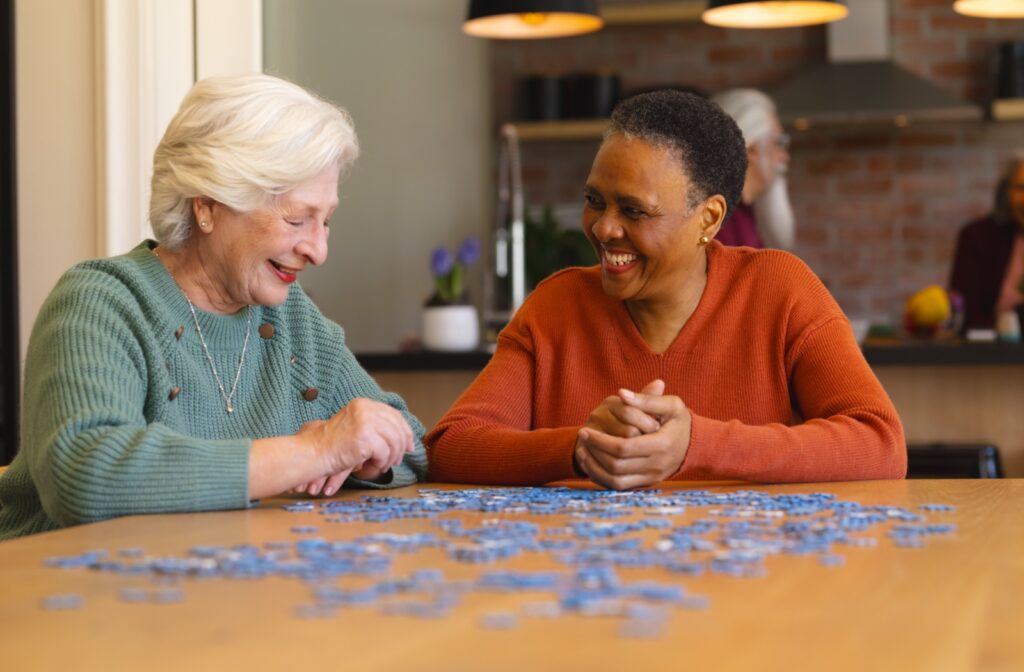
Puzzles also offer benefits that extend beyond individual cognitive gains. Group activities centered around puzzles can facilitate social interaction, fostering teamwork and communication skills. Whether it’s collaborating on a jigsaw puzzle, competing in trivia games, or participating in escape room challenges, these activities promote social engagement while simultaneously boosting concentration and memory.
A study published in the *Journal of Social and Personal Relationships* demonstrated that individuals participating in social puzzle-solving activities reported higher levels of happiness and lower levels of anxiety compared to those who engaged in solitary recreation. This social dimension encourages individuals to share strategies and insights, further enhancing collective cognitive engagement.
Making Puzzles a Habit
To fully harness the cognitive benefits of puzzles, consistency is key. Dedicated puzzle-solving time does not need to be lengthy—just a few minutes each day can lead to significant improvements over time. Online platforms offering daily challenges can add an element of excitement and accountability, encouraging individuals to make puzzle-solving an integral part of their daily routine. This habitual engagement is crucial in maximizing the positive impact on concentration and memory.
For those interested in technology, virtual reality (VR) puzzles are emerging as innovative tools to stimulate cognitive functions. As this technology advances, it merges physical interaction with immersive environments, offering users unique experiences designed specifically to challenge their problem-solving abilities and enhance their memory retention.
In summary, the diverse range of puzzle types, their social implications, and the integration of technology are just a few factors affecting cognitive enhancement through puzzles. As enthusiasts continue to explore these engaging activities, the long-standing debate about the relationship between puzzles and mental health will undoubtedly evolve, opening new avenues for cognitive research and everyday application.
CHECK OUT: Click here to explore more
Conclusion
In an age where distractions are rampant, puzzles emerge as an effective and engaging tool for enhancing concentration and memory. As we have explored, the diverse formats of puzzles—from crosswords and strategy games to visual challenges—offer unique pathways to stimulate the brain and sharpen cognitive functionalities. Individuals who consistently engage in puzzle-solving can experience not only a greater retention of knowledge but also a marked improvement in problem-solving skills and executive functions.
Furthermore, the social element inherent in group puzzle activities fosters communication and teamwork, reinforcing the idea that collaboration can amplify cognitive gains. Studies suggest that these shared experiences contribute to enhanced emotional well-being, illustrating how enjoyable interactions around puzzles can dovetail with mental health benefits. As puzzle enthusiasts continue to explore this rich territory, innovative approaches, including virtual reality puzzles, show promise for future cognitive enhancement.
Ultimately, making puzzles a habitual part of your daily routine does not require an extensive time commitment, yet the cumulative effects can be profound. By adopting the habit of engaging in puzzles, you can unlock new dimensions of mental acuity while enjoying a fulfilling pastime. In a world where brain health is paramount, integrating puzzles into your life might just be the fun and effective strategy you’ve been looking for.
Related posts:
Boost Your Brain Cognitive Training Apps for Mind Enhancement
Cognitive Tests vs Intelligence Tests Key Differences Explained
Fun Cognitive Test Games Examples and Benefits for Your Brain
How to Use Jigsaw Puzzles for Mental Relaxation and Stress Relief
Practical Guide Interpreting Cognitive Test Results Effectively
Top Cognitive Tests Examples Used to Measure Attention Effectively

Beatriz Johnson is a seasoned puzzle enthusiast and writer with a passion for unraveling the complexities of mind games and brain teasers. With over a decade of experience in the world of puzzles, she specializes in topics like logic games, riddles, and strategic challenges. Through her work, Beatriz empowers readers to sharpen their problem-solving skills, think creatively, and stay engaged in the ever-evolving landscape of mind games and puzzles.