Simplified Living for Families: Strategizing Organization and Space at Home
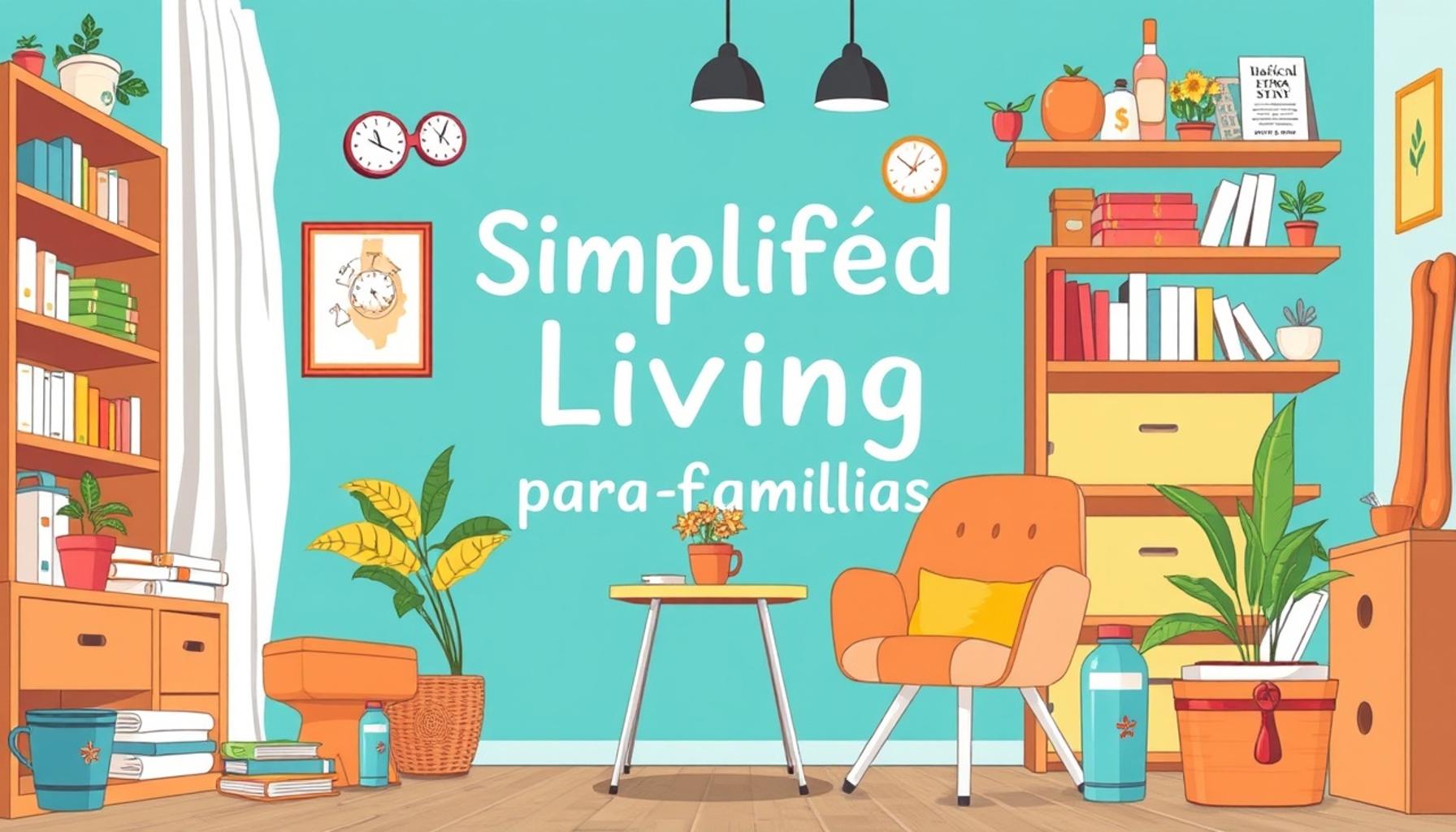
Creating a Harmonious Living Space
Every family faces the challenge of managing clutter and maximizing space at home. With the hustle and bustle of daily life, it becomes essential to adopt a simplified approach to living. This not only aids in organization but also promotes peace and harmony within the household. A well-organized space can drastically transform the atmosphere of your home and could significantly benefit the well-being of all family members.
Understanding the core principles of simplified living can lead to effective solutions for everyday challenges. By incorporating these principles, families can experience enhanced relationships and improved mental health. Here are some key aspects to consider:
- Decluttering: Regularly assess items that are no longer needed. Set aside time each month to tackle different areas of the home, such as closets, toy rooms, or kitchens. A rule of thumb is to follow the “one-year rule,” where you consider letting go of items you haven’t used in over a year. This practice not only creates more space but also helps establish a mindful relationship with your belongings, making room for items that truly matter.
- Strategic Organization: Implement storage solutions that are both functional and aesthetically pleasing. Using decorative boxes, baskets, and shelves can provide both style and utility. Consider vertical storage options such as wall-mounted shelves which are particularly useful in smaller living spaces. For example, pegboards can be an excellent way to arrange tools in a garage or display children’s art creatively in a playroom.
- Mindful Consumption: Be intentional about new purchases to avoid adding unnecessary items. Before buying, ask yourself if the item will enhance your life or if it’s just an impulsive purchase. You might introduce a “one-in, one-out” policy where for every new item brought into the home, an old item must be removed, which helps maintain the balance of your living space.
A well-organized home fosters better communication and cooperation among family members. With less clutter, distractions are minimized and quality family time can be prioritized. By streamlining your living space, you are not only enhancing usability but also encouraging collaboration toward a common goal: creating a neat and cozy haven.
From utilizing vertical storage options to creating multi-functional spaces, there are numerous strategies families can explore. For instance, a dining table that can double as a workspace ensures functionality, while elegant storage benches allow for toys to be tucked away when entertaining guests. Embracing simplified living offers a path to a more enjoyable home environment, ultimately leading to a more fulfilled family life.
As the trend of minimalism grows, it’s clear that creating a harmonious living space isn’t just about reducing physical items, but also about unburdening the mind and spirit. With every small step taken towards simplifying your space, you’re investing in a lifestyle that values serenity, fosters creativity, and nurtures relationships, creating a fulfilling atmosphere for family and friends alike.
DISCOVER MORE: Click here to learn how intentional design can boost your efficiency
Decluttering Strategies for Families
One of the primary steps toward simplified living is effective decluttering. For families, this process can feel daunting due to the sheer volume of possessions accumulated over the years. However, understanding the true necessity of items in your home can create not only physical space but also mental clarity. Begin by identifying each family member’s personal spaces—bedrooms, play areas, or desks—and dedicate specific days to pruning these areas.
Implementing a systematic approach can aid in managing this task. Below are some suggestions to make decluttering more manageable:
- Involve the Family: Host a family decluttering day where everyone participates. This not only eases the burden on one person but also teaches children valuable lessons about organization and letting go of things they no longer need.
- Set Clear Goals: Establish clear objectives for each decluttering session. For example, aim to sort through one category of items such as clothing or toys at a time. Breaking down the task into smaller segments limits overwhelm.
- Use Boxes for Sorting: Utilize labeled boxes for items you want to keep, donate, or discard. This visual aid simplifies the decision-making process and helps ensure that items are categorized correctly.
- The “Maybe” Box: If uncertain about certain items, consider setting aside a “maybe” box. Revisit this box after a few months to evaluate whether you truly miss those items or if they can be released.
Once you’ve successfully cleared out the clutter, the challenge of strategic organization emerges. Families often face obstacles with limited space, making it essential to implement creative storage solutions that suit daily living. The strategic organization of items can transform the usability of any room, making it easier to maintain a harmonious environment.
One approach is to utilize multi-functional furniture. For instance, a coffee table with storage capabilities can double as a place to store books or board games while maintaining an inviting aesthetic for guests. Similarly, ottomans equipped with hidden compartments can serve as both seating and storage for living room essentials. Maximizing vertical space through shelves can be particularly beneficial in smaller homes, allowing for the display of books, games, and decorative items without sacrificing floor area.
Another effective tactic is the ideal placement of items based on usage. Frequently used items should be easily accessible, while seasonal or occasional-use items can be stored out of the way. By ensuring everything has a designated place, families can maintain orderliness, making it simpler to keep your home in check. Implementing a weekly “reset” routine, where family members spend a few minutes organizing and tidying shared spaces each week, keeps the clutter from spiraling out of control.
In summary, the journey toward simplified living begins with diligent decluttering and thoughtful organization. By integrating these strategies into your family routine, members can nurture a serene, welcoming space that encourages growth, creativity, and quality time together.
Simplified Living for Families: Strategizing Organization and Space at Home
In the intricate dance of daily family life, maintaining an organized and well-utilized living space can seem like a daunting task. However, implementing effective strategies can transform your home into a sanctuary of simplicity and efficiency. Below is a detailed table outlining key advantages that families can gain through strategic organization and space management at home.
| Advantages | Details |
|---|---|
| Enhanced Family Bonding | A decluttered environment invites more family interaction and quality time, fostering deeper connections. |
| Increased Productivity | Effective organization leads to less distraction and more focus on essential daily tasks, benefiting all family members. |
By implementing thoughtful organization techniques and efficient space usage, families can streamline their routines, making everyday tasks more manageable. Whether it’s sorting through belongings to create a shared family space or utilizing multifunctional furniture, the impact is undeniable. Families who embrace these strategies often discover hidden efficiencies, transforming their homes into efficient hubs of creativity and comfort. As you dive deeper into organizing your home, consider how each adjustment nourishes your family dynamic and enhances overall well-being.
DISCOVER MORE: Click here to learn how intentional design shapes our habits
Creating Zones for Functional Living
Building on the decluttering and organization strategies, another essential aspect of simplifying life at home is the creation of distinct zones within your living space. These zones can help families to optimize the functionality of their homes by clearly defining areas for specific activities, which not only minimizes chaos but also enhances productivity and relaxation. In a family setting, organizing your home into specific areas reduces distractions and can foster a more harmonious atmosphere.
Consider the following zones as priorities for your family home:
- Creative Zone: Designate an area for arts and crafts, homework, or DIY projects. Equip this zone with supplies in clearly labeled containers, and ensure it’s easily accessible for all family members. Having a dedicated space where creativity can flourish without impeding daily activities is beneficial for both children and adults alike.
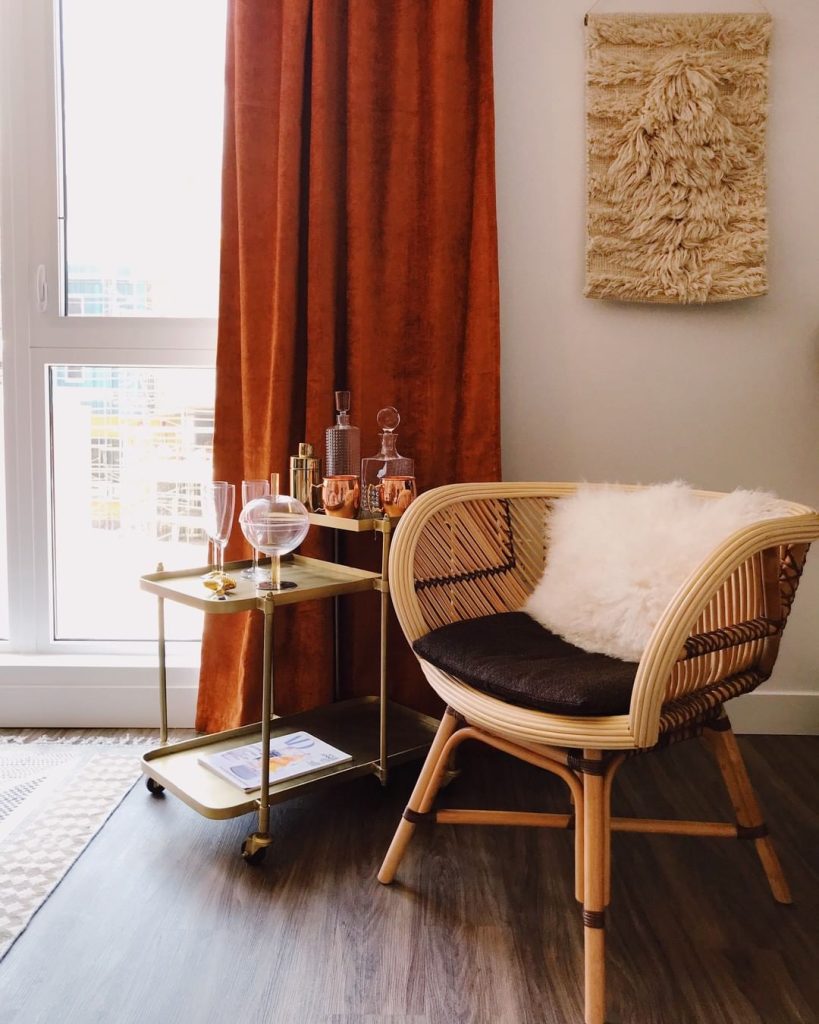
- Relaxation Zone: Create a cozy corner or a dedicated room where family members can unwind. This space should be devoid of clutter and distraction, featuring comfortable seating and calming aesthetics. Consider incorporating plants or soft lighting to enhance the atmosphere, making it a perfect retreat after a hectic day.
- Active Zone: Establish a fun area for physical activity, whether it’s indoor games, dance practice, or exercises. This could be a multi-purpose space in your living room or a finished basement. Having the equipment—like yoga mats, weights, or game consoles—readily available encourages everyone to stay active and healthy.
- Family Collaboration Zone: A communal area, perhaps in the kitchen or dining room, is an ideal spot for family conversations, planning, and mealtime together. Use a whiteboard or a calendar to keep track of schedules, shared activities, and important reminders. This promotes family unity and helps everyone stay informed and engaged.
After designing these zones, it’s crucial to maintain them. Set up a clear system for upkeep and organization. For instance, implement a “one in, one out” rule where each new item brought into the home must replace an old one. This practice not only curtails clutter but also encourages thoughtful purchasing, allowing families to value their belongings more deeply.
Leveraging Technology for Streamlined Living
In today’s digital age, many families can benefit from leveraging technology to enhance their organization and simplify living. Various apps—ranging from scheduling tools to decluttering aids—can help families manage their time and belongings more effectively. For example, productivity applications can allow family members to share lists and reminders, ensuring everyone’s tasks are aligned, and nothing is overlooked.
Additionally, consider using inventory apps that track belongings, particularly in shared spaces such as kitchens or garages. With a good inventory management system, families can reduce the occurrence of duplicate purchases, save money, and have everything they need at their fingertips.
Adopting Minimalist Mindsets
Finally, adopting a minimalist mindset can significantly contribute to the success of a simplified home. Encouraging family discussion about the philosophy of ’less is more’ can foster an appreciation for experiences over material possessions. Regularly scheduled family “life evaluations” – moments dedicated to reflecting on what’s needed, what’s working, and what isn’t – can steer procuring habits into more purposeful choices. This practice can instill wise decision-making regarding purchases and possessions, guiding families toward intentional living.
Incorporating these strategies and mindsets into daily living not only enhances organization but also paves the way for deeper connections among family members, as they work together towards a common goal of simplifying their shared space.
DISCOVER MORE: Click here for insights on finding calm
Conclusion: Embracing Simplified Living
In an increasingly hectic world, simplified living stands as a beacon of hope for families seeking balance and harmony within their homes. By implementing strategic organization techniques and defining functional zones, families can transform their living environments from chaotic to serene, fostering productivity and togetherness. Creating dedicated spaces for creativity, relaxation, activity, and collaboration not only enhances daily routines but also nurtures stronger family bonds.
Moreover, embracing technology offers further avenues for achieving simpler living. Utilizing various apps for scheduling and inventory management can streamline day-to-day tasks, enabling families to spend less time managing their belongings and more time enjoying each other’s company. Leveraging this modern toolkit can also reduce the mental load associated with household management, paving the way for a more mindful approach to possessions.
Above all, adopting a minimalist mindset transforms how families view their possessions, encouraging them to prioritize experiences over things. Regular discussions about what truly matters can guide intentional decision-making, leading to a fulfilling lifestyle that celebrates simplicity. Through reflective practices, families can evaluate their needs and adjust their living spaces accordingly, fostering a sense of peace and contentment.
As families embark on this journey toward simplified living, they will find that the benefits extend beyond their physical spaces. A well-organized home nurtures emotional well-being, strengthens relationships, and cultivates joy in both the mundane and the extraordinary. By embracing these strategies, families can create a home that is not only functional but also a sanctuary of love and togetherness.
Related posts:
Digital Minimalism: Organizing Your Virtual Life with Simplified Living
Less is More: The Emotional and Mental Benefits of Simplified Living in Modern Life
How Simplified Living Can Enhance Your Productivity at Work
The Influence of Simplified Living on the Digital Lifestyle: Disconnecting to Connect
The Role of Simplified Living in Personal and Environmental Sustainability
The Impact of Simplified Living on Mental Health: Creating Spaces for Clarity

Linda Carter is a writer and organization expert specializing in minimalism and personal organization. With extensive experience helping individuals create clutter-free, functional spaces and adopt mindful habits, Linda shares her knowledge on our platform. Her goal is to empower readers with practical advice and strategies to simplify their lives, stay organized, and achieve a sense of calm and balance in their daily routines.