
Understanding Customized Training Programs
In today’s fiercely competitive landscape of sports, athletes at all levels—from high school juniors to elite professionals—are continuously on the lookout for strategies that can give them an edge. One effective approach that has gained traction is the use of customized training programs. These individualized plans are designed specifically to align with an athlete’s unique attributes, goals, and requirements, thus revolutionizing traditional training methodologies.
The Importance of Personalization
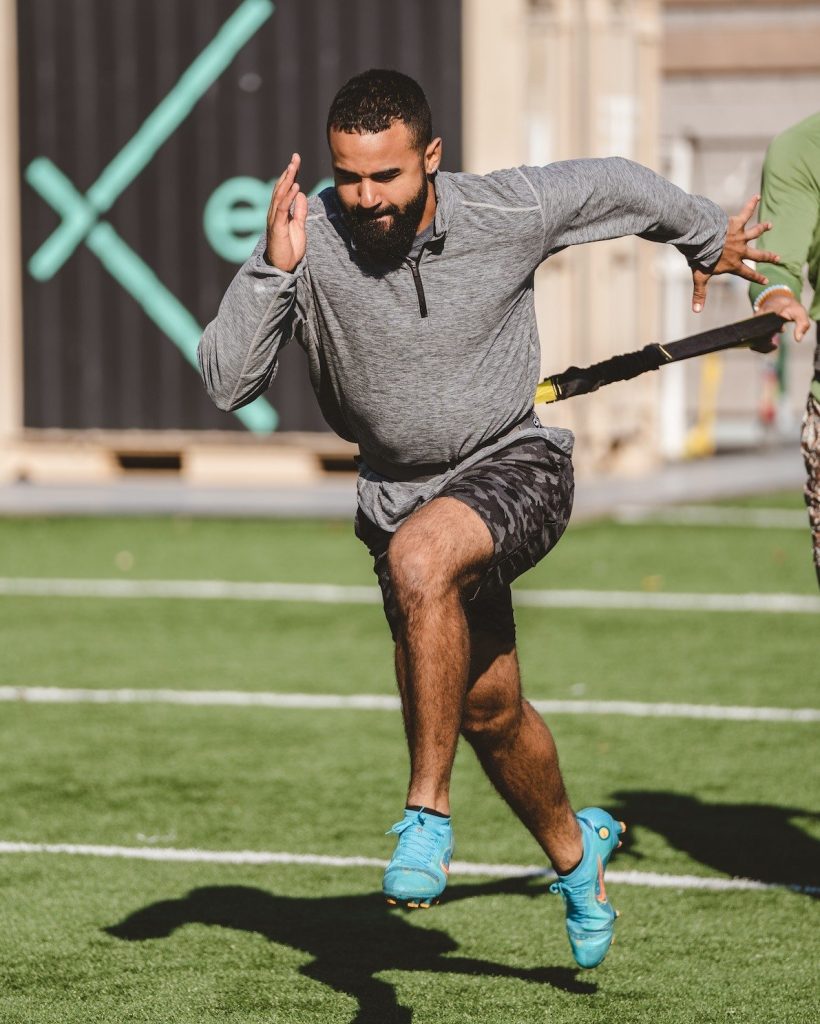
Every athlete possesses a distinct set of abilities, from strengths that may be evident in track and field events to weaknesses that could hinder performance in specific scenarios. Customized training taps into this individuality, providing a personalized focus that sets it apart from generic training schedules. For instance, a sprinter may require extensive plyometric workouts to improve explosive speed, while a long-distance runner might benefit from endurance-focused sessions that prioritize aerobic capacity. By centering the training around these unique needs, athletes can work on targeted improvements that yield tangible results.
Incorporating Recovery for Optimal Performance
An equally crucial element of customized training programs is the inclusion of tailored recovery periods. Rest is often overlooked, yet it plays a vital role in athletic performance. Programs designed with individualized recovery protocols can significantly reduce the risk of injuries that result from overtraining. For example, a football player may follow a rigorous training regimen during the week, yet their program will also include rest intervals and active recovery days designed to rejuvenate the body, ensuring they are physically prepared for game day.
Boosting Motivation and Commitment
Furthermore, customized training enhances athlete motivation by setting specific, measurable goals that resonate personally with each individual. This goal-oriented approach fosters a deeper engagement with their training. For instance, a basketball player aiming to improve shooting accuracy might have personalized drills aimed at honing their technique, coupled with performance analyses that track their progress. Such measurable goals not only motivate but also enhance the athlete’s commitment to their training, creating a powerful cycle of improvement.
Evidence-Based Techniques
With advancements in sports science, many customized training programs are built on evidence-based techniques informed by ongoing research. By integrating the latest findings, coaches can implement best practices that are not just theoretical but proven effective in enhancing athletic performance. Data from recent studies demonstrate that athletes who engage in such programs often show significant improvements in metrics like speed, endurance, and agility. For example, an athlete following a personalized regimen focused on speed refinement may shave critical tenths of seconds off their sprint time, a potential game-changer in competitive scenarios.
Conclusion
As the sports industry evolves, a deeper understanding of the impact of customized training programs is essential for coaches and athletes striving for excellence. The shift from one-size-fits-all approaches to tailored training underscores the importance of innovation in athletic preparation. By exploring the science and witnessing the success stories that emerge from these specialized programs, athletes can unlock their full potential and push the boundaries of their performance. Indeed, the transformative impact of customized training is paving the way for a new era in sports performance, where individual needs are at the forefront of athletic development.
DISCOVER MORE: Click here to dive deeper
Enhancing Performance Through Tailored Approaches
The rise of customized training programs has not only transformed the way athletes train but has also elicited profound changes in performance metrics. One of the hallmarks of these programs is the meticulous analysis that precedes the formulation of a personalized training plan. Coaches and fitness experts utilize a variety of performance assessments tailored to pinpoint the individual attributes of each athlete, such as muscle composition, cardiovascular endurance, and movement patterns. These assessments allow for a comprehensive understanding of the athlete’s current capabilities and potential areas for growth.
Targeted Skill Development
Customized training programs emphasize targeted skill development that focuses on improving specific abilities directly related to an athlete’s sport. For example, a soccer player might work on agility drills to enhance footwork and reaction time, whereas a swimmer could focus on stroke technique and breathing patterns to maximize speed and efficiency in the water. By honing in on these particular skills, athletes are able to enhance their competitive edge in ways that generically designed programs cannot accomplish.
Utilizing Technology for Data-Driven Insights
Moreover, advancements in technology are playing a crucial role in the implementation and success of customized training programs. With the advent of wearable devices and performance tracking applications, athletes can capture real-time data that provides comprehensive insights into their training regimens. This data-driven approach allows coaches to make informed adjustments to the training regimen as necessary, ultimately leading to improved performance outcomes. Key technological elements may include:
- Heart Rate Monitors: These help to optimize training intensities and recovery protocols.
- GPS Trackers: Useful for analyzing movement patterns and tactical positioning in team sports.
- Biomechanical Analysis Tools: Employed to assess movement efficiency and identify areas for technical enhancement.
As a result, athletes are not only training efficiently but are also able to track and measure their improvements with precision, fostering a sense of accountability. Research supports this technological integration, revealing that athletes utilizing data analysis tools tend to achieve superior gains in performance, as it aids in refining their training focus and fosters a systematic approach to their development.
Psychological Aspects of Customized Training
Another vital component of customized training programs is the psychological dimension. Mental conditioning is as crucial as physical training in the world of sports. Customized programs often include mental skills training to improve focus, resilience, and competitive edge. Techniques such as visualization, goal-setting, and mindfulness can be embedded into the training process, aligning the athlete’s mental preparation with their physical goals. Studies have shown that athletes who engage in tailored psychological training exhibit higher levels of confidence and performance consistency during competitions.
Through a combination of personalized physical training, data-driven approaches, and psychological support, customized training programs herald a new era in athletic performance. The potential for significant improvement in athletic capabilities raises the stakes for athletes standing on the precipice of their greatest achievements. As they embrace such innovative training structures, the landscape of sports will continue to evolve, rewarding those who adapt and optimize their preparation for success in their respective fields.
The Impact of Customized Training Programs on Athlete Performance
The realm of sports has seen a seismic shift in how training is approached, with customized training programs emerging as paramount to enhancing athlete performance. These tailored programs not only address the individual needs and goals of each athlete but also take into consideration their unique physiological and psychological characteristics. As a result, such training regimens can significantly boost an athlete’s efficiency and overall output.
One undeniable advantage of these specialized programs is their ability to maximize strengths and address weaknesses specific to each athlete. Through detailed assessments, trainers can identify particular areas for development, ensuring athletes focus their efforts where it matters most. For instance, a soccer player may require enhancement in endurance, while a sprinter might need explosive strength training. This precision in training can lead to improved performance metrics, showcasing the profound impact that such customized plans have.
In addition to physical gains, customized training programs also cater to the mental resilience of athletes. By integrating psychological support, goal setting, and stress management into the training, athletes can cultivate a stronger mindset, fostering confidence and reducing anxiety during competitions. This holistic approach positions athletes to not only excel in their physical capabilities but also thrive mentally, paving the way for sustained performance improvements over time.
| Category 1 | Category 2 |
|---|---|
| Personalized Training Plans | Individual needs ensure efficient training. |
| Enhanced Performance Metrics | Focused training leads to measurable improvements. |
| Mental Resilience | Improved focus and reduced competition anxiety. |
Moreover, the data-driven nature of these customized programs enables the use of advanced technologies for tracking performance. Wearable devices and analytics software provide real-time feedback, allowing trainers to make informed adjustments to training regimes. This level of adaptability ensures that athletes remain at the pinnacle of their physical capabilities and can quickly pivot strategies when faced with new challenges.
As the sports landscape continues to evolve, the impact of customized training programs becomes increasingly evident, not just in terms of enhanced athlete performance, but also in fostering a deeper understanding of individual athletic potential.
DISCOVER MORE: Click here to learn about the mental health benefits of strength training
Pushing Limits: The Physiological Benefits of Customization
At the heart of the success of customized training programs lies the physiological benefits that arise from personalized approaches to training routines. Athletes are unique in their bodily makeup, including metabolic rates and recovery times, which necessitate specifically tailored training inputs for maximum efficiency. Individual differences in endurance, strength, and flexibility can significantly impact an athlete’s performance potential, making generic training programs often ineffective or even counterproductive.
Optimizing Recovery Strategies
Customized training programs not only focus on how athletes exert their energy but significantly emphasize optimized recovery strategies. Each athlete’s physiology will respond differently to stressors associated with training, which means a one-size-fits-all recovery protocol may leave some athletes under-recovered while over-recovering others. For instance, a long-distance runner may benefit from active recovery days, such as light jogging or cross-training, while a sprinter might need prolonged rest periods punctuated by high-intensity sessions to maximize explosive power. Implementing recovery methodologies tailored to the individual athlete allows for enhanced muscle repair, reduced injury risk, and optimal energy restoration.
Nutrition and Fueling the Body
One critical aspect of customized training is the role of tailored nutrition plans. Sports nutrition is a fundamental component in enhancing athlete performance, providing the body with the necessary fuel to sustain rigorous training and competition. Customized nutrition involves evaluating the unique caloric needs of each athlete based on their training intensities, body composition, and even personal preferences. For instance, a basketball player may require a higher carbohydrate intake for energy reserves, while a weightlifter might focus on increased protein consumption for muscle recovery. Studies indicate that athletes who follow nutrition plans tailored to their training regimens report improved energy levels, focus, and overall performance outcomes.
Incorporating Feedback Loops
Feedback loops are another innovative element incorporated into customized training programs. By continually evaluating performance metrics and athlete feedback, coaches can make real-time adjustments tailored to the athlete’s evolving needs. This adaptability is crucial in sports where peak performance is contingent upon minute physical and mental adjustments. For example, if an athlete consistently struggles during a specific drill or competition, immediate alterations can be made to address weaknesses, ensuring continual improvement. Feedback loops, supported by technology, allow for valuable insights, creating a dynamic training experience that responds to both successes and setbacks.
Furthermore, this iterative approach cultivates a culture of learning and growth among athletes, ultimately fostering resilience and a robust mental framework. This adaptability not only leads to improved physical performance but also instills a deeper sense of ownership and commitment to the athlete’s development, aligning goals with actionable steps based on empirical evidence tailored to their journey.
In conclusion, the transformative impact of customized training programs on athlete performance transcends standard physical training to encompass aspects like recovery optimization, nutritional planning, and responsive feedback systems. As athletes increasingly adopt these progressive methods, the potential for enhanced performance opens new avenues for achievement, compelling the sports community to rethink conventional training paradigms.
DIVE DEEPER: Click here to discover the impact of strength training on sports performance
Conclusion: Unlocking Potential Through Personalization
The exploration of customized training programs provides a pivotal understanding of their profound influence on athlete performance. As we have seen, the complexity of human physiology necessitates a tailored approach that recognizes individual variances in recovery, nutrition, and training needs. By adopting these personalized strategies, athletes can maximize their potential, achieving measurable improvements across various performance metrics.
Moreover, the emphasis on optimized recovery methods highlights the importance of individualized attention to each athlete’s unique recovery needs. This not only reduces the risk of injury but also enhances performance capabilities, allowing athletes to train more efficiently. Additionally, personalized nutritional plans play a crucial role; understanding the specific fuel requirements of athletes enables better energy management and supports overall performance during both training and competition.
Furthermore, the integration of technology-driven feedback loops ensures that training regimens are adaptable and responsive to the athletes’ evolving needs. This creates a dynamic environment where athletes can continuously refine their techniques, foster resilience, and develop a more profound connection to their training processes.
In summary, the impact of customized training programs extends far beyond mere physical enhancement. They shift the paradigm in athletic training by fostering comprehensive growth that includes psychological and nutritional wellness. As sports science continues to evolve, embracing these innovative methodologies will be essential in cultivating future generations of successful athletes, urging coaches and trainers alike to rethink conventional practices for optimal outcomes.
Related posts:
The Evolution of Strength Training Programs: Trends and Innovations
The Impact of Personalized Training Programs on Weight Loss Success
Training Programs for Specific Groups: Adaptations for Seniors and Beginner Athletes
Circuit Training: Benefits and Structure of an Effective Program
Personalized Training Programs: How to Create a Plan that Meets Your Needs
Functional Training vs. Traditional Training: Which is Best for You?

Linda Carter is a writer and organization expert specializing in minimalism and personal organization. With extensive experience helping individuals create clutter-free, functional spaces and adopt mindful habits, Linda shares her knowledge on our platform. Her goal is to empower readers with practical advice and strategies to simplify their lives, stay organized, and achieve a sense of calm and balance in their daily routines.