The Influence of Minimalist Interior Design on Creating Functional and Clutter-Free Spaces
Embracing Minimalism in Interior Design
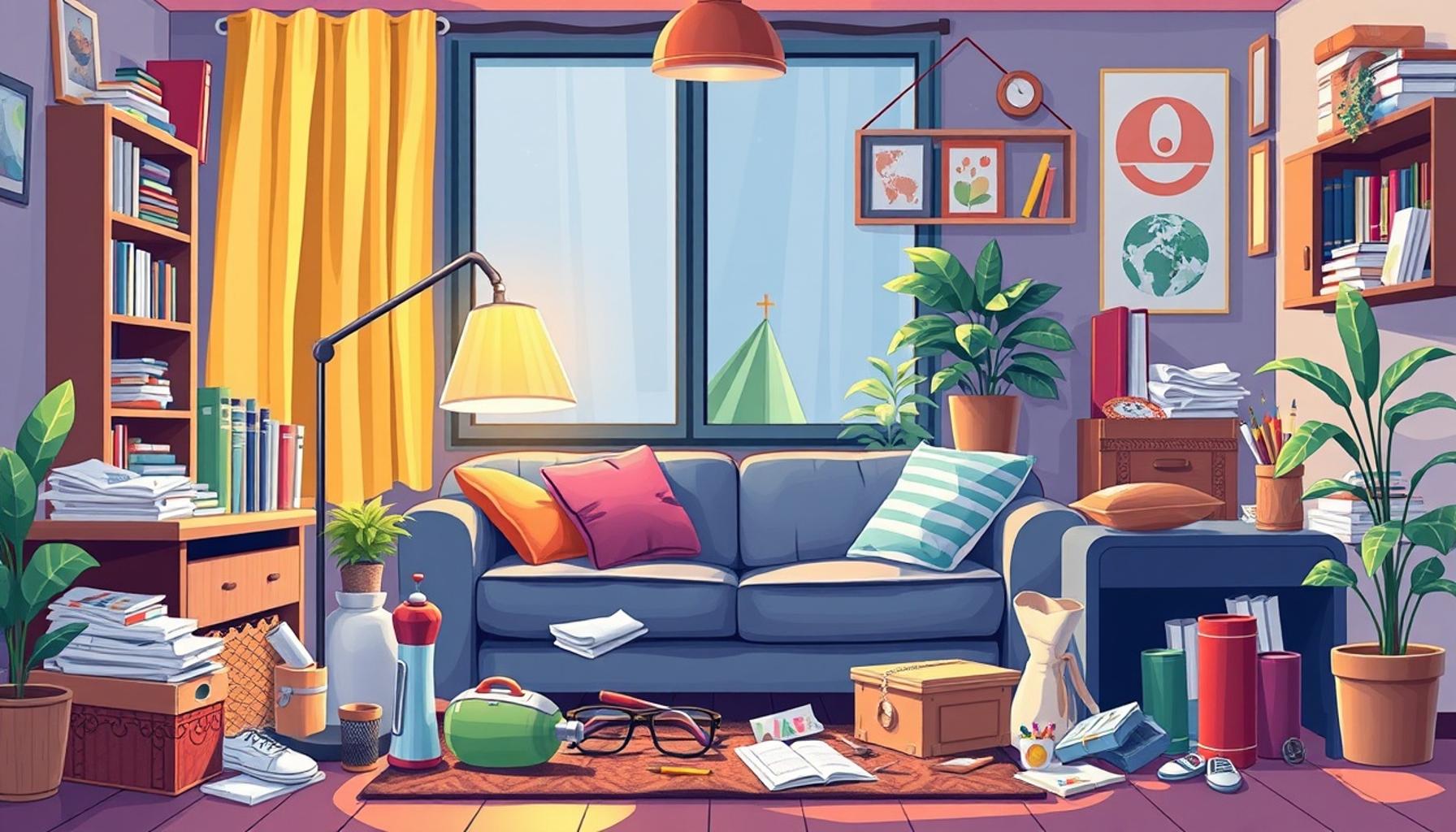
The modern world is in a constant state of chaos, filled with noise and clutter. In response, many are turning to minimalist interior design as a solution to create environments that promote clarity and functionality. This design philosophy emphasizes simplicity, allowing individuals to escape the clutter of everyday life while enhancing their quality of living.
Minimalism is not just about aesthetics; it encompasses a mindset that prioritizes essentialism. By focusing on what truly matters, individuals can curate their spaces in a way that promotes both physical and mental wellbeing. Here are some core features of minimalist design:
- Clean Lines: Sharp, geometric shapes create a sense of order, stimulating a peaceful atmosphere. For instance, a sleek dining table with straight edges can serve as a focal point, anchoring the room without overwhelming it.
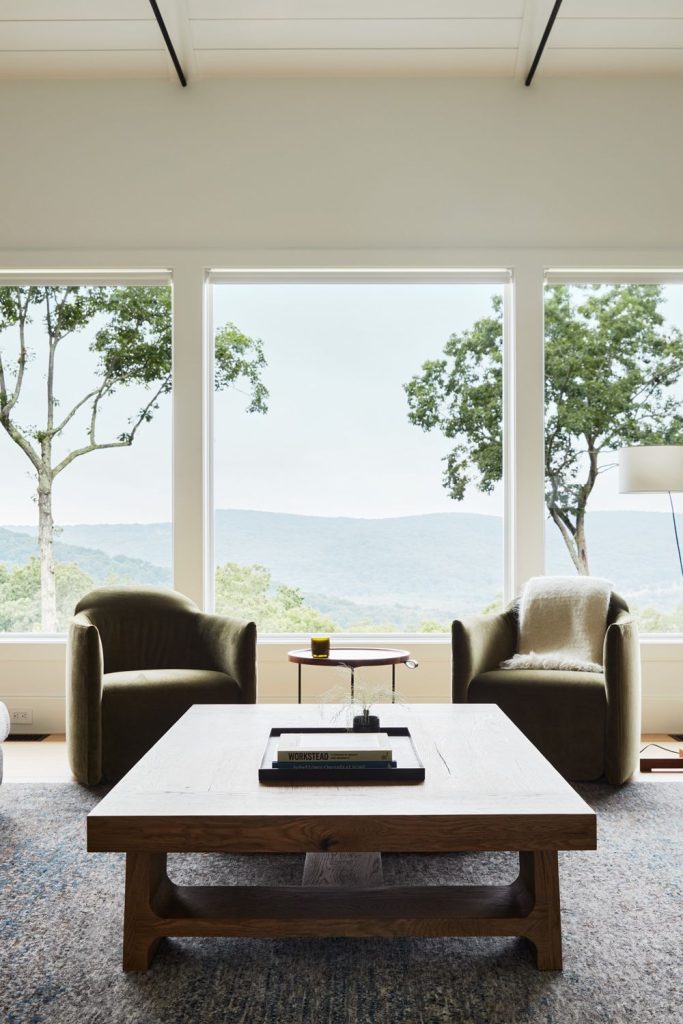
- Neutral Color Palettes: Soft tones such as whites, greys, and earth colors promote serenity and openness. These hues allow natural light to bounce around the room, creating an airy ambiance. Imagine a soft beige living room that feels both inviting and spacious, ideal for relaxation.
- Functional Furniture: Each piece serves a purpose, designed to reduce excess. Consider a sofa that incorporates hidden storage or a coffee table that doubles as a workspace; these multifunctional items exemplify the ideal of minimalism, maximizing utility while maintaining style.
By embracing these principles, homeowners can transform their living spaces into havens of peace. The impact of a clutter-free environment goes beyond aesthetics; it can enhance productivity and well-being. In fact, research has shown that living in a tidy space can decrease stress levels and improve focus, making it easier to complete tasks efficiently.
Minimalist design encourages the removal of unnecessary items, making way for only the essentials. This lean approach not only simplifies decision-making but also fosters mindfulness in our surroundings. For example, a well-organized workspace featuring only a laptop, a notepad, and a plant foster creativity by reducing distractions and promoting a clear headspace.
As we delve deeper into minimalist interior design, we uncover its profound influence on both personal spaces and broader societal trends. This movement aligns with the growing interest in sustainability and conscious consumerism, prompting individuals to invest in quality over quantity. Many Americans are now prioritizing experiences over possessions, often seeking to cultivate spaces that reflect their values and lifestyle choices.
Ultimately, the minimalist philosophy is about more than just design; it is a transformative approach to living that encourages us to appreciate simplicity while enriching our lives and surroundings. As you explore this fascinating trend, consider how integrating minimalist principles into your own space might just pave the way for a more meaningful and peaceful existence.
DISCOVER MORE: Click here to learn how design shapes our habits
The Power of Simplification in Design
The core appeal of minimalist interior design lies in its ability to streamline both aesthetics and functionality. By stripping away the non-essential elements, it creates spaces that not only look refined but also serve practical purposes. This strategic simplification invites both residents and guests to experience a sense of tranquility, fostering an atmosphere conducive to relaxation and productivity.
One of the most immediately recognizable effects of minimalism is the enhanced spatial perception. By opening up lines of sight and reducing visual clutter, minimalist design helps rooms feel larger and more welcoming. For instance, a room decorated with just a few select pieces of furniture—perhaps a sectioned-off seating area with a light-colored futon and a single bookshelf—can give the illusion of increased space compared to a crowded setup filled with unnecessary accessories.
The importance of functionality cannot be overstated in a minimalist approach. As people prioritize efficiency in their daily lives, spaces that require less time and energy to maintain become highly desirable. Here are several ways in which minimalist design achieves this:
- Multi-Use Furniture: Innovations such as foldable tables and convertible sofas allow spaces to adapt to various needs, from hosting gatherings to efficient work environments.
- Smart Storage Solutions: Built-in cabinets or under-bed storage not only keep items out of sight but also help minimize physical and mental clutter, allowing the individual to focus on what is most important.
- Prioritized Essentials: Minimalism encourages individuals to evaluate what they truly need, transforming the practice of decorating into a thoughtful process rather than a rushed afterthought.
This deliberate approach to design is especially relevant in urban areas, such as New York City or San Francisco, where living spaces tend to be smaller. In these contexts, the challenge lies in maximizing every square foot, making minimalist principles particularly valuable. Homeowners and renters alike can benefit from an ethos that champions functional beauty while addressing their unique spatial needs.
Furthermore, research indicates that living in a clutter-free environment can lead to enhanced mental health outcomes. A study conducted by the Princeton University Neuroscience Institute found that clutter can impede focus and foster feelings of anxiety. In response to this, adopting a minimalist interior design approach not only cultivates serenity but can also contribute to mental clarity and emotional well-being.
As the movement towards minimalism gains traction in American culture, it showcases a deeper societal transition determined by conscious consumption and sustainable living. Individuals are reevaluating the role of material possessions and instead seeking spaces that reflect their values, highlighting experiences and relationships over quantity. By beginning with interior spaces, this larger shift toward a thoughtful lifestyle reveals itself in tangible ways.
In the following sections, we will explore the profound impact of minimalist interior design on personal spaces and how its principles can guide the creation of environments that are both functional and sustainable.
| Advantages of Minimalist Design | Impact on Space and Mind |
|---|---|
| Increased Functionality | Minimalist design prioritizes essential items, enabling better organization. |
| Reduces Visual Clutter | A clean space promotes clarity and psychological calmness, enhancing productivity. |
| Easier Maintenance | Fewer items means less cleaning and upkeep, saving time and effort. |
| Enhanced Aesthetics | Simplicity in design can create a timeless elegance that is visually appealing. |
Minimalist interior design profoundly influences the creation of functional and clutter-free spaces by emphasizing simplicity and purpose. As the table illustrates, one of the primary advantages is the increased functionality of environments accentuated by essential items only. By reducing excess, each piece serves a specific purpose, elevating organization levels and overall utility within any space. Additionally, minimalist design significantly reduces visual clutter, which is vital for fostering a tranquil atmosphere conducive to focus and creativity. Moreover, with the diminishment of unnecessary items, maintenance becomes a more straightforward task, creating inviting spaces that invite both relaxation and efficiency. Finally, the aesthetic quality of minimalist spaces often embraces a timeless elegance, pleasing to the eye and contributing positively to one’s experience within the environment. Through exploring these facets, readers become encouraged to delve deeper into the world of minimalist design and its potential benefits.
DISCOVER MORE: Click here to dive deeper
Transformative Effects of Minimalism on Daily Living
The practical benefits of minimalist interior design extend well beyond simple aesthetics; they play a significant role in shaping daily routines and enhancing overall quality of life. One of the most compelling aspects of a minimalist space is its ability to support a balanced lifestyle, reducing distractions and facilitating greater focus on personal priorities.
In a world where time is often considered the most precious resource, spaces designed with minimalist principles encourage efficiency. For example, consider the kitchen—a central hub in any home. A minimalist kitchen equipped with essential tools and limited yet functional cabinetry allows for quicker meal preparation and easy cleaning. By eliminating unnecessary items, such as multiple blenders or an overabundance of dishes, this streamlined environment minimizes the time spent searching for kitchenware, allowing more time for family interactions or nurturing personal hobbies.
Moreover, the ambiance cultivated by minimalist design serves to enhance moods and promote positive emotional experiences. Research conducted by the University of Minnesota has shown that environments characterized by simplicity and functionality correlate with lower stress levels. The calming, uncluttered nature of minimalist spaces aids in calming the mind, making it easier to engage in mindfulness practices and creative pursuits. For instance, a dedicated meditation corner, complete with a single cushion and a small plant, harnesses the essence of minimalism by providing a serene space that fosters introspection without distraction.
Additionally, the environmental implications of adopting minimalist design cannot be overlooked. As society grows increasingly conscious of ecological sustainability, minimalism aligns seamlessly with these values. By prioritizing quality over quantity, minimalist design encourages a lifestyle rooted in thoughtful purchases and the rejection of disposable culture. This principle not only supports individual wellbeing but also contributes to a collective effort in conserving resources and choosing sustainable materials.
Minimalist spaces often incorporate natural materials—wood, stone, and textiles—that resonate with the surrounding environment, reinforcing a connection to nature while reducing environmental impact. This approach appeals particularly to urban dwellers, who often seek a respite from the concrete jungle. Incorporating indoor plants, a staple in minimalist design, not only beautifies the space but also promotes cleaner air, further enhancing the overall living experience.
Another noteworthy benefit is the relationship between minimalist design and personal identity. In an era where social media often amplifies the drive to showcase wealth and status through material possessions, minimalism enables individuals to redefine self-worth by focusing on their values instead. A well-curated space can express one’s personality and creativity without relying on an abundance of decorative elements. As such, people increasingly find empowerment in sharing their lives through a lens of simplicity—creating spaces that are less about appearance and more about depth and intention.
In summary, minimalist interior design fosters transformational changes in daily life, impacting everything from psychological wellbeing to sustainable living. The ongoing exploration of these principles highlights how authentic design can lead to functional, clutter-free spaces that resonate on both personal and collective levels. The more we appreciate the multifaceted benefits of minimalism, the more it encourages dialogues centered around thoughtful living, enabling individuals to carve out their own path toward simplicity and fulfillment.
LEARN MORE: Click here to dive deeper
Conclusion: Embracing the Power of Minimalism
In conclusion, the impact of minimalist interior design reaches far beyond mere surface beauty; it serves as a catalyst for creating functional and clutter-free spaces that enrich our daily lives. By advocating for simplicity, minimalism fosters environments where efficiency flourishes and personal well-being is prioritized. The reduction of visual noise not only enhances focus but also creates a sanctuary that nurtures our mental health, encouraging mindfulness and tranquility in an often chaotic world.
The relationship between limited possessions and a heightened sense of identity further amplifies the allure of minimalism. As individuals recognize that true value extends beyond material possessions, they may find liberation in curating spaces that reflect their authentic selves. This profound shift can reshape consumer behaviors, guiding us toward sustainable living and thoughtful investment in quality items that align with our values.
Moreover, the environmental benefits associated with minimalist design cannot be ignored. By embracing sustainable materials and a mentality of conservation, we contribute to a larger movement focused on mindfulness toward our ecological footprint. As more homeowners adopt these principles, we witness a significant cultural shift towards a lifestyle that treasures simplicity, functionality, and responsibility.
Ultimately, the influence of minimalist interior design invites us to explore the beauty of less in a world saturated with excess. As we continue to navigate this journey, it becomes clear that minimalism is not merely a design choice; it is a lifestyle philosophy that encourages us to create spaces that are not only visually appealing but also deeply meaningful. With every deliberate choice we make within our living spaces, we take a step closer to crafting lives filled with intention and joy.
Related posts:
How to Create an Efficient Organization System to Keep Spaces Always Clutter-Free
How to Incorporate Minimalism in Decor: Creating Cozy and Clutter-Free Spaces
Clutter-Free Workspaces: Boosting Productivity Through Organization
Transforming Your Home: Strategies for Keeping a Clutter-Free Space Long-Term
Relaxation Spaces: The Importance of Clutter-Free Environments for Well-Being
Digital Minimalism: Creating an Organized Virtual Environment Free of Distractions

Linda Carter is a writer and organization expert specializing in minimalism and personal organization. With extensive experience helping individuals create clutter-free, functional spaces and adopt mindful habits, Linda shares her knowledge on our platform. Her goal is to empower readers with practical advice and strategies to simplify their lives, stay organized, and achieve a sense of calm and balance in their daily routines.