The Role of Intentional Design in Creating a Minimalist Workspace

Understanding Intentional Design in Minimalist Workspaces
In today’s fast-paced world, achieving focus and productivity can seem elusive. One emerging solution is the concept of intentional design within a minimalist workspace. This innovative approach not only transforms physical environments but also significantly enhances mental clarity and efficiency, making it increasingly relevant, especially as remote work gains momentum in the United States.
At its core, intentional design is about making purposeful choices in the elements that populate a workspace. Each object is selected for its ability to foster well-being and creativity, rather than filling a room with unnecessary clutter. This not only aids in maintaining a clear mind but also encourages individuals to embrace a better work-life balance.
Key Features of Intentional Design
There are several key features inherent in the philosophy of intentional design, which can drastically alter the effectiveness of a workspace:
- Decluttered surfaces: Keeping only necessary items within reach fosters a sense of calm and focus. Research shows that clutter can increase stress levels and distract from tasks at hand. For instance, a study published in the journal “Personality and Social Psychology Bulletin” found that people who worked in a cluttered space experienced significantly more stress and had a harder time focusing than those in a clean environment.
- Natural light: Integrating natural light into the workspace enhances mood and focus while mitigating the adverse effects of artificial lighting. Exposure to sunlight helps regulate our circadian rhythms, which can improve sleep quality and overall health. For example, workplaces designed with large windows not only look aesthetically pleasing but can also lead to a 15% increase in productivity.
- Functional furniture: The choice of minimalist furniture plays a crucial role in promoting movement and reducing distractions. Ergonomic chairs and adjustable desks allow for comfortable positioning, encouraging longer periods of focused work. The emphasis on multifunctional pieces—like a desk that transforms into a standing unit—demonstrates a commitment to creating a versatile workspace.
This method also embraces technology in a way that enhances the workspace without overwhelming the individual. For instance, utilizing a single monitor equipped with sophisticated software can streamline tasks and improve workflow efficiency. Software like Trello or Asana can simplify project management and task tracking, leading to better organizational outcomes.
The Importance of Intentional Design in a Changing Work Landscape
As interest in remote work continues to grow in the United States, understanding how intentional design affects workspace aesthetics and functionality is vital. It sparks a revolution in how we view our environments and their impact on our daily lives. This newfound focus on creating a minimalist workspace doesn’t merely enhance productivity; it fosters a culture of intentionality and mindfulness that benefits both personal and professional development.
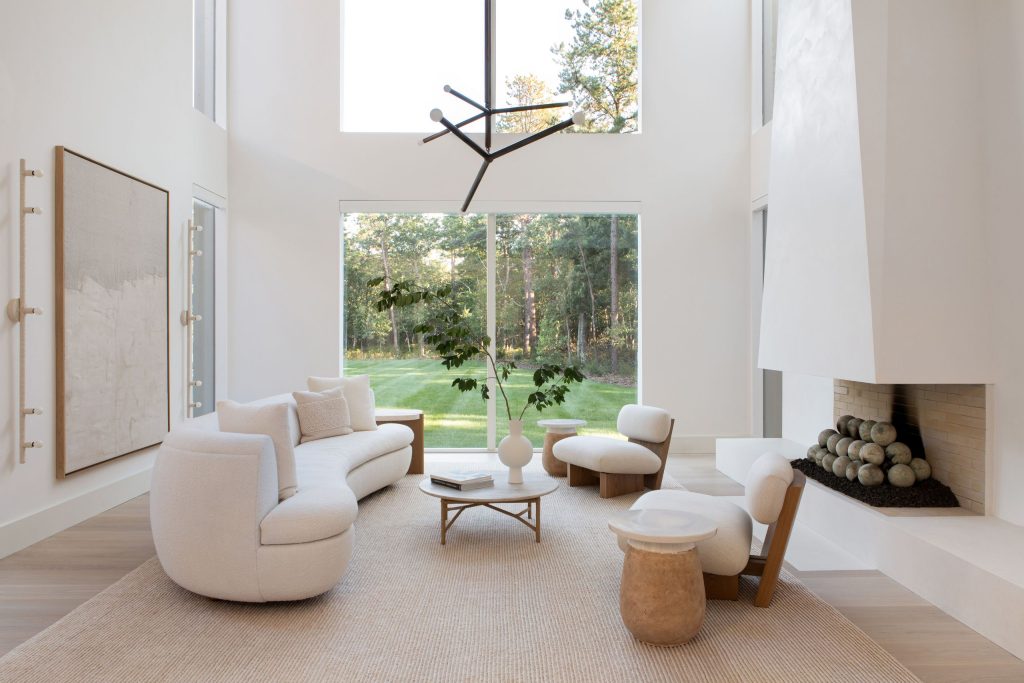
In conclusion, the principles of creating a minimalist workspace not only pave the way for enhanced productivity but also encourage a more balanced and fulfilling approach to work. By prioritizing intentional design, individuals and organizations alike can unlock the full potential of their workspaces, leading to innovative successes in an increasingly digital world.
DISCOVER: Click here to dive deeper
Elements That Define Intentional Design in Minimalist Workspaces
To appreciate the role of intentional design in creating a minimalist workspace, it’s essential to explore the elements that make up this concept. By understanding these facets, one can recognize how they contribute to a more productive and harmonious work environment. Intentional design goes beyond mere aesthetics; it interweaves functional purpose with personal well-being, creating spaces that inspire rather than detract from our focus.
Curated Color Palettes
One of the primary elements of intentional design is the choice of colors within the workspace. A carefully selected color palette can profoundly influence mood and productivity. Neutral tones like whites, beiges, and soft grays promote a sense of calm and clarity, while subtle pops of color—such as a vibrant green or blue—can stimulate creativity and enhance focus. According to research from the University of British Columbia, colors with a cooling effect, like blues and greens, can induce a sense of tranquility, making them ideal choices for a workspace aimed at reducing stress and enhancing concentration.
Smart Space Planning
Effective space planning is another significant aspect of intentional design. It involves strategically organizing the layout to optimize functionality while minimizing distractions. A well-laid-out workspace facilitates efficient workflows and ensures that all essential tools are easily accessible. For instance, placing a printer within arm’s reach of the workspace can eliminate unnecessary interruptions. Additionally, incorporating dedicated zones for different activities—such as a specific area for focused work and another for collaborative discussions—can foster a balanced atmosphere that promotes both individual and team productivity.
Emphasis on Nature
Research indicates that bringing elements of nature into the workplace can have stress-reducing effects and boost productivity. This concept is part of a larger movement known as biophilic design, which integrates natural elements into built environments. Simple solutions may include adding potted plants, which not only improve air quality but also create a visually pleasing environment. Studies have shown that workplaces with greenery can increase productivity by up to 15%. Furthermore, incorporating organic materials, such as wood and stone, can create a warm and inviting atmosphere, enhancing overall well-being.
Technology That Enhances, Not Distracts
In today’s digital landscape, technology is a double-edged sword. While it has the potential to streamline tasks, it can also be a source of distraction. Intentional design advocates for the use of technology that enhances productivity without overwhelming the user. For example, utilizing tools like a minimalist phone dock or cable organizers can help keep cords tidy and maintain a clean aesthetic, fostering a distraction-free zone. Furthermore, implementing smart lighting systems that adapt to the time of day can contribute to improved focus and alertness.
By paying attention to these key elements—curated color palettes, smart space planning, an emphasis on nature, and conscious technology use—individuals can create a minimalist workspace that truly embodies intentional design. This thoughtful approach to workspace configuration not only supports productivity but also nurtures a sense of well-being, ultimately contributing to a more fulfilling work experience.
The Role of Intentional Design in Creating a Minimalist Workspace
In the rapidly-evolving professional landscape, the importance of a well-thought-out workspace cannot be overstated. An intentional design, characterized by simplicity and purpose, plays a vital role in creating an environment where creativity and productivity thrive. A minimalist workspace, stripped of distractions and clutter, allows individuals to focus on what truly matters, enhancing their overall performance.
Intentional design emphasizes the relationship between the elements within a workspace and the people who occupy it. Every item, from furniture to lighting, is strategically selected to promote functionality and comfort. For instance, ergonomic furniture not only enhances physical well-being but also fosters a sense of calm and clarity. With fewer distracting elements, workers are better equipped to tackle complex tasks and innovate seamlessly.
Furthermore, the psychological benefits of a minimalist workspace cannot be overlooked. A clean and organized environment cultivates mental clarity, reducing stress and allowing individuals to engage fully with their work. The inclusion of natural elements, such as plants or natural light, elevates mood and increases overall satisfaction, making intentional design an essential aspect to consider for modern workspaces.
By carefully curating a workspace, organizations can not only enhance productivity but also foster a culture of well-being. This intentional design approach ensures that every detail serves a purpose, leading to a more harmonious and effective work environment.
| Advantages | Description |
|---|---|
| Increased Productivity | A cleaner workspace leads to better focus and efficiency. |
| Enhanced Well-being | Minimized clutter promotes a sense of calm and reduces stress levels. |
As organizations explore modern design trends, understanding the role of intentional design becomes crucial in crafting effective and inspiring work environments. Embracing a minimalist approach not only supports productivity but also aligns with a growing commitment to employee well-being and satisfaction, setting the stage for success in any professional endeavor.
DON’T MISS: Click here to discover more about how design impacts efficiency
Design Principles that Foster Productivity and Clarity
Beyond individual elements, certain design principles play a pivotal role in creating an intentional minimalist workspace. These principles emphasize not only aesthetics but also functionality, clarity, and a sense of intention that empowers individuals to perform at their best.
Decluttering Techniques
One of the core tenets of intentional design is the practice of decluttering. A clutter-free environment directly correlates with mental clarity and focus. The KonMari method, popularized by Marie Kondo, encourages individuals to keep only those items that “spark joy.” In a workspace context, this means evaluating every item in your vicinity and ensuring it serves a clear purpose. The psychological benefits of decluttering are profound: a study by the Princeton University Neuroscience Institute revealed that physical clutter competes for your attention, which can impede cognitive performance. By making a conscious effort to minimize extraneous items, employees can create an environment that promotes better decision-making and productivity.
Ergonomic Solutions
Intentional design also includes the integration of ergonomic solutions that enhance comfort and reduce strain during long working hours. Adjustable desks and chairs, designed to support healthy posture, can have a substantial impact on well-being and productivity. Recent research suggests that using standing desks can improve energy levels and engagement, thus promoting creative thinking. Moreover, accessories like keyboard trays and monitor stands can be tailored to individual anatomy, ensuring that the workspace caters to the user’s needs rather than forcing them to adapt to a one-size-fits-all solution.
Multi-functional Furniture
In the pursuit of both minimalism and functionality, the use of multi-functional furniture is increasingly popular in intentional design. Pieces that serve dual purposes—such as a coffee table that transforms into a desk or a storage ottoman—help maximize space while minimizing clutter. These adaptable solutions not only contribute to a streamlined aesthetic but also effectively cater to the evolving needs of a workspace, accommodating both collaborative and focused tasks. This adaptability can be particularly invaluable in smaller offices or home workspaces where every square foot counts.
Personalization Within Minimalism
While minimalism often conjures images of stark, impersonal spaces, the concept of intentional design encourages thoughtful personalization that reflects one’s individuality. Art prints, personal photographs, or unique decor items can be strategically placed within a minimalist framework to inspire motivation without overwhelming the senses. The key is to choose meaningful items that resonate on a personal level while still maintaining the overall simplicity and harmony of the workspace. This blend of personality and minimalism can lead to increased job satisfaction and engagement, as studies show that workplaces reflecting personal values can enhance employee morale.
Intentional design principles such as decluttering, ergonomic solutions, multi-functional furniture, and personalized touches work in tandem to create a minimalist workspace conducive to enhanced productivity and mental clarity. By building on these principles, individuals are empowered to design spaces that serve both functional and psychological purposes, promoting well-being and effectiveness in the workplace.
DISCOVER MORE: Click here to learn how your choices impact the planet
Conclusion: The Lasting Impact of Intentional Design in Workspaces
As we delve into the realm of intentional design, it becomes increasingly clear that the principles of minimalism play a pivotal role in shaping effective work environments. By embracing design strategies that prioritize clarity, functionality, and psychological well-being, we can create spaces that not only enhance productivity but also foster a profound sense of calm and focus. The act of decluttering takes on greater significance as we recognize its direct correlation with cognitive performance, paving the way for improved decision-making. Moreover, ergonomic solutions tailored to individuals’ needs are more than just comforts; they are essential components that drive sustained engagement and creativity.
As trends shift towards flexibility in workspaces, the incorporation of multi-functional furniture becomes a necessity, especially in urban settings where space is often at a premium. This emphasizes the notion that intentional design must not only prioritize aesthetics but also adapt to the dynamic needs of users. Finally, personalization within minimalism champions the idea that our workspaces should resonate with our identities, enhancing overall job satisfaction and morale.
In conclusion, the intersection of intentional design with minimalism presents an opportunity for individuals and organizations to reimagine their work environments. By implementing these principles with purpose, we can create spaces that not only optimize productivity but also nurture creativity and well-being. The journey into a minimalist workspace is not merely about stripping away excess but instead about cultivating a space that breathes clarity and inspires greatness. Embracing this approach can lead to transformative outcomes in the way we work and thrive.
Related posts:
The Impact of Intentional Design on Decision Making and Personal Planning
The Importance of Intentional Design in Creating Minimalist Spaces
How Intentional Design Can Improve Personal and Organizational Efficiency
How Intentional Design Influences Our Daily Routines and Organization Habits
Intentional Design and the Creation of Minimalist Lists: Simplifying Tasks and Goals
The Intersection of Intentional Design and Self-Care: Creating Spaces that Promote Well-Being

Linda Carter is a writer and organization expert specializing in minimalism and personal organization. With extensive experience helping individuals create clutter-free, functional spaces and adopt mindful habits, Linda shares her knowledge on our platform. Her goal is to empower readers with practical advice and strategies to simplify their lives, stay organized, and achieve a sense of calm and balance in their daily routines.