The Role of Intentional Design in Redefining Personal Priorities and Values in the Context of Minimalism

Understanding the Significance of Intentional Design
In a fast-paced world filled with distractions, the concept of minimalism offers a refreshing perspective. It encourages individuals to strip away the excess and focus on what truly matters. Within this framework, intentional design emerges as a powerful tool that can transform personal priorities and values.
Consider how intentional design shapes our everyday experiences:
- Streamlined environments that promote clarity and calm: A well-organized living space brings about a sense of peace, allowing individuals to focus on activities that enrich their lives rather than those that clutter their minds. For example, a decluttered workspace can enhance productivity, leading to greater creativity and satisfaction at work.
- Purposeful choices about ownership and consumption: Minimalism encourages thoughtful purchasing decisions, compelling individuals to consider whether each item is truly necessary. By adopting a more mindful approach to consumption, one can prioritize high-quality, sustainable goods that align with personal values. Brands like Patagonia and Toms exemplify this, promoting ethical manufacturing processes and encouraging consumers to buy less and choose wisely.
- Mindful decision-making in personal and professional realms: Intentional design invites individuals to reflect on their choices, fostering an awareness that can lead to more fulfilling relationships and career paths. For instance, someone who values time with family may purposefully seek job opportunities that offer flexible working conditions to ensure they are present for important moments.
These elements pave the way for a deeper understanding of oneself and one’s priorities. By integrating intentional design into one’s lifestyle, individuals can redefine what they value most, moving beyond the superficial measures of success often portrayed in society. This not only influences tangible possessions but also impacts emotional and mental well-being, leading to a more rounded understanding of fulfillment.
As more people embrace minimalism, the opportunity to explore intentional design’s role becomes crucial. It reshapes how individuals interact with their environments, reconcile their values with their actions, and foster connections with others. The synergy between minimalism and intentional design opens doors to new ways of living and engaging with the world.
By understanding these connections, readers can uncover innovative strategies that help align their daily lives with their truest values. This process often manifests in self-discovery, revealing what brings joy and satisfaction, thus ultimately contributing to a more meaningful existence.
DISCOVER MORE: Click here to learn how intentional design shapes our lives
Transforming Spaces: The Foundations of Intentional Design
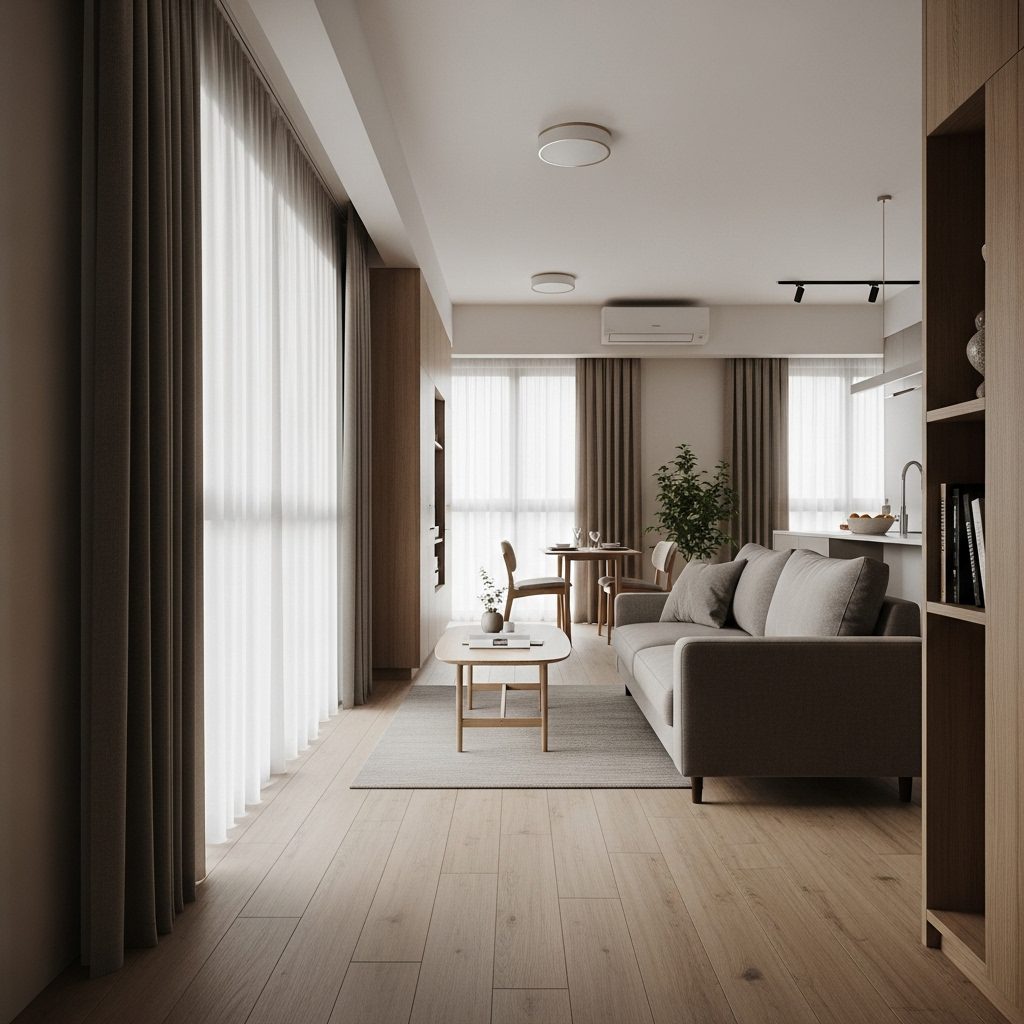
At the heart of intentional design lies a commitment to making choices that foster well-being and fulfillment. For individuals embracing minimalism, this principle means creating environments that reflect personal values while discarding what does not serve a purpose. Achieving this balance requires a deep dive into the elements of design that impact both physical spaces and mental states.
One of the most significant aspects of intentional design is its ability to align personal spaces with one’s core beliefs. This alignment starts with self-assessment: understanding what truly matters allows individuals to curate their surroundings thoughtfully. Here are some key areas where intentional design can lead to a meaningful transformation:
- Creation of multifunctional spaces: In a world where urban living often requires compromise, creating spaces that serve multiple purposes can enhance both functionality and emotional resonance. For example, a combined home office and relaxing reading nook fosters productivity while allowing for leisure, thus promoting a balanced lifestyle.
- Selection of calming color palettes: Colors significantly influence our moods and energy levels. Choosing serene hues, like soft blues or muted greens, can transform a cluttered environment into a calming sanctuary, encouraging clarity of thought and peace of mind.
- Incorporation of natural elements: Bringing the outdoors in through plants or natural materials can create a sense of tranquility and connection to nature. Studies show that incorporating such elements can reduce stress and improve overall well-being, highlighting the importance of design choices that nurture mental health.
Incorporating these principles into daily living not only improves one’s environment but also reinforces values surrounding simplicity and mindfulness. The act of refining surroundings encourages individuals to consider how their choices reflect their priorities, deepening their relationship with their possessions and surroundings.
Furthermore, the implications of intentional design stretch beyond mere aesthetics. Individuals who actively shape their environments are likely to experience increased motivation and productivity. For instance, a well-designed kitchen can inspire cooking and healthier meal preparations, while an organized workspace fosters clearer thinking and greater efficiency.
As individuals re-evaluate their lives through the lens of minimalism, intentional design serves as a catalyst for change. By focusing on clarity, serenity, and purpose, one can redefine not only material possessions but also interpersonal relationships and daily routines.
In this journey towards a more intentional way of living, establishing a concise framework for evaluating one’s priorities becomes essential. Intentionally designed living spaces ultimately lead to a deeper understanding of what brings true satisfaction and happiness, facilitating an unparalleled opportunity for growth.
| Category | Description |
|---|---|
| Mindfulness | Intentional design promotes a conscious approach to choices, enhancing mindfulness in daily life and greater awareness of one’s environment. |
| Prioritization | By establishing clear priorities, individuals can allocate their time and resources more effectively, leading to a more fulfilling and centered life. |
In the context of minimalism, the role of intentional design is increasingly recognized as vital to redefining personal priorities and values. This approach involves a deliberate selection of elements that surround an individual, from home environments to digital experiences, fostering a sense of purpose and clarity. As a result, one often finds themselves reflecting on their desires, leading to profound changes in lifestyle choices. For instance, intentionality allows individuals to strip away distractions and focus on what truly matters, whether it be relationships, health, or creativity. This process not only simplifies life but encourages deeper engagement with every aspect of existence. As people reassess their values, the emphasis on quality over quantity becomes paramount, prompting a move towards more meaningful interactions and possessions that resonate personally. Furthermore, intentional design supports a sustainable lifestyle, where choices reflect both personal values and ecological consideration. It encourages consumers to invest in items that support longevity and functionality, leading to a more responsible consumption pattern. Such an approach not only redefines personal priorities but also aligns with broader societal values focused on sustainability and well-being, leading to a holistic transformation in how individuals perceive their roles within both personal and community landscapes.
DISCOVER MORE: Click here to learn about intentional design and self-care
Embracing Minimalism: How Intentional Design Shapes Values and Priorities
As individuals delve deeper into the practice of minimalism, the role of intentional design becomes increasingly apparent in not just the physical layout of spaces, but also in how these choices affect personal values and priorities. This intersection creates a profound impact on how people live their lives. Intentional design encourages individuals to focus on quality over quantity, shifting their perspectives about what it means to live meaningfully.
Intentional design fosters a mindset shift whereby individuals learn to prioritize experiences over material items. For instance, by designing a home that emphasizes communal spaces, such as a large dining area or a cozy living room, individuals inadvertently choose to place value on relationships and social connections. Gregory McKeown, author of “Essentialism,” suggests that learning to discern between what is essential and what is expendable leads to more significant personal fulfillment. Within this context, intentional design becomes an effective tool for reinforcing those values in daily life.
Another critical aspect of intentional design’s impact on personal priorities is the practice of decluttering, which closely aligns with minimalism. Research from the Journal of Environmental Psychology indicates that clutter can significantly affect one’s ability to focus and ultimately leads to increased anxiety. Thus, by adopting intentional design principles, individuals can eliminate distractions in their environments, allowing them to redirect their energy toward their priorities. When clutter subsides, mental clarity follows, enabling individuals to engage more profoundly with their passions, hobbies, and goals.
Furthermore, intentional design invites a more conscious approach to consumption. Adopting a minimalist lifestyle entails being selective about what one brings into their lives, leading to a more thoughtful purchasing process. For example, sustainable design practices, such as investing in ethically produced furniture or décor items, reflect a commitment to environmental responsibility and long-term value over fast fashion. By actively making choices that align with these values, individuals experience a heightened sense of agency, which further contributes to their deeper understanding of personal priorities.
Moreover, the concept of intentional design can extend beyond physical spaces into daily routines. Individuals can intentionally design their schedules to prioritize self-care and reflection, ensuring that their time aligns with their values. By setting aside specific blocks of time for mindfulness practices, exercise, or creative endeavors, one creates a rhythm of life that resonates with their core beliefs. This practice reinforces the idea that intentional living is not confined to exterior environments but can indeed transform internal landscapes as well.
Incorporating technology strategically is another aspect of intentional design that can aid in redefining values. By utilizing apps that promote digital decluttering or time management, individuals can align their technological habits with their minimalist goals. For instance, a productivity app that promotes focus, while limiting distractions from social media, reinforces a commitment to meaningful engagement in both digital interactions and real-life relationships.
Ultimately, the interplay between intentional design and minimalism serves as a reminder that every choice we make within our environments impacts our priorities and values. It paints a vivid picture of a life characterized by authenticity, purpose, and a conscious disregard for excess—a true reflection of a minimalistic approach to modern living.
DIVE DEEPER: Click here to discover how intentional design can boost your efficiency
The Path Forward: Reimagining Your Life through Intentional Design
In conclusion, the role of intentional design in redefining personal priorities and values within the framework of minimalism is both profound and transformative. By actively engaging in thoughtful design choices, individuals not only curate their physical environments but also cultivate deeper connections with their intrinsic values. As this article has explored, intentional design shifts the focus from the incessant pursuit of material possessions to valuing experiences, relationships, and self-awareness.
When one prioritizes communal spaces and practices decluttering, the resultant mental clarity enables individuals to engage more profoundly with their passions. The intersection of minimalism and intentional design provides a roadmap to navigate modern life’s complexities and distractions, illustrating the necessity of making conscientious choices that align with personal values.
Moreover, as individuals become more selective about their consumption and integrate intentionality into their daily routines, they expand their capacity for sustainable living and enhance their overall well-being. This method of living emphasizes the importance of quality over quantity, ensuring that every choice, whether in home décor, digital engagements, or personal care, resonates with one’s core beliefs.
Ultimately, embracing intentional design within a minimalist lifestyle empowers individuals to reclaim agency over their choices, leading to a rich and fulfilling life characterized by purpose and authenticity. As one embarks on this journey, it is remarkable how the reimagining of one’s surroundings can also reflect a journey toward self-discovery and a reevaluation of what truly matters, paving the way for a more meaningful existence.
Related posts:
The Role of Intentional Design in Minimalist Aesthetics: Less is More
How Intentional Design Influences Our Daily Routines and Organization Habits
The Impact of Intentional Design on Decision Making and Personal Planning
How Intentional Design Can Improve Personal and Organizational Efficiency
The Intersection of Intentional Design and Self-Care: Creating Spaces that Promote Well-Being
Integrating Intentional Design in Workspaces: The Key to Creativity and Focus

Linda Carter is a writer and organization expert specializing in minimalism and personal organization. With extensive experience helping individuals create clutter-free, functional spaces and adopt mindful habits, Linda shares her knowledge on our platform. Her goal is to empower readers with practical advice and strategies to simplify their lives, stay organized, and achieve a sense of calm and balance in their daily routines.