The Importance of Lighting in Spatial Efficiency and Minimalist Organization
Understanding the Impact of Lighting in Design
Lighting is not merely a tool for illumination; it plays a crucial role in establishing the atmosphere and functionality of spaces. Thoughtful lighting design has the power to transform a room, altering not just its aesthetic appeal but also the perception of space and organization. The interplay of light within an environment can either enhance or detract from its design, making it essential for designers to approach lighting with intention and creativity.
Consider these aspects of lighting in design:
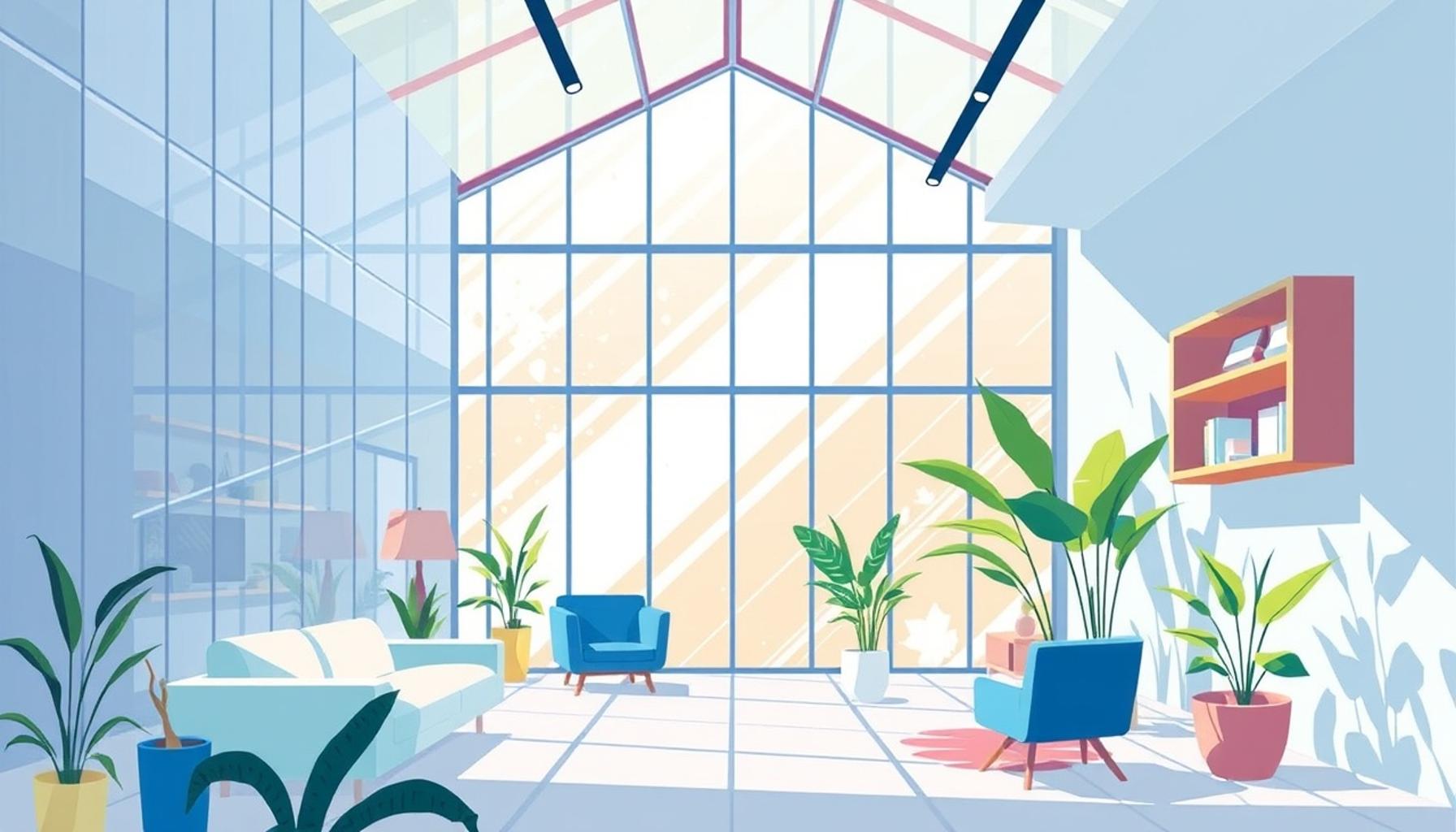
- Natural light: Leveraging windows and skylights is one of the most effective methods to increase a room’s spaciousness. For instance, an open floor plan that incorporates large windows or glass doors can seamlessly blend indoor and outdoor spaces, encouraging a flow that enhances the feeling of openness. Architects often prioritize this approach in urban environments where natural light may be limited.
- Ambient lighting: This type of lighting serves as a foundational layer, setting the overall tone of a space. It includes overhead fixtures, wall sconces, and floor lamps, all contributing to a unified look. An example of effective ambient lighting is the use of soft, warm-toned bulbs in living rooms to create a cozy, inviting atmosphere that welcomes relaxation and social interaction.
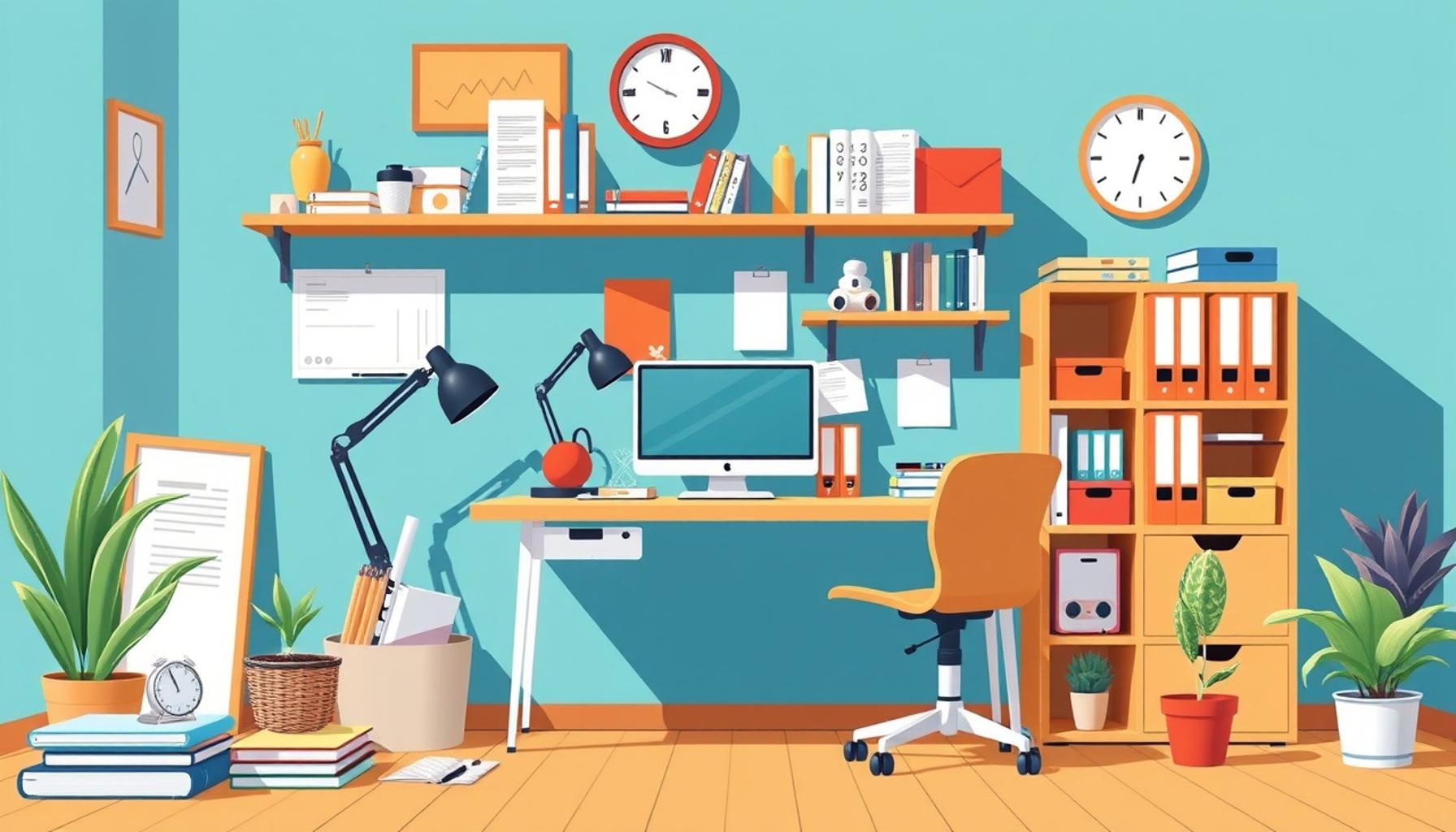
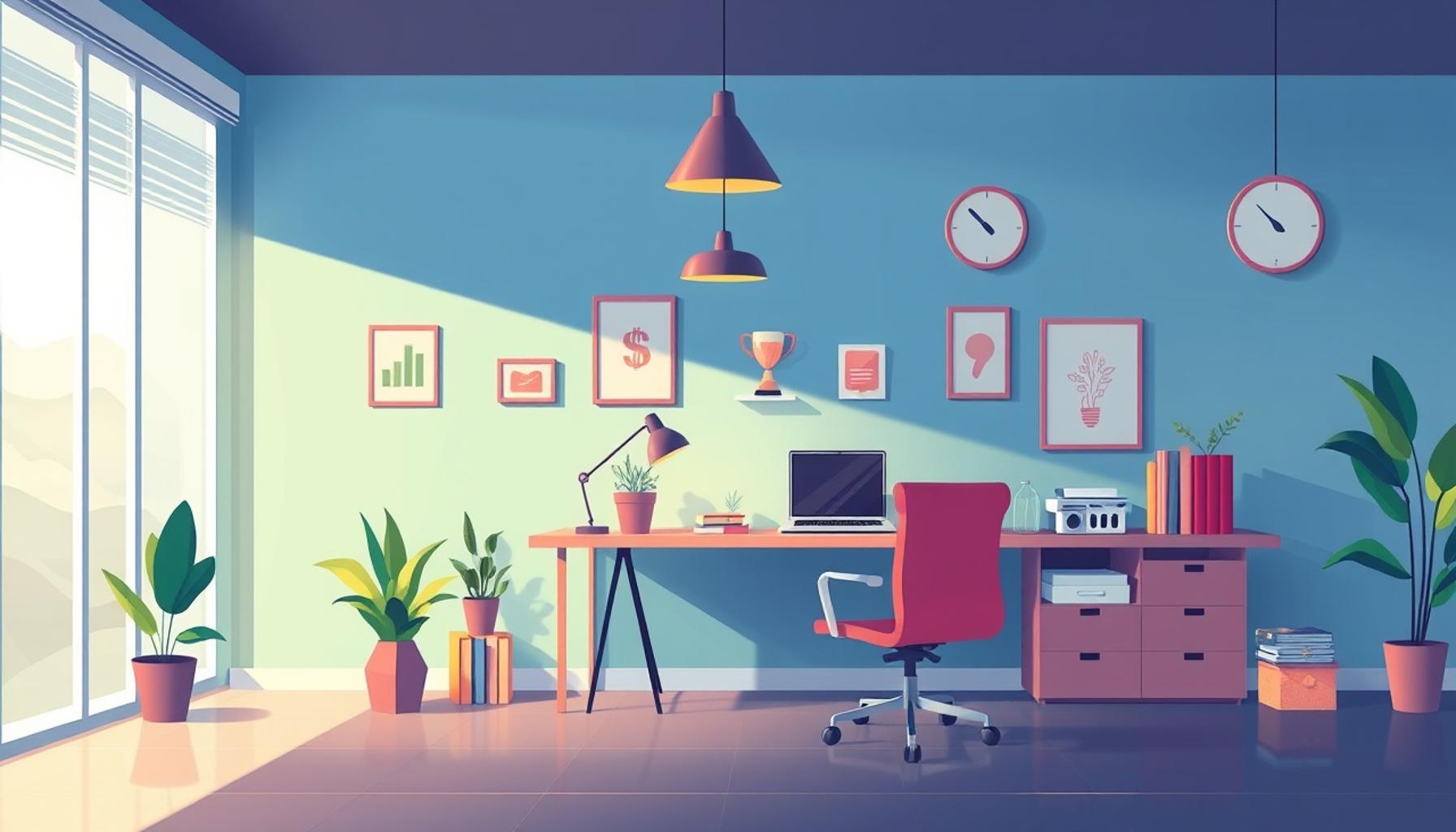
- Task lighting: This focused lighting is critical in workspaces, reading nooks, and other task-oriented areas. For example, a well-positioned desk lamp at an office can provide direct light needed for detailed tasks, ensuring that the overall ambiance of the room remains calm and undistracted. This type of lighting helps delineate areas for specific activities without overwhelming the senses.
Within a minimalist framework, where every element is carefully chosen for its functionality and aesthetic contribution, lighting becomes instrumental in accentuating simplicity and clarity. By strategically placing lights and using them to highlight particular features of a room, designers can draw attention to minimal decor while avoiding visual clutter.
Research supports the notion that thoughtfully designed lighting can greatly enhance both aesthetic appeal and functionality. For instance, studies have found that quality lighting increases productivity in office settings and creates a more pleasant atmosphere in areas such as retail stores and restaurants, leading to increased customer satisfaction. By employing layered lighting strategies, designers can effortlessly transform a chaotic environment into an efficient, minimalist haven, thereby facilitating better daily living.
As we explore the nuances of lighting design, it is clear that the right approach can significantly improve how we interact with our spaces and enhance our quality of life. Whether by adopting natural light solutions or employing layered choices that suit specific activities, the impact of lighting is profound and far-reaching.
DISCOVER MORE: Click here for mindful wardrobe tips
The Role of Lighting in Enhancing Space Perception
Effective lighting is a critical element in maximizing spatial efficiency and achieving a minimalist organization in any space. It is essential to understand how different types of lighting can alter our perception and functionality of environments. When designed effectively, lighting can make even the smallest rooms feel larger and more inviting.
Key ways in which lighting influences spatial efficiency include:
- Illusion of depth: A well-planned lighting design can create layers of light that contribute to a sense of depth in a space. Using directional lights, such as track lighting or recessed fixtures, can highlight architectural features and create shadows that add dimension. This technique makes a room feel less flat and more dynamic, encouraging movement and exploration within the area.
- Highlighting focal points: In a minimalist setting, it is important to draw attention to key features that define the space. Accent lighting, such as spotlights or LED strips, can be employed to showcase artwork, furniture, or other significant elements within the room. By creating visual interest without overwhelming the senses, lighting can help maintain the uncluttered look characteristic of minimal design.
- Color temperature and mood: The color temperature of lighting can drastically alter how we perceive an environment. Cooler light temperatures typically promote alertness and productivity, making them ideal for workspaces. Conversely, warmer tones evoke a sense of comfort and relaxation, perfect for living areas. Understanding these nuances enables designers to carefully select lighting that supports the intended mood of each space.
Moreover, integrating smart lighting solutions can enhance spatial efficiency significantly. Automated systems, such as motion sensors and programmable lighting, allow users to adapt their environment based on usage patterns. For instance, in a small apartment, smart lamps can be programmed to dim during movie nights, creating a cozy atmosphere while simultaneously conserving energy.
The practice of minimalism thrives on the concept that less is more; therefore, organizations must prioritize functionality without excessive visual distractions. Lighting plays a crucial role in this philosophy by transforming sparse spaces into organized sanctuaries. For example, utilizing pendant lights over a dining table can delineate the area for gathering, giving a clear outline without the need for bulky furniture. This approach not only maintains a sense of order but also encourages an uncluttered visual landscape.
Furthermore, studies indicate that spaces with deliberate and nuanced lighting can foster positive emotional responses and improve well-being. Research found that employees in offices with effective lighting reported higher levels of satisfaction and performance. Clearly, the significance of lighting goes beyond aesthetics; it can shape how individuals interact within their environment, making it a vital consideration for anyone aiming to enhance spatial efficiency and embrace minimalist organization.
| Advantage | Description |
|---|---|
| Enhanced Perception of Space | Natural and artificial lighting can transform the perception of a space, making it appear larger and more inviting. |
| Mood and Productivity Boost | Proper lighting contributes to a positive atmosphere, which can increase productivity and enhance mood, essential for minimalist organization. |
The role of lighting in spatial efficiency cannot be overstated. It is not merely a utility but a vital element in creating an atmosphere conducive to both functionality and aesthetics. Effective lighting strategies harness both natural daylight and intentional artificial sources, structuring space to guide the eye and create a sense of harmony. Additionally, the psychological impact of lighting plays a crucial role in minimalist organization. Bright, diffuse lighting can make small areas feel more open and less cluttered, while strategically placed shadows can create depth, allowing visual organization without overwhelming the senses. Understanding these lighting principles not only aids in optimizing space but also promotes a lifestyle rooted in minimalism, where every item has purpose and place. Engaging with a well-lit environment encourages mindful interaction with one’s surroundings, prompting individuals to reflect on organization beyond mere physical structuring. Thus, lighting becomes a dynamic component in achieving a beautifully organized space that resonates with clarity and intention.
DISCOVER MORE: Click here to learn how minimalism can transform your time management
Creating Atmosphere Through Strategic Lighting
Beyond merely enhancing the perception of space, lighting is instrumental in establishing a cohesive atmosphere that aligns with minimalist organization principles. By strategically placing lighting fixtures and selecting the right types, you can craft an environment that not only feels larger but also invites tranquility and focus.
Several aspects illustrate how lighting contributes to atmosphere in minimalist spaces:
- Layering light for ambiance: Layered lighting involves utilizing a combination of ambient, task, and accent lighting to create a comprehensive illumination strategy. Ambient lighting serves as the primary source, while task lighting provides focus for specific activities, and accent lighting highlights features of interest. For instance, in a compact home office, soft overhead lighting paired with a focused desk lamp can balance visibility with warmth, fostering a conducive work environment without the chaos of excessive lighting.
- Natural light consideration: Natural light is a quintessential element in minimalist design, providing a sense of openness and connection to the outdoors. Utilizing sheer window treatments or strategically placed mirrors can amplify daylight, creating an illusion of greater space while minimizing reliance on artificial lighting. Studies have shown that exposure to natural light increases alertness and mood, making it a desirable factor in workplace settings across the United States.
- Color dilemmas: The effects of lighting are not limited to basic brightness and temperature; color rendition indexes (CRIs) play an important role in how colors appear in a given light. Selecting lighting with a high CRI ensures that colors remain true to life, aiding in the perception of the space and enhancing the color palette of minimalist design. For instance, in a kitchen, effective lighting can make monochrome surfaces appear vibrant, injecting personality into restrained decor.
Moreover, the energy efficiency aspect of modern lighting technologies should not be overlooked. The shift towards LED bulbs presents numerous benefits, such as lower energy consumption and an extended lifespan, aligning with minimalist principles by reducing waste and promoting sustainability. By integrating energy-efficient lighting, spaces not only feel more expansive but also contribute positively to the environment.
When considering the layout of furniture and organizational elements, it is paramount to ensure that lighting complements these elements effectively. For example, wall sconces can reduce clutter while providing necessary illumination without taking up valuable floor space. Similarly, a well-placed floor lamp can anchor a seating area, creating intimacy while keeping the design sleek and simple.
The emotional impact of lighting cannot be underestimated, particularly in shared spaces such as living rooms and communal areas. A dimmable lighting option allows residents to adjust the brightness based on the occasion, which is vital for promoting social interaction and relaxation. In minimalist homes, where every detail is carefully curated, the ability to adjust lighting can become a powerful tool in fostering a dynamic atmosphere.
As the dialogue around spatial efficiency and minimalist organization evolves, lighting emerges as a pivotal component in reimagining how we interact with our environments. Whether redesigning a small apartment or optimizing workspace, thoughtful lighting choices empower us to create spaces that feel limitless and organized, ultimately enhancing our daily lives.
DISCOVER MORE: Click here to unlock space-saving secrets
Conclusion: The Overarching Role of Lighting in Minimalist Spaces
In the quest for spatial efficiency and minimalist organization, lighting stands out as a crucial yet often underappreciated element. As highlighted throughout this article, the right lighting can dramatically alter the perception of space, contributing to an environment that feels not only larger but also more inviting and cohesive. By embracing strategies such as layered lighting, maximizing natural light, and choosing fixtures with high color rendition indexes, individuals can design spaces that empower both functionality and aesthetic appeal.
Moreover, the transition to energy-efficient lighting options, like LEDs, aligns seamlessly with the minimalist philosophy, reducing waste while enhancing the quality of illumination. This dual purpose enriches our living and working environments while cultivating sustainability—an aspect increasingly valued in today’s society.
As we continue to refine our understanding of how light affects our environments, it becomes clear that thoughtful lighting choices are not merely accessories but fundamental components that shape our daily experiences. From nurturing productivity in a home office to fostering comfort in a living area, lighting provides the emotional nuance essential to the minimalist approach. Ultimately, by recognizing and harnessing the transformative power of lighting, we can create organized, spacious, and uplifting environments that reflect our desire for simplicity and clarity in design.