The Role of Natural Light in Space Efficiency: Designing Minimalist Interiors for Optimal Flow
Harnessing Natural Light in Interior Design
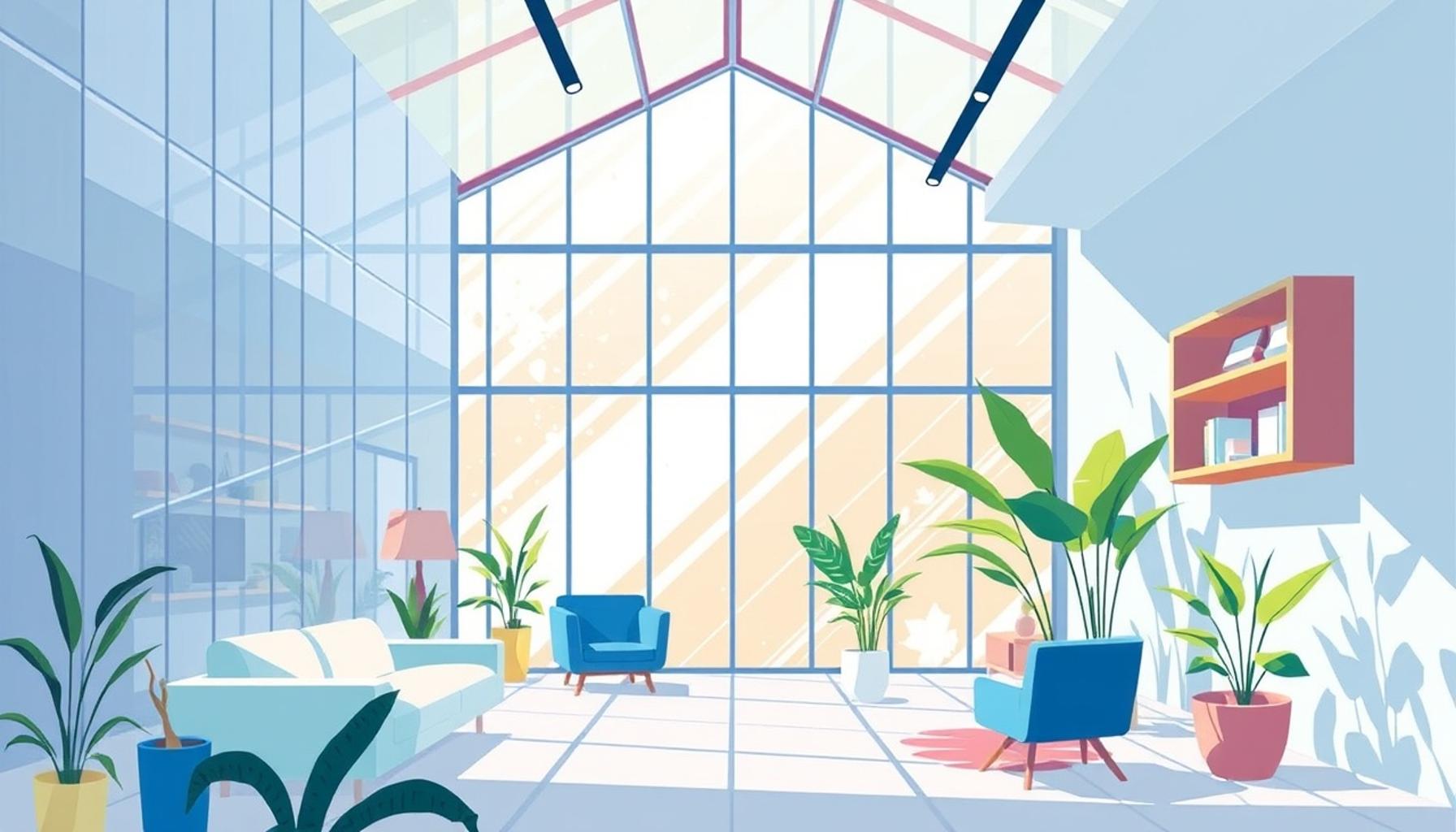
Natural light is a powerful asset in interior design, influencing both space efficiency and aesthetic appeal. In minimalist interiors, where every element counts, harnessing sunlight can enhance the perception of space and promote a sense of harmony. The strategic use of daylight can create a profound impact on how different areas of a home feel and function.
Consider how natural light affects:
- Visual Flow: It creates seamless transitions between rooms. Large windows, open floor plans, and glass panel doors can invite light and create a visual connection between spaces. For instance, in a contemporary home, replacing solid walls with frosted glass can maintain privacy while allowing daylight to pass through, creating an expansive feeling.
- Mood and Ambiance: Sunlight boosts energy levels and contributes to well-being. Studies suggest that exposure to natural light can lead to increased productivity and improved mood, often reducing symptoms of depression. This is particularly relevant in work-from-home setups where creating a bright, inviting environment can significantly enhance focus and creativity.
- Energy Efficiency: Reducing the need for artificial lighting can significantly lower energy costs. Incorporating energy-efficient windows or skylights not only brings in more light but also helps maintain a comfortable indoor climate. According to the U.S. Department of Energy, the right window placement can reduce the reliance on heating and cooling systems by as much as 30%.
In a world that increasingly values sustainability and minimalism, the integration of natural light is more than just an aesthetic choice. It’s a functional decision that can transform a living space into an oasis of tranquility. By investing in features like reflective surfaces or light-colored walls, homeowners can bounce light deeper into their spaces, enhancing brightness without additional energy consumption.
By analyzing the relationship between light and layout, designers can create environments that not only look appealing but also feel inviting. For example, strategically placing mirrors opposite windows can amplify natural light and create a more open atmosphere. Moreover, utilizing architectural elements such as clerestory windows can allow for light to filter in high up, illuminating spaces without compromising privacy.
This exploration delves into how to effectively use natural light to maximize space efficiency, offering practical strategies and inspiring ideas. Whether you’re renovating an existing space or designing a new home, embracing the natural light around you can lead to a more harmonious, vibrant living experience.
DISCOVER MORE: Click here to learn about spatial efficiency in nomadic living
Creating Spaces that Breathe: The Impact of Natural Light on Minimalist Design
In the realm of minimalist interiors, natural light serves as an essential component that enhances not only visual appeal but also practical functionality. As the design philosophy continues to steer towards simplicity and openness, the clever integration of daylight becomes paramount. This approach not only elevates the ambiance but also plays a critical role in bringing efficiency to limited spaces.
Architectural Considerations are key when optimizing for natural light. The orientation of a building impacts the quantity and quality of sunlight received throughout the day. Given that the sun rises in the east and sets in the west, designers often recommend placing large windows and glass doors on the southern and western façades to harness the sun’s light effectively. For instance, an open-concept living area that faces south can benefit from ample afternoon sunlight, increasing warmth and illuminating the entire space.
Beyond window placement, utilizing translucent materials can drastically enhance a room’s interaction with natural light. Glass walls, sliding doors, and even partitioning glass panels can act as barriers that do not hinder light flow. Furthermore, installing skylights is a game-changer, especially in lofts or attics, which often lack direct light sources. Skylights can flood dark corners with brightness, making the space feel more expansive and less confined.
Another innovative strategy involves maximizing the use of reflected light. This can be achieved through the use of light-colored furnishings, glossy surfaces, or strategically placed mirrors. By strategically positioning mirrors to face windows, homeowners can effectively double the amount of natural light that enters a space, while creating an illusion of greater depth and openness.
- Color Palette: Neutrality is fundamental in minimalist design. Choosing whites, creams, and soft pastels for walls can amplify light reflection, creating a brighter atmosphere and enhancing spatial perceptions.
- Furniture Layout: Avoid blocking windows with bulky furniture. Instead, opt for low-profile pieces that do not obstruct light pathways and maintain an open layout.
- Open Spaces: Embracing an open floor plan contributes significantly to the flow of natural light throughout a home, allowing it to bounce freely among different living areas.
The integration of natural light is not simply a design element; it is a vital consideration that encourages a climate-conscious lifestyle. In addition to making spaces feel larger and more inviting, bedrooms, kitchens, and living areas bathed in sunlight can cultivate an environment that fosters relaxation and productivity. Homeowners are increasingly recognizing that not only does this approach elevate the aesthetic value of their homes, but it also aligns with principles of sustainability, ultimately promoting a healthier living experience.
As we delve deeper into the effects of natural light on interior spaces, it becomes evident that understanding its role is crucial for anyone looking to embrace minimalist design while optimizing space efficiency. Embracing this illumination can yield transformative results that extend beyond mere decor, profoundly influencing both functionality and emotional well-being.
The Transformative Power of Natural Light in Minimalist Design
When we delve into the role of natural light in minimalist interiors, we discover its profound impact on space efficiency and overall ambiance. By harnessing natural light, designers can create environments that not only feel larger but also improve mood and productivity.
One of the foremost advantages of incorporating natural light is the visual expansion it provides. Well-placed windows, skylights, or glass doors can make a room appear more open and inviting, eliminating the need for excessive decor that may clutter the space. This concept of optimal flow aligns seamlessly with minimalist principles, where the focus shifts to functionality and simplicity.
Moreover, natural light significantly reduces reliance on artificial lighting, leading to energy efficiency and sustainability. Rooms filled with daylight can lower energy bills and decrease the carbon footprint, promoting eco-friendly living without compromising style. Designers can use reflective surfaces, such as mirrors and light-colored furniture, to amplify the effects of natural light, ensuring that every corner of a room is utilized effectively.
It’s essential to consider the timing of natural light; the intensity changes throughout the day and affects the way spaces are perceived. A well-thought-out strategy can utilize these changes, creating dynamics within the home where the play of shadows and light becomes part of the aesthetic experience.
Advancements in technology have also broadened the possibilities for integrating natural light into interior spaces. Innovations like smart glass or adjustable louver systems allow for the control of sunlight, ensuring comfort while maximizing the benefits of daylight during various seasons.
As we explore these elements further, it becomes evident that the synergy between natural light and minimalist design offers a revolutionary approach to space efficiency. In this context, less truly becomes more, leading to interiors where both aesthetic and functional needs are beautifully balanced.
| Category | Description |
|---|---|
| Natural Light | Increases visual space, enhances mood, and promotes energy efficiency. |
| Space Efficiency | Maximizes the use of natural light for functional and aesthetically pleasing interiors. |
DISCOVER MORE: Click here to uncover strategies for a decluttered digital life</a
Harnessing Natural Light to Enhance Functionality and Mood
The conscious application of natural light in minimalist interiors not only optimizes spatial efficiency but also influences the psychological well-being of occupants. Studies have shown that environments filled with natural light can significantly improve mood and productivity, making the design choices surrounding light exposure particularly critical. For homes, businesses, or any livable spaces, considering how natural light is utilized can greatly affect the overall experience.
One intriguing aspect of utilizing natural light is its impact on circadian rhythms. Exposure to sunlight during the day helps regulate sleep patterns, promoting a healthier lifestyle. For instance, incorporating daylight into bedrooms and home offices facilitates a natural wake-up process, helping occupants feel more refreshed and focused. Spaces designed to emphasize natural light can also include features such as natural ventilation systems, which, when paired with light, create a harmonious living environment that supports both physical comfort and mental clarity.
In practical terms, designing with natural light requires far more than mere window placement. Interior layout plays an equally significant role. For example, aligning workspaces or study areas towards windows can foster a sense of connection with the outside world, thereby enhancing focus and creativity. Light-filled corners of the home can be transformed into cozy reading nooks or productive workspaces, making even the smallest square footage feel functional and inviting.
Shades and Light Control also merit attention in the minimalist design equation. While the objective is to maximize light, the importance of managing glare cannot be overlooked. Using sheer curtains or adjustable window shades can help diffuse harsh sunlight, creating a warm ambiance while still allowing precious daylight to permeate a space. This degree of control can contribute to a balanced atmosphere that is soothing rather than overwhelming.
- Biophilic Design: Integrating natural elements alongside light can create a welcoming haven. Incorporating indoor plants not only purifies the air but enhances the overall aesthetics when paired with natural light.
- Outdoor Connectivity: Extending living areas outdoors through terraces or balconies increases available natural light and the feeling of spaciousness, blending indoor and outdoor environments seamlessly.
- Open-Concept Solutions: An open floor plan encourages the free movement of light throughout the space, making crowded areas feel more expansive while also promoting social interaction.
Research indicates that businesses that prioritize natural light in their interior design witness enhanced employee satisfaction and increased productivity. High-profile companies such as Google and Apple have embraced the concept of open spaces filled with light, encouraging collaboration and creative thinking among employees. These practical applications exemplify how choosing a minimalist design strategy that prioritizes natural light can yield both aesthetic beauty and functional benefits.
The growing trend towards sustainable building materials and designs also aligns well with this focus on natural light. Construction that utilizes eco-friendly materials and energy-efficient glazing solutions can drastically reduce a space’s ecological footprint, creating healthier environments conducive to well-being. As homeowners and designers alike embrace the combination of sustainability and minimalism, the incorporation of natural light remains a cornerstone of this transformative movement.
By acknowledging the profound effects of natural light on both design and functionality, designers and homeowners can create spaces that not only look good but feel good, nurturing a sense of balance, efficiency, and harmony within the home.
DIVE DEEPER: Click here to uncover effective strategies
Embracing Natural Light for a Harmonious Future
In conclusion, the impactful role of natural light in crafting minimalist interiors cannot be overstated. As we have explored, embracing natural light not only enhances the functional aspects of a space but also contributes to the emotional well-being of its occupants. By skillfully integrating natural light through thoughtful interior design and strategic layouts, homeowners and designers alike can achieve an optimal flow, creating areas that feel more open, inviting, and productive.
The psychological benefits derived from natural light—such as improved mood, enhanced focus, and better regulation of circadian rhythms—highlight the necessity of prioritizing light in modern spaces. The incorporation of elements like biophilic design and outdoor connectivity not only enhances aesthetic appeal but also reinforces the bond between individuals and their environments. As the trend towards sustainability continues to gain traction, utilizing eco-friendly materials that maximize natural light aligns perfectly with the goals of space efficiency and ecological consciousness.
Ultimately, optimizing space through natural light paves the way for a new era of design—one that values harmony, balance, and well-being over mere aesthetics. By reimagining how we use light within our homes and workspaces, we can cultivate environments that nurture both physical comfort and mental clarity. As you embark on your design journey, consider the profound impact that natural light can have, not just on your space, but on your overall experience of living and working. The possibilities are bright, and the future of design is illuminated.