Transforming Spaces: How Reducing Clutter Can Enhance Your Home’s Aesthetics
The Importance of Decluttering
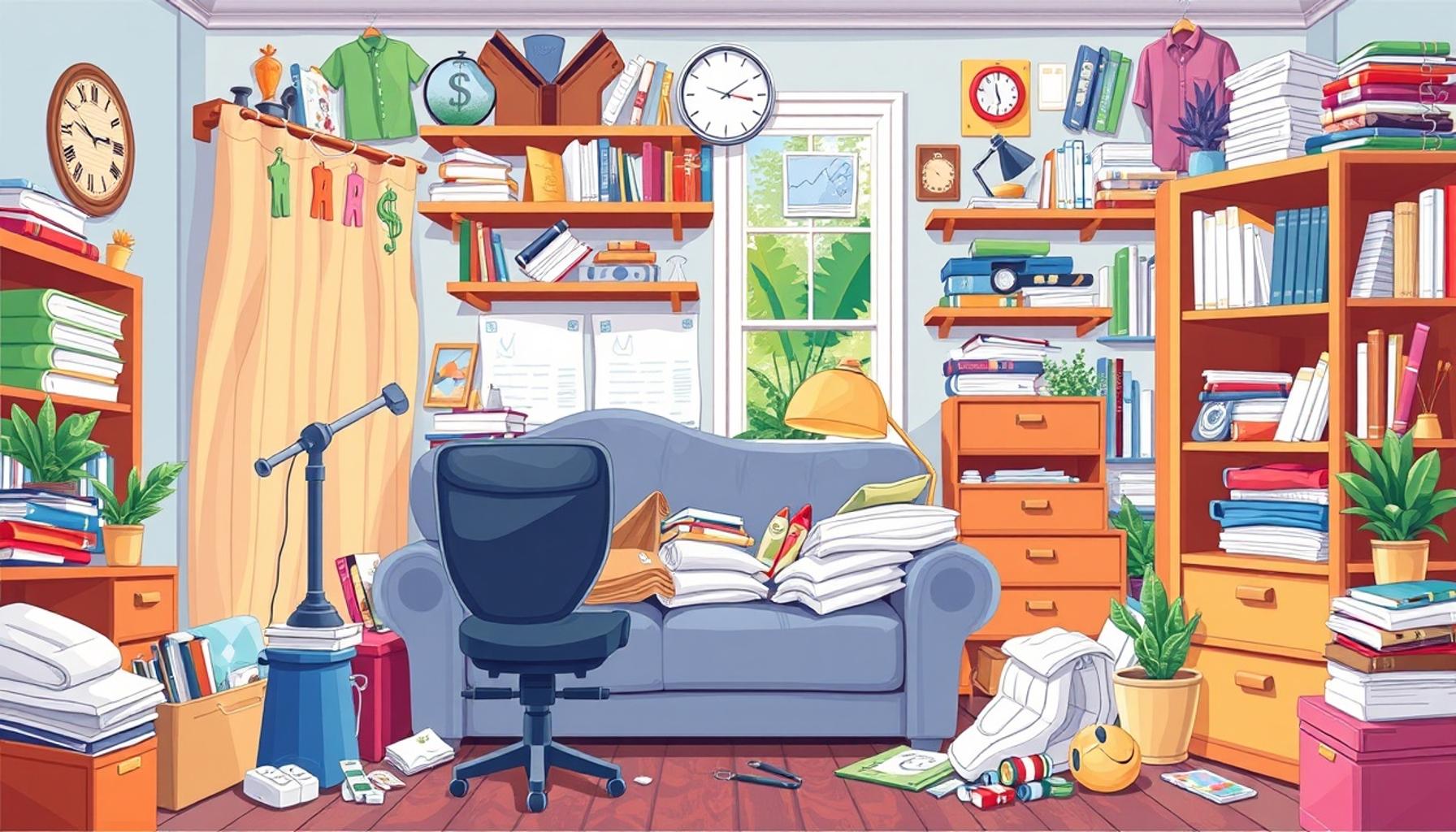
Every day, we interact with the spaces around us, yet many of us overlook how clutter can stifle our home’s aesthetic appeal. Reducing clutter is more than just tidying up; it’s about creating an inviting atmosphere. A harmonious space can lead to greater relaxation, productivity, and even happiness.
Consider the benefits of a decluttered home:
- Improved Visual Appeal: Open spaces feel larger and more inviting. A decluttered living room, for instance, might allow natural light to cascade in through the windows, which can make the entire room feel more open and airy. Think about how a simple coffee table devoid of magazines, remotes, or other sundries can create a more organized look and make your space feel instantly more welcoming.
- Enhanced Functionality: Streamlined spaces make it easier to find and use items. When surfaces are clear, you can more readily access the things you use daily, such as kitchenware or office supplies. As a practical example, organizing your kitchen counters by storing away appliance boxes or rarely-used gadgets can free up crucial space for cooking and food preparation.
- Reduced Stress: A clean environment promotes tranquility and focus. Research indicates that overwhelming clutter can lead to increased stress levels. An untidy workspace might distract you, negatively impacting your ability to concentrate on tasks at hand. Alternatively, a well-organized office with clear desk space can enhance productivity and stimulate creative thinking.
Interestingly, the impact of clutter isn’t just about aesthetics. Research shows that a chaotic environment can affect mental clarity and decision-making. Neuroscientists have found that clutter can lead to lower levels of serotonin, which is tied to mood and emotional well-being. Therefore, the mental benefits of decluttering are equally as important as the visual ones. By taking actionable steps toward decluttering, homeowners can transform their spaces into serene retreats.
In this article, we’ll explore a range of practical strategies for reducing clutter while enhancing your home’s aesthetic appeal. You’ll discover how even minor adjustments can significantly alter your living areas, making them more enjoyable and functional. Whether it’s the implementation of the popular “20/20 rule” — where you get rid of anything that takes less than 20 minutes to replace and costs less than $20 — or embracing minimalist storage solutions, strategies abound. Let’s delve into how embracing simplicity can pave the way for a more beautiful home.
DISCOVER MORE: Click here to learn about maximizing your space
Strategies for Effective Decluttering
As we embark on the journey to reduce clutter, it is essential to recognize that decluttering is not just a one-off task; it is a gradual process that requires intention and commitment. By employing strategic methods, homeowners can significantly transform their spaces while fostering a more tranquil and aesthetically pleasing environment.
One effective approach to decluttering involves the use of the Four-Box Method. This technique entails setting out four boxes or bins labeled as “Keep,” “Donate,” “Trash,” and “Relocate.” As you sort through items in your home, designate each item accordingly. This clear categorization not only simplifies the decision-making process but also ensures that every possession has a rightful place, promoting a more cohesive aesthetic within your living space.
In addition to the Four-Box Method, the Japanese KonMari Method offers a unique and meaningful approach to decluttering. Advocated by tidying expert Marie Kondo, this method encourages individuals to evaluate items based on their emotional value. The mantra “Does this spark joy?” prompts homeowners to reflect on whether each item enhances their environment. By embracing only those items that genuinely contribute to personal happiness and comfort, individuals can cultivate spaces that resonate with their personal style while remaining clutter-free.
Moreover, implementing a routine for ongoing decluttering can help maintain your home’s aesthetics. Consider the “One In, One Out” rule: for every new item you bring into your home, commit to removing an existing one. This practice aids in preventing the accumulation of unnecessary belongings and reinforces the principle of living with intention. Imagine introducing a new decorative piece for your living room while deciding to let go of an old trinket that no longer holds significance. This balance paves the way for a harmonious and visually appealing space.
Another strategy worth considering is the use of multifunctional furniture. Furniture that serves multiple purposes not only saves space but also reduces visual clutter. For example, a coffee table with built-in storage space can house magazines and remotes, creating an unobtrusive solution to common clutter issues. Similarly, ottomans that double as storage units can enhance your living area’s functionality while maintaining a clean aesthetic.
As you adopt these strategies for reducing clutter, remember that the journey toward a more serene and beautiful home is not about achieving perfection. It’s about enhancing your spaces to better reflect your lifestyle and values. With each step taken towards decluttering, you’ll notice not just a visual transformation, but a ripple effect on your overall well-being and satisfaction in your home environment.
Transforming Your Living Environment
As we delve deeper into the subject of improving home aesthetics by minimizing clutter, it becomes evident how much our living spaces impact our mental and emotional well-being. Creating a serene and visually appealing environment can significantly enhance your quality of life. One of the first steps in achieving this transformation is to assess the items that occupy your spaces. Consider performing a decluttering session by evaluating each item’s necessity and emotional value. This process not only frees up physical space but also fosters a sense of control and mindfulness in your home. Research shows that a chaotic environment can lead to increased stress and anxiety, while a decluttered, organized space creates a sense of peace and tranquility.Furthermore, the psychological aspect of aesthetics cannot be overstated. Homes that prioritize clean lines, open spaces, and carefully curated decor tend to evoke feelings of calmness and satisfaction. When decluttering, focus on selecting key pieces that reflect your personality and style, creating focal points that draw attention rather than distract. In this way, your home becomes a true reflection of you and an inviting haven for friends and family.Adding to the aesthetic improvements, consider the potential for increased functionality through decluttering. By removing items that no longer serve a purpose, you can reimagine spaces that accommodate creativity and productivity. Whether it’s transforming an office area for better work habits or creating a restful nook for meditation, the possibilities are endless.As you continue your journey toward a clutter-free home, remember that small changes can yield significant results. By embracing minimalism, you not only enhance your home’s aesthetics but also encourage an atmosphere of calm and clarity in your daily life. Let the journey begin!
| Advantages of Reducing Clutter | Impact on Home Aesthetics |
|---|---|
| Improved mental clarity | A more open, inviting space that promotes relaxation. |
| Enhanced functionality | Ability to create multi-functional areas without distractions. |
DISCOVER MORE: Click here for innovative storage solutions
The Psychological Impact of a Clutter-Free Environment
While the physical transformation of spaces through decluttering is visually striking, the psychological benefits of a clutter-free environment are equally profound. Numerous studies have shown that clutter can significantly affect our mental well-being. For instance, researchers from the Princeton University Neuroscience Institute found that physical clutter competes for our attention, leading to increased feelings of stress and overwhelm. By reducing clutter, individuals can foster a sense of calm and improve focus, making their homes not just more attractive, but also more harmonious.
One way to leverage these psychological benefits is by creating designated zones within your home. Zoning refers to organizing spaces according to their specific functions—like work, leisure, and dining—and ensuring that each area is free from distractions. For example, your home office should be solely dedicated to productivity without personal knickknacks that could divert your attention. This clear definition not only enhances the aesthetic appeal by providing a streamlined look, but it also supports mental clarity.
Incorporating Aesthetics into Minimalism
The minimalist aesthetic is intrinsically tied to decluttering. By adopting a minimalist approach, you embrace the idea that “less is more.” This does not necessarily mean stripping your home of character or warmth; rather, it encourages selecting a few key pieces that have significant meaning or eye-catching design. For instance, a stunning piece of artwork can serve as a focal point, while the surrounding area remains uncluttered, creating balance and fostering visual interest.
Incorporating natural elements is also an effective way to enrich your home’s aesthetics post-decluttering. Biophilic design, which emphasizes the human connection to nature, can be achieved by adding plants, using natural materials, and maximizing natural light in decluttered spaces. A well-placed indoor plant not only breathes life into a room, but it also provides mental benefits—studies indicate that plants can reduce stress and improve mood. By embracing natural beauty, homeowners can elevate their living environments while reinforcing a sense of tranquility.
Staying Organized: The Role of Storage Solutions
Another critical component of maintaining a visually appealing and clutter-free home is the implementation of innovative storage solutions. The right storage strategies not only enhance the aesthetics of a space but also ensure that items are easily accessible. Consider investing in organizers that complement your décor; stylish baskets, decorative boxes, and shelving units can blend functionality with beauty. For instance, using clear containers for smaller items can help you easily identify what you own without overloading visual space.
- Shelving units: These can serve dual purposes; functionally holding decorative items while also acting as artistic displays.
- Wall hooks: Perfect for maximizing vertical space, they can showcase stylish bags or hats, adding character while keeping the area tidy.
- Hidden storage: Furniture such as beds with built-in drawers can eliminate dust-collecting spaces, simplifying cleaning and enhancing overall aesthetics.
Ultimately, the journey toward transforming your home through decluttering is not solely about removing items; it is about thoughtfully curating a space that reflects your lifestyle and promotes well-being. As you engage with these strategies and embrace the beauty of simplicity, the aesthetic and psychological rewards will undoubtedly elevate your everyday living experience.
DISCOVER MORE: Click here to learn about mindful consumption
Conclusion
Transforming your living spaces by reducing clutter is more than just an aesthetic endeavor; it is a holistic approach to enhancing your overall well-being. As we have explored, decluttering not only brings visual appeal but also fosters a calmer, more focused environment, which is particularly beneficial in our fast-paced lives. By embracing a minimalist design and implementing effective storage solutions, you create an atmosphere that reflects your personal style while remaining functional and inviting.
Moreover, the psychological benefits associated with a tidy space are compelling. Studies have indicated that individuals who maintain a clutter-free home experience reduced levels of stress and increased productivity. This presents a valuable opportunity for homeowners to prioritize mental health through intentional organization. The act of strategically zoning areas of your home, focusing on a few statement pieces, and incorporating natural elements further illustrates how simplicity can dramatically enhance your living experience.
As you take these considerations into account, remember that decluttering is not a one-time event but a continual process. Regularly evaluating your belongings and being mindful of what you choose to keep can lead to long-lasting transformations. In doing so, your home will not only serve as a reflection of who you are but also as a sanctuary that nurtures your spirit. Dive deeper into the world of minimalism and decluttering, and you may find that the journey is as rewarding as the destination itself.
Related posts:
Unveiling the Emotional Side of Clutter: How Reducing Disorder Impacts Our Personal Relationships
How Reducing Clutter Can Increase Personal Productivity
Minimalism in Practice: Transforming Spaces with Feng Shui and Clutter Reduction
Seasonal Organization: Clutter Reduction Strategies for Each Season of the Year
The Psychology of Clutter: Understanding the Emotional Roots of Disorder and How to Overcome Them
Strategies for Tackling Digital Clutter: Organizing Your Virtual Space for a Minimalist Lifestyle

Beatriz Johnson is a seasoned minimalist and writer with a passion for simplifying the complexities of personal organization and decluttering. With over a decade of experience in the field, she specializes in topics like minimalist living, efficient organization strategies, and creating intentional spaces. Through her work, Beatriz empowers readers to make mindful decisions about their belongings, streamline their lives, and embrace a more organized and fulfilling lifestyle.