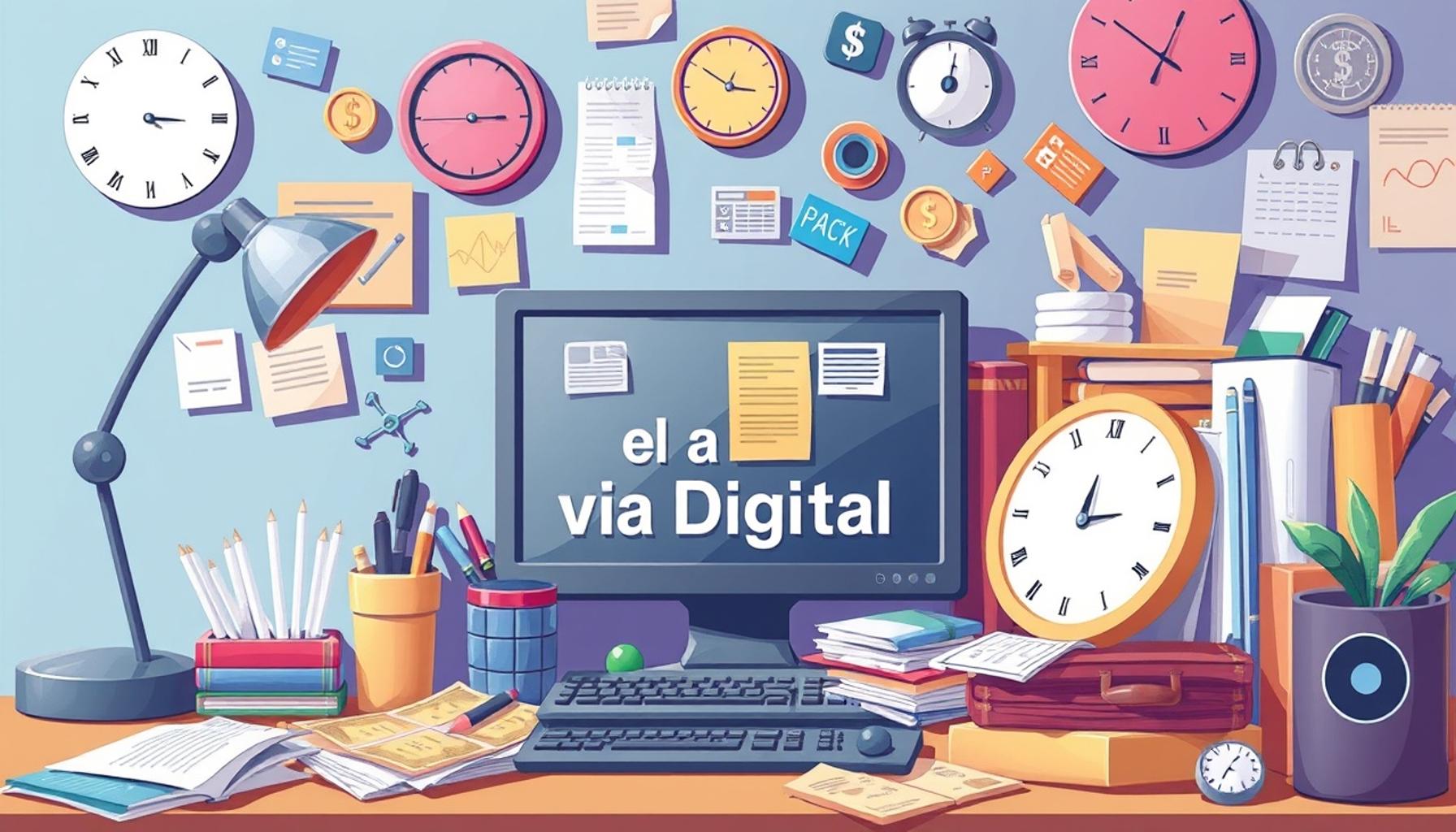
How Reducing Clutter Can Increase Personal Productivity

The Importance of a Clutter-Free Environment
In the hustle and bustle of modern life, the space around us can greatly influence our mental state and efficiency. Clutter is often viewed merely as an inconvenience, but its impact extends far beyond the superficial. The statistics are staggering: over 54% of Americans feel stressed because of disorganization in their lives, illustrating a widespread issue that affects countless individuals daily.
Furthermore, the average person devotes approximately 55 minutes each day searching for misplaced items, which adds up to over 32 hours annually lost to disarray. That time could be much better spent on productive activities or personal leisure, underlining just how significant clutter can be in our daily routines. Valuable hours vanish in the chaos, creating an urgent need for effective strategies to reduce clutter and revitalize our spaces.
How Decluttering Enhances Productivity
When we take a step back and clear away the unnecessary items, the benefits become clearer. A decluttered environment fosters enhanced focus. With fewer visual distractions vying for our attention, it becomes easier to concentrate on tasks at hand. Each object in our space can either contribute to our goals or detract from them, and keeping only what is essential allows us to maintain a productive mindset.
Moreover, organizing our surroundings directly contributes to better time management. When everything has its place, locating essential tools and documents becomes instantaneous. This streamlined search process can significantly improve how we allocate our time throughout the day, enabling more efficient work and less frustration.
Another profound advantage of decluttering our spaces is the resultant reduction in stress. A tidy home or workspace produces a mental environment of calm, facilitating a boost in motivation and creativity. Many find that after a cleaning spree, they feel rejuvenated and ready to tackle challenges with renewed energy.
Steps to Declutter Effectively
To harness these benefits, one can implement several effective decluttering strategies:
- Set small goals: Start with one area, like a desk or a closet, to avoid feeling overwhelmed.
- Use the “one in, one out” rule: For every new item brought into your space, remove an existing one, preventing future clutter.
- Regularly evaluate your belongings: Ask yourself if each item is necessary or brings you joy, often referred to as the Marie Kondo method.
By actively working toward a clutter-free environment, individuals not only enhance their immediate living and working spaces but also improve their overall quality of life. The transformative power of decluttering can yield significant productivity gains, making it a crucial practice in today’s fast-paced culture. Embracing this change may lead you to discover a clearer, more organized path to success.
DISCOVER MORE: Click here to learn how letting go can change your life
The Psychological Impact of Clutter on Productivity
Our surroundings significantly influence not just our physical comfort but also our mental state and productivity. Clutter serves as a constant background noise in our lives, pulling our attention away from what is truly important. The phenomenon known as cognitive overload occurs when our brains are bombarded with more information than they can process effectively. This mental strain can lead to increased feelings of anxiety and stress, making it challenging to focus and accomplish tasks. Notably, a study by the University of California, Los Angeles (UCLA) revealed that women who described their living environments as cluttered exhibited higher cortisol levels, a key hormone associated with stress. This compelling research underscores the profound impact of clutter on mental health and productivity.
Further complicating the link between clutter and productivity is the emotional weight carried by accumulated items. Each object in a cluttered space can serve as a reminder of past projects, unresolved issues, or even emotional attachments, creating distractions that can derail our focus. This emotional baggage can transform a workspace into a significant source of procrastination and frustration. Consider a home office cluttered with old bills, unfinished crafts, or mementos that evoke memories. While the intent behind these items may be positive, their presence can cloud judgment, making it difficult to prioritize tasks. As a result, the clutter can diminish both motivation and efficiency.
Decluttering: A Gateway to Enhanced Focus
Transforming a disorganized environment into a tidy one can profoundly impact both mental clarity and productivity. By adopting a more minimalist approach, individuals often report heightened focus and less mental fatigue. For instance, a study published in the “Journal of Environmental Psychology” illustrated that participants who worked in clean, clutter-free spaces were substantially more focused and task-oriented than those in chaotic settings. The discipline of decluttering has benefits that extend far beyond mere aesthetics—it’s a crucial step toward achieving mental clarity.
To fully harness the advantages of a decluttered environment, here are some practical strategies worth implementing:
- Create a dedicated workspace: Designating a specific area for work establishes a mental association, conditioning your brain to recognize that space as a zone for productivity.
- Implement a clean desk policy: Commit to clearing off non-essential items from your desk at the end of each day. This habit allows you to begin each morning with a fresh, inviting workspace, setting a positive tone for the day ahead.
- Digitize your documents: In an increasingly digital world, transitioning from paper to electronic files can significantly reduce clutter. By organizing important documents in digital format, you not only clear physical space but also enhance accessibility and organization.
Embracing these decluttering strategies can foster a sense of order and peace, leading to tangible enhancements in productivity. When we create an environment free of clutter, we carve out space for clearer thoughts and sharper focus. This newfound clarity allows us to tackle tasks with invigorated energy and purpose, culminating in both personal and professional growth.
Understanding the Impact of Clutter on Focus
Clutter is not just an eyesore; it can significantly affect your ability to concentrate and perform tasks efficiently. Research indicates that a disorganized environment can lead to increased stress levels and reduced cognitive function. Decluttering your workspace allows for better mental clarity, allowing individuals to perform at their best without distractions.
Practical Strategies for Reducing Clutter
Implementing a few simple strategies can dramatically reduce clutter in your life. Start by conducting a thorough examination of your workspace and identify items that are no longer necessary. Establish dedicated spaces for essential tools and limit the number of items on your desk. The “one in, one out” rule can help maintain this clarity, ensuring that for every new item you bring into your workspace, another is removed.
The Psychological Benefits of a Clean Space
A clean and organized environment not only enhances productivity but also contributes to positive mental health. When your surroundings are tidy, it fosters a sense of control and promotes a productive mindset. Research shows that the act of decluttering can invoke a sense of accomplishment and boost motivation levels, each a significant component of increasing personal productivity.
Table of Advantages of Reducing Clutter
| Productivity Boost | Mental Clarity |
|---|---|
| Decreased distractions allow for improved focus, enabling completion of tasks efficiently. | Enhanced mental clarity leads to better decision-making and creativity. |
| Organized spaces promote a sense of control, reducing stress and anxiety. | Clutter-free environments enhance memory retention and processing speed. |
Long-term Benefits of Maintaining Organization
Consistently maintaining an organized and clutter-free environment results in long-term benefits such as improved workflow and sustained productivity. The habit of regular organization not only keeps distractions at bay but also contributes to a positive and proactive work culture. As individuals commit to a tidy workspace, they often find a newfound ability to tackle tasks with enthusiasm and efficiency.
DISCOVER MORE: Click here to find out how
Creating Sustainable Habits Through Decluttering
While the immediate visual and psychological benefits of decluttering are evident, it is the formation of sustainable habits that truly drives long-term productivity. By consistently maintaining a clutter-free environment, individuals can develop streamlined systems that optimize their workflow. One effective method is the two-minute rule, which suggests that if a task can be completed in two minutes or less, do it immediately. This approach prevents small tasks from accumulating and overwhelming your space, fostering a sense of accomplishment that fuels ongoing productivity.
Furthermore, it is essential to implement regular decluttering sessions. Scheduling time—perhaps weekly or monthly—to reassess and organize your space allows you to stay ahead of clutter before it becomes overwhelming. This proactive strategy not only keeps your environment tidy but also creates a mindset of continuous improvement and organization. Research by the National Association of Professional Organizers indicates that consistent decluttering improves one’s ability to manage time effectively and enhances focus on essential tasks.
The Role of Digital Detox in Enhancing Focus
In the age of technology, decluttering isn’t solely about physical space; it extends into the digital realm as well. Our devices often serve as digital hoarding grounds, with overflowing inboxes, desktop clutter, and countless unorganized files diminishing our productivity. A study from the Purdue University found that 90% of the surveyed participants felt overwhelmed by the sheer volume of digital clutter, which greatly affected their ability to concentrate on work tasks. Thus, undertaking a digital detox—removing unnecessary applications, organizing files systematically, and unsubscribing from spam—can dramatically enhance focus and productivity.
- Set limits on digital distractions: Allocate specific times to check emails and social media, creating boundaries that limit distractions during productive hours.
- Organize files logically: Develop a uniform system for naming and storing documents, making it easier to locate necessary files quickly. Use cloud storage solutions to access important information anywhere, facilitating work flexibility.
- Embrace task management tools: Utilize applications designed for project management and task tracking to maintain organization and prioritize effectively.
By implementing a digital decluttering strategy, individuals can reduce cognitive load and improve their ability to concentrate on high-priority tasks. The less time spent searching for documents or navigating cluttered digital interfaces, the more time can be dedicated to productivity-enhancing activities.
The Impact of Clutter-Free Personal Spaces
Interestingly, the benefits of decluttering extend beyond workspaces; personal spaces also play a crucial role in overall productivity. Creating a serene and organized home environment can elevate both physical and mental well-being. The American Psychological Association posits that a clutter-free home can decrease anxiety levels, making it easier to focus on both personal and professional pursuits. Engaging in mindful organization processes—such as evaluating the purpose and value of each item—can foster a rejuvenated atmosphere, ready for creativity and productivity.
Thus, the journey towards reducing clutter is not merely about aesthetics; it sets the stage for enhanced focus, improved workflows, and increased productivity. The profound changes leverage not only physical spaces but also psychological readiness to engage more effectively with daily responsibilities. By investing time in decluttering both personal and digital spaces, individuals can reap lasting benefits that significantly enhance their productivity levels.
DISCOVER MORE: Click here to learn about mindful consumption</
Conclusion: Unlocking Productivity Through Decluttering
In summary, reducing clutter—both physical and digital—serves as a transformative strategy for enhancing personal productivity. By engaging in the decluttering process, individuals can create environments that not only foster better focus but also encourage a heightened sense of well-being. As demonstrated in our exploration, the systematic removal of excess and the establishment of organized systems lead to improved efficiency in both personal and professional pursuits.
Moreover, embracing sustainable habits such as regular decluttering sessions and adopting the two-minute rule can significantly diminish the overwhelming feeling that often accompanies clutter. Additionally, a digital detox not only clears your screens but also helps reduce mental fatigue and anxiety, allowing you to redirect precious time and energy toward meaningful tasks and projects. By prioritizing organization through digital and physical spaces, individuals can eliminate distractions and optimize their workflow.
Ultimately, the journey to reduce clutter reflects more than just an aesthetic improvement; it represents a conscious choice to reclaim control over our environments. This positive change paves the way for creativity and productivity, leading to a fulfilling and accomplished lifestyle. Therefore, whether it’s tidying up a desk, sorting through digital files, or creating serene personal spaces, taking actionable steps in decluttering can unlock the potential for heightened productivity.
To embark on this journey, start small, set clear goals, and recognize the profound impact a clutter-free environment can have on your life. The path to productivity is practically limitless when we harness the power of organization and simplicity.
Related posts:
Creating a Clutter-Free Home Environment: Practical Tips for Implementing Minimalism in Your Living ...
Strategies for Tackling Digital Clutter: Organizing Your Virtual Space for a Minimalist Lifestyle
The Psychological Benefits of Decluttering: How a Minimalist Approach Can Enhance Your Well-Being
Mindful Consumption: The Impact of Intentional Purchases on Clutter Reduction
The Role of Technology in Organization and Reduction of Clutter
The Journey to a Simpler Life: Personal Stories of Transformation Through Minimalism and Declutterin...

Beatriz Johnson is a seasoned minimalist and writer with a passion for simplifying the complexities of personal organization and decluttering. With over a decade of experience in the field, she specializes in topics like minimalist living, efficient organization strategies, and creating intentional spaces. Through her work, Beatriz empowers readers to make mindful decisions about their belongings, streamline their lives, and embrace a more organized and fulfilling lifestyle.