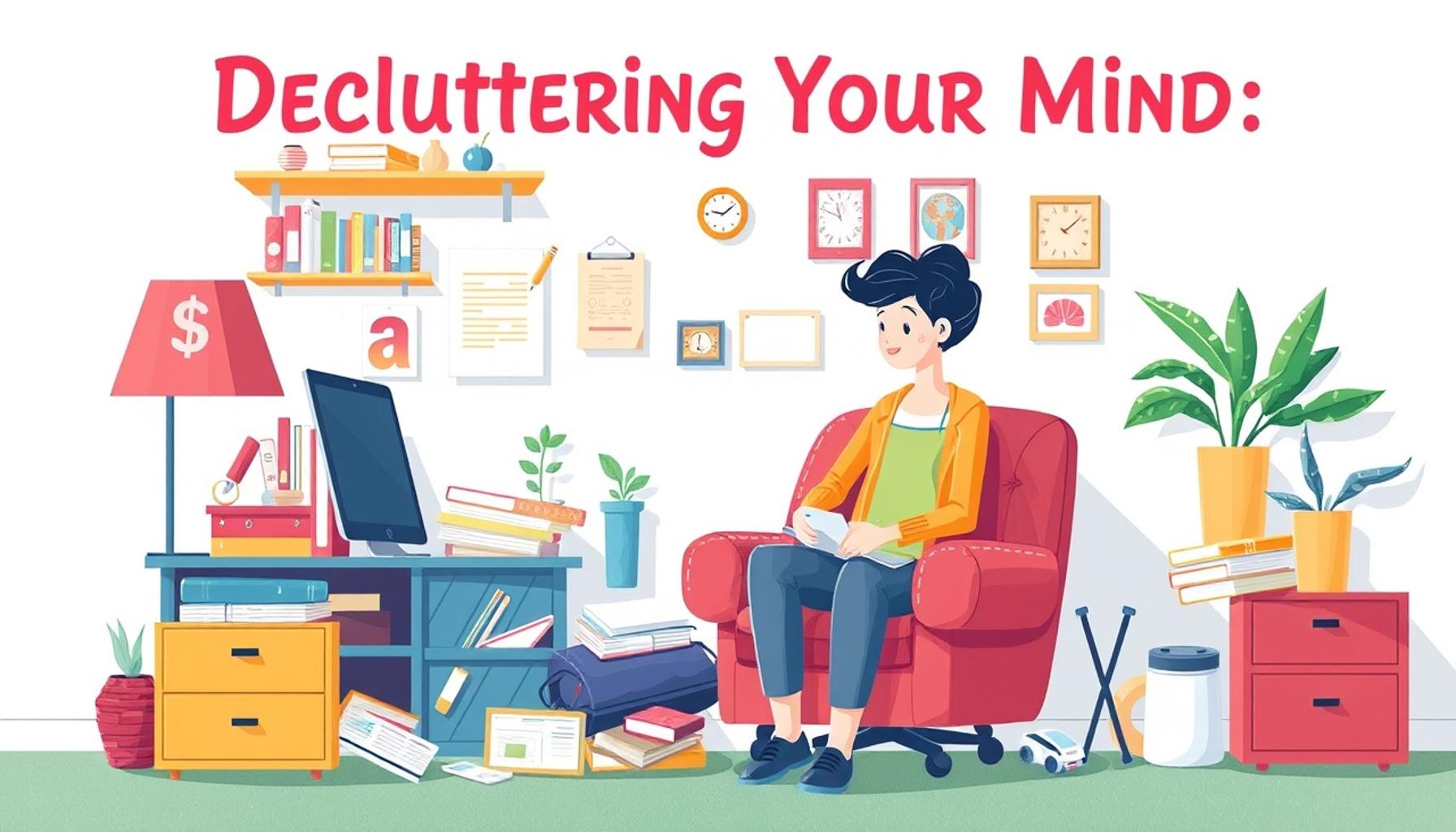
Practical Strategies for Reducing Clutter in Home Environments

The Importance of Addressing Clutter
The modern home is often a sanctuary, a place of comfort, but it can quickly transform into a cluttered maze filled with unnecessary items. Clutter can lead to stress, decreased productivity, and even impact your mental well-being. According to studies, a chaotic environment can spike cortisol levels, causing anxiety and making it harder to focus. This is especially true in fast-paced lifestyles where we are bombarded with distractions. Fortunately, understanding the root causes of clutter is the first step toward reclaiming that much-needed sense of space.
Understanding the Causes of Clutter
There are several reasons why our living spaces become overrun with belongings:
- Accumulated possessions: Over the years, we acquire various items ranging from gifts, inherited possessions, to impulse buys during sales. For instance, how many unused kitchen gadgets have you collected that seemed essential during a fleeting moment, only to be left untouched?
- Lack of organization: Many individuals struggle with finding designated places for everything, leading to an environment where items are stacked and stored haphazardly. An effective organizational system, like utilizing labeled bins or dedicated drawers, can significantly reduce clutter.
- Emotional attachments: A sentimental connection to items may prevent people from letting go, even if they no longer serve a practical purpose. The teddy bear from childhood or a tattered storybook can evoke powerful memories that complicate decluttering efforts.
Tips for Decluttering
If these challenges resonate with you, numerous effective strategies can help restore order to your space. Here is what to consider:
- Practical tips: Start with a small area, like a single drawer, and gradually expand. Implement the “one in, one out” rule, where for every new item brought into the home, an old one must go.
- Step-by-step guide: Tackle each room individually, beginning with the spaces you use most. For example, decluttering the kitchen pantry can lead to more efficient meal prep and ease in finding ingredients.
- Long-term strategies: Adopt a maintenance routine that involves regular reviews of items to prevent new clutter from accumulating. Schedule a monthly decluttering session to keep your home in check.
Embracing a Clutter-Free Life
By embracing these strategies, you not only reclaim your space but also cultivate a peaceful atmosphere that fosters creativity and relaxation. The journey towards a clutter-free home doesn’t just enhance your living environment; it also promotes a clearer mindset and improved overall well-being. Consider this an opportunity to learn and grow. Taking the first step today can lead you to a calmer, more organized home tomorrow.
DISCOVER MORE: Click here for seasonal tips
Effective Ways to Get Started with Decluttering
Beginning the journey of decluttering your home can seem daunting, but understanding how to approach this task makes it significantly more manageable. Setting clear objectives is crucial; aim to create a space that feels organized, calm, and functional. Creating a plan helps you stay focused on achievable goals, making the process feel more like a journey and less like an overwhelming chore.
Adopt a Mindful Approach to Clutter
One of the most impactful strategies in decluttering is to adopt a mindful approach. This means being intentional about what you allow into your home. Here are several ways to cultivate mindfulness regarding your possessions:
- Evaluate Necessity: Before purchasing new items, consider if you genuinely need them or if they will simply add to your clutter. For instance, instead of buying a new pair of shoes for a special occasion, assess your existing collection for alternatives.
- Quality Over Quantity: When making a purchase, focus on acquiring high-quality items that will last rather than trendy items that may be discarded after a few uses. This philosophy fosters a more responsible consumption attitude, leading to lesser accumulation.
- Be Selective with Gifts: While it’s important to appreciate gifts, you can communicate your preferences to friends and family. Consider suggesting experiences or consumables rather than physical objects, allowing for memorable moments without the clutter.
Use the Four-Box Method
The Four-Box Method is a practical strategy that assists in making immediate decisions about your items. You will need four boxes labeled: Keep, Donate, Trash, and Relocate. This method allows for streamlined decision-making:
- Keep: Items you use regularly or that hold substantial emotional value should go in this box.
- Donate: Items in good condition that you no longer need can be given to those who may find them useful.
- Trash: Broken or unusable items should be disposed of, as they contribute to clutter without serving any purpose.
- Relocate: Items that belong in another room should go in this box, helping you return them to their rightful place without causing confusion.
As you sort through your belongings, embrace the idea of letting go. Remember that space is a valuable commodity, and maintaining a clutter-free environment can lead to a sense of accomplishment. By employing these practical strategies, you lay a solid groundwork for a lifestyle that prioritizes organization and calm.
Stepping Into a Clutter-Reduced Home
Moving through the process of decluttering is not merely about throwing things away or donating them; it’s about fostering a more sustainable living environment. With every item removed, you’re making room for the things that truly matter—both physically and mentally. As you continue to take these important steps towards a cleaner, clutter-free life, you will slowly notice a change in not just your home, but also in your mindset.
Practical Strategies for Reducing Clutter in Home Environments
Home environments can easily become cluttered, affecting both your peace of mind and productivity. In this section, we will explore practical strategies to tackle clutter effectively and maintain a serene living space.One effective approach is the one-in, one-out rule. Whenever you bring a new item into your home, commit to removing an existing item. This helps in keeping the total amount of belongings in check and encourages mindful purchasing.Additionally, designating a specific place for every item can significantly reduce clutter. For instance, storing items used everyday within reach, while keeping rarely used belongings in less accessible areas, can streamline your space. Implementing storage solutions such as bins and drawer organizers can also protect spaces from becoming chaotic.Using the KonMari Method encourages decluttering by category rather than location. This method promotes community and social interaction by sharing or donating items that no longer “spark joy” for you, benefiting others in the process.When it comes to paper clutter, establishing a digital filing system can drastically reduce stacks of paperwork around your home. Scanning and storing important documents electronically not only saves physical space but also simplifies finding them when needed.Lastly, routine maintenance cannot be overlooked. Setting aside just 15 minutes a day for organizing can make a world of difference. A quick declutter session can prevent future build-up and keep your environment a relaxing space.Employing these strategies can transform your home into an organized sanctuary, making it more enjoyable and functional with reduced clutter.
| Category | Details |
|---|---|
| One-in, One-out Rule | Maintain balance by removing an item for every new one. |
| KonMari Method | Declutter by category, choosing items that “spark joy”. |
| Routine Maintenance | 15 minutes a day can keep clutter at bay. |
DISCOVER MORE: Click here for mindful shopping tips
Creating Sustainable Habits for a Clutter-Free Home
While the initial steps of decluttering are essential, maintaining a clutter-free environment requires the development of sustainable habits. Over time, these habits become second nature and serve as a defense against future clutter accumulation.
Establish a One-In, One-Out Policy
One effective strategy is the One-In, One-Out Policy. For every new item you bring into your home, commit to removing an existing item. This simple habit not only curbs unnecessary purchases but also encourages a continual evaluation of your possessions:
- Clothing Example: If you buy a new shirt, make a conscious decision to donate or discard an old one. This keeps your wardrobe manageable and prevents overstuffed closets.
- Kitchen Ware: When purchasing a new gadget, like an air fryer, consider letting go of an outdated appliance that you seldom use. This maximizes counter space and maintains a functional kitchen.
Implementing this rule will make you more mindful of your consumption and cultivate a more intentional lifestyle.
Schedule Regular Decluttering Sessions
To maintain a clutter-free space, schedule regular decluttering sessions. Consider setting aside time weekly or monthly to review specific areas of your home. For example:
- Monthly Check: Dedicate one Saturday each month to tackle the living room, garage, or basement. By addressing one area at a time, you make the task less overwhelming.
- Daily Tidying: Implement a rule to spend just 10-15 minutes daily organizing spaces that accumulate clutter quickly, such as entryways or desktops. Quick clean-up sessions can drastically reduce the clutter that builds up over time.
Regularly scheduled decluttering helps prevent the re-emergence of clutter and can be an opportunity for reflection on items that no longer serve a purpose.
Embrace the Capsule Concept
Another innovative approach is to embrace the capsule concept, which focuses on creating a simplified collection of versatile items. This strategy is especially effective in wardrobes and home decor:
- Wardrobe Capsule: Select a limited number of clothing pieces that can be mixed and matched, allowing for numerous outfit options without the confusion of a cluttered closet.
- Home Decor Capsule: Curate a selection of home decor items that resonate with your style yet can be easily swapped or rotated. This practice keeps your space fresh without needing an excess of decor.
The capsule concept promotes creativity and reduces the stress of maintaining a large collection of items. This approach invites focus on quality and function over quantity.
Make Use of Technology
In today’s digital age, technology can play a pivotal role in achieving and maintaining a clutter-free home. Consider utilizing various applications and resources to aid in your decluttering efforts:
- Inventory Apps: Use inventory management apps to catalog your belongings. By digitally tracking items, you can eliminate unnecessary duplicates and keep your collection lean.
- Online Donation Platforms: Leverage digital platforms that facilitate charitable donations, providing a quick and simple way to donate unwanted items to local charities or shelters.
Integrating technology into your decluttering process opens up endless possibilities for efficiency and helps maintain an organized living space.
DISCOVER MORE: Click here to learn about minimalist organization strategies
Conclusion: The Path to a Clutter-Free Home
In summary, achieving and maintaining a clutter-free home is an ongoing journey that requires practical strategies and a shift in mindset. By implementing approaches like the One-In, One-Out Policy, you reinforce the importance of mindful consumption, encouraging a focus on what truly adds value to your life. Scheduling regular decluttering sessions allows you to stay proactive rather than reactive, ensuring that clutter does not have a chance to accumulate. Embracing the capsule concept will simplify your choices and enhance your living space, while leveraging technology offers innovative solutions for tracking and managing your belongings.
Ultimately, the goal is to create a home environment that fosters peace, creativity, and functionality. As you embark on this journey toward simplicity, remember that every small step counts. Celebrate your victories, no matter how minor, and cultivate these habits over time. Rather than focusing solely on what you are removing, think about what you are creating: a sanctuary that reflects your values and supports your lifestyle.
As you continue your decluttering endeavors, consider sharing your experiences with others or seeking out communities that encourage similar practices. The quest for a clutter-free home is not just a personal endeavor; it has the potential to inspire those around you to seek a more organized, intentional lifestyle. With commitment and the right strategies, achieving a harmonious living space is well within your reach.
Related posts:
The Role of Minimalism in Time Management: How Reducing Clutter Can Enhance Productivity
Decluttering Your Mind: The Connection Between a Clear Space and a Clear Mind
The Psychology of Clutter: Understanding the Emotional Roots of Disorder and How to Overcome Them
Digital Minimalism: Strategies to Reduce Clutter on Electronic Devices
Unveiling the Emotional Side of Clutter: How Reducing Disorder Impacts Our Personal Relationships
The Art of Letting Go: Emotional Attachment and the Journey of Clutter Reduction

Beatriz Johnson is a seasoned minimalist and writer with a passion for simplifying the complexities of personal organization and decluttering. With over a decade of experience in the field, she specializes in topics like minimalist living, efficient organization strategies, and creating intentional spaces. Through her work, Beatriz empowers readers to make mindful decisions about their belongings, streamline their lives, and embrace a more organized and fulfilling lifestyle.