The influence of spatial efficiency on creating relaxation and meditation environments in minimalist homes
Creating Serenity Through Space
The modern lifestyle, characterized by its breakneck pace and constant distractions, necessitates dedicated spaces for relaxation and meditation. Amidst this whirlwind, minimalist homes, which prioritize spatial efficiency, emerge as sanctuaries for peace seekers. The way we organize our living spaces can profoundly affect our mental health, promoting wellness and relaxation. By meticulously curating our environments, we can carve out personal oases that cater to our need for calm and clarity.
Why Space Matters
The layout and arrangement of a home play crucial roles in creating an atmosphere that nurtures relaxation. Let’s delve into some vital aspects:
- Clutter Reduction: A cornerstone of minimalism, clutter reduction is essential in helping individuals focus. Studies reveal that excessive clutter can increase stress and decrease productivity. A decluttered environment, on the other hand, fosters concentration and allows for clearer thinking.
- Natural Light: Homes designed with ample windows not only enhance aesthetic appeal but also uplift spirits. According to the American Psychological Association, natural light can significantly reduce feelings of anxiety and depression. Large, strategically placed windows can invite the sun’s warmth, filling the space with positive energy.
- Open Layouts: The popularity of open floor plans is on the rise, promoting seamless transitions between living, dining, and working areas. This design choice facilitates movement and interaction, crucial for maintaining a lively household while still allowing for areas of solitude.
Creating a Meditation Sanctuary
Incorporating designated meditation spaces within a minimalist home enhances its calming nature. Here are several features to consider for your sanctuary:
- Comfortable Seating: Integrate plush cushions or yoga mats to create inviting nooks that encourage relaxation. Flexible seating arrangements that can be adapted based on personal preference enhance comfort, allowing for hours of mindful practice.
- Calming Colors: Color psychology plays a significant role in our emotional responses to different hues. Using soft pastels or muted shades can promote a sense of peace and tranquility. For instance, light blues and greens are well-known for their ability to soothe the mind and reduce stress levels.
- Natural Elements: Introducing potted plants, wooden furnishings, and natural textiles can amplify a space’s organic essence. Biophilic design—a concept that emphasizes the human connection to nature—has been shown to improve mood and overall psychological well-being.
As we explore the impact of spatial efficiency on our homes, we uncover a transformational journey that not only enhances our living conditions but also profoundly enriches our lives. The quest for internal peace begins by intentionally crafting spaces that reflect and nurture our wellness. Embracing these foundational elements can be the first step in establishing a sanctuary that resonates with serenity, ultimately guiding us to a more centered and fulfilled existence.
DISCOVER MORE: Click here to learn how minimalism can clarify your priorities
Understanding Spatial Efficiency in Minimalist Homes
Creating environments that encourage relaxation and meditation in minimalist homes hinges on an essential concept: spatial efficiency. This principle revolves around the effective use of space by maximizing functionality while minimizing distractions. The end goal is to cultivate an atmosphere of peace and tranquility—an oasis amidst the busyness of daily life. By delving into the key components that shape spatial efficiency, we can uncover actionable strategies to transform living spaces into refuges for well-being and mindfulness.
Functional Furniture Arrangement
The arrangement of furniture is one of the cornerstones of achieving spatial efficiency. In minimalist design, the emphasis on functional furniture is crucial. For instance, consider an elegant sectional sofa that not only offers comfortable seating but also features built-in storage compartments. Such pieces minimize clutter and enhance the flow of the room, promoting a serene environment conducive to relaxation. Additionally, an extendable dining table can adapt to gatherings while remaining unintrusive when not in use; this flexibility is essential for maintaining order and a sense of calm.
Moreover, employing the principles of feng shui can further enhance furniture placement. For example, positioning seating to encourage conversation while overlooking natural light can create a more inviting and harmonious space. The arrangement should foster movement and accessibility, ensuring that the space feels open and inviting rather than cramped and chaotic.
Zen Zones: The Art of Designated Areas
Creating designated areas within a minimalist home is vital for cultivating zones that promote meditation and mindfulness. These “Zen zones” are purposefully designed to draw a clear distinction between active living spaces and calming retreats. Integrating elements like a reading nook with a plush chair, soft lighting, and a small bookshelf can define an intimate area intended solely for relaxation. This intentional layout helps eliminate distractions and allows individuals to focus more effectively on peaceful activities.
- Purposeful Layout: Each designated area should have a clear purpose—whether for yoga, meditation, or quiet reading. This eliminates uncertainty in how to utilize the space, enhancing the focus on activities that foster tranquility. A corner with yoga mats and ambient lighting can serve as an ideal practice area.
- Visual Barriers: Employing subtle visual dividers, such as strategically placed houseplants or shelving units, can create boundaries between different spaces without overwhelming the senses. A bamboo plant can serve as a natural, calming divider while contributing to the overall aesthetic.
- Acoustic Considerations: Sound management is another critical aspect of spatial efficiency. Soft furnishings, such as area rugs or heavy curtains, absorb noise, contributing to a quieter environment. Additionally, introducing calming soundscapes—like gentle rain or nature sounds—can further transport residents into a peaceful state of mind.
By embracing the principles of spatial efficiency, individuals can curate environments that genuinely prioritize relaxation and mindfulness. Thoughtful furniture arrangement, purposeful layouts, and strategic use of auditory elements play pivotal roles in crafting serene home atmospheres. As we explore these subtle yet impactful design intricacies, we begin to understand how they transform a modern home into a sanctuary for emotional and mental thriving, fostering a deeper connection with oneself amidst the demands of contemporary life.
The Influence of Spatial Efficiency on Relaxation and Meditation
In the realm of minimalist homes, spatial efficiency plays a crucial role in fostering environments conducive to relaxation and meditation. The design principles of minimalism revolve around the strategic use of space, which allows for a more serene atmosphere. By eliminating clutter and utilizing multifunctional furniture, residents can create a peaceful sanctuary where they can escape from the chaos of daily life.The layout of a minimalist home is often characterized by open floor plans and well-defined zones that promote a sense of harmony and flow. This approach enhances not only physical comfort but also mental clarity, essential for practices like meditation. Natural light becomes a pivotal element in these designs, as it performs a dual function of illuminating the space while also uplifting the mind, creating a calming ambiance that is vital for relaxation.Moreover, the inclusion of natural materials such as wood, stone, and textiles contributes to an organic feel that resonates with the concept of mindfulness. Each element is thoughtfully chosen to evoke tranquility and purpose, shifting focus away from distractions. This ambitious merging of sustainability with aesthetics encourages inhabitants to cultivate a deeper connection with their living spaces.In exploring the connection between spatial efficiency and tranquility, it becomes evident that well-considered environments not only encourage relaxation but can also significantly impact one’s overall well-being. By creating spaces that eliminate confusion and enhance focus, minimalist homes serve as powerful havens for mental rejuvenation. Ultimately, understanding the influence of spatial efficiency within these frameworks sheds light on how intentional design can amplify the benefits of relaxation and meditation in our daily lives. As interest in mindfulness and wellness grows, the architecture of our homes can directly support our journey toward serenity.
DIVE DEEPER: Click here to uncover the secrets of effective time management
Incorporating Natural Elements for Enhanced Serenity
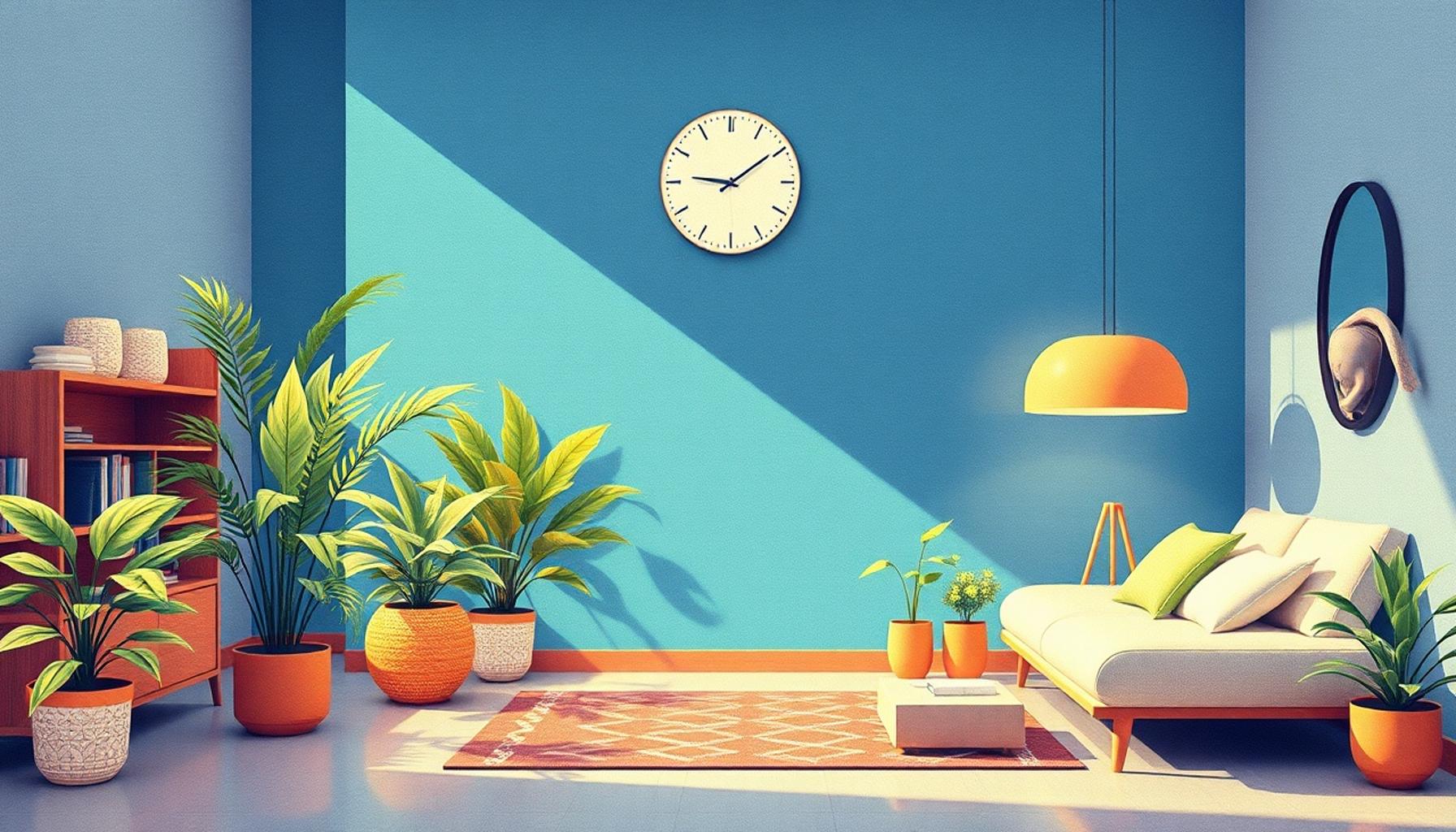
To further bolster the effectiveness of spatial efficiency in promoting relaxation and meditation, integrating natural elements into minimalist homes can create a profound sense of tranquility. Biophilic design, which emphasizes the connection between humans and nature, is an excellent way to foster an uplifting living atmosphere. Incorporating elements such as indoor plants, natural light, and organic materials can not only improve aesthetic appeal but also enhance emotional well-being.
Embracing Indoor Flora
Indoor plants serve multiple purposes that align with the principles of spatial efficiency. They not only contribute to visual appeal but also improve air quality, which can positively affect mental health. Research from NASA has shown that certain plants can remove toxins from the air, ultimately promoting a sense of well-being. Popular choices for minimalist spaces include snake plants, peace lilies, and pothos, as they require minimal maintenance and thrive in various lighting conditions.
Moreover, placing plants in strategically chosen areas, such as near meditation nooks or beside windows, can enhance the sensory experience. The simple act of caring for plants can also provide a grounding effect, reinforcing mindfulness practices. A recent study published in the Journal of Environmental Psychology suggested that spending time in greenery can significantly lower cortisol levels, making it easier for individuals to slip into a state of relaxation and focus.
Leveraging Natural Light
Natural light is a vital component that can drastically influence the ambiance of minimalist homes. By optimizing window placement and utilizing unobtrusive window treatments, designers can encourage an influx of sunlight to illuminate the space throughout the day. Well-lit environments not only promote healthy circadian rhythms but also elevate mood and enhance cognitive functions, making them ideal for meditation and relaxation.
Furthermore, incorporating light-enhancing features, such as mirrors or light-colored walls, can amplify the effect of natural light, keeping spaces feeling airy and spacious. A home office bathed in sunlight, for instance, not only fosters productivity but could also serve as a multifunctional space for quiet reflection during breaks, further realizing the benefits of spatial efficiency.
Natural Materials: A Sensory Approach
Choosing furnishing and décor made from natural materials is another way to harmonize minimalist design with the principles of spatial efficiency. Wood, stone, and organic textiles add tactile and visual warmth to living environments while maintaining simplicity. Examples include a reclaimed wood coffee table or a handwoven jute rug—such elements not only ground the space but also align it more closely with the natural world.
Incorporating these materials can evoke a strong sensory response, which has been linked to increased feelings of calm and relaxation. For example, the tactile quality of a soft cotton throw can enrich a reading nook, making it an inviting space to unwind after a hectic day. Additionally, using clay pottery or handmade ceramic dishes can add a unique touch of artistry while remaining unpretentious and functional.
Ultimately, the careful integration of natural elements into a minimalist home not only enhances spatial efficiency but also fosters generosity in relaxation and meditation environments. By emphasizing indoor plants, optimizing natural light, and utilizing organic materials, homeowners can transform their spaces into harmonious retreats that encourage mental clarity and emotional balance.
DISCOVER MORE: Click here for insights on spatial efficiency
Conclusion: Harmonizing Space for Inner Peace
As demonstrated throughout this exploration of spatial efficiency in minimalist homes, the thoughtful arrangement and utilization of space play a pivotal role in forming environments that are conducive to relaxation and meditation. By strategically incorporating natural elements such as indoor plants, natural light, and organic materials, homeowners can create sanctuaries that not only enhance aesthetic appeal but also promote emotional well-being and mental clarity.
Moreover, embracing biophilic design principles allows residents to develop a profound connection to nature, ultimately minimizing stress and encouraging mindfulness. Evidence suggests that these elements work synergistically, creating spaces that feel open and inviting while simultaneously fostering an atmosphere conducive to serenity and introspection.
In a society increasingly marked by busyness and distraction, the shift toward spatial efficiency in design offers a refreshing perspective. Evaluating our living environments with this approach empowers individuals to reclaim their personal sanctuaries—transforming everyday spaces into retreats for mental rejuvenation. For anyone seeking to cultivate a home that nurtures both relaxation and mindfulness, understanding the influence of spatial efficiency is imperative.
As we move forward, it becomes essential to consider how our spaces reflect our well-being. The journey toward creating a minimalist home should not just be about aesthetics—it’s about embracing a lifestyle that prioritizes peacefulness, introspection, and harmony. Discover your path to enhanced tranquility by exploring the harmonious integration of spatial efficiency in your own living space.