Creating Multi-Functional Spaces: Design Strategies for Efficient Living in a Minimalist Home
Embracing Minimalist Living
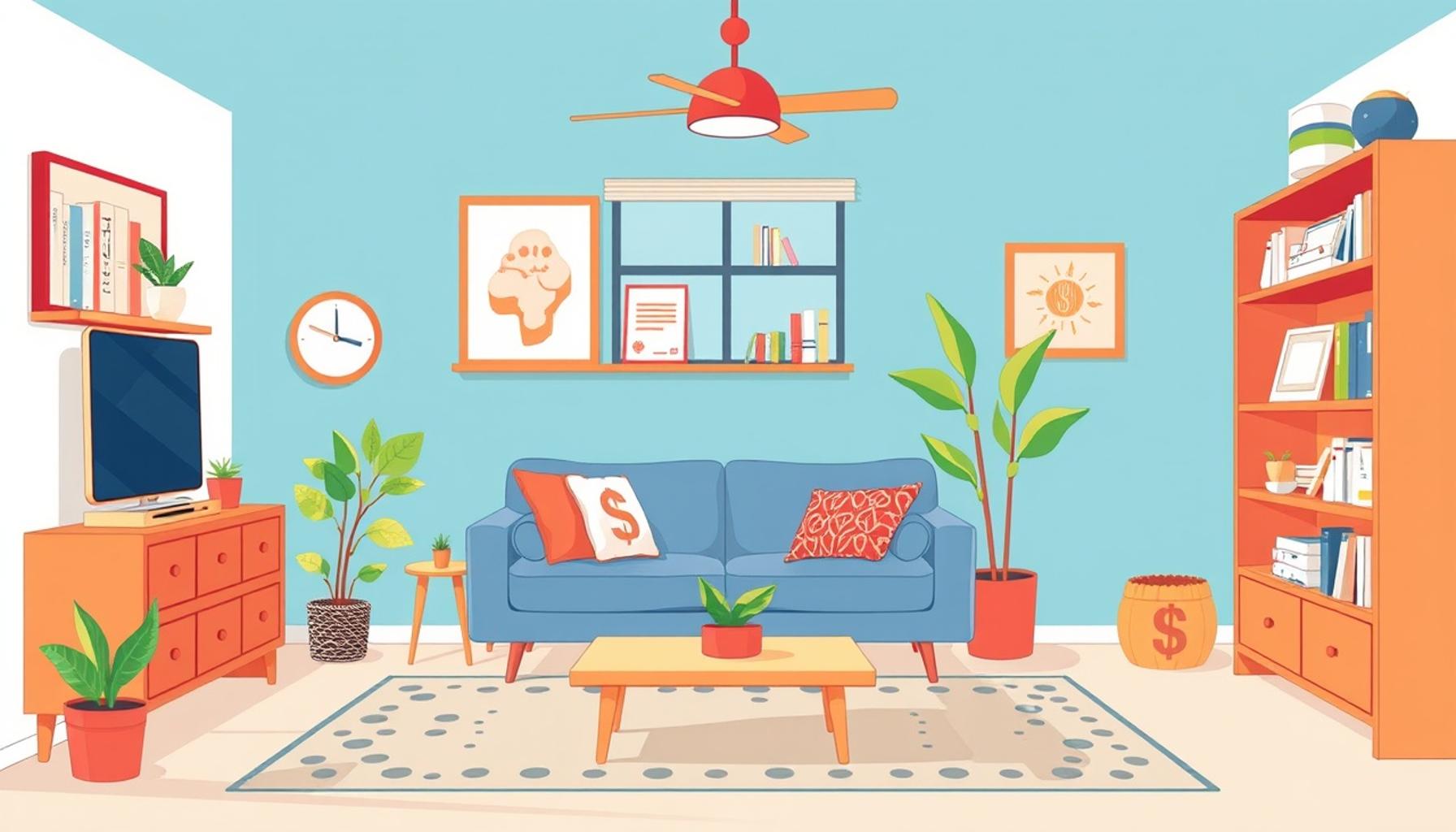
In recent years, the trend of minimalist living has captivated urban dwellers across the United States. As cities become more populated and housing prices continue to rise, many individuals are actively seeking paths to a less cluttered lifestyle. This movement emphasizes intentionality—focusing not just on the quantity of possessions, but the quality and functionality of every item within one’s living space.
At the heart of minimalist living lies the concept of creating multi-functional spaces. This innovative design strategy goes beyond mere aesthetics; it promotes a lifestyle where every square foot serves a purpose, turning homes into efficient sanctuaries. Below are some compelling reasons to consider this approach:
- Space Optimization: Every nook and cranny counts in urban living, especially in places like New York or San Francisco where square footage is a premium. Multi-functional spaces allow residents to effectively utilize their homes without feeling claustrophobic.
- Cost-Effective: Investing in fewer, high-quality pieces of furniture means that individuals can save money over time. For example, instead of purchasing a separate sofa, bed, and working desk, you could invest in a stylish sofa bed or a convertible dining table that caters to various needs, thereby streamlining your expenses.
- Adaptable Environments: Life is dynamic, and having a living space that can easily adjust to accommodate different activities—from working from home to hosting friends—adds value to your home environment. This adaptability is particularly appealing to millennials and Gen Zers who often seek out flexible living arrangements.
To successfully transform a standard room into a dynamic environment, consider the following design strategies:
- Furniture with Dual Purposes: Items such as a sofa bed make it seamlessly easy to transition from a living area to additional sleeping space for guests. Similarly, ottomans with built-in storage can hide away books, blankets, or games, thereby eliminating clutter.
- Smart Storage Solutions: Implementing hidden cabinets and shelving that takes advantage of vertical height can greatly reduce visible mess. For example, California Closets or IKEA offer systems that can maximize dead spaces, turning them into useful storage areas.
- Versatile Layouts: Open floor plans have become increasingly popular, promoting a natural flow and interaction among different areas of your home. A well-designed open space can cater to both relaxation and productivity, creating an inviting atmosphere for both personal and social gatherings.
Regardless of whether you reside in a cozy studio apartment or a sprawling suburban home, embracing a minimalist approach can pave the way for a more organized and peaceful lifestyle. As we delve deeper into these design strategies, you will uncover various effective solutions tailored to your unique living arrangements, helping you foster a home that not only meets your needs but inspires tranquility and creativity.
DISCOVER MORE: Click here to learn how to disconnect to connect with the essential
Transforming Spaces with Intent
When it comes to creating a multi-functional space, the essence lies in the interplay between design and functionality. Minimalist homes thrive on the idea that every element should have multiple uses. This allows residents to declutter their living environments while maintaining a style that is both chic and practical. Here are some fundamental strategies to consider when designing your own efficient and versatile home:
1. Choosing the Right Furniture
Your furniture plays a pivotal role in the transformation of your living spaces. The right pieces can enhance functionality while adding to the aesthetic appeal of your home. Consider investing in furniture that serves more than one purpose:
- Convertible Sofa Beds: Perfect for small apartments, these dual-purpose pieces function as both a comfortable sofa and a bed, accommodating overnight guests without the need for dedicated guest rooms.
- Drop-leaf Tables: Ideal for dining areas or workspace, drop-leaf tables can expand for meals or fold down when extra space is required, seamlessly adapting to your daily needs.
- Storage Ottomans: These versatile additions provide both seating and storage solutions, making them a functional item for living rooms and bedrooms alike.
2. Innovative Use of Vertical Space
In homes where floor space is at a premium, maximizing vertical areas becomes essential. Here are some ways to effectively utilize walls:
- Wall-mounted Shelving: Custom shelving can offer a seamless way to display decor while providing ample storage for books and other items, elevating clutter from surfaces.
- Multi-level Hooks: Install hooks or pegboards in entryways and kitchens for hanging items such as bags, hats, or kitchen utensils. This keeps essentials accessible while maintaining an organized appearance.
- Corner Units: Corner shelving units can utilize often-overlooked spaces and help organize everything from plants to kitchen appliances, ensuring that no area in your home goes to waste.
3. Flexible and Open Layouts
The design of your home’s layout can make a significant difference in how space is perceived and used. Embracing open floor plans can usher in a sense of flow and connectivity:
- Defined Zones: Use rugs, furniture, or strategic lighting to create distinct zones within a shared space. This technique allows you to delineate areas for various activities, such as relaxing, dining, or working, while maintaining an open and airy feeling.
- Movable Partitions: Consider temporary or movable partitions for larger spaces. These can be used to separate areas when needed and reconfigured based on the activity or social event, adding a dynamic element to your home.
By integrating these design strategies into your minimalist home, you pave the way for a lifestyle characterized by efficiency and peace of mind. The beauty of multi-functional spaces is that they support a variety of activities while soothing the chaos that often accompanies modern living. As we explore additional methods to enhance your minimalist environment, you will discover further ways to create harmony and functionality in your daily routines.
Design Strategies for Multi-Functional Spaces
Creating multi-functional spaces in a minimalist home involves innovative design strategies that maximize utility while maintaining an aesthetic appeal. One of the foremost approaches is the use of flexible furniture. These pieces can serve multiple purposes; for example, a dining table that doubles as a workspace or a bed with built-in storage drawers. This versatility not only conserves space but also fosters a seamless transition from one activity to another, allowing homeowners to fully integrate their daily lives into a single cohesive environment.Another effective strategy is the incorporation of modular design elements. Modular furniture can be reconfigured and rearranged based on the varying needs of occupants. This flexibility empowers individuals to adapt their living areas as circumstances change, whether it’s for a family gathering or a quiet evening alone. Additionally, using vertical space through shelves and multi-layered storage solutions also enhances practicality without cluttering the floor area.Lighting plays a crucial role in transforming multi-functional spaces. Utilizing task, ambient, and accent lighting not only enhances the functionality of each area but also creates a sense of spaciousness. Proper lighting can delineate zones within a single room, making it easier for individuals to focus on specific tasks while preserving an airy atmosphere.Furthermore, color schemes and materials contribute significantly to a minimalist feel. By choosing a neutral palette with occasional vibrant accents, homeowners can evoke a feeling of openness and tranquility. It also allows for easier integration of different functional areas, enhancing overall cohesion in design.Integrating these strategies fosters an efficient living environment, promoting a lifestyle that underscores simplicity and purpose. As minimalism gains traction, learning to create adaptable, multi-functional spaces is essential for modern living, providing an enriching experience devoid of unnecessary distractions.
| Design Strategy | Benefits |
|---|---|
| Flexible Furniture | Saves space and allows seamless transition between activities. |
| Modular Design | Enables reconfiguration and adapts to varying needs. |
| Proper Lighting | Enhances functionality and creates an airy atmosphere. |
| Cohesive Color Scheme | Promotes a sense of tranquility and integration. |
DISCOVER MORE: Click here to dive deeper
Incorporating Multi-Functional Decor
Creating multi-functional spaces extends beyond furniture and layout; decor can also play a crucial role in elevating both functionality and aesthetics within your minimalist home. Here are some innovative decor ideas to instantly enhance the utility of your spaces:
1. Dual-Purpose Decor Items
Emphasizing decor that serves multiple purposes is a smart way to maximize efficiency. Consider including:
- Art and Storage: Wall art items that also function as hidden storage; for example, decorative boxes or canvases that double as shelves. These clever designs allow you to display your style while hiding clutter discreetly.
- Light Fixtures with Storage: Select lighting options that have built-in shelves or hooks. This not only illuminates the room but offers extra space for decor or practical items like keys and mail.
- Textiles that Transform: Use curtains or fabric dividers that can be pulled to create a separate space for activities like yoga or work, facilitating the transition between different functionalities within a single room.
2. Multi-Functional Home Office Integration
With remote work becoming increasingly popular, integrating a home office into your living space is vital. Here’s how to do it effectively:
- Desk with Built-in Shelving: Choose desks that have overhead shelves or storage compartments to curate your work essentials without consuming additional space.
- Fold-down Desks: These can be mounted on walls and tucked away when not in use, offering an elegant solution for those who may not have the luxury of dedicating an entire room to work.
- Ergonomic Seating: Invest in a comfortable chair that can transition from work to lounging; modern designs often offer stylish options that fit seamlessly within your decor.
3. Embracing Nature with Multi-Functional Greenery
Bringing nature indoors can infuse your minimalist home with life, providing not only beauty but also functionality:
- Vertical Gardens: Utilizing vertical planters enables you to create a green wall that serves as both decor and effective air purifying, enhancing both health and aesthetics.
- Herb Walls: Transform your kitchen into a multifunctional space by planting herbs like basil and mint. These plants can serve as fresh ingredients for cooking while adding natural beauty to your workspace.
- Plant Stands that Double as Room Dividers: Use tiered plant stands to separate areas while bringing a piece of nature into your home. This not only enhances privacy but also adds to the visual appeal.
By integrating these multi-functional decor elements into your minimalist home, you not only optimize your space but also create a harmonious environment that boasts both style and practicality. As we delve deeper into maximizing efficiency in minimalist living, you will uncover further insights and strategies to create an inspiring and versatile environment.
DIVE DEEPER: Click here to uncover the impact of minimalism on your mind
Conclusion: The Future of Efficient Living
In an era where space is often at a premium, creating multi-functional spaces has emerged as a pivotal strategy for efficient living in a minimalist home. By thoughtfully integrating dual-purpose furniture and incorporating innovative decor, homeowners can craft environments that are not only visually appealing but also remarkably functional. The key lies in the deliberate choice of elements that serve multiple roles, enhancing both comfort and utility.
As we navigate the demands of modern life, the merging of living, working, and recreational areas presents an exciting opportunity to redefine our spaces. The creative use of vertical gardens and transformable textiles creates dynamic environments that adapt to our changing needs, while solutions like fold-down desks and ergonomic seating ensure that productivity blends seamlessly with relaxation.
Moreover, as society continues to shift towards remote working and multi-tasking lifestyles, the integration of home offices into our living spaces will only become more crucial. This trend encourages the exploration of smart design choices that prioritize efficiency without sacrificing style. By adopting these strategies, individuals can cultivate homes that are not just places to reside but thoughtful ecosystems that foster balance and inspiration.
Ultimately, designing multi-functional spaces is not merely a trend; it is a reflection of our evolving understanding of how to live well in limited spaces. As you embark on your journey of creating a minimalist home, let these strategies guide you in maximizing your space, enhancing your lifestyle, and embracing the future of efficient living.