The relationship between spatial efficiency and mental well-being in minimalist environments
The Influence of Our Surroundings on Mental Well-Being
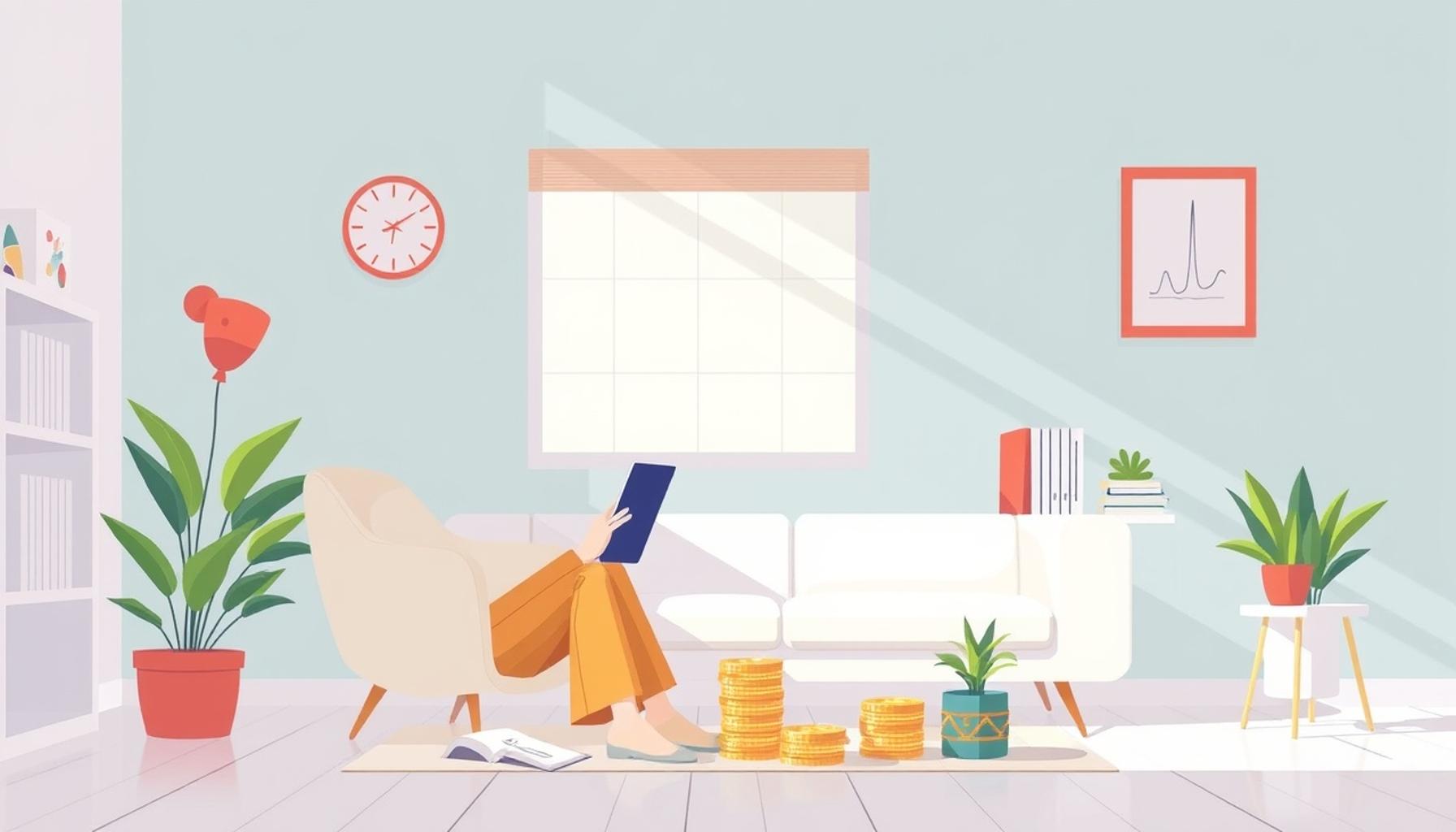
The design of our surroundings significantly influences our mental health. This connection becomes even clearer in minimalist environments, where simplicity reigns. Minimalism, characterized by a focus on essential elements and the exclusion of excess, creates spaces that can enhance emotional and psychological well-being. When exploring the relationship between spatial efficiency and mental well-being, we can uncover fascinating insights that shed light on how our environments impact our state of mind.
- Minimalist spaces often lead to reduced stress levels. The absence of clutter can create a sense of order and tranquility, helping individuals feel less overwhelmed. The brain does not have to work as hard to process information in a simpler space, leading to lower anxiety levels.
- Clutter-free areas enhance focus and productivity. A research study by the Princeton University Neuroscience Institute found that visual clutter can significantly decrease our ability to concentrate. In a minimalist setting, distractions are minimal, allowing for greater focus on tasks and enhanced productivity, whether at work or home.
- A harmonious layout promotes a sense of calm. The intentional arrangement of furniture and decor in a minimalist space supports not just aesthetic appeal but also emotional balance. For instance, using natural light and neutral colors can evoke feelings of serenity, aiding relaxation and mental clarity.
Research suggests that the fewer distractions in an environment, the better our mental clarity. A study published in the Journal of Environmental Psychology indicated that individuals in minimalist settings report higher levels of overall contentment. Such findings prompt reflection on how we can integrate minimalist principles into our everyday lives.
- What are the key features of spatial efficiency? Essential features include open layouts, a limited color palette, and strategically selected furnishings that serve both functionality and style.
- How does the arrangement of space affect emotional well-being? Thoughtful spatial arrangement can enhance our mood by encouraging social interactions and prioritizing relaxation spaces like meditation corners.
- Can a minimalist lifestyle contribute to a more fulfilling life? Adopting a minimalist lifestyle can lead to a sense of liberation from material possessions, making room for experiences and meaningful connections.
As society increasingly embraces the concept of minimalism, it becomes crucial to understand its potential benefits. From co-working spaces designed with minimalism in mind to homes stripped of unnecessary items, the implications are far-reaching. This inquiry not only sparks curiosity but also encourages deeper exploration into how we can shape environments that nurture our mental health. The journey into the relationship between spatial efficiency and mental well-being offers a compelling path worth pursuing.
DISCOVER MORE: Click here to learn about spatial efficiency
Understanding Spatial Efficiency in Minimalist Design
To fully grasp the connection between spatial efficiency and mental well-being in minimalist environments, it is essential to first define what spatial efficiency embodies. At its core, spatial efficiency refers to the optimal use of space to enhance functionality and aesthetics. In minimalist design, this translates to intentional layouts, streamlined decor, and a purposeful selection of furnishings. By maximizing utility while minimizing excess, these spaces can significantly contribute to our overall emotional state.
Key Elements of Spatial Efficiency
In the pursuit of spatial efficiency, several key elements stand out that are prevalent in various minimalist designs:
- Open Layouts: Minimalist spaces typically embrace open floor plans that promote fluidity and movement. This design choice encourages natural light flow and reduces feelings of confinement, making the occupants feel freer and less constrained.
- Limited Color Palette: A subdued color scheme is a hallmark of minimalism. Colors such as whites, grays, and soft earth tones create a serene atmosphere that can evoke calmness and reduce mental fatigue, allowing for a more positive emotional response.
- Functional Furnishings: Every piece of furniture in a minimalist environment generally serves multiple purposes. Furniture that is both practical and aesthetically pleasing minimizes clutter, ensuring that each item has a rightful place and contributes to the overall harmony of the space.
The thoughtful arrangement of these elements can profoundly impact a person’s mental well-being. For instance, environments that incorporate natural light and greenery have been shown to improve mood and reduce stress. A study published in the Journal of Environmental Psychology shows that individuals residing in uncluttered, well-organized spaces experience greater emotional resilience and lower levels of anxiety compared to those surrounded by chaotic environments.
The Role of Clutter in Mental Health
Clutter, both physical and visual, has a detrimental effect on cognitive function and emotional well-being. The research from the Princeton University Neuroscience Institute highlights that environments laden with clutter can overwhelm the brain’s ability to process information. In minimalist spaces, the absence of such distractions allows for greater focus and mental clarity, which can lead to increased productivity and improved mood.
Furthermore, the arrangement of spaces within a minimalist environment can significantly influence social interactions and personal relaxation. Thoughtful zoning, including designated areas for work, relaxation, and socialization, fosters a sense of balance and encourages individuals to thrive emotionally. The act of being intentional about where we spend our time can influence our well-being, creating zones that invite interaction with family or offer solitude for contemplation.
As we dive deeper into the relationship between spatial efficiency and mental well-being, we uncover the implications of these carefully curated environments. Embracing minimalism could pave the way to not only aesthetic satisfaction but also profound psychological benefits. With the growing trend toward minimalistic living, understanding these dynamics has never been more critical.
| Advantages of Minimalism | Impact on Mental Well-being |
|---|---|
| Enhanced Focus | Minimized distractions lead to improved concentration and task performance. |
| Stress Reduction | Fewer possessions contribute to a more peaceful environment, decreasing anxiety levels. |
| Easier Maintenance | Less clutter results in simplified cleaning routines, providing more time for relaxation. |
| Increased Sustainability | Minimalist designs often promote the use of sustainable materials, fostering a connection with nature. |
The advantages of minimalism extend beyond mere aesthetics; they profoundly influence our mental well-being. For instance, enhanced focus in minimalist environments fosters productivity by reducing distractions, which is crucial in a fast-paced world. Research indicates that such environments lead to improved task performance, allowing individuals to engage more deeply with their work or hobbies.Moreover, stress reduction emerges as a pivotal benefit of minimalist living. A decluttered space correlates with lower anxiety levels, creating a silent sanctuary that promotes inner peace. Individuals often find themselves more at ease, allowing for mental clarity that can significantly boost emotional health.Furthermore, the ease of maintenance that comes with fewer possessions translates into a lifestyle that grants more time for leisure and relaxation. The manipulation of space can shape how we feel and interact with our surroundings. When cleaning and organizing become less daunting tasks, one can allocate their energy to more fulfilling endeavors.Lastly, adopting minimalist principles can lead to a significant shift towards sustainability. This practice not only enhances physical spaces but also nurtures a deep-seated connection to nature, promoting a sense of ecological responsibility and well-being. Such benefits highlight the intricate relationship between spatial efficiency and mental health, urging us to discover more about minimalist environments.
DISCOVER MORE: Click here to dive deeper
The Psychological Benefits of Minimalist Spaces
Beyond the tangible aspects of spatial efficiency, the psychological advantages of residing in minimalist environments emerge as a compelling area of exploration. As society becomes increasingly aware of mental health issues, minimalism offers not just a design perspective, but a holistic approach to emotional wellness. By cultivating environments that evoke tranquility and focus, minimalist design can pave the way for improved mental clarity and emotional resilience.
Mindfulness and Intentional Living
At the core of minimalist philosophy is the concept of mindfulness — an intentional approach to living that emphasizes presence and awareness in our surroundings. In minimalist spaces, the reduction of material distractions fosters an atmosphere where individuals can engage more deeply with their thoughts and surroundings. This heightened state of awareness encourages us to appreciate what we have and prioritize our emotional needs.
Numerous studies show that practicing mindfulness can lead to decreased anxiety and increased feelings of happiness. For example, research conducted at the University of California revealed that individuals who engaged in mindfulness practices in decluttered environments reported higher levels of satisfaction and lower stress levels. The simplicity of minimalist design complements this mindfulness approach by providing an unadulterated backdrop that enhances focus, reduces sensory overload, and cultivates a greater connection to the present moment.
The Connection to Nature
Incorporating natural elements into minimalist spaces not only enhances visual appeal but also plays a crucial role in promoting mental well-being. Biophilic design, which embraces the connection between humans and nature, can drastically influence mood and mental health. According to a study published in the journal *Environmental Science & Technology*, exposure to natural elements, such as sunlight and greenery, can significantly decrease stress and boost cognitive function.
In minimalist environments, large windows that allow natural light to flood the space or indoor plants that welcome the outdoors inside can create an uplifting ambiance conducive to mental clarity. Engaging with nature within these spaces has been shown to reduce symptoms of anxiety and depression while greatly enhancing overall happiness. The intentional incorporation of such elements aligns with the fundamental tenets of spatial efficiency, merging functionality with emotional well-being.
Decluttering and Emotional Freedom
It is essential to recognize that the act of decluttering extends beyond physical space; it also signifies an emotional liberation. Research from the University of Minnesota emphasizes that individuals who regularly engage in organizing their surroundings tend to report heightened levels of happiness and decreased feelings of stress. The tangible action of clearing out unnecessary items provides a sense of control and accomplishment, which can translate into other areas of life.
Furthermore, the process of creating a minimalist environment often forces individuals to reflect on their core values and priorities. By choosing to surround themselves with only the items that evoke joy or serve a functional purpose, individuals can cultivate a deeper understanding of themselves. This journey toward minimalism can be a path to not only a serene living space but also greater emotional awareness and fulfillment.
The interdependence between spatial efficiency and mental well-being within minimalist environments emerges as a rich field of inquiry. The growing body of evidence continues to reveal how such deliberately curated spaces can influence our emotional states, leading to insights that have the potential to reshape our understanding of holistic living.
DIVE DEEPER: Click here to discover the benefits of minimalism
Conclusion: The Transformative Power of Minimalism
In summary, the exploration of spatial efficiency and its profound impact on mental well-being in minimalist environments reveals an intriguing intersection of design and psychology. With the world around us increasingly cluttered, adopting a minimalist approach encourages a return to simplicity that not only optimizes space but also nurtures our emotional health. By eliminating the distractions of excess and fostering a mindful existence, individuals can cultivate deeper connections with their surroundings and themselves.
Furthermore, the incorporation of natural elements enhances this synergy, bridging the gap between our built environment and the natural world. In a time when mental health challenges are on the rise, prioritizing biophilic design within minimalist spaces serves as a powerful antidote to stress and anxiety. As research continues to support the notion that clarity in our physical spaces can lead to clarity in our mental states, it becomes increasingly evident that minimalist design is not merely an aesthetic choice but a pathway to enriched emotional resilience.
As we navigate the complexities of modern living, embracing minimalism can provide an essential framework for intentional living. By consciously curating our environments, we can foster greater mindfulness, emotional freedom, and a renewed sense of purpose. Therefore, the relationship between spatial efficiency and mental well-being in minimalist environments warrants further examination, as it holds the potential to transform the way we approach our lives, ultimately leading to improved quality of life for many.