Incorporating Minimalist Philosophy into Outdoor Spaces: Efficient Gardening and Patio Design
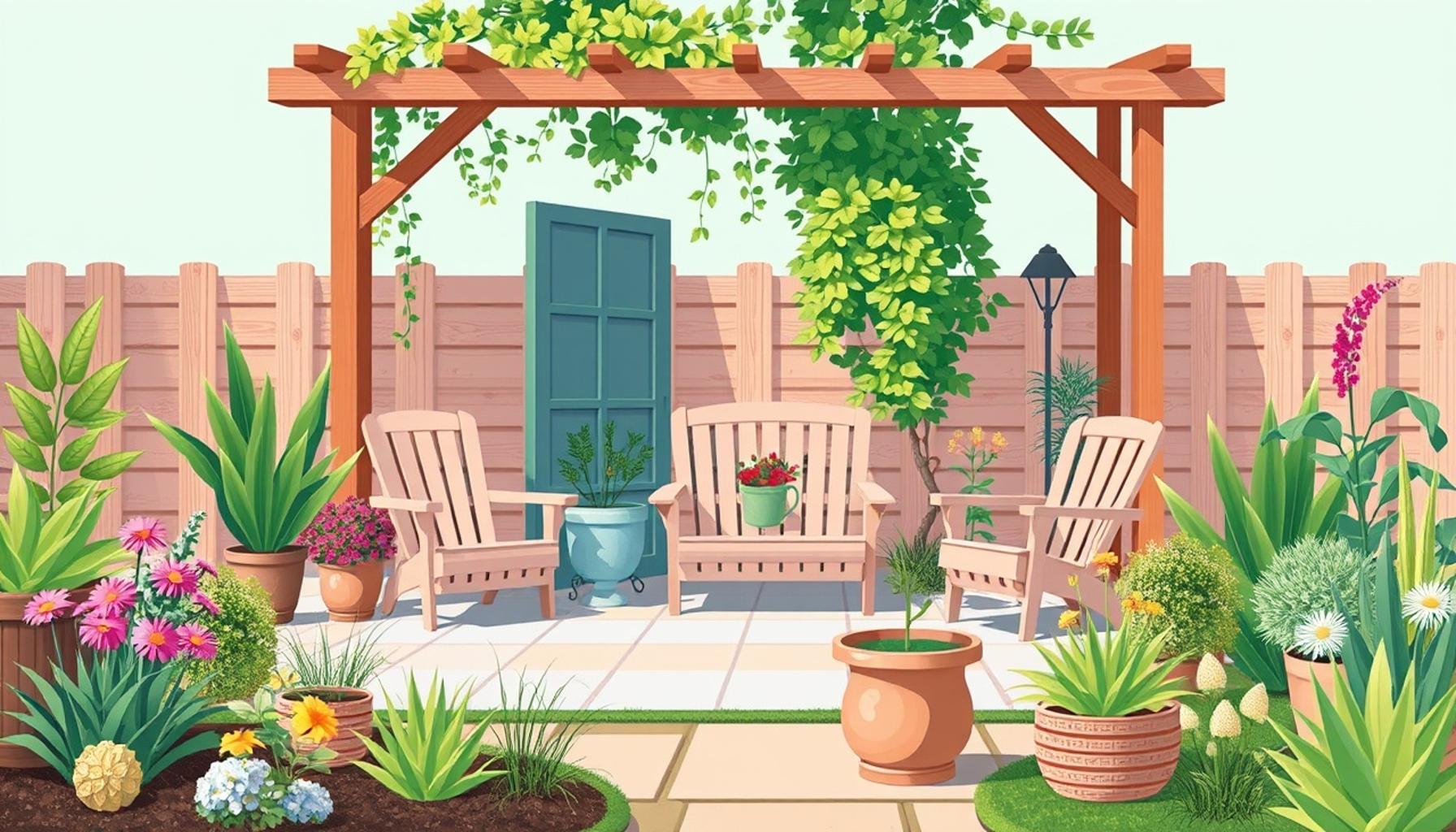
Exploring Minimalism in Outdoor Spaces
As we navigate an era increasingly characterized by consumerism and distraction, the minimalist philosophy presents a powerful antidote: simplicity. In the realm of outdoor design, this approach is gaining traction, encouraging homeowners to strip away the excess and focus on the essentials that foster serenity and functionality in their gardens and patios.
Embracing the principles of minimalism in your gardening and patio design does more than enhance aesthetic appeal; it promotes mental clarity and peace. This transformation can lead to a refreshing retreat from the hustle and bustle of everyday life. Below are some essential features that embody minimalist outdoor design:
- Clean Lines: One of the hallmarks of minimalist design is the emphasis on geometric shapes. Consider incorporating furniture with straight edges and defined shapes, such as square tables and angular benches. Paths made from uniform pavers or stones can create a strikingly simple and organized layout that invites relaxation.
- Neutral Colors: A calming color palette is vital to achieving a minimalist vibe. Whites, grays, and earth tones not only create a harmonious look but also evoke a natural landscape that complements outdoor living. Think about painting fences and furniture in soft hues or integrating natural materials like wood and stone into your design to maintain a seamless connection with nature.
- Functional Plants: When selecting plants for your outdoor space, go for low-maintenance options that thrive in your climate. Striking plants like succulents or ornamental grasses can add visual interest without demanding excessive upkeep. For instance, the native ornamental grass ‘Little Bluestem’ not only adds texture but also attracts local wildlife while requiring minimal water and care.
By integrating these minimalist features, you can transform your backyard or garden into an inviting sanctuary that encourages relaxation and contemplation. The demand for minimalist outdoor design is particularly relevant in urban areas, where space is at a premium and a clutter-free environment is paramount for mental well-being. The simplicity of such designs can also significantly enhance your home’s value while providing you with a serene space to unwind.
Whether you are looking to redesign your existing outdoor area or building one from scratch, these minimalist principles can greatly improve the efficiency and enjoyment of your gardening experience. As you begin this journey towards a more serene outdoor space, consider how simplicity can not only enhance the aesthetics but also serve as a lifestyle choice that promotes a deeper connection with nature.
Ultimately, minimalism encourages us to cherish what we have and eliminate distractions, allowing us to engage more fully with our environment. Explore these design strategies further, and discover how they can redefine your outdoor sanctuary into a peaceful haven tailored to your lifestyle.
DON’T MISS: Click here to discover the impact of spatial efficiency
Creating an Efficient Outdoor Space
Incorporating minimalist philosophy into your outdoor spaces hinges on the concept of efficiency. By carefully selecting design elements and plants that resonate with the minimalist ethos, homeowners can create a functional and harmonious gardening and patio environment. This focus on efficiency not only simplifies maintenance but also enhances the connection with nature, allowing for deeper enjoyment of the outdoor experience.
Smart Design Choices for Patios
When it comes to patio design, minimalism favors smart functionality over excessive ornamentation. Here are some strategic design elements to consider:
- Multi-purpose Furniture: Instead of cluttering your patio with various separate pieces, opt for multifunctional furniture. A bench with built-in storage or a coffee table that doubles as an ottoman can save space while maintaining clean lines and aesthetic appeal.
- Defined Areas: Use furniture or plant arrangements to create clear zones for cooking, dining, or relaxing. This delineation helps maintain an organized flow while allowing you to adapt the space for different activities, effectively enhancing its utility without cluttering the area.
- Minimal Decor: Rather than using an abundance of decorative items, select a few impactful pieces that can serve as focal points. A large outdoor sculpture or a neatly arranged set of lanterns can make a strong statement without overwhelming the senses.
Choosing the Right Plants
Your choice of plants plays an integral role in achieving a minimalist garden. A minimalist garden focuses on low-maintenance, resilient plant selections that complement the surrounding environment while showcasing natural beauty. Here are important considerations:
- Native Plants: Incorporating native plants into your garden not only embraces the minimalist philosophy of harmony with nature, but also reduces the need for water and fertilizer. For example, the tough and stunning ‘Purple Coneflower’ thrives in a range of conditions and attracts pollinators, making it a practical and beautiful choice.
- Succulents and Cacti: These hardy plants require minimal watering, making them ideal for the time-strapped gardener. Their architectural shapes add visual interest without taxing your schedule with high upkeep. Consider planting them in clean, angular pots to enhance their impact.
- Herb Gardens: Not only do herbs contribute functionality to your cooking, but they can also beautify your space with their lush greenery. A small herb garden, perhaps in a vertical planter for efficiency, can reflect the minimalist mantra of providing utility while maintaining simplicity.
By carefully considering how to utilize space and selecting the right plants, you can create an outdoor environment that embodies the elegance of minimalism. This approach not only helps in maintaining cleanliness and organization but also encourages a deeper appreciation of nature’s beauty. As you continue to explore these design strategies, remember that the goal is to create a space that genuinely resonates with your lifestyle and promotes tranquility, ultimately enhancing your outdoor experience.
Certainly! Below is the second part of the body for the topic “Incorporating Minimalist Philosophy into Outdoor Spaces: Efficient Gardening and Patio Design.” —
Integrating Functionality with Aesthetics
When it comes to minimalist gardening and patio design, functionality stands as a cornerstone. The focus is on creating a space that serves a purpose without excess. Efficient gardening utilizes vertical space and container gardening techniques, allowing you to maximize yield with minimal footprint. This approach not only conserves space but also ensures that you can manage and maintain your garden with ease. Consider using raised beds or wall planters that add a layer of depth while still adhering to minimalist principles. Moreover, the patio spaces should mirror this ethos. A clean, uncluttered patio invites relaxation and fosters social interaction. Using natural materials like wood and stone can enhance the aesthetic while ensuring longevity. The key is to limit the number of items in the space—fewer chairs and tables mean more room to breathe and enjoy the outdoors. Instead of multiple decorations, opt for a statement piece such as a striking sculpture or a fire pit, integrating art into nature.
The Role of Color and Texture
Incorporating a minimalist philosophy also extends to the use of color and texture. A subdued color palette, consisting of earthy tones such as greens, browns, and grays, can promote a sense of calm and harmony within outdoor spaces. Choosing a limited range of colors prevents visual chaos and establishes a cohesive look throughout the garden and patio. Texture plays a crucial role as well; combining various materials such as smooth stones, rough wood, and soft fabrics can create an inviting atmosphere without overwhelming the senses. When selecting plants, consider those with interesting textures or architectural shapes, which can serve as focal points in the minimalist garden.By prioritizing the essential aspects of both gardening and patio design, you can create an efficient, functional, and aesthetically pleasing outdoor space that embodies the core values of the minimalist philosophy. —Now, here’s the table to further enhance your article:
| Category | Advantages |
|---|---|
| Efficient Gardening Techniques | Maximizes space, simplifies maintenance, and enhances yield. |
| Minimalist Patio Design | Encourages relaxation with a clutter-free environment while promoting social interaction. |
Feel free to incorporate this text and table into your article to create an engaging experience for your readers.
DIVE DEEPER: Click here to discover the emotional roots of clutter
Enhancing Outdoor Experience Through Minimalism
When embracing a minimalist philosophy in outdoor spaces, it’s vital to consider how these concepts enhance not only aesthetics but also the overall outdoor experience. By fostering environments that prioritize simplicity and tranquility, homeowners can cultivate spaces that are both inviting and efficient. This leads us to reimagine our relationship with gardens and patios, where each element serves a purpose and contributes to the serenity of the surroundings.
Your Outdoor Kitchen: A Minimalist Approach
The trend of outdoor kitchens has gained traction in recent years, and integrating a minimalist approach can significantly elevate functionality without cluttering your environment. Here are several ways to create a streamlined outdoor kitchen:
- Compact Appliances: Invest in space-saving appliances that combine the functions of multiple tools. Griddles that allow you to grill and serve together mean fewer items to manage, while smaller, built-in grills promote a clean, cohesive look.
- Integration of Natural Elements: Opt for materials like stone or hardwood that blend seamlessly with natural surroundings. An outdoor kitchen constructed from these materials not only looks sophisticated but also minimizes the need for synthetic finishes that clash with the minimalist aesthetic.
- Outdoor Storage Solutions: To maintain an organized space, consider built-in cabinetry or shelving that keeps cooking utensils and equipment tucked away yet easily accessible. This thoughtful combination ensures a tidy atmosphere without compromising on the joyful experience of cooking outdoors.
Water Features: Serenity in Simplicity
When crafting a minimalist outdoor retreat, adding water features can create a serene backdrop without overwhelming the senses. Here are some considerations:
- Sleek Designs: A modern water wall or a small, geometric pond could significantly reduce noise pollution while acting as a soothing focal point. The sound of running water inherently promotes tranquility, reinforcing the calming aspect of minimalism.
- Placement: Position your water feature strategically to enhance elements of your space, such as views from your patio or garden seating. Thoughtful placement allows the feature to double as a beautiful visual element while enriching the ambiance.
- Low Maintenance: Choose designs with circulation systems to minimize upkeep and encourage ecosystem balance. A minimalist water feature that aligns with local wildlife needs fosters a more profound appreciation of nature while simplifying your outdoor maintenance routine.
Outdoor Lighting: The Art of Subtle Ambiance
Lighting is a crucial aspect that can transform outdoor spaces even further into minimalist havens. Focusing on subtle outdoor lighting can enhance these environments:
- Strategic Placement: Use a limited number of fixtures placed to highlight specific areas, such as pathways or seating zones. The trick lies in achieving an inviting atmosphere without over-illumination, fostering natural nighttime beauty.
- Solar-Powered Lights: Consider eco-friendly options like solar lights that provide positioning flexibility. They require no wiring and can be arranged uniquely, providing serenity and sustainability, which aligns splendidly with minimalist values.
- Consistency in Design: For a cohesive look, choose lighting options that reflect the materials used throughout your space. This harmonization reinforces the minimalist philosophy of simplicity and function.
By embracing minimalist principles in outdoor kitchens, water features, and lighting, homeowners can cultivate outdoor spaces that offer both practicality and peace, allowing for optimal enjoyment of nature. Each component, carefully selected and thoughtfully integrated, creates a harmonious synergy, embodying the minimalist ideal of functional beauty in one’s environment.
DISCOVER MORE: Click here to dive deeper into decluttering strategies
Conclusion: Embracing Minimalism for Timeless Outdoor Spaces
Incorporating minimalist philosophy into outdoor spaces is a transformative approach that encourages homeowners to simplify their environments while enhancing functionality and tranquility. As we have explored, efficient gardening and patio design through minimalism not only emphasizes the beauty of essential elements but also serves to foster a deeper connection with nature. By focusing on purpose-driven designs—whether through compact outdoor kitchens, serene water features, or subtle outdoor lighting—one can create landscapes that evoke peace and harmony.
The careful selection and integration of elements allow for a streamlined aesthetic without sacrificing style or comfort. Minimalism invites us to rethink our relationship with outdoor spaces, requiring a mindful approach that prioritizes quality over quantity. This philosophy enables homeowners to optimize their outdoor experiences, turning gardens and patios into sanctuaries reminiscent of nature’s own elegance.
Moreover, as we adopt eco-friendly practices and sustainable designs, we not only align with minimalist values but also contribute positively to our environment. The journey of crafting outdoor spaces that mirror minimalism offers the opportunity to explore innovative ideas and practical solutions tailored to individual needs.
Ultimately, choosing to incorporate minimalist principles in gardening and patio design paves the way for creating inviting spaces where simplicity reigns—and in this simplicity, one can find profound beauty and joy. As you embark on this journey, consider how every decision made can contribute to a harmonious and refreshing outdoor living experience.