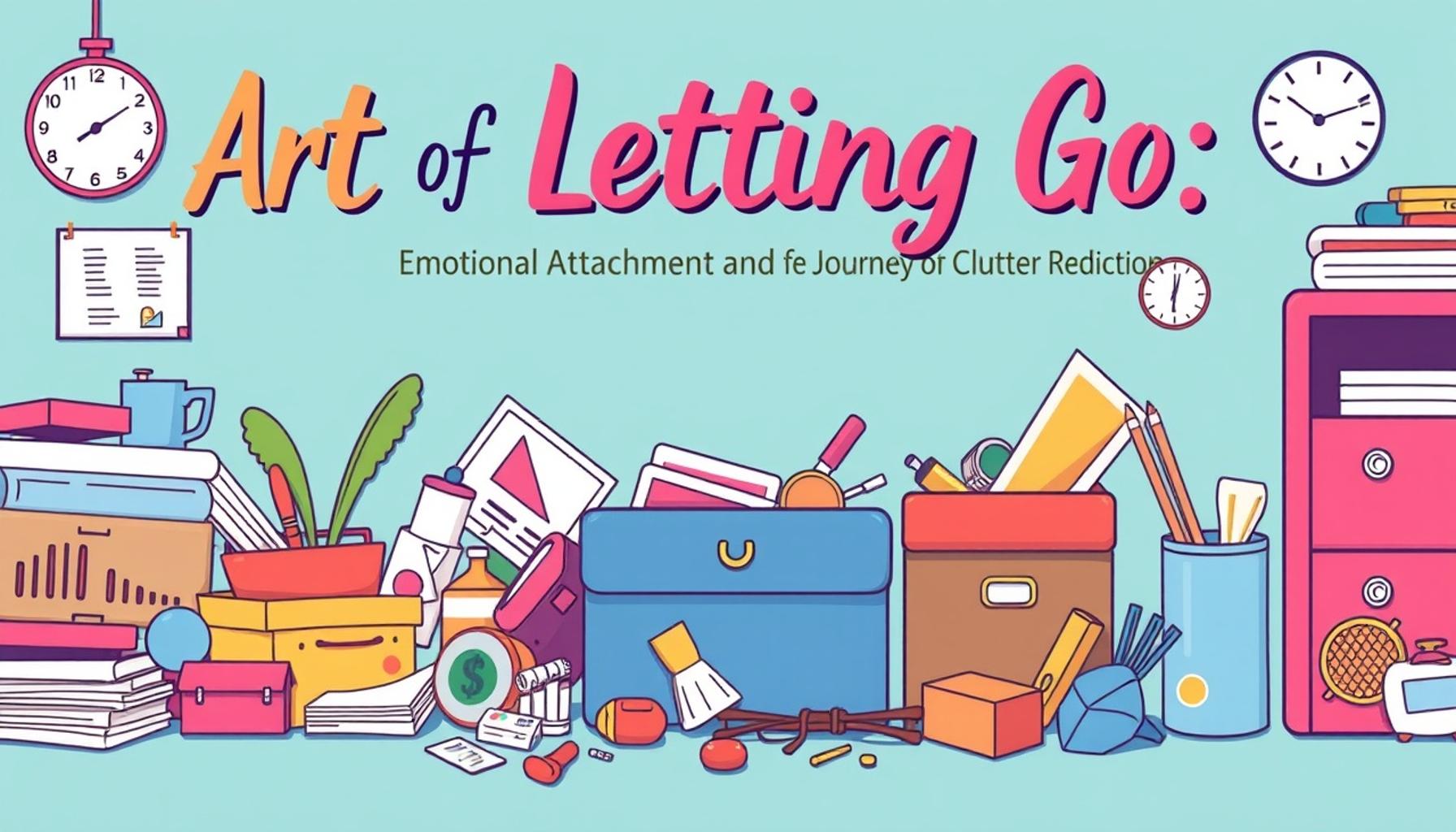
The Art of Letting Go: Practical Strategies to Reduce Clutter at Home

The Journey Toward a Clutter-Free Lifestyle
In today’s fast-paced society, many individuals find their homes overflowing with belongings that no longer serve a purpose. This excess can lead to feelings of chaos and overwhelm, not just in our physical spaces but also in our minds. The act of letting go is not merely about removing items; it’s about creating a nurturing atmosphere that fosters peace and well-being. However, embarking on this journey can feel overwhelming. So, how can we simplify the process and make meaningful changes?
Implementing practical and effective strategies can transform decluttering from a daunting chore into a liberating experience. Here are some approaches to consider:
- Embrace Minimalism: Minimalism is more than just a trend; it’s a lifestyle choice. By simplifying your belongings, you create space to appreciate what truly matters. Think of it this way: each item you keep should bring you joy or serve a specific purpose in your life. For example, a well-loved coffee mug might evoke warm memories, while a seldom-used gadget occupies space without contributing to your happiness.
- Set Clear Goals: Without specific objectives, decluttering can feel aimless. Establish clear, achievable goals for your projects, such as dedicating 30 minutes each Saturday to tackle a specific room. Consider making a checklist or timeline to maintain focus and momentum. This structured approach can not only help you stay organized but also keep your motivation high.
- Prioritize Spaces: It’s often beneficial to start with high-impact areas such as the living room or kitchen. These spaces are frequently used and thus have a significant impact on how you feel about your home. Seeing immediate results in areas that you interact with daily can boost your enthusiasm to continue the decluttering process in other parts of your home.
Moreover, it’s important to understand the psychology behind our attachments to physical items. Many of us have emotional connections to belongings—be it a family heirloom or a gift from a friend—that make it difficult to part with them. Acknowledging these feelings can foster a healthier relationship with our possessions. It can also help you learn how to prioritize memories over materials, allowing you to cherish a memory without holding onto the physical item that represents it.
As you explore these strategies, it’s crucial to remember that the journey to declutter is just as important as the final destination. Each item you choose to release creates space for clarity and joy in your living environment. This process encourages mindfulness, as you reflect on what you truly need and value. Taking time to appreciate your progress, no matter how small, can turn this undertaking into a rewarding experience.
Ultimately, embracing the art of letting go can lead to a serene, harmonious home, allowing you to cultivate a lifestyle that promotes mental clarity and peace. By understanding your attachments and employing strategic decluttering methods, you can reclaim not just your space but also your sense of tranquility and purpose in everyday life.
DISCOVER MORE: Click here to explore the benefits of multifunctional furniture
Understanding Your Clutter: The First Step to Letting Go
Before diving headfirst into decluttering, it is vital to take a step back and understand the underlying reasons for your attachment to certain items. Our homes often serve as a reflection of our identities, and the possessions we keep can tell a story about who we are, our experiences, and our aspirations. Recognizing this connection can be the first step in the art of letting go. By examining our attachments, we can identify what truly needs to stay and what can be released without regret.
One method you can use to assess your belongings is the Four-Box Method. This practical strategy involves labeling four boxes: “Keep,” “Donate,” “Sell,” and “Trash.” As you sift through your items, place each belonging into its designated box. This sorting process helps clarify your decisions and lends structure to your decluttering efforts.
- Keep: Items that are essential or spark joy. These are the treasures you cherish and use regularly.
- Donate: Items that are in good condition but no longer serve a purpose for you. Donating helps others and creates a positive cycle of giving.
- Sell: Items that still have value and can be sold either online or at a garage sale. This not only gives your possessions a second life but can also generate some extra cash.
- Trash: Items that are broken, damaged, or of no use. It’s important to dispose of these responsibly, potentially recycling where possible.
Another effective approach to decluttering is the “One In, One Out” rule. This rule advocates that for every new item you bring into your home, you should let go of one. This practice prevents the accumulation of excess possessions and promotes intentionality in your purchasing decisions. Every time you consider buying something new, take a moment to reflect on what you can remove from your space. This mindset encourages mindful consumption and a clutter-free environment over time.
It’s equally important to combat the “just in case” mentality that many homeowners experience. Often, we hold onto items that we think we might need someday, but the truth is that these items can clutter our lives and spaces. One counter-strategy is to ask yourself, “Have I used this in the last year?” If the answer is no, it might be time to part ways. This approach fosters a practical view of your belongings, helping you disentangle emotion from decision-making.
As you navigate your journey to declutter, remember that letting go is more than a physical act; it is an emotional process. By acknowledging the emotional significance of your possessions while also challenging your attachments, you can cultivate an intentional living space that nurtures clarity and tranquility. Embrace the artistry in this process, as it teaches you not just to clear your home but also to uplift your spirit.
The Art of Letting Go: Practical Strategies to Reduce Clutter at Home
The journey of decluttering your home requires not just physical effort but also a mental shift. Here, we explore innovative strategies designed to ease the process of letting go, ensuring that you can create a serene space that fosters peace and productivity.
1. Identifying Emotion-Driven Clutter
Many of us hold onto items sentimental value, which can contribute significantly to clutter. Start by evaluating why you keep certain items. Ask yourself whether they serve a purpose or provide joy. This emotional audit can help inform your decision to keep or let go, promoting a healthier relationship with your belongings.
2. The One-Year Rule
Implementing the one-year rule is a practical strategy where you assess each item to determine if it has been used within the past year. If not, it may be time to part ways. This rule can be liberating, as it encourages a more intentional approach to consumption and keeps your living space fresh and organized.
3. Digitizing Memories
Photographs, documents, and sentimental items can take up considerable space. Consider digitizing these memories. Use cloud storage or digital photo frames to store and showcase your cherished moments, while freeing up physical space in your home. This allows you to celebrate your memories without the burden of clutter.
4. Establishing a Decluttering Routine
Consistency is key in the art of letting go. Set aside specific times each week to focus on decluttering different areas of your home. By creating a routine, you train your mind to prioritize organization, making the process feel less overwhelming and more achievable over time.
5. The “Maybe” Box
For items you’re unsure about, create a “maybe” box. Seal it and store it away for a few months. If you don’t think about or need those items during that period, it may be a clear sign they can be donated or discarded. This method helps ease the anxiety of immediate decision-making.
| Category | Advantages |
|---|---|
| Emotional Audit | Helps establish a conscious connection with your items and prioritize what truly matters. |
| One-Year Rule | Encourages a fresh approach to your belongings, reducing unnecessary items that do not add value. |
Incorporating these practical strategies into your decluttering journey can transform your home into a sanctuary of tranquility. With fewer distractions and a clear environment, you can focus on what truly enhances your life.
DISCOVER MORE: Click here to learn how to declutter your digital life
Creating a System for Consistent Decluttering
Once you have sorted through your possessions and gained insight into your emotional attachments, the next step is to establish a consistent decluttering system. A well-defined strategy can transform the overwhelming task of reducing clutter into a manageable routine. One effective method to implement in your home is the 30-Day Decluttering Challenge.
This challenge involves choosing one item to eliminate on the first day, two items on the second day, and so on, until you reach 30 items on the final day. By the end of the month, you will have let go of 465 items, providing a powerful sense of achievement. This method not only encourages incremental progress but also fosters a sense of urgency that can motivate you to tackle clutter regularly.
Another pivotal aspect of maintaining a clutter-free environment is finding a designated place for every item within your home. Implementing organizational tools such as bins, baskets, or drawer dividers can help you keep your space tidy. Use label makers to identify what goes where, which enhances accountability and reduces the temptation to throw items anywhere out of sight. This practice becomes part of your daily routine, reinforcing the idea that every possession deserves a home.
Establishing Clutter-Free Zones
Decluttering is not just about managing items on a case-by-case basis, but also about creating designated clutter-free zones in your home. Identify areas that often accumulate clutter, whether it’s your entryway, kitchen counters, or your home office. Once identified, set clear boundaries for these zones, ensuring they remain clutter-free. For example, implement a “no bags” policy in your entryway, placing only essentials like shoes and keys.
To further support this initiative, consider scheduling a “clutter-free day” each month, where you take an hour to revisit these zones. This allotted time can be utilized to evaluate what is most functional, determining what needs attention or removal to maintain the aesthetic and functional beauty of your home.
Mindfulness and the Emotional Aspect of Letting Go
Mindfulness plays a crucial role in the decluttering process. The practice encourages you to be present in the moment and aware of your thoughts and feelings regarding your belongings. Engaging in mindfulness exercises before and during decluttering can help you approach the process with a clear mind, allowing you to make decisions rooted in intention rather than impulse.
Consider journalizing your reflections. Write down your thoughts as you sort through items, noting what you feel when you think about each possession. Ask yourself questions like, “Why did I buy this?” and “Does this still serve me?” This self-reflection can foster a deeper understanding of your relationship with your belongings and make it easier to release items that no longer fit your current lifestyle.
Finally, it’s important to celebrate your successes, no matter how small. Enhancing your living space is an ongoing journey, and acknowledging your progress serves as motivation to keep moving forward. Whether it’s enjoying a newly organized closet or inviting friends over to appreciate your clutter-free living space, these small victories contribute to a greater sense of well-being and clarity in your home environment.
DISCOVER MORE: Click here to learn how to declutter your digital life</
Embracing a Clutter-Free Life
In conclusion, the journey of letting go and reducing clutter at home is both a personal and practical endeavor. By implementing effective strategies—such as the 30-Day Decluttering Challenge, establishing designated clutter-free zones, and embracing mindfulness—you are not just clearing space; you are fostering a healthier and more harmonious living environment. Understanding your emotional attachments and creating a system for consistent decluttering will empower you to make informed decisions about what you choose to keep in your life.
It’s essential to recognize that decluttering is not a one-time event but an ongoing process. Regularly revisiting your spaces, maintaining organized systems, and celebrating your successes can lead to sustainable lifestyle changes. As you cultivate this practice, you create not just a neater home, but also a more focused mind and a greater capacity for joy. With every item you let go of, you create room for new opportunities and the freedom to embrace the moments that truly matter.
As you reflect on what possessions bring value to your life, consider this: a clutter-free home can lead to a clutter-free mindset. Explore these practical strategies and take the first steps towards creating a tranquil space. Let your home be a sanctuary, a reflection of your inner peace, and a place where you can fully thrive. The art of letting go may be challenging, but it also opens the door to endless possibilities.