Creating a Clutter-Free Home Environment: Practical Tips for Implementing Minimalism in Your Living Space
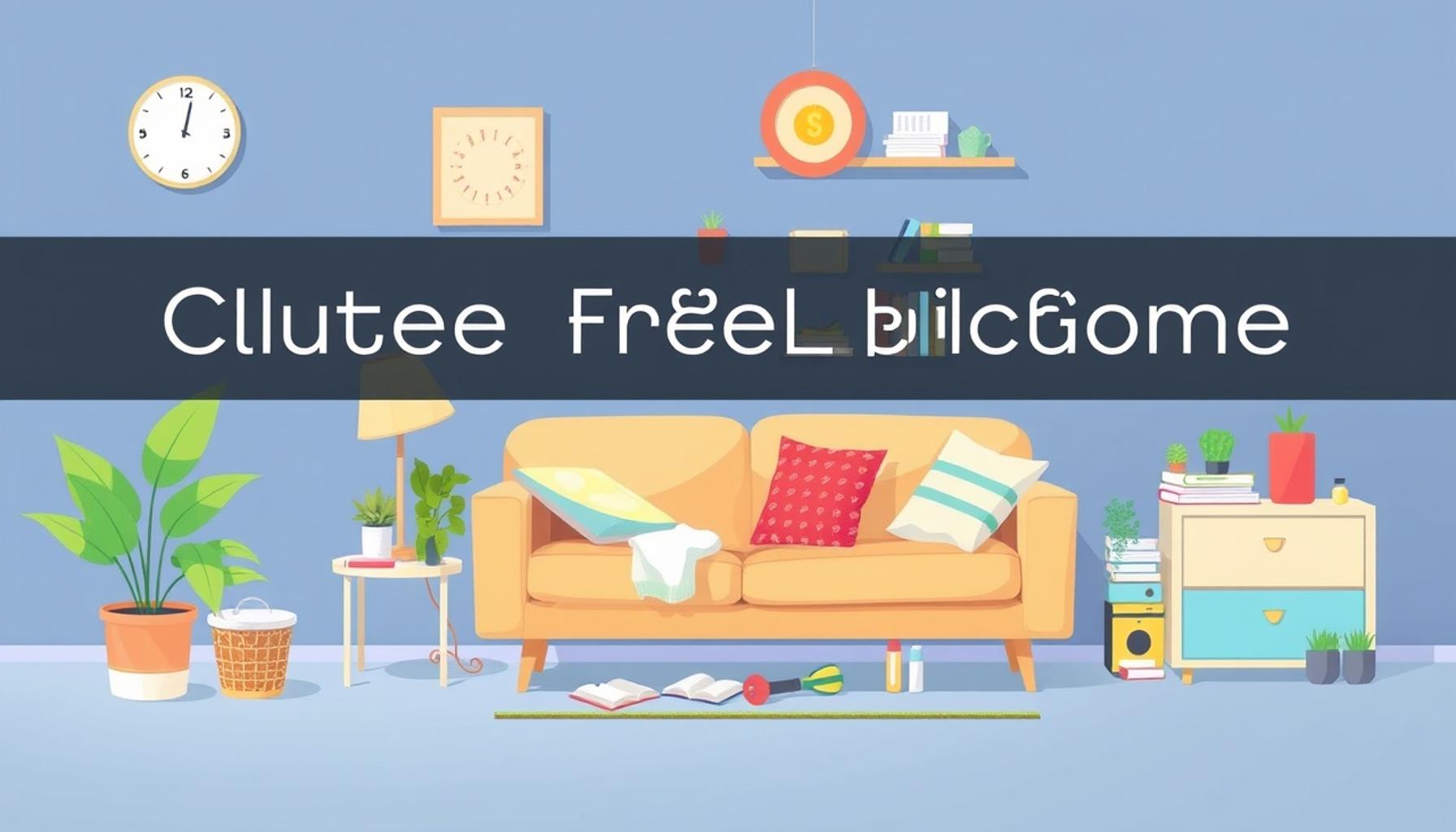
Understanding Minimalism
In an age characterized by rapid consumerism and constant digital noise, the push for a clutter-free home environment serves as a refreshing counterpoint. Adopting minimalism is not just a temporary solution to disorganization; it represents a profound shift in how we approach our living spaces, fostering an environment that promotes well-being and functionality.
A minimalistic approach to your living space can lead to numerous benefits beyond just physical decluttering. For instance, studies have shown that a tidy environment correlates with enhanced mental clarity. When distractions are minimized, your mind can focus more effectively, which is invaluable whether you are working from home or engaging in creative pursuits. Similarly, the relationship between decluttering and increased productivity cannot be overstated. A clean workspace encourages not only efficiency but also creativity, enabling individuals to tackle tasks more seamlessly.
Moreover, the emotional impact of a cluttered space is significant; numerous surveys indicate that many Americans experience reduced stress levels when surrounded by neat environments. Psychological studies have illustrated that visual chaos can lead to feelings of overwhelm, while a serene, organized space fosters relaxation and peace of mind.
Implementing Minimalism: A Strategic Process
Engaging with minimalism requires a thoughtful and intentional approach. It’s not as simple as tossing items into a trash bin; instead, it involves a comprehensive process that can be life-changing. Start with assessing what you truly need. This means taking inventory of your belongings and distinguishing between items that serve a purpose and those that are merely taking up space. Make a list of essentials that support your daily activities and enrich your life.
Next, organizing your belongings is crucial. This can involve sorting items into categories such as “keep,” “donate,” or “dispose.” Consider using storage solutions that emphasize accessibility and neatness, such as transparent boxes or labeled bins. Efficient organization not only showcases what you have but also simplifies retrieving items, thereby reducing frustration.
Lastly, adopting a new mindset about consumption encourages a more mindful approach to acquiring new items. Ask yourself if potential purchases align with your minimalist goals. Are these items necessary, or will they just become another layer of clutter? Shifting towards sustainable practices, such as opting for quality over quantity, can lead to both physical clarity and improved financial well-being.
Practical Steps toward Decluttering
Living in the United States, where the culture often celebrates accumulation, the journey toward minimalism may seem daunting but remains achievable. Simple actions like the ’30-Day Minimalism Game,’ where participants eliminate one item on the first day, two items on the second day, and so on, can be highly motivating. Over the course of a month, this practice can lead to a significant reduction in clutter.
Additionally, turning weekends into “decluttering dates” can turn a daunting chore into an enjoyable activity. Invite friends or family to tackle the task together, share stories about cherished items, and make the process a social event.
As you grasp the concept and practice of minimalism, remember that it is a continuous journey rather than a destination. By embracing a clutter-free lifestyle, you are not merely transforming your physical space; you are rethinking your relationship with possessions and enhancing your overall quality of life. Those who embark on this path often discover newfound freedom and clarity, paving the way for a more peaceful existence. Prepare to rethink your living environment and experience all that a minimalistic approach has to offer.
DISCOVER MORE: Click here to learn innovative ways to maximize your space
The Foundation of a Clutter-Free Home
Creating a clutter-free home environment starts with understanding that minimalism goes beyond just discarding unnecessary items; it’s about re-evaluating the very essence of what you value in your living space. To make real progress, you should cultivate a core set of principles that can guide your decisions and keep distractions at bay.
The first step in your minimalist journey is to establish your intentions. What is motivating you to pursue minimalism? Whether it’s to improve mental clarity, reduce stress, or simply create a more functional space, having a clear vision will facilitate your decision-making process as you refine your living environment. Take a moment to jot down your goals, which can serve as a constant reminder of why you’re invested in this lifestyle.
Once your motivations are set, you’ll want to embark on the decluttering process. Here are some practical strategies to help you navigate through this transformative journey:
- One room at a time: Begin in the room that feels the most overwhelming. By concentrating your efforts, you’ll prevent feeling lost in the process.
- The 12-12-12 Challenge: Find twelve items to throw away, twelve to donate, and twelve to be returned to their proper place. This simple exercise can jumpstart your decluttering.
- Set a timer: Allocate a specific amount of time—be it fifteen minutes or an hour—to declutter. This urgency can make the task feel less daunting and more achievable.
- Use the container concept: Limit yourself to a specific container (like a box or bin) to hold your belongings. Once it’s full, you’ll need to make choices about what stays and what goes.
As you declutter, keep in mind that successful minimalism isn’t just about getting rid of things; it’s also about reflecting on what brings joy and utility into your life. The common minimalist philosophy encourages you to ask each time you consider an item: “Does this add value to my life?” Items that no longer serve a purpose should be released without guilt—consider donating, recycling, or selling them. This fosters a sense of empathy not just for your belongings, but also for those who may benefit from what you no longer need.
After you’ve begun the decluttering process, the focus shifts towards maintaining your newfound space. A clutter-free home requires diligence and ongoing commitment. Here are some effective practices for sustaining your minimalist lifestyle:
- One in, one out: For every new item that enters your home, another should exit. This principle helps you keep the balance in your living space.
- Daily tidying: Set aside a few minutes each day to tidy up. This small effort can cumulatively make a large difference.
- Adopt seasonal decluttering: At each season change, reassess your belongings to ensure they remain valuable and relevant.
Ultimately, implementing minimalism in your living space requires a shift in mindset—a commitment to living intentionally and joyfully in a clutter-free environment. By starting with the right intentions, a systematic approach to decluttering, and maintaining your progress, you can create a sanctuary that reflects the life you wish to lead.
Practical Strategies for Minimalism
Implementing a minimalist lifestyle in your home requires a thoughtful approach that prioritizes simplicity and functionality. Here are some practical strategies to help you achieve a clutter-free living space:
1. The One-In-One-Out Rule
Establishing a simple guideline, such as the One-In-One-Out Rule, can significantly reduce clutter. Every time you bring a new item into your home, make a conscious decision to remove one existing item. This practice not only keeps your space manageable but also encourages intentional shopping and ownership of your belongings.
2. Declutter in Phases
Tackling the entire house at once can be overwhelming. Instead, consider working in phases. Start with one room or even a single drawer, gradually expanding your efforts. This method allows for a more focused approach and can provide a sense of accomplishment as you see immediate results.
3. Create Designated Spaces
To maintain organization, it’s crucial to create specific designated spaces for various items. Utilize storage solutions such as baskets, shelves, or boxes that not only serve a functional purpose but also enhance the aesthetic appeal of your home. Clear labeling further simplifies the process of returning items to their proper places.
4. Limit Decorative Items
While decorations add personality, too many can lead to visual clutter. Aim to limit decorative items, choosing a few key pieces that resonate with your personal style. This approach not only streamlines your space but also allows your chosen pieces to stand out more prominently.
5. Embrace Digital Solutions
In our digital age, embracing digital solutions can significantly reduce physical clutter. Convert physical documents to digital files, utilize apps for task management, and explore alternatives to physical books and magazines. This transition not only cuts down on paper clutter but also enhances efficiency and accessibility.Creating a clutter-free home environment through minimalism not only enhances the visual appeal of your living space but also promotes a sense of calm and order in your daily life. Each of these strategies, when implemented consistently, can contribute to a more minimalist lifestyle that celebrates simplicity and functionality.
DISCOVER MORE: Click here to learn about mindful consumption
Embracing a Minimalist Mindset
Once you have established your decluttering process and maintenance strategies, the next step involves embracing a minimalist mindset that not only supports but enhances your inquiry into a clutter-free home environment. This mindset transformation centers around self-awareness and intentionality—key components that support a more harmonious living experience.
One effective approach to fostering this mindset is through the practice of mindful consumption. Consider how often impulse buying leads to clutter. In the United States alone, studies show that disposable income levels have fueled a culture of accumulation. Adopt a more mindful approach by asking yourself the following questions before making a purchase:
- Do I need this? Analyze if the item serves a basis of necessity or if it’s simply a want.
- How often will I use it? Assess the frequency of use; is it a seasonal object that will occupy space but remain ignored for most of the year?
- Where will it go? Visualize the designated space for the item in your home and whether it will complement your existing aesthetic and function.
Another powerful tool in your minimalist arsenal is digital decluttering. In our increasingly digital world, the clutter isn’t confined to physical possessions; digital spaces can become equally overwhelming. Take time to evaluate your online life. Folders filled with unimportant emails, files you’ll never reference, and apps that occupy screen space on your devices can all contribute to digital clutter.
Consider implementing these tactics to streamline your digital space:
- Unsubscribe: Remove yourself from email lists that clutter your inbox and contribute to unnecessary distractions.
- Organize files: Regularly sift through your documents and photos. Create a clear folder system and back up important files.
- Curate your apps: Limit downloaded applications to those that bring value or entertainment. Delete or offload those that you rarely use.
Furthermore, as you cultivate a minimalist mindset, consider how to create multifunctional spaces within your home. A minimalist environment is often marked by versatility; thus, furniture and areas that serve multiple purposes can greatly reduce the amount of ‘stuff’ you need. For instance, invest in furniture that can double as storage, such as ottomans that open up or beds with drawers underneath. In small living quarters, such as apartments—which are popular throughout urban locations in the United States—finding ways to transform a space for various uses is essential.
Creating rituals can also facilitate your journey toward minimalism. Schedule regular moments in your week to reflect on your possessions and your lifestyle choices. As you become more attuned to your items and their roles in your life, you’ll likely develop a sense of gratitude for what you keep and the space you cultivate.
Amid everything, remember that minimalism is not a destination but a journey. The qualities that minimalist living promotes—intentionality, mindfulness, and self-awareness—should become ingrained in your daily practices, allowing for constant growth and evolution. As you navigate through this lifestyle, you will discover not only a clutter-free home but also a more uncluttered mind, and a greater appreciation for life’s simple joys.
DISCOVER MORE: Click here to learn about enhancing your space
Conclusion
In a world where material possessions often blur the lines between necessity and desire, creating a clutter-free home environment emerges as a pivotal step towards mental clarity and improved well-being. By implementing the practical tips discussed, such as engaging in mindful consumption, actively participating in digital decluttering, and creating multifunctional spaces, you can cultivate a living space that promotes tranquility and purpose.
As you embrace the principles of minimalism, remember that this journey is not merely about subtracting items but about enhancing your relationship with the things you choose to keep. Each item should resonate with personal significance or utility, leading to a home that truly reflects your values and lifestyle. Rituals of reflection will allow you to maintain this mindful approach, ensuring that your space evolves alongside your aspirations.
As the minimalist philosophy permeates through daily decisions and decluttering practices, it paves the way for a more intentional lifestyle. This aligns with the growing trend among many households across the United States striving to detach from consumer excess and redirect their focus toward experiences rather than possessions. Ultimately, a clutter-free home fosters an atmosphere of peace and creativity, empowering you to appreciate life’s simple joys.
In conclusion, minimalism is not a trend but a transformative way of living that encourages awareness of what truly matters. As you embark on this path, keep exploring new ideas, personalizing your environment, and sharing your progress with others. A clutter-free life awaits those who dare to simplify.