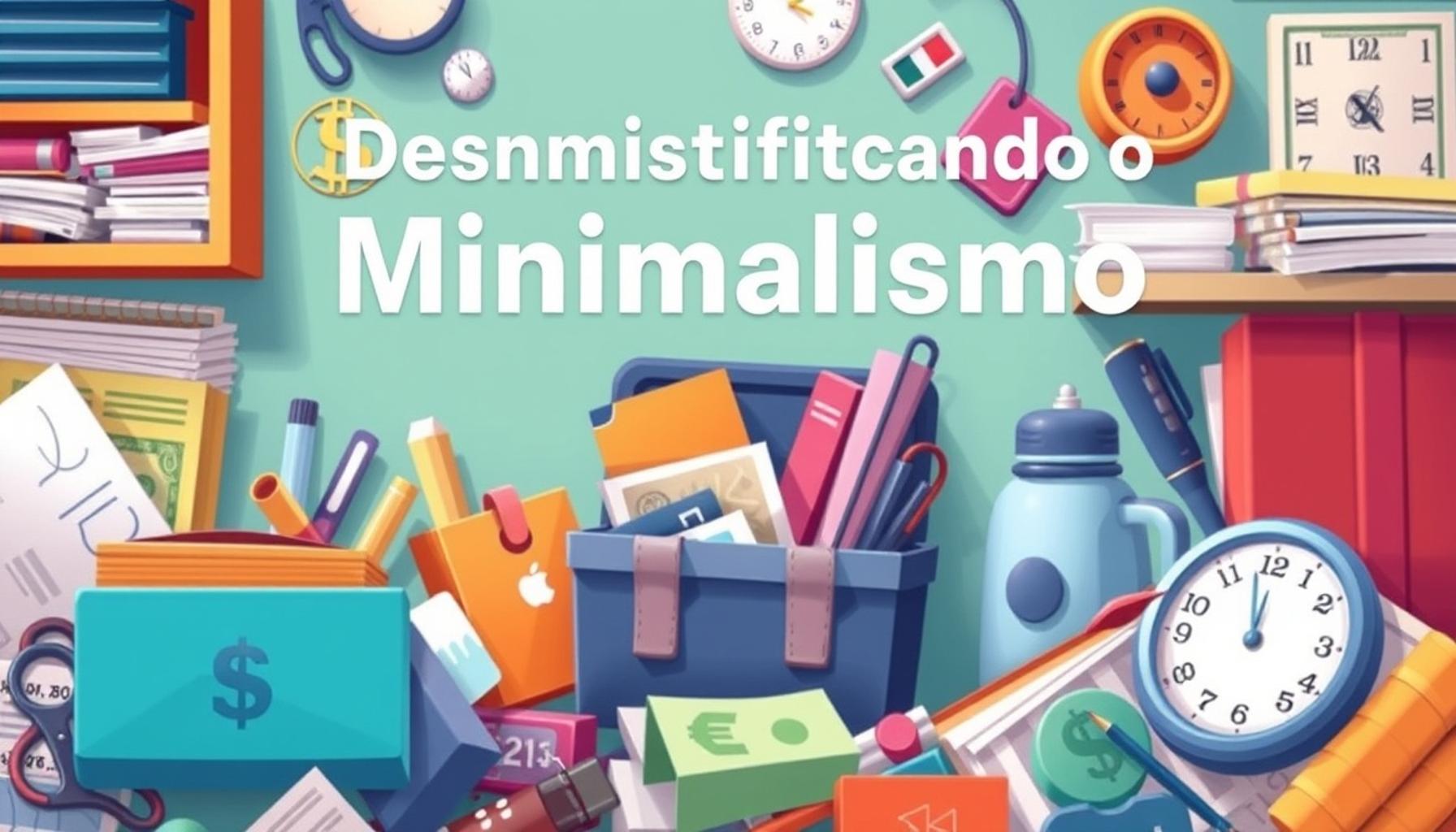
The Reduction of Clutter as a Lifestyle: Adopting Sustainable Habits to Maintain Simplicity

Understanding the Benefits of a Clutter-Free Lifestyle
As our world becomes increasingly fast-paced and consumer-driven, the phenomenon of clutter accumulation has reached epic proportions. Many people find themselves drowning in a sea of belongings that no longer serve a purpose. Embracing a clutter-free environment has become not just a trend, but a conscious lifestyle choice that brings with it numerous benefits. By reducing clutter, individuals can cultivate a sense of purpose, improved mental clarity, and heightened productivity—all of which are essential in today’s chaotic landscape.
So, how can one adopt and sustain a clutter-free lifestyle effectively? The answer lies in cultivating mindful habits that extend beyond mere aesthetics. Implementing thoughtful strategies can lead towards long-term simplicity and fulfillment. Here are some key approaches to consider:
- Mindful Consumption: Before making a purchase, ask yourself if this item is truly necessary. For instance, instead of buying the latest gadget simply because it is trending, consider its value in your daily life. This practice not only conserves financial resources but also prevents the accumulation of unnecessary items. According to a survey by the National Association of Professional Organizers, over 80% of individuals feel overwhelmed by the amount of clutter they have, which emphasizes the importance of selecting only what enhances our lives.
- Regular Decluttering: Establish a routine for decluttering your space. This could be as simple as dedicating an hour each month to sort through belongings. Seasonal changes are an excellent cue for this process— for example, every spring cleaning can become an opportunity to reassess what you truly need. The “one-in, one-out” rule is also a helpful guideline; for every new item brought into the home, let go of an old one, preventing gradual reaccumulation.
- Organizational Systems: Develop smart organizational systems for storage—think bins, shelves, and labeled compartments. This promotes easy access and minimizes the urge to clutter. Implementing a dedicated space for frequently used items can also streamline daily routines. For example, designating a specific spot for keys and bags can prevent the frantic search that often leads to additional mess.
Embracing these strategies will not only create a manageable living space but also foster a mindset that values sustainability. In a nation marked by rampant consumerism, the shift toward minimalism can feel indeed transformative. Learning to appreciate what you have, rather than constantly seeking more, can yield profound insights into your personal values and needs.
The journey towards a clutter-free lifestyle opens doors to a deeper understanding of simplicity. By re-evaluating our possessions and consumption patterns, we enrich our lives profoundly. This lifestyle change can lead to a newfound appreciation for the essentials, impacting not just our spaces but our very well-being.
Investigating further into the art of decluttering may uncover additional benefits, such as improved mental health and stress reduction. As individuals embark on this path, the promise of clarity and peace of mind awaits, paving the way for a more intentional and focused life.
DISCOVER MORE: Click here to delve deeper
Strategies for a Sustainable Clutter-Free Lifestyle
Embracing a clutter-free lifestyle goes beyond simply discarding unwanted items; it is about rethinking how we interact with our possessions and the values behind those interactions. Developing sustainable habits is key to maintaining simplicity without falling back into the trap of consumerism. Here are several strategies that can not only declutter your space but also enhance your quality of life:
- Practice Mindful Purchasing: Each time you consider a new purchase, pause and reflect on its necessity. Ask questions such as: “Will this improve my life?” or “Do I already own something similar?” Research suggests that mindfulness in consumption can significantly reduce the amount of clutter entering our homes. By prioritizing quality over quantity, you focus on items that are not just fleeting trends but valuable additions to your life.
- Conduct Routine Clean-Outs: Make decluttering a regular part of your life, much like routine maintenance for a vehicle. Setting aside periodic times—such as at the start of each season or during significant calendar milestones—can help you reevaluate the items you possess. According to the Professional Organizers in Canada, regular decluttering can lead to less stress and anxiety, helping maintain a peaceful living space.
- Utilize Digital Solutions: In our technology-driven age, consider digitizing items that may not require physical storage. For example, scan important documents or photographs and store them securely online. This not only saves physical space but also allows for easier organization and retrieval. Organizations like the National Archives have also endorsed digitization as a means of preserving important materials while minimizing clutter.
- Adopt a Minimalist Mindset: Minimalism is not just about emptying your space; it’s a holistic lifestyle approach. This mindset encourages you to find joy in simplicity, steering clear of unnecessary purchases and focusing instead on experiences and connections. Notably, studies conducted by the Journal of Consumer Research reveal that individuals who practice minimalist living often report higher levels of satisfaction and well-being.
- Engage in Community Exchanges: Instead of binning items you no longer use, consider organizing or participating in swap meets or community give-away events. This encourages a cycle of reuse that limits waste while benefiting others. Platforms such as Freecycle and Buy Nothing Project thrive on the concept of sharing excess belongings within local communities, and they help foster connections, all while reducing clutter.
By integrating these strategies into your daily routine, you are not only creating a more organized living space but also developing a lifestyle rooted in sustainability. Each small effort contributes to a broader movement towards conscious consumption, echoing a collective shift away from the excessive materialism that characterizes modern society.
In addition, the psychological benefits of living in a clutter-free zone can be transformative. Reports indicate that a clean and organized environment can lead to enhanced focus, reduced stress levels, and overall better mental health outcomes. As you embark on this journey toward minimalism, it’s important to remain compassionate with yourself; change takes time, and every step forward counts.
The Reduction of Clutter as a Lifestyle: Adopting Sustainable Habits to Maintain Simplicity
In today’s fast-paced world, embracing sustainable living has never been more essential. At the core of this lifestyle transformation lies the reduction of clutter. Not merely a decorative choice, minimizing physical and mental clutter can significantly enhance one’s well-being, focusing on what truly matters. As individuals strive for simplicity, they often find themselves reevaluating their possessions and their purpose, fostering a profound connection to sustainability.
Every item we own carries energy and memories, which can contribute to feelings of overwhelm. By adopting methods such as the KonMari method or decluttering in stages, individuals can experience a refreshing sense of clarity both externally in their space, and internally in their minds. Additionally, through digital decluttering—organizing files and emails—people can further clear their mental landscape, paving the way for more intentional living.
The environmental impact of reducing clutter can be substantial. By consciously choosing to purchase less and repurpose what we already have, we collectively mitigate waste that ultimately ends up in landfills. Engaging in practices such as swapping clothes or donating unused items not only reduces clutter but also creates a sense of community and mindfulness about consumption.
| Advantages | Detailed Insights |
|---|---|
| Enhanced Focus | Eliminating distractions allows for greater concentration and productivity. |
| Improved Mental Health | A clutter-free environment reduces stress and anxiety, fostering a sense of peace. |
As the movement towards a simpler lifestyle gains momentum, embracing these sustainable habits can reveal endless benefits, igniting a pathway toward greater fulfillment. Whether it’s selecting multifunctional furniture or committing to ethical choices in every purchase, the journey toward simplicity is both transformative and rewarding.
DISCOVER MORE: Click here to dive deeper
The Emotional and Economic Impact of Decluttering
Beyond the tangible benefits of a clutter-free environment, it’s essential to consider the emotional and economic impacts of embracing a simpler lifestyle. Studies have shown that clutter can be a significant source of stress and anxiety, affecting both mental health and productivity. In a survey conducted by the National Association of Professional Organizers, it was revealed that 54% of individuals felt that clutter in their homes led to feelings of overwhelm. By reducing the amount of clutter, people can create a calming environment that fosters a sense of peace and mental clarity.
Additionally, maintaining a clutter-free lifestyle can have significant economic benefits. According to a report from the American Institute of Stress, over 70% of Americans report feeling stress related to their possessions. By adopting a more minimalist approach, individuals can save money that would have been spent on unnecessary purchases. With the average American household spending $1,700 annually on impulse buys, redirecting this spending towards experiences or meaningful investments can yield greater personal satisfaction. Much like the concept of mindfulness in purchasing, focusing on intentional spending can enhance your financial well-being.
Incorporating sustainable habits into everyday life also involves reducing waste in your decluttering efforts. Instead of discarding items, consider how you can either recycle, repurpose, or donate them. Organizations like Goodwill and Habitat for Humanity accept donations and provide them a second life, while also contributing to social causes. By doing so, you not only declutter but also help reduce landfill waste. The EPA reports that approximately 292.4 million tons of waste are produced in the U.S. annually, with a significant portion representing discarded household goods.
Building Sustainable Habits Through Education and Community Engagement
Education plays a critical role in adopting a clutter-free lifestyle. Knowledge about sustainable practices encourages individuals to develop habits that extend beyond their immediate environment. For instance, learning about the environmental impact of consumer goods can drive home the importance of mindful purchasing decisions. Websites like EcoCult and The Good Trade offer valuable resources for understanding the environmental costs of clutter and consumerism, along with strategies for making better choices.
Furthermore, engaging with community initiatives fosters a sense of belonging and collective responsibility. Participating in local workshops or community centers that focus on sustainability can provide practical skills for maintaining a clutter-free lifestyle. From DIY repurposing techniques to eco-friendly living courses, these learning opportunities not only empower individuals but also create a network of like-minded people committed to sustainable change.
As you forge your path towards a decluttered existence, remember that every step taken contributes to the broader mission of reducing waste and promoting sustainability. Embracing this journey rigorously and consistently can create a ripple effect, not just within your own life, but also amongst your family, friends, and community. By prioritizing simple living and supporting sustainability, you ultimately cultivate a deeper appreciation for what truly matters in life.
DISCOVER MORE: Click here for insights on mindful consumption
Embracing a New Perspective: The Lasting Benefits of a Clutter-Free Lifestyle
In conclusion, the journey toward reducing clutter transcends mere organization of physical spaces; it’s a comprehensive lifestyle shift that encourages mindfulness and sustainability. By choosing to embrace simplicity, individuals can experience not only increased mental clarity but also a renewed appreciation for the value of experiences over possessions. The positive emotional and economic impacts of decluttering are profound, presenting an opportunity for personal growth while also addressing larger societal issues related to waste and consumerism.
With every item that is removed and every conscious purchasing decision made, individuals contribute to a more sustainable future, effectively challenging the culture of excess. It’s vital to recognize that the practices adopted while eliminating clutter—such as recycling, repurposing, and donating—can play a crucial role in supporting local communities and reducing landfill contributions.
By leveraging educational resources and engaging in community initiatives, you can further enhance your decluttering efforts. The collective power of community involvement fosters a supportive network, amplifying the ripple effect of sustainable living. As you consider your path to a simpler life, remember that each small decision impacts not just your surroundings but also the health of our planet. Ultimately, adopting a clutter-free lifestyle not only transforms your own world but inspires others to reflect on their relationship with belongings, creating a culture of mindful living that resonates across generations.
Related posts:
The Psychological Benefits of Decluttering: How a Minimalist Approach Can Enhance Your Well-Being
The Importance of Reducing Clutter in Creating a Minimalist Space
Minimalism in Practice: Transforming Spaces with Feng Shui and Clutter Reduction
Decluttering Your Mind: The Connection Between a Clear Space and a Clear Mind
Digital Clutter Reduction: How to Organize Your Devices and Improve Productivity
The Journey to a Simpler Life: Personal Stories of Transformation Through Minimalism and Declutterin...

Beatriz Johnson is a seasoned minimalist and writer with a passion for simplifying the complexities of personal organization and decluttering. With over a decade of experience in the field, she specializes in topics like minimalist living, efficient organization strategies, and creating intentional spaces. Through her work, Beatriz empowers readers to make mindful decisions about their belongings, streamline their lives, and embrace a more organized and fulfilling lifestyle.