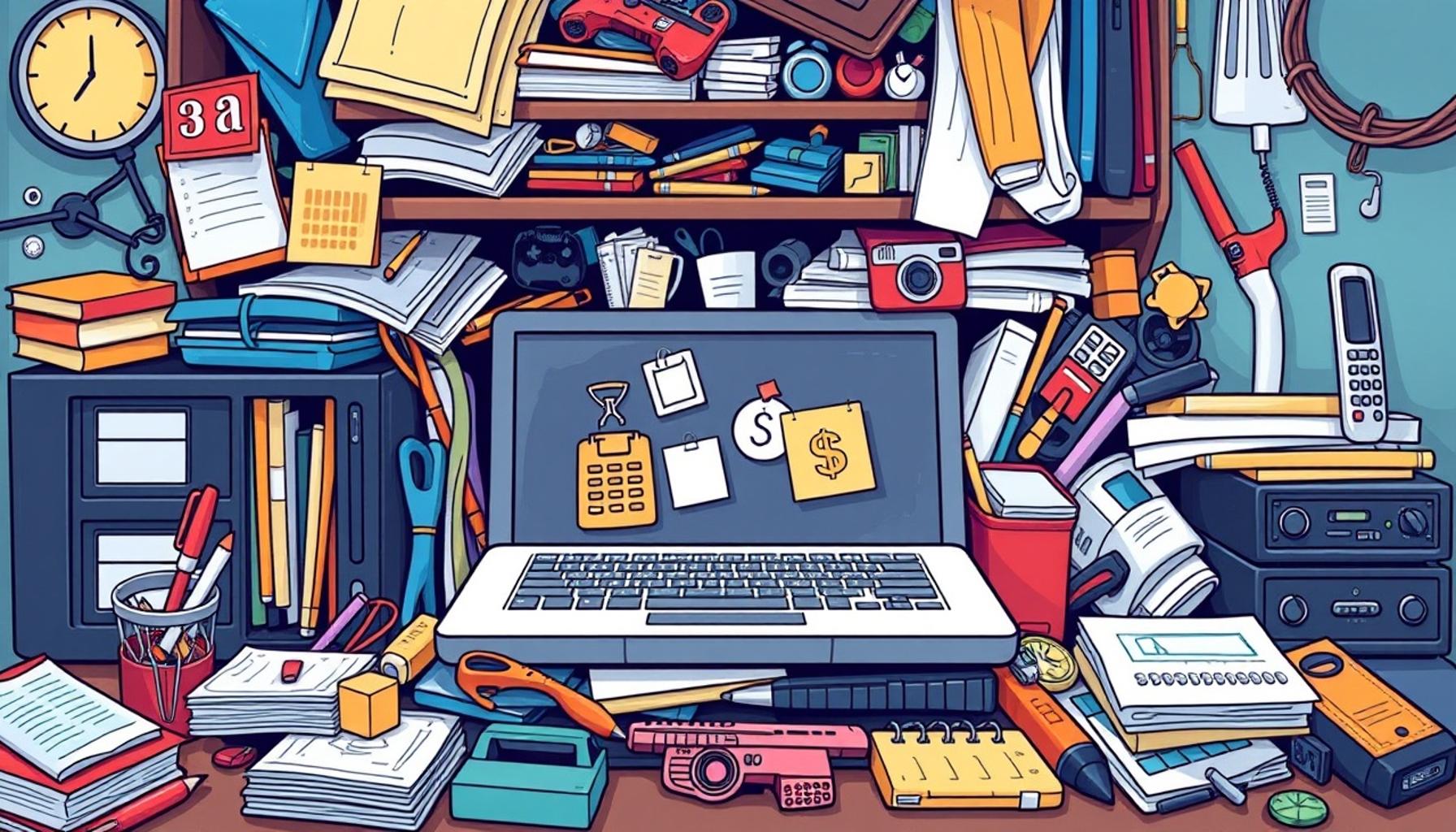
The Role of Technology in Organization and Reduction of Clutter

Understanding the Role of Technology in Organization
In an era where distractions abound, technology plays a pivotal role in transforming how we organize our lives and minimize clutter. From our physical spaces to our digital platforms, innovation offers solutions that streamline our daily activities. Understanding the significance of these advancements can empower individuals and organizations alike.
Consider the following benefits of technology in combating clutter:
- Smart Home Devices: These gadgets automate everyday tasks, reducing the need for physical items. With devices such as smart thermostats, lights, and even refrigerators, homeowners can minimize unnecessary purchases. For example, a smart fridge can notify you when you’re running low on food items, thus preventing the accumulation of expired products.
- Digital File Management: Cloud storage allows for the organization of documents, eliminating stacks of paper. Services like Google Drive and Dropbox enable users to create folders, share files, and access important documents from anywhere. This not only declutters physical space but also makes collaboration easier, as team members can work together without the chaos of multiple drafts scattered across their desks.
- Productivity Apps: Tools like Trello and Asana help keep tasks organized, minimizing mental clutter. These applications provide visual task boards, allowing individuals to prioritize their workload and track project deadlines, enhancing overall efficiency. Moreover, with reminders and notifications, they ensure that no important task slips through the cracks.
Furthermore, the advent of artificial intelligence simplifies decision-making, paving the way for more efficient work environments. AI-driven personal assistants such as Google Assistant and Siri can manage schedules, remind you of important meetings, and even offer recommendations on managing your time better. Imagine coming home from a long day and asking your assistant to prepare your tomorrow’s schedule while you unwind; this level of convenience can significantly reduce daily stressors.
A well-organized space doesn’t just enhance productivity; it also contributes to improved mental well-being. Research has shown that a cluttered environment can impact concentration and increase anxiety levels. By leveraging technology to create a more organized home or workplace, individuals can experience a notable boost in focus and emotional health.
As we dive deeper into this topic, we will uncover how these technologies not only promote organization but also play a crucial role in reducing clutter in our homes and workplaces. The integration of technology into our organizational habits presents unique opportunities to create a lifestyle that fosters clarity and peace of mind.
This exploration will offer insights that can lead to a more streamlined, efficient lifestyle, urging readers to consider how the incorporation of these modern tools can evoke both tangible and intangible benefits in their daily lives. Utilizing technology not only allows for physical decluttering but also paves the way for a more serene and focused mental space.
DIVE DEEPER: Click here to learn more
Embracing Smart Solutions for Everyday Challenges
The integration of technology into our daily routines offers a plethora of solutions aimed at reducing clutter and enhancing organization. As our lives become increasingly busy, the necessity for streamlined processes that help us manage our time and space effectively has never been greater. Smart home devices, digital organization tools, and innovative applications are just a few examples of how technological advancements are reshaping our environments.
One of the leading contributors to a clutter-free lifestyle is the introduction of smart home technology. Devices that connect to the internet, such as smart lights, thermostats, and security systems, allow users to manage their homes effortlessly. For instance, the rising popularity of smart hubs like Amazon Echo or Google Home makes it possible to control multiple devices using voice commands. This hands-free approach cuts down the need for various remotes and separate controls, thus decluttering both physical and mental spaces.
Moreover, smart home assistants can automate routines that often lead to physical clutter, such as scheduling cleaning tasks or regulating energy consumption. By programming these devices, homeowners can ensure that they have a clean and organized environment without constant manual input. The ability to monitor and adjust the household system remotely through a smartphone app further enhances the control one has over their living space, enabling a proactive approach to organization and minimizing clutter build-up.
Revolutionizing Digital Organization
In addition to the physical realm, technology significantly impacts digital organization. Many individuals and businesses struggle with the accumulation of electronic documents and files, creating a virtual clutter that can be just as overwhelming as physical mess. The rise of cloud storage solutions has made it easier to store, organize, and access files without the need for bulky external hard drives or overflowing file cabinets.
- Cloud-based platforms such as Google Drive, Microsoft OneDrive, and Box provide users with a secure and accessible way to keep their documents organized. These services empower individuals to create structured folder systems that can be easily navigated.
- Sharing capabilities allow teams to collaborate in real-time, preventing the disarray that arises from multiple versions of the same documents. This collaboration not only preserves digital order but also enhances productivity by streamlining workflows.
- Furthermore, integrated search functions enable quick retrieval of files, reducing the time spent sifting through extensive document lists. This efficiency leads to a more organized digital workspace, freeing up cognitive resources for more critical tasks.
The digital age also offers application-based solutions specifically designed to help users prioritize their tasks and manage their schedules. Productivity apps like Todoist, Notion, and Evernote have transformed the way individuals approach their to-do lists and commitments. By providing visual task management options and comprehensive reminder systems, these applications help users maintain focus, reducing the mental clutter that often accompanies disorganization.
As we explore further, it will become evident how these technologies not only simplify the management of both physical and digital spaces but also cultivate a more harmonious lifestyle. In an increasingly chaotic world, the ability to harness the power of technology to combat clutter represents a significant shift towards organization and efficiency.
| Category | Details |
|---|---|
| Digital Organization Tools | These tools enhance productivity by streamlining processes and managing tasks efficiently. |
| Cloud Storage Solutions | Cloud services provide a safe, accessible space for documents, reducing physical clutter and ensuring ease of retrieval. |
| Project Management Software | Offering an overview of tasks, deadlines, and team roles, these platforms facilitate better communication and reduce mismanagement. |
| Automated Scheduling Tools | Automation minimizes time wasted in organizing meetings, allowing teams to focus on critical projects, thus reducing chaos. |
| Data Management Systems | By consolidating and categorizing data, these systems prevent disorganization and enable better decision-making processes. |
The integration of technology not only supports greater efficiency but also significantly diminishes the clutter often associated with manual organization methods. By utilizing digital tools, individuals and organizations can streamline their workflows and maintain order amidst a fast-paced environment. The progressive adoption of these technologies continues to change the landscape of workplace organization, making it critical for enterprises aiming to survive in today’s competitive climate. Moreover, the shift towards a more digital workspace presents an opportunity for professionals to embrace flexibility and creativity, leading to innovative strategies in reducing clutter.
DISCOVER MORE: Click here to dive deeper
Innovative Tools for Physical Space Management
Beyond digital organization, technology has made significant strides in enhancing physical space management, providing innovative solutions to tackle clutter head-on. The introduction of smart storage solutions such as modular shelving systems, organization apps, and inventory management tools empowers individuals and businesses to create order in their environments. These technological marvels not only optimize available space but also allow for better utilization of resources.
A prime example of this trend is the emergence of smart furniture, which doubles as storage space, minimizing the need for separate bulky cabinets or boxes. Companies like IKEA have developed multi-functional pieces, such as ottomans with hidden compartments or coffee tables that expand to accommodate storage. These designs contribute to decluttering living spaces while maintaining aesthetic appeal. The idea of utilizing every inch of a room with smart design integrates organization seamlessly into daily life.
Inventory Management in a Digital Age
For those in retail or small business, inventory management software has revolutionized the way stock is monitored and organized. Modern platforms like TradeGecko and Square Inventory provide seamless tracking of products, making it easy to list items, manage stock levels, and analyze sales trends. This technology not only reduces physical clutter by eliminating excess stock but also enhances efficiency by ensuring that popular products are readily available while minimizing overstock situations that lead to cramped storage areas.
Furthermore, barcode scanning technology helps businesses keep tabs on inventory with remarkable accuracy. By simply scanning items, entrepreneurs can log products into databases that track where items are stored, thereby maintaining a clean and organized workspace. This practice enables business owners to focus on growth and strategy rather than being bogged down by the chaos of unmanaged inventory.
Wearable Technology’s Role in Personal Organization
As we continue to embrace advanced technology, wearable devices have emerged as powerful tools for personal organization. Smartwatches and fitness trackers not only remind users to stay active but also serve as invaluable assistants in managing schedules and tasks. Notifications for meetings, reminders for deadlines, and even simple to-do lists can be accessed solely through these devices. This integration significantly reduces the clutter associated with multiple devices that often distract users.
Additionally, wearables equipped with health-monitoring features help individuals recognize how their lifestyles impact productivity. By understanding their energy levels and stress indicators, users can adjust their routines to minimize overwhelm and disorganization. This holistic approach to organization through technology allows people to take control of their clutter in every aspect of their lives.
The Power of Automation in Decluttering
The rise of automation technology is one of the most significant advancements in the fight against clutter. Smart appliances, such as robotic vacuum cleaners and smart dishwashers, automate ordinary tasks that usually contribute to household clutter. By delegating these routine chores to machines, individuals can save time and energy for more productive pursuits. For instance, the popular Roomba device demonstrates how automation can actively contribute to cleaner spaces with minimal manual effort.
As people become more attuned to the benefits of these various technologies, the trend toward decluttering will likely continue to grow. In a culture that thrives on efficiency, the role of technology in the organization and reduction of clutter proves to be an invaluable ally in the quest for a harmonious and productive lifestyle.
DIVE DEEPER: Click here to discover more about simple living and self-care
Conclusion: Embracing Technology for a Clutter-Free Future
In our fast-paced world, the quest for organization and the reduction of clutter has taken on new significance, and technology has emerged as a key player in this endeavor. By leveraging innovative tools, from smart storage solutions to advanced inventory management systems, individuals and businesses are transforming their environments into organized, functional spaces that enhance productivity and well-being.
Smart furniture, wearable devices, and automation technology all showcase how creativity in design and functionality can harmonize aesthetics and efficiency. As we utilize wearables and automated appliances to ease daily tasks and manage time more effectively, we discover that eliminating clutter goes beyond just physical objects—it extends to freeing up mental space, allowing us to focus on what truly matters.
Moreover, as technology continues to advance, we must remain proactive in integrating these tools into our lifestyles. The ongoing evolution of organization methodologies aligns seamlessly with a digital age characterized by rapid change and innovation. By embracing these tools, we not only confront the chaos of clutter but also foster a more streamlined and organized existence.
As we stand at this juncture of technological advancement, it is crucial to consider how we can utilize these resources for a clutter-free future. The synergy between technology and organization presents an exciting opportunity for everyone, encouraging us to explore these modern solutions. Ultimately, by harnessing the power of technology in our lives, we can create spaces that are not only orderly but also inspiring and conducive to our growth and productivity.
Related posts:
Minimalism in Practice: Transforming Spaces with Feng Shui and Clutter Reduction
Clutter Reduction and Digital Life: Creating an Organized Virtual Space to Reduce Anxiety and Increa...
Minimalism and Sustainability: How Reducing Clutter Contributes to a More Eco-Friendly Lifestyle
Demystifying Minimalism: How to Start Reducing Clutter in Your Life
The Journey to a Simpler Life: Personal Stories of Transformation Through Minimalism and Declutterin...
The Reduction of Clutter as a Lifestyle: Adopting Sustainable Habits to Maintain Simplicity

Beatriz Johnson is a seasoned minimalist and writer with a passion for simplifying the complexities of personal organization and decluttering. With over a decade of experience in the field, she specializes in topics like minimalist living, efficient organization strategies, and creating intentional spaces. Through her work, Beatriz empowers readers to make mindful decisions about their belongings, streamline their lives, and embrace a more organized and fulfilling lifestyle.